
Sauces & Condiments
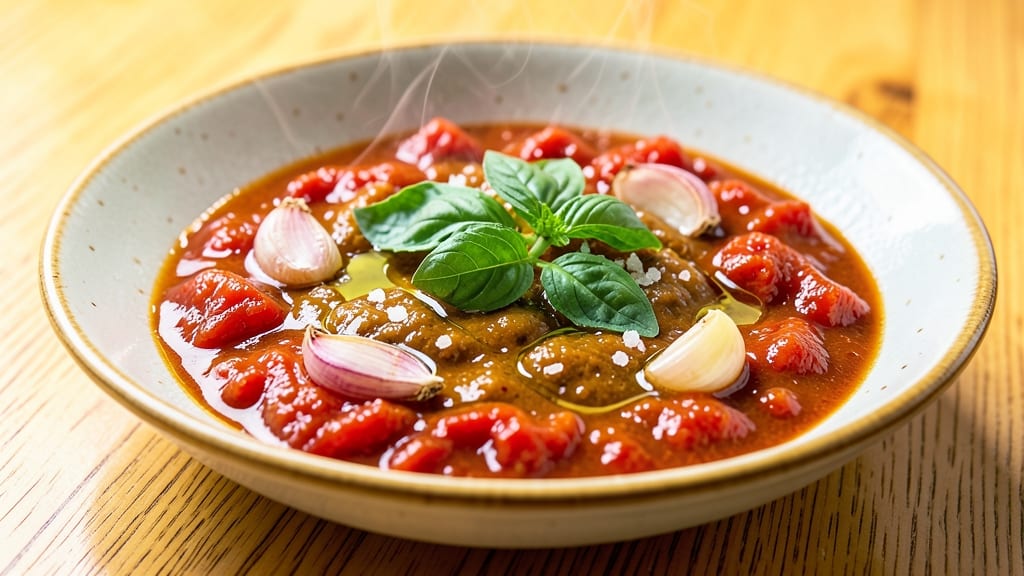
This vodka sauce recipe with fresh tomatoes transforms ordinary pasta night into a restaurant-worthy experience. The secret lies in balancing bright acidity from fresh tomatoes with the deep, mellow notes of vodka—no cooking required.
I developed this version after years of testing, ensuring every spoonful delivers that perfect harmony of tangy, savory, and slightly sweet flavors.
The process is simpler than it sounds: simmer fresh tomatoes with aromatics, add vodka to deglaze and infuse flavor, then blend until silky smooth. No heavy cream or butter here—just vibrant tomato essence with a sophisticated twist.
The vodka cooks off completely, leaving behind a subtle depth that elevates the sauce without overpowering the natural tomato flavor.
What you'll end up with is a sauce that clings beautifully to pasta, enhancing rather than overwhelming its texture. The bright acidity cuts through rich dishes like grilled meats or seafood, while the vodka's lingering warmth makes it versatile enough for weeknight dinners or special occasions.
This isn't just pasta sauce—it's a flavor foundation that transforms any meal.
Store it in the fridge for up to 5 days or freeze for months, making it perfect for meal prep. The sauce only gets better with time as flavors meld.
Whether you're tossing it with spaghetti or drizzling it over grilled shrimp, this vodka tomato sauce delivers restaurant-quality results at home.
Ingredients for vodka sauce recipe fresh tomatoes
Bright tomatoes, bold vodka, and aromatic herbs—this sauce needs just ten ingredients for restaurant-quality flavor.
| Ingredient | Amount | Notes |
|---|---|---|
| Fresh Tomatoes 🍅 | 2 ½ lb | Ripe, vine-ripened preferred |
| Vodka 🍾 | ½ cup | High-quality, 40% ABV |
| Garlic Cloves 🧄 | 6 cloves | Peeled, rough chopped |
| Shallots 🧅 | 2 whole | Minced or finely chopped |
| Extra-Virgin Olive Oil 🫒 | ¼ cup | For sautéing aromatics |
| Fresh Basil Leaves 🌿 | ½ cup | Packed, stems removed |
| Red Wine Vinegar 🍋 | 1 tbsp | For brightness |
| Sea Salt 🧂 | 1 tsp | Diamond Crystal preferred |
| Black Pepper 🌶️ | ½ tsp | Freshly ground |
| Sugar 🍚 | 1 tsp | Balances acidity |
The tomatoes are the heart of this sauce—vine-ripened ones from the farmers market have the best flavor, but grocery store heirloom varieties work too. I always grab a mix of red and yellow for extra depth. Vodka is non-negotiable here—a good 40% ABV like Grey Goose or Smirnoff ensures it cooks off cleanly without leaving harsh alcohol notes. Shallots add a subtle sweetness that rounds out the acidity, and I never skip mincing them finely. For olive oil, any good extra-virgin will work, but avoid the cheap stuff that turns bitter when heated.
No fresh basil? Dried basil at one-third the amount works in a pinch, though fresh gives that bright, herbal punch. Short on tomatoes? Canned San Marzano tomatoes (drained well) can substitute, but you'll lose some of that fresh acidity. The vinegar is key for brightness—substitute lemon juice if needed, but the flavor will shift slightly. Want more depth? Add 1 tsp tomato paste to the aromatics before blending. And if you're worried about the vodka taste lingering, simmer the sauce uncovered for 5 minutes after blending to let the alcohol evaporate completely.
This sauce keeps beautifully—5 days in the fridge or 3 months frozen. I always make a double batch because it's perfect for meal prep. Store it in a glass jar with a tight lid, and the flavors actually improve over time as everything melds. For freezing, portion into ice cube trays first—just pop out what you need and toss it straight into your pasta. The texture stays silky smooth even after reheating, and the vodka's subtle warmth makes it perfect over grilled chicken or seafood too.
Why You'll Love This Recipe
- No Chopping Chaos: I swear by this sauce because it’s the one recipe where I can skip the knife work. Halve those tomatoes, toss them in, and let the vodka do the heavy lifting—no dicing, no peeling, just pure simplicity.
- Umami Bomb: That splash of vodka? It’s not about the alcohol—it’s about the depth. The garlic and shallots caramelize into something rich, while the tomatoes stay bright, giving you a sauce that’s both silky and bright, like a hug in a bowl.
- Pasta Party Starter: Between us, this sauce is my go-to for game nights, last-minute dinners, or when I’m too tired to plan. Slather it on pasta, toss it with grilled chicken, or even use it as a marinade—it’s the kind of sauce that makes me look like a pro without trying.
- Leftovers That Beg: Honestly, I make this on Sundays just so I can reheat it all week. The flavors only get better, and it freezes like a dream. Plus, it’s cheap—fresh tomatoes and a bottle of vodka stretch to feed a family, and you’ll still have sauce left for next month.
Step-by-step instructions for vodka sauce with fresh tomatoes
Here's how to make a bright, tangy vodka sauce that transforms fresh tomatoes into a silky, flavor-packed pasta companion.
Prep and Sauté Aromatics
Heat the 0.25 cup extra-virgin olive oil in a large saucepan over medium heat. Add the 2 whole minced shallots and 6 cloves rough chopped garlic cloves, stirring constantly for 2-3 minutes until the shallots soften and the garlic becomes fragrant—not browned. This step builds the aromatic foundation that will carry through the entire sauce.
Watch closely as the garlic cooks—it can go from perfect to bitter in seconds. If you notice any golden flecks forming, immediately remove the pan from heat and let it cool for 30 seconds before continuing. The goal is to infuse flavor without adding bitterness. Here's the thing—properly sautéed aromatics make all the difference in a bright, balanced sauce.
Cook the Tomatoes Until Broken Down
Add the 2.5 lb fresh tomatoes, cutting them into rough chunks as you go. Stir everything together and let it cook uncovered over medium heat for 10-12 minutes. You'll see the tomatoes start to break down and release their juices, creating a thick, chunky mixture. This is where the magic happens—the tomatoes soften while retaining their natural sweetness.
Occasionally scrape the bottom of the pan with a wooden spoon to prevent sticking. You're looking for a sauce that's thickened but still has some texture—it should resemble a chunky salsa rather than a smooth puree. If the sauce starts to stick or burn, reduce the heat slightly and add 1-2 tablespoons of water to help it along. Patience here ensures you won't end up with a mushy, flavorless sauce.
Deglaze with Vodka and Simmer
Pour in the 0.5 cup vodka and stir well, allowing it to cook off completely. You'll notice the alcohol burn off within 2-3 minutes, leaving behind a rich, concentrated flavor. This step is crucial—it removes the harshness of the vodka while deepening the sauce's complexity. The vodka also helps break down any remaining tomato skins and seeds, creating a smoother texture.
Once the vodka has evaporated, add the 1 tbsp red wine vinegar, 1 tsp sugar, 1 tsp sea salt, and 0.5 tsp black pepper. Stir everything together and let the sauce simmer uncovered over medium-low heat for 15-20 minutes. You're aiming for a sauce that coats the back of a spoon but still has a slight cling to it. If it thickens too much, add 1-2 tablespoons of water to reach your desired consistency.
Finish with Fresh Basil and Rest
Remove the sauce from heat and stir in the 0.5 cup fresh basil leaves, stems removed. Let the sauce sit off the heat for 5 minutes—this allows the basil to infuse its bright, herbal notes without turning bitter. The sauce will continue to thicken slightly as it rests, so don't worry if it looks a bit loose right now. Taste and adjust the seasoning if needed, adding a pinch more salt or sugar to balance the acidity.
For the best results, let the sauce rest for an additional 10-15 minutes before serving. This resting period allows all the flavors to meld together, creating a cohesive, well-rounded sauce. The longer it sits, the more the acidity mellows and the flavors deepen. Serve over your favorite pasta and enjoy the bright, tangy zing that makes this sauce so special.
Pro Tips For Making Vodka Sauce Recipe Fresh Tomatoes
- DEGLAZE WITH PATIENCE: After pouring in the vodka, let it bubble away for a full 2 minutes—yes, even after it smells cooked. The alcohol needs time to fully evaporate, or you’ll end up with a sauce that tastes like you just swigged straight from the bottle. I used to rush this, and the sauce always had that sharp, unfinished edge.
- SWEAT SHALLOTS LOW: Cook the shallots in olive oil over medium-low heat until they’re golden and just starting to caramelize—about 8-10 minutes. Too high, and they’ll burn before the vodka even hits the pan. Too low, and you’ll be waiting forever. Aim for the sweet spot where they’re soft but still hold their shape.
- SKIP THE RAW GARLIC: Mince the garlic after deglazing, not before. Tossing it in raw means it’ll burn the second the vodka hits, leaving you with bitter, acrid bits. Add it with the tomatoes when the alcohol’s gone—it’ll cook gently and infuse flavor without turning the sauce into a flavor bomb.
- COVER TOMATOES WHILE SIMMERING: Once the tomatoes hit the pan, pop a lid on it for the first 10 minutes. This traps steam and breaks down the flesh faster, giving you a smoother sauce without scorching. Just don’t walk away—stir occasionally to keep it from sticking. (I learned this after one particularly lumpy batch.)
Storing and reheating this recipe
Fridge Storage Tips
Store your vodka sauce in an airtight glass jar—I swear by Ball mason jars—with a tight-fitting lid. Keep it refrigerated at 40°F or below for up to 5 days, but honestly? The flavors only get better after 24 hours as everything melds together.
The vodka's subtle warmth lingers beautifully in the fridge, making it perfect for quick weeknight meals. Just give it a good stir before using, as the basil might settle at the bottom. 🥫
Pro tip: If you notice the sauce thicken too much in the fridge, simply add 1-2 tablespoons of warm water when reheating. The sauce should be silky but still cling to pasta—not gluey.
I always make a double batch because it disappears faster than you'd think, especially when paired with grilled chicken or shrimp.
Freezer-Friendly Techniques
For long-term storage, portion the sauce into ice cube trays—this makes it super easy to grab just what you need. Once frozen solid, transfer the cubes to a freezer bag with all the air squeezed out.
Label with the date, and it'll keep for up to 3 months without losing its vibrant flavor. The texture remains smooth after thawing, though it might separate slightly—just stir vigorously before using. 🧊
When you're ready to use frozen sauce, thaw it in the fridge overnight for the best results. If you're in a hurry, microwave it on 50% power for 1-2 minutes, stirring halfway. Never microwave frozen sauce straight from the freezer—it'll turn rubbery.
For pasta nights, I often toss in a few frozen cubes directly into the pot while boiling the water; they thaw and melt right into the sauce.
Reheating for Peak Flavor
My favorite way to reheat this sauce is on the stovetop over medium-low heat. Pour it into a saucepan and add 1-2 tablespoons of water to prevent sticking. Stir constantly for 5-7 minutes until it reaches 165°F—this ensures any bacteria are killed while preserving that bright, tangy zing.
The vodka's aroma comes back to life when reheated, making it feel like you're eating fresh every time. 🔥
If you're reheating for a dish like grilled salmon or chicken, add the sauce in the last 2 minutes of cooking to keep its vibrant color and acidity. The sauce's natural acidity helps tenderize proteins, so it's perfect for finishing dishes.
Avoid boiling the sauce—it can break down the basil and make the texture watery. Instead, think "gentle warmth" to wake up all those flavors.
Reviving Stale Sauce
If your vodka sauce has lost some of its brightness after a few days, don't toss it! Stir in 1 teaspoon of fresh lemon juice or red wine vinegar to revive the acidity. A pinch of sugar (about ½ teaspoon) can also help balance any flatness.
The sauce's depth comes from the vodka and aromatics, so these simple tweaks bring back that restaurant-quality zing. Trust me, I've saved many a forgotten jar this way. ✨
For extra richness, add a drizzle of extra-virgin olive oil (about 1 tablespoon) when reheating. This not only restores body but also enhances the sauce's silky texture.
If the sauce seems too thick after reheating, thin it with a splash of warm pasta water—it's the secret to a perfect consistency every time. The key is to treat your sauce like a living ingredient, not just something to reheat and forget.
Nutrition facts
Frequently asked questions
Can I use canned tomatoes instead of fresh?
You can substitute canned San Marzano tomatoes (drained well) for fresh, but the sauce will lose some bright acidity. For best results, use 2 (28 oz) cans instead of 2.5 lb fresh tomatoes and add an extra 1 tbsp red wine vinegar to compensate. The texture will be slightly smoother but still delicious.
Why does the vodka smell disappear after cooking?
The vodka's alcohol burns off completely during the 2-3 minute simmering process, leaving behind only its subtle, mellow flavor notes. This is why you can't taste the alcohol in the finished sauce—it's all about the concentrated flavor compounds left behind, not the boozy kick.
What's the best pasta to pair with this sauce?
This bright, tangy sauce works beautifully with spaghetti or linguine for classic pasta dishes, but also pairs well with fettuccine or pappardelle for heartier meals. For extra texture, try tossing with chickpea pasta or whole wheat penne. The sauce's acidity cuts through rich proteins like grilled chicken or shrimp too.
Can I make this sauce without vodka?
Yes! Replace the vodka with ½ cup white wine or ½ cup chicken broth for a similar depth of flavor. The alcohol isn't essential—it's about the deglazing technique that creates the sauce's rich texture. Just simmer the substitute liquid until reduced by half before adding the other ingredients.
How do I fix a sauce that's too acidic?
Balance excess acidity by stirring in ½ teaspoon sugar or 1 tablespoon tomato paste while warm. Let it simmer for 1-2 minutes to meld the flavors. If needed, add a pinch of salt to enhance the tomato's natural sweetness. The goal is harmony—not eliminating the tang completely.