
Main Courses
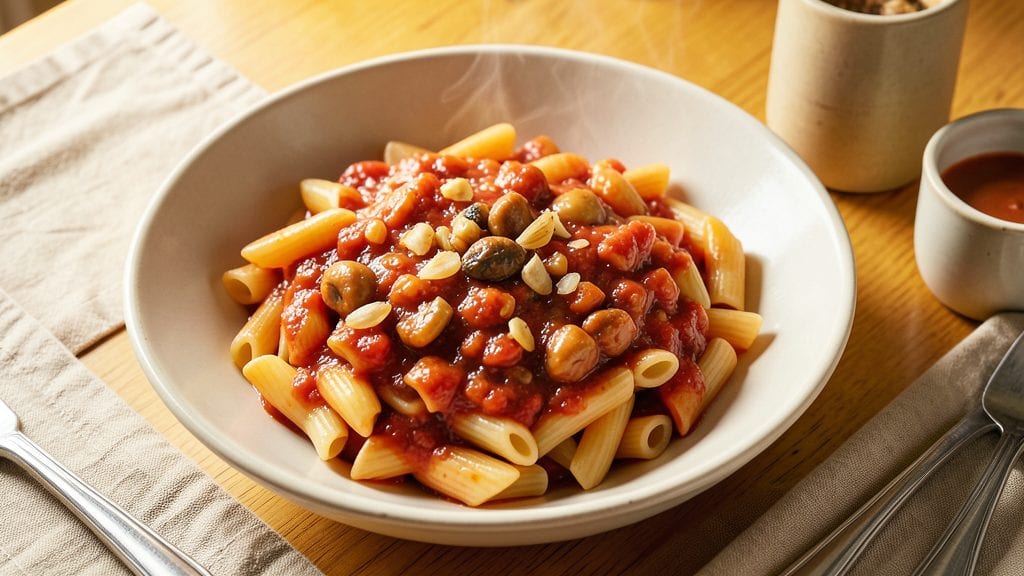
Unlock a canned sardines in tomato sauce pasta recipe that turns simple pantry staples into a rich, umami-packed dish with just a few effortless steps.
This one-pot recipe combines rich tomato sauce with briny sardines for a dish that's equally satisfying as it is simple to prepare—perfect for pescatarians or anyone craving a quick, protein-rich meal.
The secret lies in balancing the acidity of the tomatoes with the deep, savory notes of the sardines, creating a sauce that clings to every strand of al dente pasta.
What makes this recipe stand out is its foolproof one-pot technique, where everything comes together in a single pot without sacrificing depth of flavor.
You’ll start with aromatic garlic and onions, then build the sauce layer by layer, incorporating canned tomatoes and sardines to create a harmonious blend of textures and tastes.
The result is a dish that’s hearty enough for a weeknight dinner but elegant enough for a special occasion, all while keeping prep time under 30 minutes.
The finished pasta delivers a perfect balance of tender, chewy strands coated in a velvety sauce that’s rich with tomato depth and briny sardine richness. Each bite is packed with protein, fiber, and umami, making it a meal that’s as nutritious as it is delicious.
Garnish with fresh parsley or a sprinkle of chili flakes to add brightness and a touch of heat, if desired.
This recipe is versatile enough to adapt to your preferences—swap in different herbs, add a splash of white wine, or stir in some cooked vegetables for extra texture.
Whether you're feeding a family or treating yourself to a solo meal, this dish proves that canned sardines can be the star of the show. Let’s get cooking!
Ingredients for canned sardines in tomato sauce pasta
Pantry staples meet Mediterranean magic in this umami-rich, one-pot sardine pasta.
| Ingredient | Amount | Notes |
|---|---|---|
| Ditalini Pasta 🍝 | 12 oz | Al dente preferred, dry |
| Canned Sardines in Tomato Sauce 🐟 | 2 cans | High-quality, no added salt |
| Canned San Marzano Tomatoes 🍅 | 1 can | Crushed, 28 oz |
| Garlic Cloves 🧄 | 4 cloves | Freshly minced, aromatic |
| Yellow Onion 🧅 | 1 whole | Diced, medium size |
| Extra-Virgin Olive Oil 🫒 | ½ cup | High quality, fruity |
| Dried Oregano 🌿 | 1 tsp | Mediterranean preferred |
| Red Pepper Flakes 🌶️ | ½ tsp | Adjust for heat |
| Fresh Parsley 🌿 | ¼ cup | Chopped, for garnish |
| Sea Salt 🧂 | 1 tsp | Kosher or fine grain |
| Black Pepper 🌶️ | ½ tsp | Freshly ground |
| Dry White Wine 🍷 | ¼ cup | Optional, for deglazing |
| Vegetable Broth 💧 | 1 cup | Low-sodium preferred |
The sardines are the star, so pick the best quality you can find—avoid those with added salt or preservatives. Canned sardines in tomato sauce from Italian brands like Riso or Stella work best, as they’re packed with flavor. For tomatoes, San Marzano is ideal, but any canned crushed tomatoes will do. Garlic and onions form the aromatic base, so don’t skimp on freshness—yellow onions add sweetness, while garlic should be minced just before cooking to preserve its punch. The olive oil matters too; extra-virgin adds fruity depth that cheaper oils can’t match.
No San Marzano tomatoes? Any crushed tomatoes work, but avoid sauces with added sugar. Short on white wine? Vegetable broth or even water keeps the dish flavorful—just add an extra pinch of salt. Prefer less heat? Skip the red pepper flakes or use half the amount. The dried oregano can be swapped for fresh basil or thyme if you have it on hand. For extra richness, stir in a spoonful of pesto or anchovy paste at the end. And if you’re feeling adventurous, toss in spinach or cherry tomatoes for texture.
This pasta reheats beautifully—just add a splash of water or broth to loosen the sauce. Stores for 3-4 days in the fridge, or freeze for up to 3 months by portioning into airtight containers. Garnish with fresh parsley just before serving to keep it vibrant. The sauce thickens as it cools, so a splash of water or broth when reheating ensures the perfect consistency.
Why You'll Love This Recipe
- Five-Ingredient Magic: The pantry already has these—no last-minute grocery runs. Ditalini, canned sardines in tomato sauce, San Marzano tomatoes, garlic, and onion? That’s it. I swear, I’ve made this while still in my pajamas.
- Umami Bomb: Those sardines in tomato sauce? They’re basically a flavor shortcut. The briny, rich fish melts into the sauce with the sweetness of San Marzano tomatoes, and the garlic? Oh, it sings. My picky-eater husband actually licked his plate clean.
- Lunchbox Hero: Between us—this is my go-to for meal prep. Toss it with a little olive oil after cooking, pack it in a jar, and it stays fresh for days. Honestly, I’ve brought it to potlucks, office lunches, and even my kid’s soccer practice without a single complaint.
- Budget Win: A single can of sardines stretches into two meals, and San Marzano tomatoes last forever. I’ve fed four people for under $10 with this—no fancy labels, just pure, satisfying pasta. And leftovers? Even better the next day.
Step-by-step instructions for canned sardines in tomato sauce pasta
This one-pot method delivers bold Mediterranean flavors with minimal effort.
Sauté Aromatics in Olive Oil
Heat the 0.5 cup extra-virgin olive oil in a large deep skillet over medium heat. Add the 1 whole yellow onion, diced into small pieces, and cook for 5-6 minutes until softened and translucent. The onion should release its natural sweetness without browning.
Add the 4 cloves garlic cloves, freshly minced, and cook for an additional 30 seconds until fragrant. Here's where the foundation of flavor begins—don't rush this step. The garlic should sizzle gently without burning. If it starts to darken too quickly, reduce the heat slightly and stir more frequently.
Build the Tomato Base
Pour in the 1 can canned San Marzano tomatoes (crushed) and stir to combine with the aromatics. Add the 1 tsp dried oregano, 0.5 tsp red pepper flakes, 1 tsp sea salt, and 0.5 tsp black pepper. Bring the mixture to a gentle simmer over medium-low heat, then reduce heat to maintain a steady simmer for 10 minutes.
This simmering time allows the flavors to meld together. You'll notice the sauce thicken slightly and develop a deeper, more complex aroma. If the sauce becomes too thick before the 10 minutes are up, add 2-3 tablespoons of vegetable broth to maintain proper consistency. The sauce should coat the back of a spoon but still be saucy enough to cling to pasta.
Incorporate Sardines and Wine
Carefully open the 2 cans canned sardines in tomato sauce, draining most of the oil but reserving about 1-2 tablespoons from each can. Add the sardines and their reserved oil to the skillet, breaking them up with a wooden spoon. Stir in the 0.25 cup dry white wine and scrape up any browned bits from the bottom of the pan.
The wine will deglaze the pan, capturing all those flavorful bits that would otherwise go to waste. Let the mixture simmer for an additional 5 minutes to allow the wine to cook off and the sardines to fully integrate with the sauce. You'll see the sauce darken slightly and develop a richer, more complex flavor profile. This is where the umami depth comes from—the sardines infusing their briny, fishy essence into the tomato base.
Cook the Pasta
Add the 12 oz ditalini pasta to the skillet, stirring gently to coat each piece with the sardine-tomato sauce. Pour in the 1 cup vegetable broth and bring the mixture to a gentle boil. Once boiling, reduce heat to medium-low and cover the skillet with a tight-fitting lid.
Cook the pasta for 12-15 minutes, stirring occasionally, until al dente. The pasta should be tender but still have a slight bite. Here's the beauty of this one-pot method—the pasta cooks in its own sauce, absorbing all those incredible flavors. If the sauce looks too thick as it cooks, add a splash of water or more broth to maintain proper consistency. The pasta is done when it floats to the surface and the sauce has reduced slightly, coating each noodle perfectly.
Finish and Serve
Remove the skillet from heat and stir in the 0.25 cup fresh parsley, chopped. Let the pasta sit covered for 2-3 minutes to allow the flavors to meld together one last time. This resting period ensures the sauce clings to each noodle and the parsley distributes evenly throughout.
Serve the pasta immediately, garnished with additional parsley if desired. Each bite should deliver a perfect balance of umami from the sardines, sweetness from the tomatoes, and a touch of heat from the red pepper flakes. The one-pot method keeps everything cohesive, with no separate components to assemble. This dish is perfect for a quick weeknight dinner that still feels special and restaurant-quality.
Pro Tips For Making Canned Sardines In Tomato Sauce Pasta
- CRACK THE SARDINE CANS FIRST: Open those sardine cans before you start cooking—no one wants to wait for a cold, soggy pasta while the sauce heats up. Drain them over a bowl (save that oil!) and let the fish warm through in the saucepan while you sauté the onions. Trust me, you’ll save 10 minutes of fumbling later.
- SAUTÉ ONIONS LOW AND SLOW: After mincing that onion, cook it on medium-low heat for 8–10 minutes until it’s translucent but not browned. Rushing this step turns your sauce bitter—like someone who skips the small talk before the main event. A splash of water after 5 minutes helps dissolve any stuck-on bits.
- DON’T DUMP COLD PASTA IN: Resist the urge to toss in al dente ditalini straight from the ice bath—it’ll drop the sauce’s temperature and dilute the flavor. Instead, drain the pasta, give it a quick shake in the colander to evaporate surface water, then add it to the simmering sauce. The heat will revive it in seconds without wrecking the balance.
- UPGRADE WITH A SQUIRT OF LEMON: The canned sardines are rich, and the San Marzano tomatoes are sweet—cut through that with a tablespoon of fresh lemon juice at the end. It brightens the whole dish, like a wake-up call for your taste buds. (Yes, even if you’re skeptical—it works.)
Wine and beer pairings for this canned sardines in tomato sauce pasta
White Wine Pairings
A crisp, dry Italian white wine like Vermentino or Pinot Grigio complements the briny depth of the sardines while cutting through the richness of the tomato sauce. I reach for a Vermentino from Sardinia—its citrusy notes and mineral finish mirror the acidity in the dish.
For something lighter, a Soave Classico offers floral undertones that harmonize beautifully with the parsley and garlic. 🍷
Red Wine Options
If you prefer red, a light-bodied Chianti or Valpolicella works surprisingly well. The acidity in these wines balances the umami, while their earthy notes enhance the tomato base. I’ve found that a Chianti Classico with its bright cherry flavors stands up to the sardines’ intensity without overpowering the dish.
Avoid heavy tannins—stick to wines with 12-13% ABV for the best match.
Beer Pairings
A crisp lager like Peroni or Moretti cleanses the palate between bites, with its effervescence refreshing against the dish’s richness. For a craft option, a Belgian witbier (like Hoegaarden) adds a peppery, citrusy contrast that brightens the sardines’ brininess.
Avoid heavy stouts or IPAs—they’ll clash with the delicate tomato sauce. 🍺
Non-Alcoholic Choices
For a non-alcoholic pairing, try a sparkling blood orange soda like San Pellegrino Aranciata Rossa—its citrus notes echo the tomatoes, while the bubbles mimic wine’s cleansing effect.
A ginger beer with a squeeze of lemon also works, balancing the dish’s saltiness with zesty brightness. Serve chilled for the best experience.
After-Dinner Digestif
Finish with a small glass of Limoncello or Amaretto to enhance the dish’s Mediterranean flavors. The sweet, citrusy notes of Limoncello complement the parsley and red pepper flakes, while Amaretto’s almond richness pairs beautifully with the sardines. Just 1-2 ounces is enough to elevate the meal without overwhelming it. 💛
Nutrition facts
Frequently asked questions
Can I use fresh sardines instead of canned?
Fresh sardines work but require more prep. You'll need to clean, gut, and fillet them first, then either pan-sear or bake with olive oil and lemon before adding to the sauce. For this recipe, canned sardines are far more convenient—they're pre-cooked, ready to use, and packed with concentrated flavor. If you have fresh, consider using them in a different dish where you can appreciate their delicate texture.
How do I adjust this recipe for spicier heat?
Start by doubling the red pepper flakes to 1 tsp and add 1-2 sliced fresh chili peppers (like jalapeño or serrano) when sautéing the aromatics. For extra kick, stir in 1 tsp hot sauce or ½ tsp cayenne pepper at the end. If you love heat, you can also add a pinch of crushed red pepper flakes to each serving before plating.
What pasta shapes work best with this sauce?
This rich sauce clings beautifully to short, tubular pastas like ditalini, penne, or rigatoni. For a different texture, try farfalle or fusilli. Avoid long, thin noodles like spaghetti—they can get lost in the sauce. If you prefer al dente, reduce cooking time by 1 minute for most shapes.
Can I make this vegetarian?
Yes! Replace the sardines with 1 can (15 oz) white beans (like cannellini) or 2 cups cooked lentils for protein. For extra umami, add 1 tbsp soy sauce or ½ tsp smoked paprika to the sauce. The dish will still be hearty and flavorful, just without the briny fish notes.
Why does my sauce taste too salty?
Canned sardines and tomatoes often contain added salt. To balance it, add 1 extra cup of vegetable broth when cooking the pasta and reduce the sea salt to ½ tsp. If the sauce is still too salty, stir in 1 tbsp lemon juice or ½ cup heavy cream to dilute the saltiness while adding richness.