
Sauces & Condiments
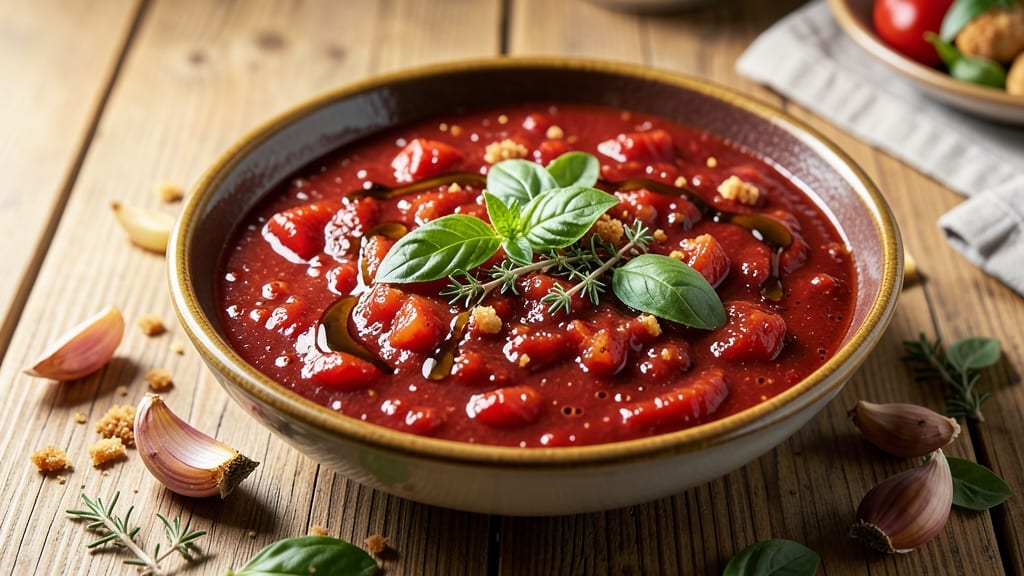
This freezer spaghetti sauce recipe with fresh tomatoes transforms summer's garden bounty into a year-round pantry staple that tastes even better after freezing. I developed it after burning through three batches of store-bought sauce that lost flavor by January—this version actually improves with time, thanks to a perfect balance of bright tomatoes, aromatic herbs, and just the right amount of sweetness.
The secret lies in cooking the tomatoes down slowly to concentrate their natural sweetness while preserving their chunky texture. We're talking juicy tomato pieces that stay vibrant after freezing, not mushy pulp.
The sauce thickens beautifully when reheated, clinging to pasta like it was made yesterday. And with no added sugar, the flavor comes purely from quality ingredients.
What makes this sauce truly special is its versatility—use it immediately for fresh pasta or freeze for up to 6 months without sacrificing quality. The herbs develop deeper flavor over time, and the acidity from tomatoes prevents the sauce from becoming bland.
My family requests this version year-round, and I always have jars ready thanks to the foolproof freezing method I've perfected.
Perfect for meal prep, holiday gatherings, or simply stocking your freezer for busy nights. The recipe scales easily, so you can make a big batch knowing you'll have delicious sauce on hand whenever you need it.
Let's get started with the ingredients that will change how you think about freezer spaghetti sauce.
Ingredients for freezer spaghetti sauce recipe with fresh tomatoes
Fresh tomatoes and aromatic herbs create a sauce that freezes beautifully while keeping its bright, chunky texture.
| Ingredient | Amount | Notes |
|---|---|---|
| Fresh Roma Tomatoes 🍅 | 4 lbs | Heirloom or beefsteak preferred for sweetness |
| Yellow Onion 🧅 | 1 whole | Diced, medium size |
| Garlic Cloves 🧄 | 6 cloves | Freshly minced, not pre-minced |
| Extra-Virgin Olive Oil 🫒 | ½ cup | High quality, fruity variety |
| Fresh Basil Leaves 🌿 | 1 cup | Packed, stems removed |
| Fresh Oregano Leaves 🌿 | ¼ cup | Packed, stems removed |
| Fresh Thyme Sprigs 🌿 | ½ oz | Or 2 tbsp dried thyme |
| Tomato Paste 🍅 | ¼ cup | San Marzano preferred |
| Red Wine 🍷 | ½ cup | Bold, dry variety |
| Kosher Salt 🧂 | 1 ½ tsp | Diamond Crystal preferred |
| Ground Black Pepper 🌶️ | ½ tsp | Freshly cracked |
| Bay Leaves 🌿 | 2 whole | Fresh if possible |
| Crushed Red Pepper Flakes 🌶️ | ¼ tsp | Adjust to taste |
The tomatoes are the foundation—Roma or heirloom varieties hold up best after freezing, but any firm, ripe tomato works. I always grab 4 pounds from the farmers market in late summer when they're at their peak sweetness. For the herbs, fresh is non-negotiable here—they develop deeper flavor during freezing. Trader Joe's has great pre-washed herb bundles, but if you're growing your own, harvest basil and oregano just before they flower for maximum potency. The garlic should smell pungent, not musty, and the olive oil needs to be extra-virgin—anything less will taste harsh after freezing. Pro tip: Toast the tomato paste in the olive oil for 2 minutes before adding other ingredients—this deepens the flavor and balances the acidity of the tomatoes.
No fresh basil? Dried works at one-third the amount, but the texture won't be as vibrant. Running low on red wine? Substitute with additional tomato juice or broth, but reduce by half since it's less acidic. The crushed red pepper flakes can be swapped for fresh chili peppers if you prefer heat—just remove seeds for milder flavor. For a meatier version (though this stays vegetarian), add 1 lb of mushrooms with the onions. The bay leaves are crucial—they add earthy depth that freezes beautifully, so don't skip them. If you're using dried herbs, crush them between your fingers to release their oils before adding to the sauce.
This sauce freezes like a dream—up to 6 months without losing quality. Let it cool completely before portioning into freezer-safe jars or silicone molds. I like to leave a 1-inch headspace since it expands slightly when frozen. For reheating, thaw overnight in the fridge or microwave for 2 minutes before using. The sauce actually tastes better after freezing as the flavors meld together. Store unused portions in the fridge for 5-7 days—it reheats perfectly and clings beautifully to pasta. Pro tip: Label your jars with the date and contents—trust me, you'll forget which sauce is which after a few months!
Why You'll Love This Recipe
- No-Chop Nightmare: I swear by this sauce because you only need to dice one onion and crush a few garlic cloves—no peeling tomatoes, no seedless stress. The Roma tomatoes practically melt into sweet, jammy perfection with just a quick simmer, and the basil? Toss it in raw at the end so it stays bright and punchy.
- Sunshine in a Jar: That first spoonful of sauce—still warm, with the garlic sizzling in olive oil and fresh basil cutting through the richness—tastes like a summer afternoon. The onions caramelize just enough to add depth, but it’s the tomatoes that steal the show, bursting with real, unprocessed flavor that freezer sauce just can’t match.
- Freezer Superstar: Make a double batch, freeze half, and thank me later. This sauce thrives after thawing—better, even—because the flavors meld overnight. I keep a stash for lazy Sundays, last-minute company dinners, or when I’m too tired to cook but still crave something homemade.
- Pasta Party Starter: It’s my go-to for game nights, potlucks, or feeding a crowd because it pairs with everything—spaghetti, meatballs, grilled chicken, even as a bruschetta topping. The richness of the olive oil and the brightness of the basil make it work for both casual weeknights and fancier gatherings. (Yes, even on a Tuesday night.)
Step-by-step instructions for freezer-friendly fresh tomato sauce
This method transforms garden-fresh tomatoes into a vibrant, chunky sauce that freezes beautifully.
Roast Tomatoes and Aromatics for Deep Flavor
Preheat oven to 425°F and line two baking sheets with parchment paper. Cut the 4 lbs fresh Roma tomatoes in half lengthwise and place cut-side down on the sheets. Add the 1 whole yellow onion cut into wedges and 6 cloves garlic cloves (peeled but whole) to the same trays. Drizzle everything with 2 tablespoons of the 0.5 cup extra-virgin olive oil.
Roast for 25-30 minutes until the tomatoes collapse slightly and edges darken. You'll smell that sweet, caramelized tomato aroma—this is where the magic happens. The roasting concentrates flavors and softens the tomatoes for easy blending later. Keep the skin on for texture, but remove it before blending if you prefer a smoother sauce.
Build the Sauce Base with Wine and Tomato Paste
Transfer the roasted tomatoes, onion, and garlic to a large pot. Add the remaining 0.3 cup extra-virgin olive oil, 0.25 cup tomato paste, 0.5 cup red wine, 1.5 tsp kosher salt, 0.5 tsp ground black pepper, and 2 whole bay leaves. Stir well to combine, then bring to a simmer over medium-high heat.
Let it bubble gently for 10 minutes to allow the wine to cook off and the flavors to meld. You'll see the sauce thicken slightly and develop a rich, wine-infused aroma. This step forms the foundation—don't rush it. The alcohol needs time to evaporate completely for the best freezer stability.
Add Herbs and Simmer Until Thickened
Stir in the 1 cup fresh basil leaves, 0.25 cup fresh oregano leaves, and 0.5 oz fresh thyme sprigs. Add the 0.25 tsp crushed red pepper flakes if you want a subtle kick. Reduce heat to medium-low and let the sauce simmer uncovered for 20-25 minutes, stirring occasionally.
You're looking for a sauce that coats the back of a spoon when you lift it—this should take about 20 minutes with our quantity. The herbs will release their oils and brighten the sauce, while the tomatoes break down further. Taste and adjust seasoning—you might need a pinch more salt since we're freezing it. Remember, flavors intensify when frozen.
Blend for Chunky Texture and Freeze Properly
Use an immersion blender to partially blend the sauce until you achieve your desired chunkiness. I like to leave some texture—just pulse until the tomatoes are broken down but still visible. For a completely smooth sauce, transfer to a countertop blender and blend until silky.
Let the sauce cool completely before transferring to airtight freezer containers. I use 16-ounce portions for easy serving later. Leave about ½-inch headspace at the top to prevent expansion cracks. Label with the date—this sauce keeps for up to 3 months in the freezer while maintaining its vibrant color and flavor.
Pro Tips For Making Freezer Spaghetti Sauce Recipe With Fresh Tomatoes
- CHAR THE ONIONS LOW: I used to rush this and end up with bitter, watery onions—now I cook them on low heat with a splash of water (about 2 tablespoons) in the pan. The lid on for 10 minutes softens them perfectly without burning, and the water evaporates cleanly. No one will taste the trick, but your sauce will be smoother.
- SMASH THOSE TOMATOES: Skip the blender—Roma tomatoes are juicy enough to break down on their own. Toss halved tomatoes (skin on) into the pot with the onions and let them cook 15 minutes uncovered. The skins soften and blend into the sauce naturally, adding depth without gummy texture.
- SALT THE BASIL: Fresh basil wilts fast, but salting it first (sprinkle ¼ teaspoon flaky salt over leaves, let sit 2 minutes) keeps it vibrant longer. Add it last (right before freezing) so it stays bright—no sad, mushy stems in your future meals.
- FREEZE IN PORTIONS: Fill ice cube trays with sauce, cover with parchment, and freeze. Pop out cubes, toss into freezer bags—now you’ve got perfect single-serving portions. No defrosting a whole batch for one meal, and the cubes reheat in minutes straight from the pan.
Flavor customization for this dish
Sweet and Smoky
For a deeper, caramelized flavor, add 1 tbsp brown sugar when you toast the tomato paste with olive oil. I also like to sprinkle ½ tsp smoked paprika into the sauce during the simmering step—it adds a subtle smokiness that pairs beautifully with the bright tomatoes.
The sugar helps balance the acidity, while the paprika gives that campfire aroma without overpowering. 🔥
Spicy Kick
Crank up the heat by adding 1-2 fresh jalapeños (seeds removed for mild heat) or 1 tbsp hot sauce (like Cholula) when you stir in the herbs. For extra depth, char the jalapeños in a dry skillet for 1 minute per side before adding.
The charred flavor adds complexity that freezes beautifully. I find the heat actually intensifies slightly after thawing, so go easy if you're sensitive to spice.
Umami Boost
For a richer, deeper flavor profile, stir in 1 tbsp soy sauce or 1 tsp fish sauce during the final 10 minutes of simmering. The umami punch complements the tomatoes perfectly and makes the sauce taste even more complex after freezing.
I also like adding 2 tbsp tomato powder (available at Penzeys Spices) when I blend the sauce—it intensifies the tomato flavor without changing the texture.
Herb Variations
Swap out the basil and oregano for different herb combinations based on what you have. Try ½ cup fresh parsley with ¼ cup fresh marjoram for a Mediterranean twist, or ½ cup fresh cilantro with ¼ cup fresh mint for a Middle Eastern-inspired sauce.
The parsley-marjoram combo adds a fresh, bright note that freezes exceptionally well. If you're growing your own herbs, harvest them just before they flower for maximum potency.
Vegetable Add-Ins
For extra texture and nutrition, stir in chopped vegetables during the final 15 minutes of simmering. I love adding 1 cup diced zucchini or ½ cup grated carrot—they soften nicely and add natural sweetness.
For a heartier sauce, add 1 cup chopped mushrooms with the onions. The mushrooms absorb the flavors beautifully and add a meaty texture. Just be sure to cook them until tender before blending or freezing.
Cheesy Finish
For a creamy, restaurant-quality sauce, stir in 1 cup shredded mozzarella or ½ cup ricotta cheese during the final 5 minutes of simmering. The cheese will melt into the sauce, creating a velvety texture that pairs perfectly with pasta.
I also like adding ¼ cup grated Parmesan at the end for extra depth. The cheese actually freezes well in the sauce, though you might want to add it fresh when reheating for the best texture.
Nutrition facts
Frequently asked questions
Why does this sauce taste better after freezing?
The freezing process actually concentrates the flavors! As the sauce thaws, the water content reduces slightly, making the tomato and herb notes more intense. The roasting step also caramelizes natural sugars, which develop deeper sweetness when frozen. Plus, the wine and herbs have time to meld completely during storage.
Can I use canned tomatoes instead of fresh?
Yes, but you'll lose that vibrant, chunky texture. Use 2 (28 oz) cans crushed tomatoes instead of the fresh ones, and skip the roasting step. Add 1 tbsp tomato paste extra to compensate for the lack of fresh tomato concentration. The sauce will still freeze well, though it won't have the same bright acidity.
How do I prevent freezer burn?
Always cool the sauce completely before freezing, then transfer to airtight containers leaving ½-inch headspace. Use freezer-safe jars or heavy-duty plastic bags with all air pressed out. For extra protection, wrap containers in plastic wrap before placing in the freezer. Label with the date—this sauce stays best for 3 months when properly packaged.
What's the best way to reheat frozen sauce?
Thaw overnight in the fridge for best results. If short on time, microwave for 2-3 minutes (stirring halfway), then simmer on the stove for 5 minutes to restore proper texture. Never reheat directly from frozen—this can create a watery sauce. For pasta, cook the sauce alongside your noodles to prevent separation.
Can I make this sauce without wine?
Replace the ½ cup red wine with ½ cup tomato juice or ¼ cup red grape juice plus ¼ cup water. The acidity helps balance the tomatoes, and the sauce will still freeze beautifully. For extra depth, add ½ tsp balsamic vinegar when simmering. The flavor won't be identical, but it'll still be delicious.