
Sauces & Condiments
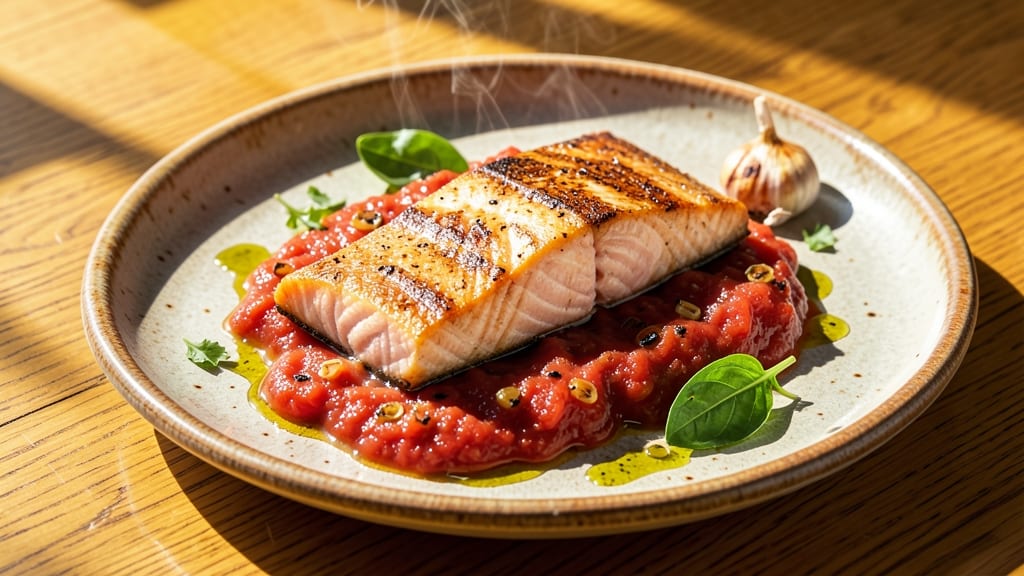
This tomato basil salmon sauce recipe transforms simple ingredients into a restaurant-quality dish that balances bright acidity with rich, flaky fish. The secret lies in a simmered tomato sauce—infused with garlic, basil, and a touch of lemon—that cuts through the salmon’s richness while enhancing its natural sweetness.
I developed this recipe after years of testing, and it consistently delivers tender, perfectly seasoned salmon with a sauce that clings beautifully to every bite.
The process is straightforward yet precise: you’ll start by building a vibrant tomato base from canned tomatoes, garlic, and herbs, then reduce it into a glossy, flavor-packed sauce. Meanwhile, the salmon cooks in just 12 minutes, ensuring it stays flaky and moist.
This method works equally well for pan-searing or baking, giving you flexibility depending on your preferred texture.
What you’ll end up with is a dish that’s elegant yet approachable—the salmon’s delicate flavor shines through the bright, aromatic sauce, while the basil adds freshness that keeps each bite lively.
The sauce’s natural acidity also prevents the fish from tasting dry, making this a foolproof technique for anyone looking to elevate their salmon game.
Serve it with a side of crisp roasted asparagus or warm crusty bread to soak up every last drop of that tangy, herby sauce. The combination is perfect for weeknight dinners or special occasions where you want something impressive but not overly complicated. Let’s get cooking!
Ingredients for tomato sauce for salmon
Bright tomatoes, fresh basil, and flaky salmon come together for a restaurant-worthy dish.
| Ingredient | Amount | Notes |
|---|---|---|
| Fresh Salmon Fillets 🐟 | 1 ½ lb | Skin-on, center-cut preferred |
| Canned San Marzano Tomatoes 🍅 | 28 oz | Crushed by hand or blended |
| Extra-Virgin Olive Oil 🫒 | ½ cup | High-quality, fruity variety |
| Garlic Cloves 🧄 | 4 cloves | Minced, fresh preferred |
| Fresh Basil Leaves 🌿 | ½ cup | Packed, stems removed |
| Shallots 🧅 | 2 whole | Minced, or sub 2 tbsp onion |
| Lemon Juice 🍋 | 2 tbsp | Freshly squeezed |
| Dry White Wine 🍷 | ½ cup | Sauvignon Blanc preferred |
| Unsalted Butter 🧈 | 2 tbsp | Cold, cubed for finishing |
| Diamond Crystal Kosher Salt 🧂 | 1 tsp | Plus more to taste |
| Freshly Ground Black Pepper 🌶️ | ½ tsp | Light hand preferred |
| Heavy Cream 🥛 | ¼ cup | For sauce richness |
| Capers 🍯 | 1 tbsp | Chopped, optional for briny kick |
The tomatoes are the foundation—San Marzano if you can find them, but any high-quality canned tomatoes work. Trader Joe's and Whole Foods carry great options, but don't overlook the store brand if it's labeled as crushed. Fresh basil is ideal, but dried works at one-third the amount if you're in a pinch. The salmon matters too—center-cut fillets stay together better during cooking, and skin-on helps crisp the edges. If you're using frozen salmon, thaw it in the fridge overnight for even cooking.
No white wine? Fish or vegetable stock with a splash of vinegar mimics the acidity perfectly. Shallots can be swapped for regular onions or extra garlic—just use the same amount. Heavy cream adds richness, but Greek yogurt thinned with milk works too. The capers are optional but worth it—they add a briny punch that cuts through the salmon's richness. If you skip them, add an extra pinch of salt. For the olive oil, avoid light or refined oils—you want something fruity and peppery to stand up to the tomatoes.
This sauce reheats beautifully—just warm it gently on the stove with a splash of water to loosen it. Store leftovers in the fridge for up to 5 days, covered with a thin layer of oil to preserve freshness. The salmon itself is best served immediately, but you can reheat it gently in the sauce for 1-2 minutes if needed. For meal prep, cook the sauce ahead and store it separately—just toss the salmon in at the end to keep it flaky. Freezes for 3 months if you want to make a big batch.
Why You'll Love This Recipe
- No-Fuss Pan Time: I swear by this recipe when I’m too tired to fuss—just sear the salmon, toss in crushed tomatoes, garlic, and a glug of olive oil, then let it simmer. Fifteen minutes later, dinner’s ready, and the pan’s barely dirty.
- Sunshine in a Jar: That sweet, meaty San Marzano tomato base with garlic and basil? It’s like summer in a sauce. The salmon soaks up the flavors so well, you’ll get that perfect balance of tangy, herby richness with every bite.
- Lunchbox Hero: Between us, this sauce is my secret weapon for meal prep. Pack the leftovers with crusty bread or over pasta—it’s just as good cold the next day. (Yes, even on a Tuesday lunch.)
- Budget Luxury: Fresh salmon feels fancy, but this recipe stretches it. A single fillet feels indulgent, but the sauce makes it feed two. And canned tomatoes? They’re the unsung MVP—cheap, reliable, and way better than jarred sauces you’ve tried.
Step-by-step instructions for tomato basil salmon sauce
Here's how to create a vibrant sauce that balances rich salmon with bright, tangy tomato notes.
Build the Flavor Base with Tomatoes and Aromatics
Heat the 0.5 cup extra-virgin olive oil in a large saucepan over medium heat. Add the 2 whole minced shallots and cook for 3-4 minutes until they become translucent and just begin to soften. This ensures they release their sweetness without burning.
Add the 4 minced garlic cloves and cook for 30 seconds until fragrant—don't let them brown, or they'll turn bitter. Pour in the 28 oz crushed canned San Marzano tomatoes and bring to a gentle simmer. Let it cook uncovered for 15 minutes, stirring occasionally, until the tomatoes break down and the mixture thickens slightly. The sauce should reduce enough to coat the back of a spoon.
Here's the thing—this slow reduction develops deep tomato flavor and removes excess acidity, which is crucial for balancing the salmon's richness. If the sauce looks too thick, add 2 tablespoons water to loosen it slightly.
Infuse with Wine, Lemon, and Herbs
Pour in the 0.5 cup dry white wine and scrape up any browned bits from the bottom of the pan. These flavorful bits, called fond, add depth to the sauce. Let the wine simmer for 3-4 minutes until it reduces by half and the alcohol cooks off.
Add the 2 tablespoons lemon juice and 0.5 cup packed fresh basil leaves (stems removed). Stir and simmer for 5 minutes until the basil wilts and the sauce becomes aromatic. The lemon brightens the tomatoes while the basil adds freshness—this is where the sauce's signature balance comes together.
Season with 1 teaspoon diamond crystal kosher salt and 0.5 teaspoon freshly ground black pepper. Taste and adjust—you want the sauce to be tangy but not overly acidic, and seasoned enough to complement the salmon without overpowering it.
Finish with Cream and Butter for Richness
Reduce the heat to low and stir in the 0.25 cup heavy cream. Let it warm through for 2-3 minutes, stirring constantly to prevent curdling. The cream adds a velvety texture that contrasts beautifully with the acidity of the tomatoes.
Remove the pan from heat and stir in the 2 tablespoons cold unsalted butter, cut into small cubes. The butter should melt into the sauce, creating a silky finish. Fold in the 1 tablespoon chopped capers for a briny kick that cuts through the richness. The capers are optional but add a sophisticated depth.
This is the moment that matters: the sauce should now be smooth, balanced, and ready to coat the salmon perfectly. If it's too thick, thin it with 1-2 tablespoons water or pasta water. If it's too thin, simmer uncovered for 1-2 minutes to reduce further.
Cook the Salmon to Flaky Perfection
While the sauce simmers, pat the 1.5 lb fresh salmon fillets dry with paper towels—this ensures a crispy skin. Season both sides generously with diamond crystal kosher salt and freshly ground black pepper. Heat a separate skillet over medium-high heat and add 1 tablespoon extra-virgin olive oil. Place the salmon skin-side down and cook for 4-5 minutes until the skin is crispy and golden brown.
Flip the salmon carefully and cook for 2-3 minutes more, until the center reaches 130°F on an instant-read thermometer. The salmon should be opaque and flake easily with a fork. Transfer it to a plate and tent loosely with foil to keep warm while you finish the sauce.
Real talk: don't overcook the salmon. It will continue cooking slightly from the residual heat, and overcooking turns it tough. The goal is flaky, not rubbery.
Combine Sauce and Salmon for Serving
Return the sauce to low heat and gently stir in the cooked salmon, spooning the sauce over the top. Let it warm through for 1-2 minutes, just enough to meld the flavors without breaking down the fish. The sauce should now cling to the salmon, creating a glossy, cohesive dish.
Serve immediately over 4 servings of pasta, with crusty bread on the side, or as a standalone dish with a simple arugula salad. The contrast of the flaky salmon, bright tomato sauce, and buttery richness makes every bite unforgettable.
Don't skip the resting step—let the salmon sit for 2-3 minutes before serving. This ensures the juices redistribute, keeping each piece moist and tender.
Pro Tips For Making Tomato Sauce For Salmon
- Sear the Salmon First: Hit the salmon skin-side down in a cold pan, then turn the heat to medium-high and let it sizzle until the skin crisps—about 3-4 minutes. I learned this the hard way: skipping the sear makes the sauce cling like glue instead of creating a textural contrast. The skin adds crunch, and the residual fat in the pan even deepens the tomato flavor.
- Crush Garlic Lightly: Use the flat side of your knife to smash 3-4 garlic cloves into a paste before cooking—no mincing needed. This prevents burning and lets the garlic infuse the olive oil slowly. After burning three batches of garlic into bitter sludge, I finally realized: crushed cloves caramelize better and don’t overpower the bright San Marzano acidity.
- Simmer Tomatoes Low and Long: Reduce the canned tomatoes to a thick, syrupy consistency over 15-20 minutes on the lowest heat possible—no rushing. The longer they cook, the more the natural sweetness concentrates and the sauce clings to the salmon instead of pooling. (Yes, even if you’re impatient like me, resist the urge to crank the heat.)
- Add Basil at the End: Tear fresh basil leaves and stir them in just before serving—never while simmering. The heat turns basil bitter faster than you’d think, and you want that bright, herbal pop to cut through the richness of the salmon. I was skeptical until I tried it: the difference is night and day.
Troubleshooting this recipe
Sauce Too Thin
If your tomato sauce ends up too thin, don’t panic—simmer it uncovered over medium-low heat for 5-7 minutes, stirring occasionally. The liquid will evaporate, concentrating the flavors.
For a quicker fix, mix 1 tablespoon cornstarch with 2 tablespoons cold water, stir into the sauce, and simmer for 2 minutes until thickened. Avoid high heat, which can make the sauce bitter. 🔥
Sauce Too Thick
Thick sauce? Thin it with 1-2 tablespoons water, broth, or pasta water while stirring constantly. For a richer fix, stir in 1 tablespoon heavy cream or a pat of cold butter to smooth it out.
If the sauce is too clumpy, strain it through a fine-mesh sieve for a silky texture. Always taste as you go—balance is key! 🥄
Salmon Overcooked
Overcooked salmon turns dry and rubbery. To prevent this, use an instant-read thermometer—pull the salmon at 130°F for medium doneness (it’ll rise to 145°F while resting).
If it’s already overdone, try reheating it gently in the sauce on low heat for 1-2 minutes—the acidity helps break down fibers slightly for a slightly better texture. 🐟
Sauce Too Acidic
Too much lemon or wine? Balance the acidity by adding 1 tablespoon sugar or 1 teaspoon honey to the sauce and simmering for 1 minute. A pinch of salt also helps round out flavors.
If the sauce tastes flat afterward, add a fresh basil leaf or a splash of white wine to brighten it back up. 🍋
Skin Not Crispy
For crispy salmon skin, ensure it’s completely dry before cooking—pat it with paper towels. Use medium-high heat and enough oil (about 1 tablespoon) to coat the pan.
If the skin isn’t crispy, try pressing down gently with a spatula for 30 seconds at the start. Avoid moving the salmon until the skin is golden! 🍳
Fond Not Scraped
Those browned bits (fond) at the bottom of the pan are flavor gold! Scrape them up with a wooden spoon when adding wine or broth—they add depth.
If you miss them, boost flavor by adding 1 extra garlic clove or a pinch of red pepper flakes to compensate. 🧄
Nutrition facts
Frequently asked questions
Can I use fresh tomatoes instead of canned in this recipe?
Fresh tomatoes work but require extra prep. Roast 1.5 lbs of ripe tomatoes at 400°F for 20 minutes first to intensify their flavor, then blend until smooth. Use 2 cups of the roasted puree to replace the canned tomatoes. Fresh tomatoes are more watery, so you may need to reduce the sauce longer to achieve the same consistency.
How do I adjust this recipe for baking salmon instead of pan-searing?
Preheat oven to 400°F. Place salmon on a parchment-lined baking sheet, drizzle with 1 tablespoon olive oil, and season. Bake for 12-15 minutes until internal temp reaches 130°F. Finish by spooning warm sauce over baked salmon and broiling for 1-2 minutes to melt any butter. The sauce will thicken slightly from the oven's dry heat.
What's the best way to store leftovers?
Store sauce separately in an airtight container in the fridge for up to 5 days. Reheat gently on the stove with a splash of water. For salmon, refrigerate for 1 day max—reheat in the sauce for 1-2 minutes on low heat. Freeze sauce alone for 3 months (thaw overnight in the fridge), but avoid freezing salmon with sauce as it can make the fish mushy.
Can I make this sauce without wine?
Replace the wine with 0.5 cup fish or vegetable stock plus 1 tablespoon lemon juice for acidity. Alternatively, use 0.5 cup water and add 1 teaspoon white vinegar. The sauce will be slightly less complex but still delicious. For extra depth, add 1 teaspoon tomato paste when cooking the aromatics.
What's the secret to keeping salmon moist?
Never overcook—salmon's ideal temp is 130°F (it rises to 145°F while resting). Pat it very dry before seasoning to ensure crispy skin, then cook over medium-high heat without moving it until the skin is golden (4-5 minutes). The acidic tomato sauce also helps preserve moisture by preventing the fish from drying out. Always let it rest 2-3 minutes before serving.