
Sauces & Condiments
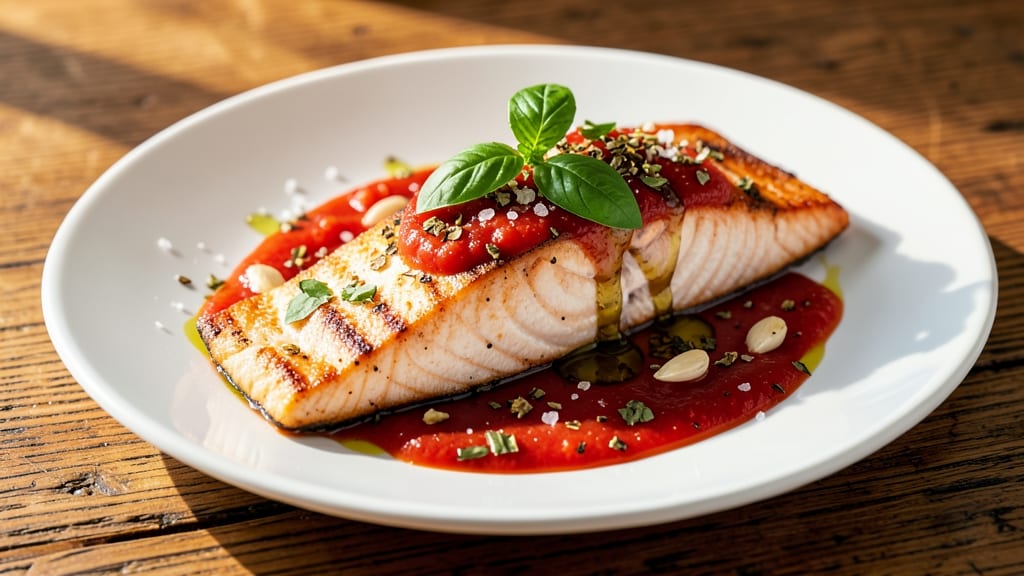
This baked salmon in tomato sauce recipe transforms a simple weeknight meal into a restaurant-worthy dish with minimal effort. 🌟 The secret lies in a rich, aromatic tomato sauce that simmers with garlic, herbs, and a touch of sweetness, perfectly complementing the flaky salmon.
What makes this recipe stand out is the one-pan approach, ensuring easy cleanup while delivering bold, balanced flavors in every bite.
At the heart of this dish is a 30-minute baking process that yields tender, moist salmon with a golden crust, all bathed in a velvety tomato sauce.
The combination of fresh basil, oregano, and a hint of red wine vinegar creates depth, while a sprinkle of parmesan adds a final touch of richness. This recipe is designed to be foolproof, even for those new to baking salmon, ensuring professional results every time.
The result is a dish that’s as visually appealing as it is delicious—juicy salmon with a glossy, caramelized sauce that clings beautifully. The sauce’s acidity cuts through the richness of the fish, creating a perfect balance, while the herbs add freshness that keeps the flavors vibrant.
Serve it alongside roasted asparagus or crusty bread to soak up every last drop of that flavorful sauce.
Whether you're cooking for a special dinner or a casual family meal, this recipe delivers restaurant-quality results without the fuss. The simplicity of the ingredients—fresh tomatoes, garlic, herbs, and a splash of wine—makes it accessible, while the technique ensures a dish that’s both impressive and satisfying.
Ready to elevate your salmon game? Let’s get started.
Ingredients for baked salmon in tomato sauce
Fresh salmon, aromatic tomatoes, and bright herbs create this restaurant-worthy one-pan dish effortlessly.
| Ingredient | Amount | Notes |
|---|---|---|
| Center-Cut Salmon Fillets 🐟 | 4 pieces | Skin-on, 6-8 oz each |
| San Marzano Crushed Tomatoes 🍅 | 28 oz | High-quality canned tomatoes |
| Extra-Virgin Olive Oil 🫒 | ¼ cup | Light fruity variety preferred |
| Garlic Cloves 🧄 | 4 cloves | Minced for aromatic depth |
| Fresh Basil Leaves 🌿 | ½ cup | Chopped, stems removed |
| Dried Oregano 🍃 | 1 tsp | Mediterranean variety preferred |
| Red Wine Vinegar 🍷 | 1 tbsp | For bright acidity |
| Parmesan Cheese 🧀 | ¼ cup | Freshly grated, fine |
| Dry White Wine 🍷 | ¼ cup | Sauvignon Blanc preferred |
| Salt 🧂 | 1 ½ tsp | Diamond Crystal kosher |
| Ground Black Pepper 🌶️ | ½ tsp | Freshly cracked |
| Honey 🍯 | 1 tsp | For subtle sweetness |
| Fresh Lemon Juice 🍋 | 1 tbsp | Brightens the sauce |
| Asparagus Spears 🌱 | 1 lb | Trimmed, for serving |
The salmon quality makes all the difference here. Center-cut fillets with skin-on ensure even cooking and crisp edges. Whole Foods or local seafood markets carry the best—look for vibrant color and firm texture. San Marzano tomatoes are non-negotiable for that authentic sweetness; Whole Foods or Italian specialty stores stock them reliably. Fresh basil should be bright green with no wilting—Trader Joe's often has excellent quality at reasonable prices. The white wine should be dry and crisp, not oaky—Kim Crawford Sauvignon Blanc is a reliable choice that won't overpower the dish.
No fresh basil? Dried oregano at double the amount works in a pinch, though texture suffers. Short on white wine? Chicken stock with a splash of lemon juice mimics the acidity. The honey adds subtle sweetness—local raw honey works beautifully if you prefer—but maple syrup is a perfect substitute. For the asparagus, frozen works fine if fresh isn't available, just thaw and pat dry. The crushed tomatoes can be substituted with whole peeled tomatoes blended for a smoother sauce, though San Marzano's texture is ideal. Prefer a different herb? Thyme or rosemary add wonderful depth when used at the same quantity.
This dish reheats beautifully—simply cover with foil and warm in the oven for 10-12 minutes. The sauce thickens as it cools, so adding 1-2 tbsp water before reheating helps restore its velvety texture. Store leftovers in an airtight container for up to 3 days in the refrigerator, though the salmon is best enjoyed fresh. For meal prep, portion the sauce separately to maintain its vibrant color. The asparagus can be roasted ahead and stored separately for up to 2 days, keeping the meal assembly quick and fresh-tasting.
Why You'll Love This Recipe
- One-Pan Magic: I swear by this trick—just toss everything on a sheet pan, pop it in the oven, and walk away. No pots, no pans, no stress. The salmon bakes right in the sauce, soaking up all that sweet-tart San Marzano flavor like a sponge.
- Garlic-Basil Bomb: Between us, that first bite of flaky salmon with the bright, garlicky tomato sauce is chef’s kiss. The fresh basil at the end? It’s the little upgrade that turns "dinner" into "I’d eat this every night."
- Weeknight to Weekend: This recipe works whether I’m scrambling to feed the kids on a Tuesday or impressing guests on Saturday. Serve it over pasta, with crusty bread, or straight from the pan—it’s that adaptable.
- Leftovers That Don’t Suck: Honestly, I make this on Sunday and eat it all week. The sauce thickens beautifully when reheated, and the salmon stays moist. (Yes, even my picky husband asks for seconds.) Plus, it’s cheaper than takeout.
Step-by-step instructions for baked salmon in tomato sauce
This one-pan method delivers restaurant-quality salmon with a velvety tomato sauce.
🍳 Step 1: Prepare the Tomato Sauce Base
Preheat your oven to 375°F. In a large oven-safe skillet, heat 0.25 cup extra-virgin olive oil over medium heat. Add the 4 minced garlic cloves and sauté for 1 minute until fragrant but not browned—this prevents bitterness in your sauce.
Pour in the 28 oz San Marzano crushed tomatoes, 0.25 cup dry white wine, 1 tbsp red wine vinegar, 1 tsp honey, 1.5 tsp salt, and 0.5 tsp ground black pepper. Stir well and bring to a gentle simmer. Let it cook uncovered for 10 minutes until slightly thickened—you'll see the sauce reduce and concentrate in flavor.
👨🍳 Step 2: Season and Arrange the Salmon
While the sauce simmers, pat the 4 center-cut salmon fillets dry with paper towels. This step is crucial for crispy skin. Season both sides generously with additional salt and pepper, focusing on the skin side where most of the seasoning will stay.
Carefully place the salmon fillets skin-side down in the skillet, nestling them into the sauce. The fillets should be evenly spaced but not crowded. Sprinkle the 1 tsp dried oregano evenly over the sauce and salmon. This Mediterranean herb adds earthy depth that complements the tomatoes perfectly.
🔥 Step 3: Bake to Perfect Doneness
Transfer the skillet to the preheated oven and bake for 12-15 minutes, depending on thickness. You'll know it's done when the salmon flakes easily with a fork and reaches an internal temperature of 145°F—the skin should be golden brown and crispy, while the flesh remains tender.
During the last 5 minutes of baking, add the 1 lb asparagus spears to the skillet, arranging them around the salmon. The asparagus will steam in the tomato sauce, absorbing its rich flavors while becoming tender-crisp. Don't overcrowd the pan—this prevents even cooking.
🥘 Step 4: Finish with Fresh Herbs and Cheese
Remove the skillet from the oven and carefully transfer the salmon to a serving platter. The sauce should be thick enough to coat the back of a spoon, but if it's too thin, return the skillet to the stove over low heat for 2-3 minutes to reduce further.
Stir in the 0.5 cup chopped fresh basil leaves and 0.25 cup freshly grated Parmesan cheese, along with the 1 tbsp fresh lemon juice. Toss gently to combine, then spoon the finished sauce over the salmon and asparagus. The basil adds bright freshness that cuts through the richness, while the Parmesan contributes a salty umami note that ties everything together.
🍽️ Step 5: Rest and Serve Immediately
Let the salmon rest for 3-5 minutes before serving. This brief resting period allows the juices to redistribute, ensuring each bite is moist and flavorful. The skin will remain crispy while the flesh stays tender—this is the perfect balance we're aiming for.
Divide the salmon and asparagus among plates, ladling the tomato sauce generously over each portion. Garnish with additional fresh basil leaves if desired. Serve immediately with crusty bread to soak up the delicious sauce—every spoonful delivers a harmonious blend of sweet tomatoes, bright herbs, and rich salmon flavors.
Pro Tips For Making Baked Salmon In Tomato Sauce
- SEAR THE SKIN FIRST: Before baking, hit the salmon skin side down in a cold pan with 1 tablespoon olive oil over medium heat for 2-3 minutes until crisp. The skin won’t stick if you resist the urge to move it—just let it render its fat and turn golden. I learned this the hard way after peeling off rubbery skin from salmon that never got hot enough.
- SALT THE TOMATOES: Toss the crushed San Marzano tomatoes with ½ teaspoon salt and let them sit for 10 minutes before adding anything else. This draws out excess water and concentrates the flavor—no one wants a watery, thin sauce. (Yes, even if you’re impatient like me.)
- DON’T OVERBAKE THE SALMON: Pull the salmon out of the oven when the internal temp hits 120°F (it’ll climb to 125°F while resting). Overcooking turns it dry and flaky, and no one wants that with a rich tomato sauce. Use a meat thermometer—your eyes aren’t reliable here.
- SIMMER THE SAUCE LONG: After baking, transfer the salmon to a plate and reduce the tomato sauce uncovered on the stovetop for 8-10 minutes. This deepens the flavor and thickens it naturally—no need for cornstarch. (Your grandmother was right: patience pays off.)
Troubleshooting this recipe
Sauce Too Thin
If your tomato sauce ends up watery, don’t panic—simply return the skillet to low heat and let it reduce for 5-7 minutes uncovered. Stir occasionally to prevent sticking.
For extra thickness, mash ½ a ripe banana into the sauce (trust me, it works!) or stir in 1 tsp cornstarch mixed with 1 tbsp water. The sauce should coat the back of a spoon by the end—this ensures it clings beautifully to the salmon. 🥄
Salmon Overcooking
Salmon cooks fast, and once it hits 145°F, it’s done—no going back! Use an instant-read thermometer to check the thickest part of the fillet. If you’re unsure, start checking at 10 minutes and remove it when it’s just opaque in the center.
Overcooked salmon turns dry and rubbery, so better to pull it out slightly early if needed. The residual heat will carry it to perfection. 🌡️
Skin Not Crispy
Crispy skin is all about proper prep! Pat the salmon fillets very dry with paper towels—moisture is the enemy of crispiness. Also, ensure the skin-side is in direct contact with the hot skillet before baking.
If your oven runs hot, reduce the temperature to 350°F for the last 5 minutes to finish gently. A splash of ice water on the skin before seasoning can also help create a better crust. 🔥
Sauce Too Acidic
If the sauce tastes overly tangy, balance it with ½ tsp sugar or another ½ tsp honey to mellow the acidity. A pinch of baking soda (just ⅛ tsp) can also neutralize sharpness—it works like a magic trick!
For future batches, reduce the red wine vinegar to ½ tbsp or swap it for a splash of orange juice, which adds sweetness instead. 🍋
Herbs Losing Flavor
Fresh herbs like basil wilt quickly in hot sauce. Add them to the skillet only in the last 2 minutes of cooking or stir them in after removing from heat.
If using dried herbs, toast them in the skillet for 30 seconds before adding to the sauce to wake up their flavors. For extra vibrancy, blend ¼ cup fresh basil with 1 tbsp olive oil and use as a finishing drizzle. 🌿
Asparagus Overcooked
Add the asparagus to the skillet only in the last 5 minutes of baking to prevent mushiness. If it’s still firm, return it to the oven for 2-3 minutes more.
For a quicker method, blanch the asparagus in boiling water for 2 minutes before adding it to the sauce. This ensures tender-crisp texture without overcooking. 🌱
Nutrition facts
Frequently asked questions
Can I use frozen salmon for this recipe?
Yes, but thaw it properly first! Place the frozen fillets in the refrigerator for 24 hours or use the quick thaw method: seal in a plastic bag and submerge in cold water (change water every 30 minutes). Never thaw at room temperature—this promotes bacterial growth. Pat the salmon completely dry before seasoning for that perfect crispy skin.
What if I don't have white wine?
No problem! Substitute with 0.25 cup chicken or fish stock plus 1 tbsp lemon juice for similar acidity. For a non-alcoholic option, use 0.25 cup apple cider vinegar diluted with 0.25 cup water. The dish will still taste delicious—just slightly less complex.
How can I make this dish gluten-free?
This recipe is naturally gluten-free! Just ensure your San Marzano tomatoes, wine, and Parmesan cheese are certified gluten-free if you're highly sensitive. For extra precaution, use a dedicated baking sheet if cross-contamination is a concern. The crusty bread serving suggestion can be replaced with gluten-free baguette or roasted potatoes.
Can I prepare this ahead of time?
Make the tomato sauce up to 2 days ahead and store it in an airtight container in the fridge. Reheat gently on the stove, then add the fresh basil and lemon juice just before serving. For the salmon, cook it fresh day-of for best texture, but you can assemble everything (except herbs) up to 1 hour ahead and bake when ready.
What other proteins work with this sauce?
This versatile sauce pairs beautifully with chicken thighs (bake for 25-30 minutes at 375°F) or shrimp (add in the last 8 minutes of baking). For vegetables, try eggplant rounds or zucchini slices—they absorb the sauce wonderfully. Adjust baking times based on the protein's thickness.