
Sauces & Condiments
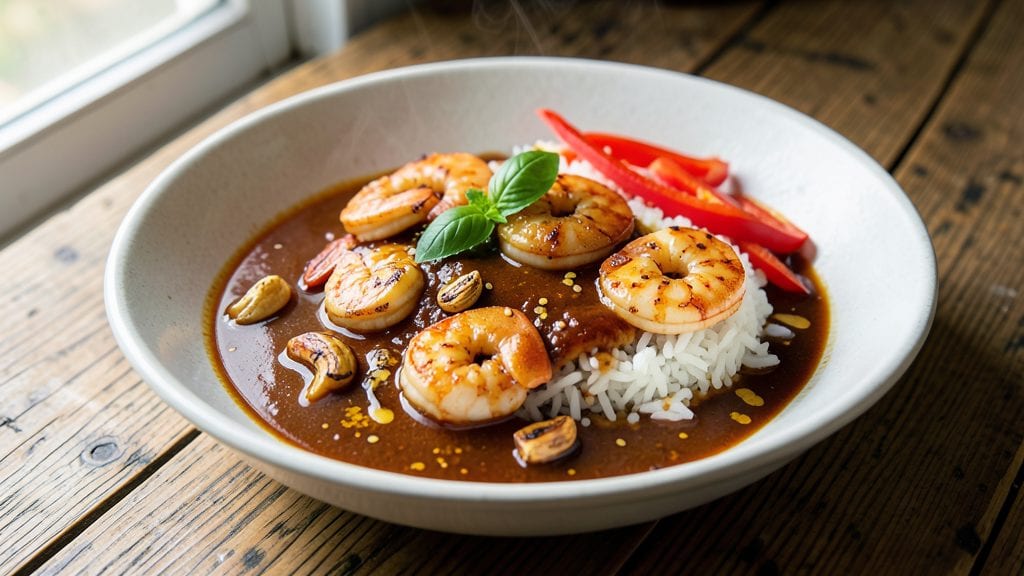
This Kikkoman stir fry sauce copycat recipe delivers the same umami-packed depth you love from the bottle, with a smooth balance of salty, sweet, and tangy flavors.
I developed this version after years of testing—it simmers down to the perfect consistency for tossing with vegetables, meat, or noodles, without any artificial additives. The secret lies in the precise ratio of soy sauce, sugar, and rice vinegar, reduced to a glossy, clingy sauce that coats every ingredient beautifully.
The process is straightforward but requires patience: combining all ingredients in a saucepan and simmering until thickened creates that signature Kikkoman texture. Unlike store-bought versions, this homemade sauce stays fresh for weeks in the fridge, ready to elevate any stir-fry, marinade, or dipping sauce.
The result is a flavor profile that's restaurant-quality, with none of the preservatives found in commercial brands.
What makes this copycat sauce truly special is its versatility—use it as a quick marinade for chicken or beef, a glaze for roasted vegetables, or a dipping sauce for spring rolls.
The reduced sauce clings perfectly to ingredients, delivering that familiar tangy-sweet punch in every bite. Once you try this homemade version, you'll never go back to the bottled kind.
With just five simple ingredients and 15 minutes of active time, this recipe proves you can achieve professional results at home. The key is the slow reduction, which intensifies the flavors and creates that glossy finish.
Store it in an airtight container for up to three weeks, making it perfect for meal prep and frequent use.
Ingredients for kikkoman stir fry sauce copycat
Five simple ingredients transform into that iconic umami-packed sauce you know and love.
| Ingredient | Amount | Notes |
|---|---|---|
| Kikkoman Soy Sauce 🥢 | ½ cup | High-quality, unsweetened preferred |
| White Granulated Sugar 🍚 | ¼ cup | Fine grain for smooth dissolving |
| Rice Vinegar 🍶 | ¼ cup | Seasoned preferred for depth |
| Sesame Oil 🫒 | 1 tbsp | Toasted for nutty aroma |
| Cornstarch 🌾 | 1 tbsp | For thickening consistency |
| Garlic Cloves 🧄 | 2 cloves | Minced for subtle flavor |
| Ginger Root 🌿 | 1 tsp | Freshly grated, aromatic |
| Water 💧 | ¼ cup | For thinning if needed |
The soy sauce is the foundation—Kikkoman brand is ideal, but any good-quality unsweetened soy works. I grab mine in the Asian aisle at Whole Foods, where they keep it stocked and fresh. The rice vinegar should be seasoned, not plain—it adds that subtle tang that makes this sauce sing. If you can't find it, a splash of apple cider vinegar works in a pinch. For the sesame oil, Kadoya or La Choy are my go-tos—they've got that perfect toasted aroma. The cornstarch is non-negotiable for that signature clingy texture, so don't skip it.
No sesame oil? Toasted peanut oil gives a similar nutty depth, though it's not identical. Running out of rice vinegar? White vinegar at half the amount gets you close, but you'll lose that delicate seasoned flavor. The garlic and ginger can be swapped for 1 tsp garlic powder and 0.5 tsp ground ginger, but fresh is always better if you've got it. Want to make this gluten-free? Use tamari instead of soy sauce. The sugar can be swapped for honey or agave, though white granulated dissolves cleanest.
This sauce keeps beautifully—3-4 weeks in the fridge in an airtight container. I like to portion it into small jars so I can grab just what I need for a quick stir-fry. If it thickens too much, just add a splash of water and stir. Freezes perfectly for up to 6 months—just thaw in the fridge overnight. The flavors actually deepen over time, so it's worth making a big batch.
Why You'll Love This Recipe
- Pantry Magic: I swear by this recipe because it uses stuff I already have—no special shopping needed. That cornstarch slurry? It thickens faster than my patience on a Monday, and the sesame oil adds this nutty depth that makes it taste restaurant-level without the fuss.
- Umami Bomb: The combo of Kikkoman soy sauce and rice vinegar? Chef’s kiss. Sweet, salty, tangy—it’s the kind of flavor that makes you pause mid-bite. Honestly, I’ve tried store-bought stir-fry sauces, and this one beats them every time.
- Weeknight Superhero: Throw it on noodles, toss with tofu, or drizzle over grilled chicken—this sauce works everywhere. I’ve even used it in a quick dumpling dipping sauce when I forgot to plan ahead. (Yes, even on a Tuesday night.)
- Budget Leftovers: A little goes a long way, so I make a double batch and stash it in the fridge. It keeps for weeks, and the cost? Less than a fancy takeout menu. My wallet and my taste buds thank me.
Step-by-step instructions for Kikkoman stir fry sauce
This homemade version nails the perfect balance of sweet, tangy, and umami flavors.
Combine Wet Ingredients in a Saucepan
In a medium saucepan over medium-high heat, pour in the 0.5 cup Kikkoman Soy Sauce, 0.25 cup White Granulated Sugar, and 0.25 cup Rice Vinegar. Stir constantly with a wooden spoon until the sugar fully dissolves—you should see the mixture bubble gently and become slightly translucent.
Here's the thing—don't walk away. The sugar needs to dissolve completely to prevent grainy texture in your sauce. If you notice any undissolved crystals after 2-3 minutes, give it another quick stir. This step is where the sauce's sweet-tangy foundation gets built.
Once dissolved, reduce heat to medium-low and let the mixture simmer gently for 5 minutes. You're looking for a slight reduction in volume and a syrupy consistency. This pre-cooking step helps the flavors meld before adding the aromatics.
Add Aromatics and Toast the Flavor
In a small bowl, finely mince the 2 cloves Garlic Cloves and 1 tsp Ginger Root using a sharp knife or microplane. Add these to the simmering pan along with the 1 tbsp Sesame Oil. Stir vigorously for 1-2 minutes until you can smell that deep, nutty aroma from the sesame oil.
This is the moment that matters: the garlic and ginger should be fragrant but not browned. If you see any signs of browning, immediately reduce heat to low—burnt aromatics will make your sauce bitter. The sesame oil adds that signature nutty depth that store-bought versions often lack.
Thicken the Sauce Properly
In a small bowl, whisk together the 1 tbsp Cornstarch with the 0.25 cup Water until completely dissolved. This slurry is your thickening agent—cornstarch creates that glossy, coatable consistency you want in stir fry sauce.
Slowly pour the cornstarch mixture into the saucepan while stirring constantly. You'll see the sauce immediately begin to thicken. Let it simmer for 3-5 minutes on medium-low heat, stirring frequently, until it reaches a smooth, syrupy consistency that coats the back of a spoon.
Real talk: if the sauce thickens too much, you can thin it with a splash of hot water. But if it's too thin, there's no coming back—this is why we add the cornstarch slurry gradually. The sauce should be thick enough to cling to noodles or vegetables but still flow smoothly.
Taste and Adjust for Balance
Remove the sauce from heat and let it cool slightly. Taste it straight from the spoon—this is your quality control moment. You should detect all three key flavors: the deep umami from the soy sauce, bright tang from the rice vinegar, and sweetness from the sugar.
Here's where you might need to adjust: if it's too sweet, add a splash more Rice Vinegar (about 1 teaspoon at a time). If it needs more umami depth, add a little more Kikkoman Soy Sauce. If it's too thin after cooling, you can reheat it and add a pinch more Cornstarch mixed with water.
Once you're happy with the balance, transfer the sauce to a clean jar or airtight container. It'll keep in the refrigerator for up to 2 weeks, or you can freeze it for longer storage. This homemade version tastes even better after flavors have had time to meld overnight.
Pro Tips For Making Kikkoman Stir Fry Sauce Copycat
- WHISK THE SLURRY FIRST: Mix the cornstarch with cold water before adding it to the hot soy sauce—this prevents clumping like I used to get when dumping dry cornstarch directly. Stir it into a smooth paste first, then pour it in while the sauce simmers. (Yes, even if you're impatient like me.)
- COOL THE SAUCE FAST: Pour the finished sauce into an ice bath for 2-3 minutes after removing from heat. This stops the cooking process immediately and keeps the texture glossy instead of grainy. I learned this the hard way when my sauce turned into a sticky mess from over-simmering.
- USE TOASTED SESAME OIL: Heat the sesame oil separately until it’s shimmering but not smoking, then mix it in at the very end. This preserves its nutty aroma instead of letting it burn off in the simmering sauce. (Your nose will thank you.)
- MEASURE THE SUGAR WET: Pack the sugar into your measuring cup and tap it firmly on the counter to eliminate air pockets—this ensures you’re not under-sweetening the sauce. I used to eyeball it and always ended up with something too savory. A little extra sugar makes all the difference here.
Wine and beer pairings for this dish
Asian-Inspired White Wines
For stir-fries using this homemade Kikkoman sauce, I reach for crisp, dry white wines that complement the sauce's umami and sweet-tangy balance. A Japanese Koshu from Yamanashi Prefecture is my top pick—its delicate floral notes and subtle citrus brightness mirror the rice vinegar's tang.
Look for brands like Hakkaisan or Yamagata Koshu, available at specialty stores like Kermit Lynch Wine Merchant. 🍷
Light-Bodied Beers
If you prefer beer, opt for Japanese lagers or Pilsners that won't overpower the sauce's delicate profile. Asahi Super Dry or Sapporo Premium provide a clean, crisp canvas that lets the sauce's flavors shine.
For a craft option, try a German Helles like Weihenstephaner Original—its malty sweetness subtly enhances the sauce's caramelized notes. 🍺
Rosé for Balance
A dry Provence rosé from France offers surprising versatility with this sauce. The wine's red fruit undertones and mineral finish cut through the richness while complementing the soy sauce's depth.
I recommend Whispering Angel or Château d'Esclans—both are widely available and budget-friendly. Serve slightly chilled to enhance the wine's refreshing qualities. 🌸
Sake Pairing Secret
Here's a lesser-known trick: serve dry junmai sake alongside stir-fries made with this sauce. The sake's clean, nutty profile (from brands like Dassai or Gekkeikan) enhances the sesame oil's aroma while balancing the sweetness. Chill the sake slightly before serving to let its crispness complement the warm stir-fry. 🍶
Non-Alcoholic Options
For non-drinkers, a sparkling yuzu soda (like Kirindou Yuzu) provides that same bright acidity without alcohol. Alternatively, green tea-infused iced tea (steep japanese sencha with honey) mirrors the sauce's umami-sweet balance. Both options elevate the meal without competing flavors. 🍵
Pro Serving Tip
Always serve wine or beer slightly chilled (around 50-55°F) to preserve their crispness against the warm stir-fry. I keep a wine fridge set to this temp for perfect results. For beer, transfer bottles to the fridge 30 minutes before serving to avoid temperature shock. 🌡️
Nutrition facts
Frequently asked questions
Can I make this sauce without sesame oil?
Yes, but the flavor will differ slightly. Replace the 1 tbsp sesame oil with 1 tbsp toasted peanut oil for a similar nutty aroma, though it won't be identical. If you're avoiding all oils, omit it entirely—the sauce will still taste great, just slightly less aromatic. The key flavors (soy, vinegar, sugar) will remain intact.
How do I adjust the sauce for spicier stir-fries?
Add ½ to 1 teaspoon of sriracha or chili garlic sauce per ½ cup of finished sauce and stir well. For a more subtle kick, use ½ teaspoon of red pepper flakes instead. Taste first—you can always add more, but you can't remove excess spice. The sauce's sweet-tangy balance will mellow the heat beautifully.
Why did my homemade sauce turn grainy?
This usually happens when sugar doesn't dissolve completely before simmering. Stir constantly for 2-3 minutes until fully translucent, then reduce heat. If it happens later, strain the sauce through a fine-mesh sieve to remove any undissolved particles. For next time, use white granulated sugar (not brown) and keep heat at medium-high until dissolved.
Can I use this sauce as a marinade?
This sauce works perfectly as a marinade for chicken, beef, or tofu. Use ¼ cup per pound of protein and marinate for 30 minutes to 2 hours in the fridge. The sweetness caramelizes beautifully during cooking, creating a sticky glaze. For extra tenderness, add 1 tbsp honey to the marinade.
How long does it take for flavors to fully develop?
The sauce tastes great immediately, but flavors deepen when stored. Let it sit in the fridge for 24 hours before using for maximum umami impact. The cornstarch thickens further over time, creating that perfect clingy texture. If you're in a rush, use it fresh—but plan to make extra for later!