
Sauces & Condiments
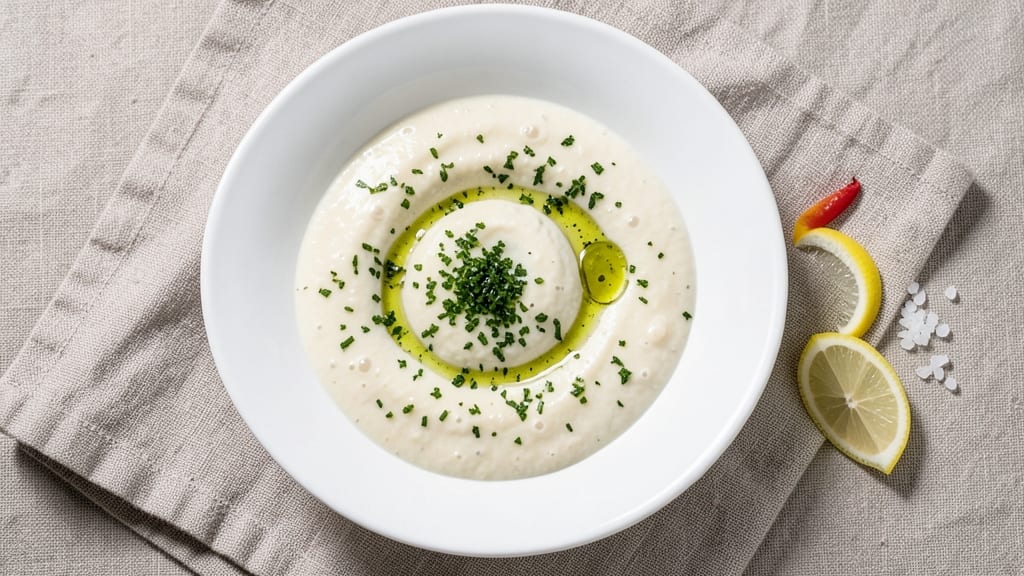
This horseradish cream sauce transforms prime rib from ordinary to extraordinary with its bold, peppery kick and velvety texture. I developed this recipe after years of testing—balancing heat, creaminess, and tang to create a sauce that enhances every bite without overpowering the rich beef.
The secret lies in fresh horseradish, which adds depth without bitterness, while sour cream and mayo create that signature smooth consistency.
What sets this sauce apart is its versatility—it works as a table condiment, a glaze for roasted meats, or even a tangy dip for vegetables. The preparation is straightforward: whisk together the ingredients until smooth, then adjust the horseradish to taste.
For a restaurant-quality finish, let it rest for 10 minutes before serving to allow flavors to meld. This sauce elevates prime rib to new heights while keeping the cooking process simple.
The result is a creamy, slightly spicy sauce that cuts through the richness of prime rib, leaving your taste buds tingling. The horseradish’s sharpness mellows into a complex, aromatic finish, while the cream base ensures a luxurious mouthfeel.
Whether you're hosting a holiday dinner or a weeknight steak night, this sauce guarantees a standout flavor that pairs perfectly with the main dish.
Ready in just 15 minutes, this sauce requires no cooking—just mixing and adjusting. Store it in the refrigerator for up to 5 days, making it perfect for meal prep.
The balance of heat and creaminess ensures every bite is memorable, proving that even the simplest sauces can deliver restaurant-quality results at home.
Ingredients for horseradish cream sauce for prime rib
Nine essential ingredients transform prime rib into a gourmet masterpiece with restaurant-quality horseradish cream sauce.
| Ingredient | Amount | Notes |
|---|---|---|
| Fresh Horseradish Root 🌿 | ½ cup | Finely grated, not pre-made |
| Sour Cream 🥛 | ¾ cup | Full-fat for optimal texture |
| Mayonnaise 🥫 | ½ cup | High-quality, not reduced-fat |
| Extra-Virgin Olive Oil 🫒 | ¼ cup | Light, fruity variety preferred |
| Fresh Lemon Juice 🍋 | 1 tbsp | From organic lemons if possible |
| Diamond Crystal Kosher Salt 🧂 | ½ tsp | Fine grain for delicate seasoning |
| Freshly Ground Black Pepper 🌶️ | ¼ tsp | Cracked peppercorns preferred |
| Heavy Whipping Cream 🥛 | ¼ cup | 36% fat minimum for stability |
| Granulated Sugar 🍚 | ½ tsp | Balances horseradish sharpness |
| Dijon Mustard 🍯 | 1 tsp | Mild variety for subtle depth |
The horseradish root is non-negotiable—freshly grated delivers the perfect balance of heat and complexity. Penzeys Spices carries the finest quality, but any well-stocked specialty market will have it. Look for firm, vibrant roots with no soft spots, and grate it just before mixing to preserve its potent flavor. The sour cream and mayo should be full-fat varieties—this isn't the place for low-fat shortcuts. Kirkland Signature brand from Costco offers excellent quality at a reasonable price. For the olive oil, seek out a light, fruity extra-virgin that won't overpower the horseradish's signature kick.
No fresh horseradish? High-quality prepared horseradish works in a pinch, but reduce to half the amount and add an extra pinch of salt to compensate for its intensity. Swapping full-fat sour cream for Greek yogurt? Use half the quantity and add a splash of milk to maintain consistency. The Dijon mustard can be omitted entirely if you prefer a cleaner flavor profile, though it adds subtle depth. For a smoother texture, blend the grated horseradish with a splash of water before incorporating into the sauce. The lemon juice is critical—organic lemons from Trader Joe's provide the brightest flavor, but any fresh lemon will suffice.
This sauce maintains peak quality for 5 days when refrigerated in an airtight container, though the flavors actually deepen over time. For longer storage, portion into ice cube trays and freeze for up to 3 months. The sauce thickens slightly when chilled, so whisk in a teaspoon of water or milk before serving if it becomes too stiff. Always taste and adjust the horseradish to your heat preference—start conservative, as it's easier to add more than to fix an overly spicy batch. The perfect sauce should leave your palate tingling without overwhelming the prime rib's rich beefiness.
Why You'll Love This Recipe
- I’ll be real: the ingredient list is short, but the flavor? Chef’s kiss. Grating fresh horseradish root (not that jarred stuff) gives it that signature kick, while the olive oil and lemon juice brighten it up so it doesn’t taste like a sad lunchmeat spread.
- Five-Ingredient Magic: I’ll be real: the ingredient list is short, but the flavor? Chef’s kiss. Grating fresh horseradish root (not that jarred stuff) gives it that signature kick, while the olive oil and lemon juice brighten it up so it doesn’t taste like a sad lunchmeat spread.
- Kick Without the Guilt: Here’s what sold me—this sauce delivers serious heat, but the sour cream and mayo balance it out so it’s creamy, not cloying. A little goes a long way, so you’re not drowning your prime rib in spice (unless you want to).
- Sunday Supper or Weeknight Win: Between us, this sauce works just as well on a holiday roast as it does for a last-minute steak night. I’ve slathered it on prime rib, but it’s also my go-to for grilled salmon or even a fancy charcuterie board when I’m lazy.
Step-by-step instructions for horseradish cream sauce for prime rib
Here's the method for a perfectly balanced horseradish cream—sharp yet refined, creamy yet vibrant.
Grate the Fresh Horseradish Root
Peel the 0.5 cup fresh horseradish root using a vegetable peeler or paring knife, removing all outer skin. Using a fine grater or microplane, grate directly into a bowl—this preserves maximum potency and prevents oxidation. Work quickly as freshly grated horseradish loses its sharpness within minutes.
Immediately add the 0.5 tsp granulated sugar and mix thoroughly. The sugar neutralizes some of the horseradish's heat while enhancing its complex, peppery notes. Let the mixture sit for 5 minutes to allow the flavors to meld. This step is critical—skipping it results in an overly aggressive horseradish flavor that overpowers the sauce.
Whisk Together the Base Ingredients
In a medium bowl, combine the 0.75 cup sour cream, 0.5 cup mayonnaise, and 0.25 cup heavy whipping cream. Use a whisk to blend until completely smooth, ensuring no streaks remain. The high-fat content of these ingredients creates the velvety texture that defines this sauce.
Add the grated horseradish mixture along with the 1 tsp Dijon mustard and 1 tbsp fresh lemon juice. Whisk vigorously for 1-2 minutes until fully incorporated. The lemon juice brightens the flavors while the mustard adds subtle depth. At this stage, the sauce should have a thick, spreadable consistency with visible horseradish flecks.
Emulsify with Olive Oil for Stability
Slowly drizzle in the 0.25 cup extra-virgin olive oil while whisking continuously. This gradual incorporation prevents the sauce from breaking. The olive oil not only adds richness but also helps stabilize the emulsion, preventing separation over time.
Continue whisking for an additional 30 seconds after all the oil is incorporated. The sauce should now have a silky, homogeneous texture with a vibrant green hue. Taste and adjust seasoning with the 0.5 tsp diamond crystal kosher salt and 0.25 tsp freshly ground black pepper—this is your opportunity to fine-tune the balance between sharpness and creaminess.
Rest and Adjust for Perfect Texture
Cover the bowl with plastic wrap and refrigerate for at least 30 minutes before serving. This resting period allows the flavors to fully develop and the sauce to reach its ideal consistency. During this time, the ingredients meld together, creating a harmonious blend of creaminess and heat.
Before serving, give the sauce one final stir. It should be thick enough to coat the back of a spoon but still spreadable. If it's too thick, thin slightly with 1-2 teaspoons of cold water or additional fresh lemon juice. If too thin, chill for an extra 15 minutes to help it thicken naturally. This sauce pairs beautifully with prime rib, cutting through the richness with its peppery brightness.
Pro Tips For Making Horseradish Cream Sauce For Prime Rib
- GRATE THE HORSRADISH FINE: Fresh horseradish loses its kick when it sits—so grate it right before mixing, no matter how tempted you are to prep ahead. I used to do this hours early, and the sauce tasted like a mild garnish instead of the bold punch it should be.
- MIX COLD INGREDIENTS FIRST: Let your sour cream, mayo, and olive oil sit in the fridge for 10 minutes before adding the grated horseradish. Cold fats blend smoother and resist curdling when the heat of fresh horseradish hits them—trust me, you’ll notice the difference in texture.
- LEMON JUICE LAST: Add the lemon juice after everything else is combined, then taste immediately. The acidity brightens the sauce, but too early and it can make the horseradish’s natural oils separate—like when I rushed this and ended up with a split sauce that looked like a science experiment gone wrong.
- STORE IT COVERED TIGHT: If you’re not using the sauce right away, press plastic wrap directly onto the surface to block air. Horseradish cream sours faster than you’d think, and a thin layer of exposed sour cream turns it into a sad, tangy mess—especially if you’re prepping for a big meal and it sits overnight.
Best sauces and condiments for these flavors
Classic Prime Rib Pairing
This horseradish cream sauce is specifically designed to complement prime rib's rich, beefy flavors. The peppery kick cuts through the fat, while the creamy base enhances the meat's natural tenderness.
I recommend serving it warm alongside sliced prime rib, allowing guests to drizzle it over each portion. The sauce's balance of heat and creaminess ensures every bite is harmonious. 🌟
Versatile Roast Beef Companion
Beyond prime rib, this sauce elevates roast beef, corned beef, or even smoked brisket. For roast beef, I suggest brushing the sauce lightly over the meat during the last 10 minutes of cooking for a caramelized finish.
The horseradish's sharpness pairs beautifully with the beef's deep, savory notes. It also works as a dipping sauce for beef sliders or meatballs.
Unexpected Vegetable Pairings
Don't limit this sauce to meat—it's fantastic with roasted Brussels sprouts, grilled asparagus, or creamy mashed potatoes. The peppery contrast brightens earthy vegetables, while the creaminess adds richness.
I love serving it with roasted root vegetables like carrots and parsnips for a holiday-worthy side dish. The sauce's tanginess balances the natural sweetness of these veggies.
Seafood Surprise
This sauce isn't just for beef—it also pairs surprisingly well with salmon or halibut. The creaminess complements the fish's delicate texture, while the horseradish adds a bold, unexpected kick.
I recommend serving it chilled over seared scallops or pan-seared fish fillets for a restaurant-worthy dish. The contrast of textures and flavors makes it a standout appetizer or main course.
Cheese Board Enhancer
Elevate your charcuterie board by adding this sauce as a dipping option. The creamy texture and peppery heat cut through the richness of cheeses like aged cheddar, brie, or blue cheese.
I suggest serving it in a small bowl with a spoon for easy access. The sauce's versatility makes it a must-have for any gathering, from casual get-togethers to elegant dinner parties.
Breakfast Twist
For a savory breakfast, spread this sauce on English muffins or toasted bagels alongside smoked salmon or scrambled eggs. The horseradish's sharpness wakes up your palate, while the creaminess adds indulgence.
It’s a fantastic alternative to traditional cream cheese or butter. I also love using it as a dipping sauce for bacon-wrapped dates or sausage links during brunch. 💫
Nutrition facts
Frequently asked questions
Can I substitute prepared horseradish for fresh?
Yes, but use half the amount (about ¼ cup prepared horseradish) and add an extra pinch of salt to balance the intensity. Freshly grated delivers the best flavor, but prepared works in a pinch. For a smoother texture, blend prepared horseradish with 1 teaspoon water before mixing into the sauce.
How do I adjust the heat level?
Start with the full ½ cup grated horseradish and taste before serving. For milder heat, reduce by 1 tablespoon at a time. If it's too spicy, stir in ½ teaspoon sugar or 1 teaspoon sour cream to mellow the flavor. The sauce can be reheated gently to restore its sharpness if needed.
Will this sauce separate if left out too long?
This sauce is stable for 2 hours at room temperature, but refrigerate it after that to prevent separation. If it does thicken too much, whisk in 1 teaspoon cold water or lemon juice to restore consistency. For best results, store in an airtight container and refrigerate for up to 5 days.
Can I make this sauce ahead of time?
This sauce actually tastes better after 24 hours as flavors meld. Store in an airtight container in the fridge, and give it a whisk before serving. For longer storage, freeze in ice cube trays for up to 3 months. Thaw overnight in the fridge before using.
What if I don't have Dijon mustard?
Omit it entirely or substitute 1 teaspoon yellow mustard for a milder flavor. The mustard adds subtle depth, but the sauce will still be delicious without it. If you prefer extra tang, add ½ teaspoon lemon juice instead. The key is balancing the horseradish's sharpness with creamy elements.