
Sauces & Condiments
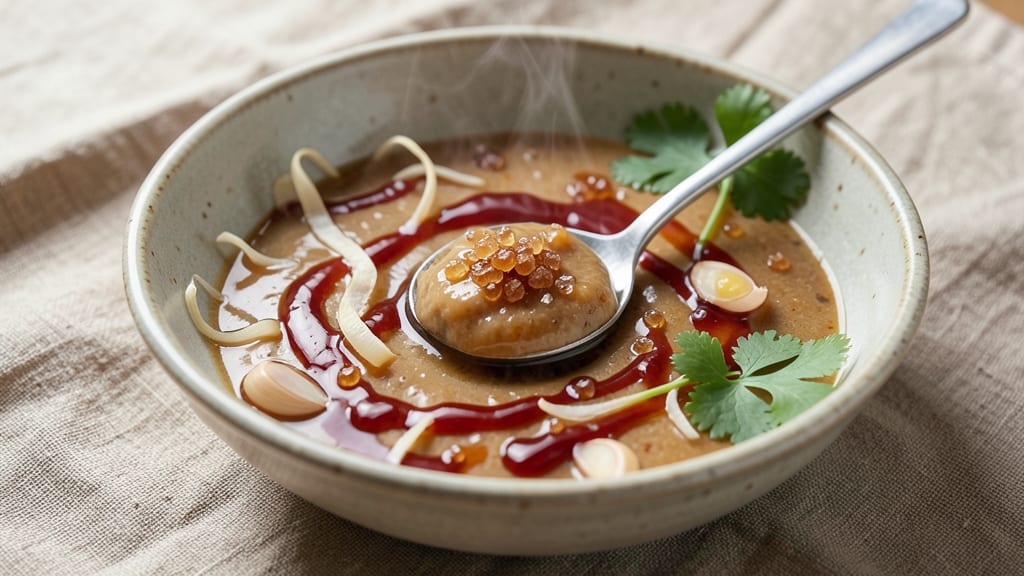
This Asian rib sauce recipe transforms ordinary ribs into finger-licking masterpieces with its perfect balance of smoky, sweet, and tangy flavors. 🔥 The secret lies in caramelizing the sauce while it cooks, creating a glossy finish that clings to every bite.
Whether you're grilling, baking, or slow-cooking, this sauce elevates ribs from good to unforgettable—no fancy techniques required, just simple ingredients and patience.
The sauce builds flavor in layers: a rich base of soy sauce and hoisin provides depth, while ginger and garlic add brightness and warmth.
A touch of brown sugar and chili paste ensures that signature caramelized sheen and subtle heat, while honey or maple syrup balances everything with a smooth sweetness.
What sets this sauce apart is its ability to reduce into a thick, syrupy consistency that coats ribs perfectly without overwhelming their natural taste.
By the time your ribs emerge from the heat, they'll be glazed in a sticky, aromatic sauce that's both visually stunning and irresistibly flavorful. The sauce works equally well as a dipping sauce, finishing glaze, or even a marinade for extra tenderness.
It keeps beautifully in the fridge for up to two weeks, so you can make a big batch and enjoy it over multiple meals.
This recipe is designed for versatility—use it on ribs, chicken, tofu, or even as a dipping sauce for spring rolls. The instructions are straightforward, but the magic happens in the final reduction, where the sauce transforms from a simple mixture into a complex, caramelized masterpiece.
Let's get started on creating your new favorite sauce!
Ingredients for asian rib sauce
Nine simple ingredients transform into a caramelized masterpiece for ribs.
| Ingredient | Amount | Notes |
|---|---|---|
| Soy Sauce 🥢 | ½ cup | Light or dark variety preferred |
| Hoisin Sauce 🍶 | ¼ cup | For authentic depth of flavor |
| Brown Sugar 🍯 | ¼ cup | Packed firmly for caramelization |
| Honey 🍯 | ¼ cup | Or maple syrup for vegan option |
| Garlic Cloves 🧄 | 4 cloves | Minced for aromatic punch |
| Fresh Ginger 🌿 | ¼ cup | Finely grated, not powdered |
| Red Chili Paste 🌶️ | 1 tbsp | Like sambal oelek for heat |
| Sesame Oil 🫒 | 1 tbsp | Toasted for nutty aroma |
| Rice Vinegar 🍶 | 1 tbsp | White or seasoned preferred |
| Ground Black Pepper 🌶️ | ½ tsp | Freshly cracked for bite |
The sauce's magic starts with the soy sauce—grab the Kikkoman brand if you want reliability, but any good-quality soy works. Hoisin sauce is non-negotiable for that authentic umami depth, though Trader Joe's makes a solid jarred version if you can't find it fresh. Brown sugar isn't just sweetness—it's what creates that glossy caramelized finish when reduced. For the honey, local raw honey adds subtle floral notes, but maple syrup works perfectly if you're avoiding honey. Ginger and garlic? Always fresh—no substitutions here. The red chili paste (like sambal oelek) brings the heat, but you can halve it if your crowd prefers mild.
No hoisin? Mix 1 tbsp soy sauce + 1 tsp brown sugar + 1 tsp molasses for a quick stand-in. Running low on honey? Maple syrup or agave keeps things balanced. Fresh ginger too fibrous? Powdered ginger at half the amount works in a pinch, though it lacks the bright zing. The sesame oil is what gives that final nutty aroma—don't skip it, but add it last to preserve its flavor. Rice vinegar adds brightness, but apple cider vinegar works if that's what's open. And if you're worried about the sauce being too sweet, reduce it longer—the caramelization deepens the flavor without adding more sugar.
This sauce tastes even better the next day as flavors meld. Store it in a glass jar in the fridge for up to 2 weeks—the longer it sits, the more complex it gets. For extra convenience, freeze portions in ice cube trays and pop them into sauces or glazes as needed. The sauce thickens as it cools, so stir before using. And pro tip: brush it on ribs while they're still warm—it'll cling like magic. Leftovers? Toss them in stir-fries, drizzle over noodles, or use as a marinade for chicken.
Why You'll Love This Recipe
- Five-Ingredient Magic: I swear by this combo—just soy, hoisin, brown sugar, honey, and garlic. That’s it. No fancy gadgets, no stress. The hoisin gives it that sticky, umami punch while the honey cuts through the saltiness like a dream. Honestly, I’ve made it with my eyes closed.
- Sweet-Savory Balance: Between us, this sauce is ridiculously good—crispy ribs glaze up with a glossy sheen, and every bite hits with that perfect mix of caramelized brown sugar and funky garlic. The soy and hoisin team up for a depth that’s hard to beat, and the honey? It’s the secret weapon that makes it irresistible.
- Game for Any Meal: I’ve drizzled this over ribs, tossed it with stir-fried veggies, and even slathered it on grilled chicken. It’s my go-to for weeknight dinners, potlucks, or when I’m craving takeout flavors without the hassle. The best part? It’s ready in 10 minutes, so I’m never stuck scrambling.
- Leftovers That Don’t Suck: Here’s what sold me—this sauce improves the next day. The flavors meld even better, and I’ve got jars of it in my fridge for quick glaze-ups. Plus, it’s cheap to make (I use it for everything), so I’m always stocked without breaking the bank. No waste, all win.
Step-by-step instructions for Asian rib sauce
Here's how to blend this smoky-sweet sauce that turns every bite into a caramelized masterpiece.
🍳 Step 1: Bloom the Aromatics in Sesame Oil
Heat a small saucepan over medium-low heat and add the 1 tablespoon sesame oil. Swirl it gently until it shimmers but doesn't smoke—you're just warming it to release its nutty aroma. Add the 4 cloves minced garlic and ¼ cup finely grated fresh ginger (about the size of a walnut). Cook for 1-2 minutes until the garlic turns golden and fragrant—this prevents that harsh, raw garlic taste.
Here's the thing—don't walk away. Garlic burns faster than you think, and once it turns dark brown, it becomes bitter. You want it to just barely color, not char. The ginger will soften slightly but shouldn't brown at all. Remove from heat immediately after the garlic turns golden.
🍳 Step 2: Combine Wet Ingredients and Simmer
Return the pan to medium heat and add ½ cup soy sauce, ¼ cup hoisin sauce, ¼ cup packed brown sugar, and ¼ cup honey. Stir everything together and bring to a gentle simmer. You'll see tiny bubbles forming around the edges—that's your signal it's ready.
Let it simmer uncovered for 5-6 minutes until the mixture thickens slightly and reduces by about ¼. You're looking for a glossy consistency where the sauce coats the back of a spoon. If it starts to bubble too vigorously, reduce heat to low to prevent burning. This reduction step concentrates the flavors and creates that perfect caramelized finish.
🍳 Step 3: Add Acid and Spice for Balance
Stir in the 1 tablespoon rice vinegar and 1 tablespoon red chili paste. The vinegar brightens the flavors while cutting through the sweetness, and the chili paste adds that essential heat. Give it a taste at this stage—you might want to adjust the seasoning. If it needs more salt, add a pinch more soy sauce. If it needs more heat, add a tiny bit more chili paste.
Simmer for another 2-3 minutes until everything is fully incorporated and the sauce has a uniform color. You'll notice the sauce will darken slightly as it cooks—this is normal and actually enhances the flavor. The final texture should be thick but still pourable, like a glossy syrup. Remove from heat completely.
⏰ Step 4: Finish with Pepper and Rest
Stir in the ½ teaspoon ground black pepper and give the sauce one final taste. The pepper adds a subtle bite that balances all the sweet and umami flavors. Let the sauce sit off the heat for 5 minutes—this resting period allows all the flavors to meld together perfectly. The sauce will continue to thicken slightly as it cools, so don't worry if it looks a bit thinner when you take it off the stove.
For best results, use the sauce immediately on your ribs or store it in an airtight container in the refrigerator for up to 2 weeks. When you're ready to use it, give it a quick stir and warm it gently in a small saucepan over low heat until it reaches room temperature. This sauce is magic on ribs, but it also works beautifully as a glaze for grilled chicken or pork.
Pro Tips For Making Asian Rib Sauce
- Simmer Slow and Steady: This isn’t a race—low heat for 10-12 minutes lets the garlic mellow instead of burning. I learned this the hard way when my first batch tasted bitter because I rushed it. Trust me, the sauce will thank you.
- Mince That Garlic Fine: Skip the rough chop—finely minced garlic blends smoothly and adds depth without texture. A food processor does this in seconds, and you’ll notice the difference when tasting the sauce later.
- Balance the Sweet and Salty: Taste as you go, but don’t overcorrect with just honey or soy. The brown sugar’s molasses notes matter—adjust in small spoonfuls. I used to dump it all in and end up with a one-note glaze.
- Warm the Sauces First: Mixing cold hoisin and soy with sugar can make the sauce grainy. Heat them together for 1-2 minutes first—it dissolves everything faster and saves you from stirring like a madman.
Common mistakes when making great asian rib sauce
Over-Simmering the Sauce
I’ve seen this happen more times than I can count—someone walks away from the stove, and suddenly, their once-perfect sauce turns into a thick, bitter sludge. The brown sugar caramelizes too aggressively, and the soy sauce burns, leaving behind a harsh, almost burnt taste.
To avoid this, keep a close eye on the sauce once it starts simmering, and reduce the heat to low if it begins to bubble vigorously. The goal is a glossy, syrupy consistency, not a dark, burnt reduction. 🔥
Skipping the Resting Period
This is a big one! The sauce needs that 5-minute rest off the heat to let all the flavors meld together. If you skip this step, the sauce might taste disjointed—like the sweetness and umami flavors haven’t had a chance to fully integrate.
I’ve tasted sauces right after cooking that were promising but lacked depth. Let it sit, and you’ll notice the difference in flavor complexity. ✨
Using Powdered Ginger
Fresh ginger is non-negotiable for this sauce—it adds that bright, zesty kick that powdered ginger just can’t replicate. Powdered ginger can make the sauce taste flat or even slightly metallic.
If you’re in a pinch, use half the amount of powdered ginger, but honestly, the extra effort to grate fresh ginger is worth it. The texture and flavor of the sauce will thank you. 🌿
Not Adjusting Seasoning Mid-Cook
Taste the sauce as you go! After adding the vinegar and chili paste, give it a quick taste and adjust if needed. Maybe it needs a pinch more salt (another splash of soy sauce), or perhaps a tiny bit more heat (a dash of extra chili paste).
This sauce is all about balance, and those small tweaks can make a world of difference. Don’t be afraid to taste and adjust—it’s the only way to get it just right. 💡
Adding Sesame Oil Too Early
The sesame oil should be added last to preserve its delicate, nutty aroma. If you add it too early, especially with the garlic and ginger, it can burn off and lose its flavor entirely. Warm the oil just enough to release its aroma, then add the garlic and ginger.
Once those are cooked, turn off the heat before adding the rest of the ingredients. This way, the sesame oil shines in the final sauce. 🫒
Ignoring the Glossy Finish
The sauce should coat the back of a spoon with a glossy sheen—that’s your cue that it’s ready. If it’s too thin, keep simmering it until it thickens. If it’s too thick, add a splash of water or a little more honey to loosen it up.
The texture should be syrupy but still pourable. This gloss isn’t just for looks; it’s what makes the sauce cling to ribs and other proteins perfectly. Don’t rush it—let it reduce naturally for that perfect finish. 💫
Nutrition facts
Frequently asked questions
Can I make this sauce without hoisin?
Mix 1 tablespoon soy sauce with 1 teaspoon brown sugar and 1 teaspoon molasses as a substitute. This combo mimics hoisin's depth while keeping the sauce balanced. The sauce will still develop that rich umami flavor, though it might lack some of the fermented complexity.
How long does this sauce keep in the fridge?
The sauce stays fresh for up to 2 weeks when stored in an airtight glass jar. The flavors actually improve over time as the ingredients meld together. For longer storage, freeze portions in ice cube trays—they'll keep for 3 months and are perfect for quick additions to other dishes.
What's the best way to use this sauce on ribs?
For maximum flavor, brush the sauce on ribs during the last 10-15 minutes of cooking when they're still warm. The heat helps the sauce caramelize and cling beautifully. You can also use it as a dipping sauce or finishing glaze for chicken, pork, or even tofu. The key is to apply it when the protein is hot for that perfect sticky finish.
Can I make this sauce spicier?
Yes! Add an extra ½ teaspoon of red chili paste or a pinch of cayenne pepper for more heat. For a smoky kick, stir in ½ teaspoon smoked paprika with the black pepper. Always taste as you go—you can adjust the heat to your preference. The sauce's sweetness balances any extra spice beautifully.
Why did my sauce turn out too thin?
Sauce thickness depends on reduction time. Simmer uncovered for 5-10 extra minutes to thicken it naturally. If it's still too thin, stir in 1 teaspoon cornstarch mixed with 1 tablespoon water and cook for 1-2 minutes until it reaches your desired consistency. The perfect texture should coat the back of a spoon with a glossy sheen.