
Sauces & Condiments
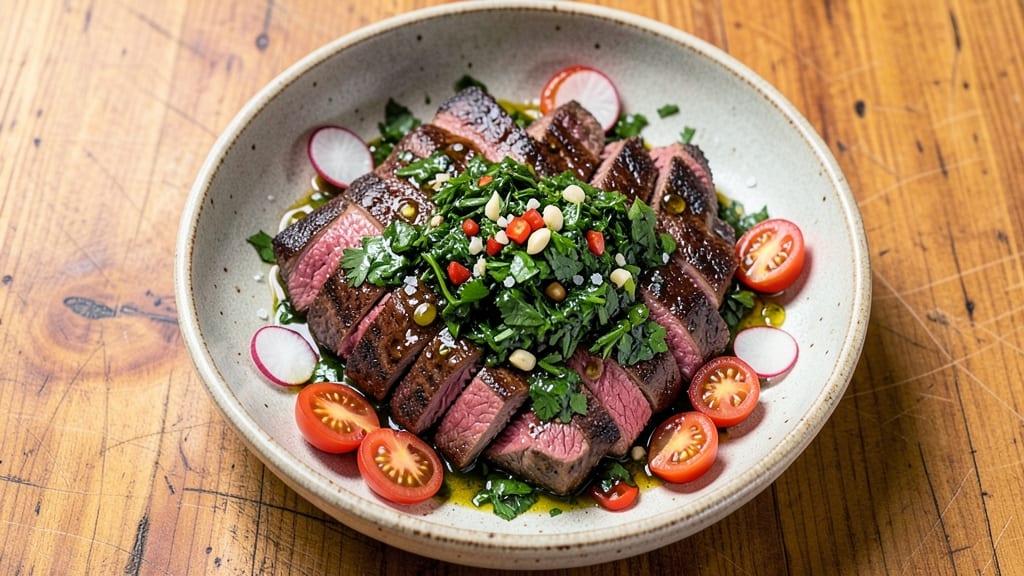
Argentinian skirt steak with chimichurri sauce transforms a simple protein into a restaurant-worthy masterpiece—juicy, tender, and drenched in vibrant herb sauce that cuts through every bite. The secret lies in high-heat searing and a bright, tangy chimichurri that balances rich meat with freshness. I’ve perfected this dish after years of testing, ensuring the steak stays perfectly pink inside while developing a caramelized crust that’s impossible to resist.
This recipe delivers two standout elements: skirt steak cooked to medium-rare perfection (about 3-4 minutes per side) and a chimichurri sauce that’s quick to make but packed with flavor—parsley, garlic, red wine vinegar, and olive oil blended into a herbaceous paste.
The sauce isn’t just a topping; it’s the star, adding brightness that makes every bite feel like a taste of Buenos Aires.
What you’ll end up with is a dish that’s restaurant-quality at home—crispy edges on the steak, tender yet slightly chewy meat, and a sauce so fresh it tastes like it was just picked.
The chimichurri stays vibrant even after sitting, so you can serve it immediately or let it rest while the steak rests, ensuring maximum flavor in every bite.
Serve with grilled asparagus or a simple arugula salad to round out the meal, and pair with a bold Malbec for the full Argentinian experience. Here’s how to make it—step by step—for a dish that’s as impressive as it is delicious.
Ingredients for argentinian skirt steak with chimichurri sauce
Skirt steak and chimichurri transform a weeknight dinner into a vibrant Argentinian feast.
| Ingredient | Amount | Notes |
|---|---|---|
| Argentinian Skirt Steak 🥩 | 1 ½ lb | Thin-cut, 1/4-inch thick |
| Extra-Virgin Olive Oil 🫒 | ¼ cup | High-quality, fruity variety |
| Fresh Flat-Leaf Parsley 🌿 | 1 ½ cups | Stems removed, tightly packed |
| Garlic Cloves 🧄 | 6 cloves | Fresh, peeled, rough chopped |
| Red Wine Vinegar 🍷 | ¼ cup | Dry, aged variety preferred |
| Kosher Salt 🧂 | 1 ½ tsp | Diamond Crystal preferred |
| Ground Black Pepper 🌶️ | 1 tsp | Freshly ground preferred |
| Red Pepper Flakes 🌶️ | ½ tsp | Optional, for heat |
| Fresh Oregano 🍃 | ¼ cup | Chopped, or 1 tsp dried |
| Lemon Juice 🍋 | 2 tbsp | Freshly squeezed |
| Malbec Wine 🍷 | ½ cup | Bold, dry red for marinade |
| Grilled Asparagus 🌱 | 1 lb | Optional side, trimmed |
The skirt steak is the heart of this dish. Look for thin-cut, 1/4-inch thick slices—thicker cuts can dry out during high-heat searing. Costco or Whole Foods carry excellent cuts, but check the butcher section at your local grocery store too. The steak should have good marbling for juiciness, and the color should be bright red, not brownish. If you're buying a whole cut, ask the butcher to trim it to even thickness. For the chimichurri, fresh parsley is non-negotiable—it's what gives the sauce its signature brightness. Buy a bunch and use half for garnish if you're feeling fancy.
No Malbec? Cabernet Sauvignon or Merlot works just as well for the marinade. Short on parsley? Cilantro or basil at half the amount adds a different but still delicious twist. The red wine vinegar should be dry and aged—Bartles & Jaymes or Bragg are solid choices if you can't find a fancy bottle. For the heat, skip the red pepper flakes if you prefer no spice, but trust me, it adds depth. The oregano can be fresh or dried—just halve the dried amount. If you're prepping ahead, chop the parsley and garlic first and store them separately in the fridge for up to 2 days before making the chimichurri.
The steak is best served immediately after cooking, but the chimichurri can be made 24 hours ahead—it actually tastes better after the flavors meld. Store it in an airtight jar with a thin layer of olive oil on top to preserve freshness. The steak reheats poorly, so plan to cook it fresh. If you're making this for a crowd, double the chimichurri recipe—it's the kind of sauce everyone will ask for. The asparagus, if using, should be trimmed and grilled right before serving to keep it crisp. Pair with extra chimichurri on the side for dipping—it's that good.
Why You'll Love This Recipe
- One-Pan Magic: I swear by this—just sear the skirt steak in a hot pan, toss it with that bright green chimichurri (parsley, garlic, olive oil, vinegar), and call it done. No fancy equipment, no stress, no cleanup that’ll make you groan.
- Herb Bomb Flavor: Between us, the chimichurri is where this dish shines. That zingy parsley, the punch of garlic, and the tangy vinegar cut through the rich steak like a cool breeze. It’s the kind of flavor that makes you reach for seconds without thinking.
- Weeknight to Weekend: Honestly, this steak works everywhere. Grill it for summer BBQs, slice it thin for tacos on a Tuesday, or serve it with crusty bread for a fancy-feeling dinner. The chimichurri ties it all together—no matter the occasion.
- Budget Steakhouse Vibes: Skirt steak is lean, affordable, and packs serious flavor—way better than pricier cuts. Plus, the chimichurri stretches leftovers into sandwiches or salads for days. My wallet and my family thank me every time.
Step-by-step instructions for Argentinian skirt steak with chimichurri
Here's how to transform simple ingredients into a restaurant-worthy dish with bold flavors.
Marinate the Skirt Steak for Maximum Flavor
In a large bowl, combine the 0.5 cup Malbec wine, 2 tablespoons lemon juice, 0.25 cup red wine vinegar, 1.5 teaspoons kosher salt, 1 teaspoon ground black pepper, and 0.5 teaspoon red pepper flakes. Whisk until the salt and pepper dissolve completely. This marinade should be bright and aromatic—you'll notice the vinegar's sharpness cutting through the wine's richness.
Add the 1.5 lb Argentinian skirt steak to the marinade, ensuring it's fully submerged. Cover and refrigerate for at least 4 hours, but I recommend marinating overnight if possible. The acidity in the marinade will tenderize the meat while infusing it with deep, complex flavors. If you're short on time, a minimum of 2 hours will still yield delicious results, though the flavor won't be as pronounced.
Prepare the Chimichurri Sauce While Steak Rests
While the steak marinates, combine 1.5 cups fresh flat-leaf parsley, 0.25 cup fresh oregano, 6 cloves garlic (roughly chopped), 1.5 teaspoons kosher salt, and 1 teaspoon ground black pepper in the bowl of a food processor. Pulse until the herbs are finely chopped but not completely puréed—you want texture. Transfer the herb mixture to a separate bowl.
Drizzle in the 0.25 cup extra-virgin olive oil while pulsing the food processor again briefly to combine. The mixture should look like a vibrant green pesto. Add the marinade from the steak (strain it if there are any large chunks) and pulse just until everything is evenly incorporated. Taste and adjust seasoning if needed—the chimichurri should be bright, herby, and slightly tangy. Cover and refrigerate until ready to use.
Grill the Skirt Steak to Perfect Medium-Rare
Remove the steak from the marinade (reserve the marinade for later) and pat it dry with paper towels. Heat a grill or grill pan to high heat—you should see a sear mark within seconds of placing the steak on it. Season the steak generously with additional kosher salt and black pepper if desired, though the marinade should have already seasoned it well.
Grill the steak for 3-4 minutes per side for medium-rare, or until it reaches an internal temperature of 130-135°F. The steak should have a deep crust on the outside and remain tender and juicy inside. If you're using a grill pan, resist the urge to move the steak around—let it develop a good sear. Once cooked, transfer the steak to a cutting board and let it rest for 5-10 minutes before slicing. This resting period is crucial for redistributing the juices throughout the meat.
Cook the Grilled Asparagus for a Fresh Contrast
While the steak rests, prepare the 1 lb grilled asparagus. Trim the tough ends and toss the asparagus with 1 tablespoon extra-virgin olive oil, 0.5 teaspoon kosher salt, and a pinch of black pepper. Grill the asparagus for 2-3 minutes per side until the edges are slightly charred and the asparagus is tender-crisp. The bright green color should turn to a vibrant, slightly wilted green—this indicates perfect doneness. Transfer to a serving platter and keep warm.
Here's the thing—grilled asparagus adds a fresh, slightly bitter contrast to the rich, herby chimichurri and tender steak. The char from the grill enhances the natural sweetness of the asparagus, making each bite of this dish more dynamic.
Slice and Serve with Chimichurri
Slice the rested steak against the grain into 0.5-inch thick strips. This is where the texture magic happens—the grain direction determines tenderness, and cutting against it ensures each bite is melt-in-your-mouth tender. Arrange the sliced steak on a platter with the grilled asparagus.
Drizzle the chimichurri sauce generously over the top of the steak, allowing it to pool slightly in the center. The vibrant green sauce should coat every bite, adding a burst of fresh herbs and bright acidity that cuts through the richness of the steak. Serve immediately while the steak is still warm and the chimichurri is fresh. This dish is best enjoyed right away, as the chimichurri continues to brighten the flavors with each passing minute.
Pro Tips For Making Argentinian Skirt Steak With Chimichurri Sauce
- CRANK THE HEAT HIGH: Argentinian skirt steak is lean—it needs screaming-hot oil (think 450°F/230°C) to sear fast and lock in juices. I used to cook it medium-high, and the edges would turn gray before the center hit medium-rare. Two minutes per side max, then pull it off the heat when it’s still pink in the middle—it’ll carryover to perfect temp.
- SALT THE STEAK BEFORE SEARING: Skip salting post-cook—it dilutes the crust. Instead, hit the steak with kosher salt 40 minutes before cooking (yes, even if you’re impatient like me). The salt penetrates deeper, and the surface gets that golden crust without overcrowding the pan. Trust me, the flavor difference is noticeable.
- PULSE THE CHIMICHURRI: Chopping parsley finely is a waste—you want texture. Pulse the parsley, garlic, and vinegar in a food processor (3-4 seconds max) until it’s chopped but not paste. Over-blending turns chimichurri into a sad, watery glop. Taste it before adding oil—if it’s too acidic, add a pinch of sugar or a splash of water to balance.
- REST IT UNDER FOIL: Cutting into skirt steak too soon turns it into a sad, juiceless pile. After searing, transfer it to a plate, loosely tent with foil, and let it rest 5-10 minutes. The residual heat finishes cooking it evenly, and the juices redistribute. I learned this the hard way—my first attempt was dry as a desert.
Common mistakes when making this recipe
Over-Marinating the Steak
The acid in Malbec wine and red wine vinegar tenderizes the meat beautifully, but leaving the skirt steak in the marinade for more than 8 hours can break down the proteins too much, resulting in a mushy texture.
I’ve seen home cooks leave it overnight and end up with steak that lacks structure. If you’re short on time, a 2-hour marinade still works—just don’t expect the same depth of flavor. Trust me, the 4-6 hour window is your sweet spot for perfect tenderness without sacrificing texture. 🌡️
Skipping the Rest
This is a rookie mistake that turns juicy steak into a dry disappointment. Skirt steak needs that 5-10 minute rest after grilling to let the juices redistribute. I’ve rushed this step before and sliced into steak that bled all over my cutting board—total waste!
Use that time to prep your chimichurri or asparagus. The rest is non-negotiable for that melt-in-your-mouth experience. ⏰
Wrong Heat for Searing
Medium heat won’t give you that perfect crust—you need high heat to create the Maillard reaction that locks in flavor. I’ve seen people use medium-low and end up with steak that’s gray and bland. Your grill pan or grill should be screaming hot before you place the steak down.
If you’re using a grill pan, let it heat for 5 minutes before adding the meat. That crust is what makes this dish sing. 🔥
Using Bottled Chimichurri
Store-bought chimichurri just can’t compare to homemade—it’s like using pre-shredded cheese instead of grating your own. The fresh parsley and garlic in homemade chimichurri make all the difference. I’ve tried the bottled stuff, and while it’s better than nothing, it lacks that vibrant brightness.
Plus, making it yourself takes 10 minutes and feels like a labor of love. The texture and flavor are worth the effort. 🌿
Overcrowding the Grill
If you’re cooking multiple steaks at once, don’t stack them or crowd the grill. This lowers the temperature and steams the meat instead of searing it. I’ve made this mistake with four steaks at once, and they ended up boiling in their own juices.
Cook one steak at a time, or if grilling multiple, space them out. Your goal is that perfect crust, not a sad, gray steak. 🍳
Skipping the Vinegar in Chimichurri
The red wine vinegar is what gives chimichurri its signature tang. Without it, you’ll end up with a bland herb oil. I’ve tested this version and it’s just not the same—it lacks that bright, zesty kick that cuts through the richness of the steak.
Use the full 0.25 cup and trust the process. The acidity balances the fat in the olive oil and keeps the sauce vibrant. 🍷
Nutrition facts
Frequently asked questions
Can I substitute skirt steak with another cut?
Yes, but choose thin cuts that cook quickly. Flank steak works best—it has a similar texture and flavor profile. Avoid thick cuts like ribeye or sirloin, as they won’t sear properly in the same time frame. If using flank steak, trim excess fat and keep the thickness consistent at 1/4-inch for even cooking.
How do I make chimichurri without a food processor?
No problem! Simply chop the 1.5 cups parsley, 0.25 cup oregano, and 6 garlic cloves finely by hand with a sharp knife. Use a mortar and pestle for extra texture, or pulse in a blender if you have one. Mix with the remaining ingredients by hand—just be sure to pulse the food processor briefly to combine the oil and marinade for a smoother consistency.
What’s the best way to reheat leftover chimichurri?
Chimichurri doesn’t reheat well due to its fresh ingredients, but you can revive it slightly by adding 1 tablespoon extra-virgin olive oil and gently stirring. For best results, use it within 24 hours of making it. If you have leftovers, store them in an airtight container with a thin layer of oil on top to preserve freshness. For reheating, simply stir and serve at room temperature—it won’t be as vibrant but still delicious.
Can I make this recipe on an indoor grill pan?
Indoor grill pans work perfectly for this recipe. Preheat the pan on high heat for 5 minutes to ensure it’s screaming hot before adding the steak. Use the same cooking times (3-4 minutes per side) and let the steak rest as directed. The key is maintaining that high heat to get the perfect sear. Just be sure to clean the pan thoroughly after cooking to avoid any lingering flavors.
What’s the best way to serve this dish for a crowd?
For a crowd, double the chimichurri recipe and prepare it ahead of time. Set up a DIY station with sliced steak, extra chimichurri, and sides like grilled asparagus or crusty bread. This way, guests can customize their plates. Cook the steak in batches, keeping it warm in a 200°F oven while you finish grilling. Serve with extra chimichurri on the side for dipping—it’s always a hit!