
Sauces & Condiments
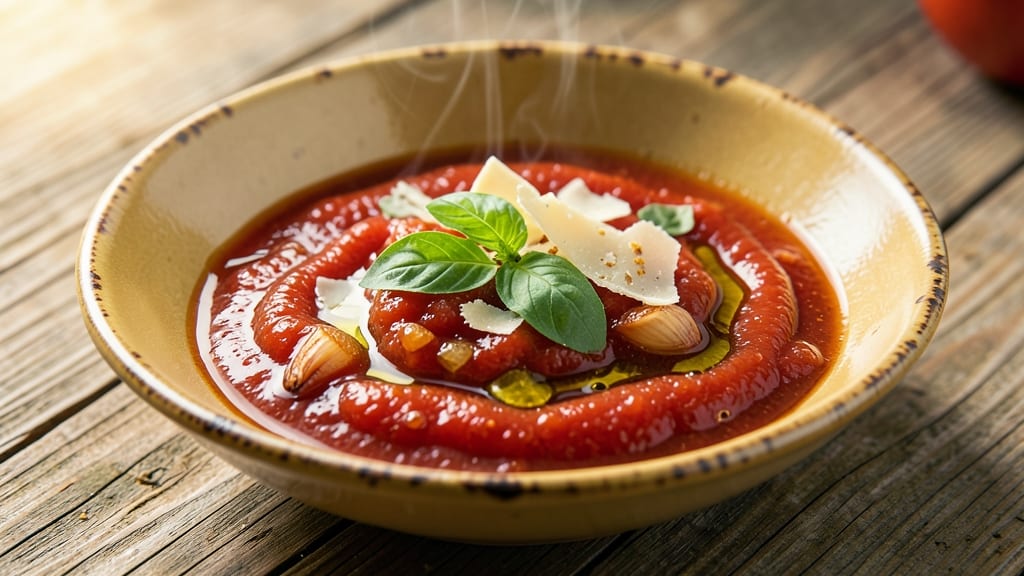
Grandma's old-fashioned tomato sauce recipe brings the soul of a Sunday dinner to your kitchen with every spoonful—rich, slow-simmered umami that transforms simple ingredients into something extraordinary. The secret lies in patience: letting garlic and onions caramelize before adding crushed tomatoes creates depth that no shortcut can replicate.
This isn't just sauce; it's the kind that makes spaghetti night feel like a family reunion.
What makes this recipe timeless is its simplicity—just a handful of ingredients, but each plays a crucial role. Olive oil forms the foundation, garlic and onions build flavor, and fresh basil ties it all together with bright, aromatic notes.
The slow simmer reduces the sauce to a velvety consistency that clings perfectly to pasta, while the crust of parmesan on top adds a salty, golden finish that elevates every bite.
By the time you're done, you'll have a sauce so deeply flavorful it tastes like it's been simmering for hours—even though it only takes about 45 minutes. The aroma alone will have everyone gathering around the table, and the taste?
That's the kind of umami-packed goodness that turns an ordinary meal into a memory. This is the sauce your grandma would be proud of, and the one your family will ask for again and again.
Store it in the refrigerator for up to a week or freeze for months—because once you taste homemade, store-bought just won't compare. Let's get cooking and bring a little tradition to your kitchen.
Ingredients for grandma's old fashioned tomato sauce
Just ten simple ingredients transform into the kind of tomato sauce grandma made.
| Ingredient | Amount | Notes |
|---|---|---|
| Extra-Virgin Olive Oil 🫒 | ½ cup | High quality, fruity for best flavor |
| Yellow Onion 🧅 | 1 whole | Medium size, finely chopped |
| Garlic Cloves 🧄 | 6 cloves | Fresh, peeled and minced |
| Canned San Marzano Tomatoes 🍅 | 28 oz | Whole, crushed by hand |
| Fresh Basil Leaves 🌿 | ½ cup | Packed, stems removed |
| Parmesan Cheese 🧀 | ¼ cup | Freshly grated, from block |
| Dried Oregano 🌿 | 1 tsp | Italian variety preferred |
| Ground Black Pepper 🌶️ | ½ tsp | Freshly cracked preferred |
| Sea Salt 🧂 | 1 tsp | Kosher or fine grain |
| Granulated Sugar 🍚 | 1 tsp | Balances acidity |
San Marzano tomatoes are the gold standard here—look for the official DOP label at Italian markets or well-stocked grocery stores like Whole Foods. The extra cost is worth it for that sweet, meaty flavor. Fresh basil is non-negotiable; the farmers market variety has more aroma than grocery store bunches. For Parmesan, skip the pre-grated stuff—it's full of anti-caking agents. Grab a wedge and grate it yourself. The olive oil should be fruity and peppery—California or Italian brands work best. If you can't find San Marzano, any high-quality crushed tomatoes will do, but you'll notice the difference.
No fresh basil? Dried works at half the amount, but it won't have that same bright punch. Short on sugar? Skip it entirely—the tomatoes should naturally balance the acidity. Using canned tomatoes instead of fresh? Add a pinch of baking soda to soften the skins before crushing. The oregano is traditional, but dried thyme or rosemary adds a nice twist if you're feeling adventurous. For a deeper flavor, roast the garlic cloves before mincing them—just wrap them in foil and bake at 400°F for 10 minutes. The caramelized taste is worth the extra step.
This sauce tastes even better the next day as flavors meld. Store in airtight glass jars in the fridge for up to 1 week. For longer storage, freeze in ice cube trays—just thaw and warm gently. The Parmesan topping? Add it fresh before serving, so it stays crisp. Double the batch and freeze half—nothing beats homemade sauce straight from the freezer on a busy weeknight. Leftovers make great pizza sauce or pasta topping.
Why You'll Love This Recipe
- No-Chop Nightmare: I swear by this sauce because it’s the only one where I can skip dicing onions—just a quick chop of one, then let the slow simmer soften everything. The San Marzano tomatoes handle the work for you, breaking down into that velvety texture with zero fuss.
- Garlic-Basil Magic: That first whiff of garlic sizzling in olive oil? It’s the hook. Then the basil—torn, not chopped, because freshness matters—releases its perfume as it cooks down. Honestly, the balance of sweet tomatoes, sharp garlic, and bright basil is what makes me reach for this jar midweek.
- Pasta Party Star: This sauce isn’t just for spaghetti—it’s my go-to for lasagna, bruschetta, or even a quick skillet of rigatoni. I’ll be real: my lazy Sunday mornings involve slathering it on toast with a sprinkle of Parmesan. It’s the kind of sauce that turns a simple meal into a thing.
- Fridge Goldmine: Make a big batch, and you’ve got dinner covered for days. The flavors deepen overnight, and it reheats like a dream—no watery mess, just rich, concentrated goodness. Between us, I’ve fed a houseful of hungry teens with two jars of this stuff and still had leftovers for lunch. Budget win.
Step-by-step instructions for grandma's old-fashioned tomato sauce
Here's how to create that timeless, rich tomato sauce your family will swear by.
Sauté the Onion Until Translucent
Heat the 0.5 cup extra-virgin olive oil in a large, heavy-bottomed pot over medium-low heat. Add the 1 whole yellow onion that's been finely chopped and cook for 8-10 minutes, stirring occasionally. You're looking for the onion to soften and turn translucent—this builds the flavor foundation without burning.
Here's the thing—don't rush this step. The onions should caramelize slightly at the edges, which adds depth to the sauce. If you notice the onions starting to brown too quickly, reduce the heat just a touch. The goal is sweet, soft onions that melt into the sauce later without any bitterness.
Add Garlic and Spices for Maximum Flavor
Once the onions are translucent, increase the heat to medium and add the 6 cloves minced garlic cloves. Cook for 1-2 minutes until fragrant—you'll smell that unmistakable garlic aroma. Immediately add the 1 tsp dried oregano, 0.5 tsp ground black pepper, and 1 tsp sea salt, stirring to combine.
Don't walk away during this step. Garlic burns faster than you think, and burnt garlic makes the whole sauce taste bitter. You'll know it's perfect when the garlic is golden around the edges but still has a slight bite in the center. This is where the sauce gets its complex, layered flavor profile.
Crush and Simmer the Tomatoes
Add the 28 oz canned San Marzano tomatoes and use your hands or a wooden spoon to crush them against the pot's sides, creating a chunky texture. Stir in the 1 tsp granulated sugar—this balances the acidity of the tomatoes. Bring the mixture to a gentle boil, then reduce the heat to low and let it simmer uncovered for 45-50 minutes.
This is where the magic happens. As the sauce simmers, the flavors meld together and deepen. Stir occasionally to prevent sticking, but don't over-stir—you want that beautiful tomato skin to form on top. After about 30 minutes, you'll notice the sauce thickens noticeably. That's when you know it's coming together.
Finish with Fresh Basil and Parmesan
When the sauce has reduced and thickened to your desired consistency (it should coat the back of a spoon), remove it from the heat. Stir in the 0.5 cup fresh basil leaves and 0.25 cup freshly grated Parmesan cheese. Let the sauce sit off the heat for 5 minutes—this allows the flavors to fully integrate.
Taste and adjust the seasoning if needed. You might want to add a pinch more salt or a splash of water if it's too thick. The sauce should be rich, slightly sweet, and bursting with tomato flavor. The fresh basil adds a bright, herbal note that cuts through the richness, while the Parmesan gives it that classic Italian depth.
Rest and Serve
Let the sauce rest for 10 minutes before serving. This resting period allows the flavors to settle and the sauce to thicken slightly more. I know it's hard to wait when it smells this good, but trust me—this step makes all the difference in the final texture and flavor.
Serve this sauce immediately over your favorite pasta, or store it in an airtight container in the refrigerator for up to 5 days. It actually tastes better the next day as the flavors continue to develop. This is the kind of sauce that makes simple meals feel like a celebration.
Pro Tips For Making Grandma'S Old Fashioned Tomato Sauce
- Sweat the Onion First: I learned this the hard way—skip the sizzle, go for the slow sweat. Dice that onion fine (smaller than you think) and cook it in the olive oil over medium-low heat until it’s translucent and just starting to turn golden. No browning, no rushing—this is where the flavor builds. If you crank the heat, you’ll end up with bitter bits instead of sweet, mellow base for your sauce.
- Crush Garlic Like It’s 1987: Minced garlic burns faster than you can say “oops.” For this sauce, peel and smash the cloves with the flat side of your knife—just enough to bruise them, not chop. Then let them sit in the pot with the onion for 2-3 minutes before adding the tomatoes. They’ll soften and infuse flavor without turning acrid. (Yes, even if you’re impatient like me.)
- Break the Tomatoes by Hand: Resist the urge to blend or puree those San Marzano tomatoes—grandma’s sauce has texture. Use your fingers to tear the tomatoes into rough chunks (skins and all) before adding them to the pot. The skins soften and melt into the sauce, adding depth. If you’re lazy and blend, at least strain out the seeds first—they make the sauce watery.
- Salt in Stages, Not All at Once: Taste the sauce before you add the basil. San Marzano tomatoes are sweet but low in salt, so start with a pinch (½ tsp) while cooking, then adjust at the end. If you dump in a whole teaspoon upfront, you’ll either need to dilute the sauce or live with a bland finish. Trust me, your taste buds will thank you later.
Perfect pairings for these flavors
Pasta Perfection
This sauce is a match made in heaven with al dente spaghetti or bucatini, where its rich, chunky texture clings beautifully to each strand. I swear by Bronze Die pasta—the rough surface grabs the sauce like nothing else.
For a rustic touch, try tonnarelli or pappardelle, which soak up the sauce like a sponge. If you're feeling adventurous, toss it with farfalle or penne for extra sauce retention in every bite. 🍝
Cheesy Comfort
Elevate your sauce by serving it over baked ziti or manicotti, where the melted cheese creates a creamy, saucy blanket. I love adding a layer of ricotta mixed with egg and herbs before baking, then smothering it in this sauce.
For a quick weeknight meal, top garlic bread with a generous spoonful and broil until bubbly. The contrast of crispy bread and velvety sauce is pure comfort food magic.
Pizza Base
Use this sauce as your foundation for a homemade pizza that rivals your favorite Italian spot. Spread it thin on dough, then top with mozzarella, sliced tomatoes, and fresh basil.
For a gourmet twist, add prosciutto or caramelized onions. The sauce's depth shines through without overpowering other toppings. I often make a double batch—one for pizza night and one for pasta.
Meat Pairings
This sauce pairs wonderfully with braised short ribs, where the tender meat soaks up the rich tomato flavor. I also love serving it alongside grilled chicken thighs—the juices from the chicken blend beautifully with the sauce.
For a hearty meal, simmer Italian sausage in the sauce during the last 15 minutes of cooking. The fat from the sausage adds incredible richness to the finished dish. 🍖
Bread Dippers
No need to save this sauce just for pasta—it's perfect for dipping crusty bread or garlic knots. I like to toast sourdough slices until golden, then dip them into the warm sauce.
For a fancy touch, serve with warm focaccia or ciabatta at your next gathering. The sauce's versatility makes it a crowd-pleaser for any occasion.
Freezer-Friendly
Make a big batch and freeze it in ice cube trays for easy portioning later. Thaw overnight in the fridge, then reheat gently on the stovetop. I keep a stash in my freezer for busy nights—just add some fresh basil and Parmesan when reheating.
The sauce keeps its rich flavor even after freezing, making it perfect for meal prep. 🧊
Nutrition facts
Frequently asked questions
Why does this tomato sauce taste better the next day?
The long simmering process allows flavors to meld, but resting overnight lets the acidity in tomatoes mellow and the aromatics (like garlic and basil) deepen. The starches from the tomatoes also break down further, creating a thicker, more cohesive sauce that coats better. This is why grandma's recipes always taste better reheated!
Can I substitute canned tomatoes with fresh ones?
Yes, but you'll need to adjust the process. Use 4-5 medium fresh tomatoes (peeled, seeded, and chopped), then simmer for 30-40 minutes instead of 45-50 minutes to avoid excess liquid. Fresh tomatoes release more juice, so you may need to reduce the heat slightly. The texture will be slightly chunkier but equally flavorful.
What's the secret to preventing the sauce from sticking to the pot?
Use a heavy-bottomed pot and stir occasionally while simmering—never let it boil vigorously. The sugar in the recipe helps caramelize the tomatoes, but too much heat creates a skin that can stick. If it starts sticking, add 1-2 tablespoons of water and stir gently. A well-seasoned pot also makes a big difference!
How can I make this sauce spicier?
Add 1-2 teaspoons of red pepper flakes when you stir in the oregano and black pepper. For heat with depth, include 1/2 teaspoon of crushed fennel seeds (toasted briefly in the olive oil) or a pinch of cayenne. If you prefer smoky heat, try 1/2 teaspoon of smoked paprika instead. Always taste as you go!
What's the best way to reheat leftover sauce?
Gently warm it on the stovetop over low heat with a splash of water or pasta water to loosen it. Stir frequently to prevent scorching. For extra freshness, add a few fresh basil leaves and 1 tablespoon of grated Parmesan while reheating. Microwaving works in a pinch, but it can make the sauce watery—always stir well after heating.