
Sauces & Condiments
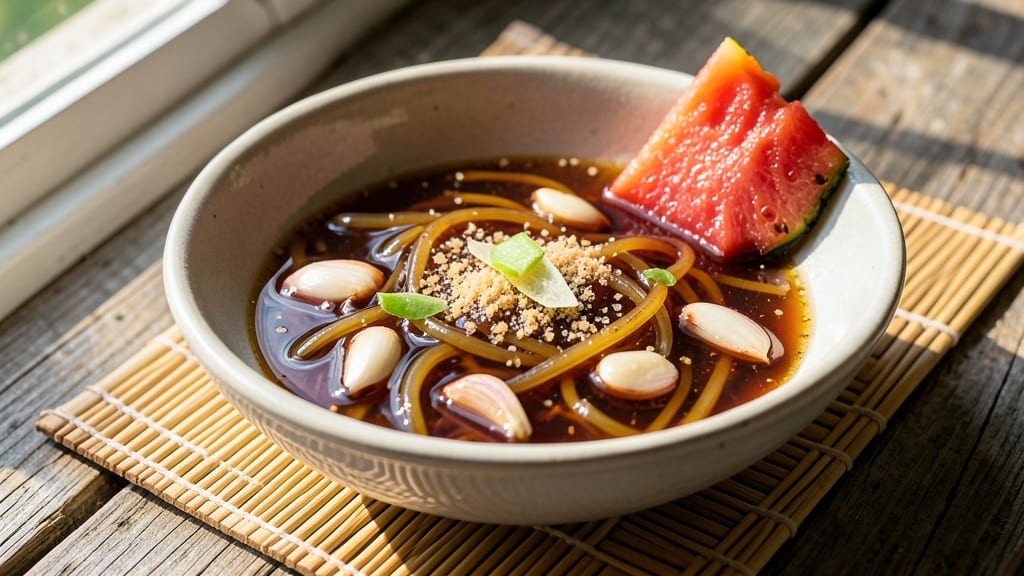
This authentic Hawaiian teriyaki sauce transforms ordinary dishes into vibrant, umami-rich masterpieces with its signature pineapple-braised depth. 🌺 The secret lies in balancing traditional Japanese soy-based teriyaki with tropical sweetness—caramelized brown sugar and fresh pineapple juice create a glaze that's both sticky and sophisticated, perfect for glazing meats, marinating fish, or drizzling over rice bowls.
Unlike commercial versions, this sauce builds flavor through slow reduction, where ginger and garlic develop complex aromatics while the pineapple adds a bright, fruity contrast that cuts through richness.
The result is a glossy, aromatic sauce with layers of sweet, savory, and slightly tangy notes—ideal for grilled chicken, roasted pork, or even as a dipping sauce for dumplings.
What makes this recipe truly authentic is the technique: simmering the sauce until it thickens into a syrupy consistency that clings beautifully to proteins. The pineapple isn't just sweet—it tenderizes and adds a subtle acidity that balances the soy's saltiness, creating harmony in every bite.
Store it in the fridge for up to 2 weeks or freeze for longer shelf life.
This isn't just a sauce—it's a flavor experience that elevates any dish with minimal effort. Whether you're preparing a traditional Hawaiian luau or a quick weeknight meal, this teriyaki delivers restaurant-quality results at home. Let's create it step by step.
Ingredients for authentic hawaiian teriyaki sauce
Nine ingredients blending tropical brightness with umami depth for restaurant-quality teriyaki.
| Ingredient | Amount | Notes |
|---|---|---|
| Fresh Pineapple Juice 🍍 | 1 cup | Freshly extracted, no pulp |
| Light Soy Sauce 🥢 | ½ cup | Kikkoman preferred for balance |
| Dark Soy Sauce 🥢 | ¼ cup | For deeper umami richness |
| Light Brown Sugar 🍚 | ½ cup | Packed, not scooped |
| Fresh Ginger Root 🌿 | 2 tbsp | Finely grated, no zest |
| Garlic Cloves 🧄 | 4 cloves | Minced, not pressed |
| Extra-Virgin Olive Oil 🫒 | 1 tbsp | For initial deglazing |
| Rice Vinegar 🍶 | ¼ cup | Seasoned preferred |
| Sesame Oil 🌰 | 1 tsp | Toasted, not flavored |
| Diamond Crystal Kosher Salt 🧂 | ½ tsp | Fine grain preferred |
The pineapple juice is non-negotiable—freshly extracted from a ripe pineapple delivers the bright acidity that balances the soy's saltiness. Costco or local markets often carry whole pineapples at better prices than pre-juiced bottles. For ginger and garlic, organic varieties from the grocery store's produce section ensure maximum freshness. The light and dark soy sauces work together to create depth—Kikkoman for light, Lee Kum Kee for dark are industry standards. Brown sugar should be packed, not scooped, to achieve the proper caramelization during reduction.
No fresh pineapple juice? High-quality bottled pineapple juice (like Del Monte Gold) works in a pinch, but avoid brands with added sugar. Substitute rice vinegar with apple cider vinegar at equal measure, though the flavor profile will shift slightly. For a deeper umami boost, add 1 tsp fish sauce (ensure it's gluten-free if needed). Sesame oil can be omitted if avoiding nutty flavors, but the toasted version adds an essential aromatic layer. The sesame seeds aren't listed as an ingredient, but toasted and sprinkled on top before serving elevate presentation.
This sauce thickens beautifully during reduction—simmer until it coats the back of a spoon for optimal cling. Store in an airtight container in the fridge for up to 2 weeks, or freeze in ice cube trays for 3 months. Reheat gently over low heat, adding a splash of water if it thickens too much. The sauce's versatility makes it a pantry staple: glaze proteins, drizzle over rice, or use as a dipping sauce for dumplings. Double the batch—it disappears quickly.
Why You'll Love This Recipe
- No Chopping Needed: I swear by this sauce because it only asks for a ginger root to peel and a pineapple to juice—no dicing, no mincing, just a knife and a squeeze. The fresh ginger adds zing without the fuss, and the pineapple juice cuts through the sweetness like a breeze.
- Sweet-Savory Magic: Between us, the combo of light and dark soy sauce gives this sauce depth—caramelized richness with a subtle umami punch. The brown sugar caramelizes just enough when simmered, so every glaze has that sticky, irresistible sheen.
- Weeknight to Dinner Party: I’ve drizzled this over grilled chicken for a Monday dinner, then slathered it on skewers for a Sunday BBQ, and it never lets me down. The sauce thickens perfectly for glazing or thinning for a quick stir-fry marinade—no extra work, just versatility.
- Budget-Friendly Staple: Honestly, this sauce costs me pennies per serving, and it keeps for weeks in the fridge. A little goes a long way, so I’m always stocking up—whether I’m feeding my family or saving leftovers for next week’s lunches.
Step-by-step instructions for authentic Hawaiian teriyaki sauce
This method delivers restaurant-quality depth with balanced sweetness and umami.
🍳 Step 1: Bloom the Aromatics in Olive Oil
Heat the 1 tablespoon extra-virgin olive oil in a medium saucepan over medium-low heat until shimmering but not smoking. Add the 2 tablespoons finely grated fresh ginger root and 4 minced garlic cloves, stirring constantly for 1-2 minutes until fragrant and the raw garlic scent disappears.
This low-and-slow approach prevents burning while maximizing flavor extraction. You'll know it's ready when the mixture smells vibrant and the garlic turns translucent at the edges. Keep the heat gentle—ginger burns faster than it releases its essence.
🥘 Step 2: Deglaze with Rice Vinegar and Soy Sauces
Pour in the 0.25 cup seasoned rice vinegar and immediately scrape up any browned bits from the pan bottom with a wooden spoon. Add the 0.5 cup light soy sauce and 0.25 cup dark soy sauce, stirring continuously for 2-3 minutes until the mixture reduces slightly and thickens.
The vinegar cuts through the richness while the dark soy sauce adds that signature caramelized depth. You'll see the sauce darken and develop a glossy sheen—this is when the umami compounds begin to meld. If the sauce looks too thin at this stage, reduce heat slightly but don't rush the process.
🔥 Step 3: Add Sugar and Pineapple Juice
Stir in the 0.5 cup packed light brown sugar and 1 cup fresh pineapple juice (strained if needed). Increase heat to medium-high and bring to a gentle boil, then immediately reduce to medium-low heat. Simmer uncovered for 10-12 minutes, stirring occasionally, until the sauce thickens to a glossy consistency that coats the back of a spoon.
The pineapple juice adds bright acidity that balances the sweetness, while the sugar caramelizes slightly to create that signature teriyaki shine. You're aiming for a sauce that's thick enough to cling but still pourable—not syrupy. If it reduces too quickly, add 1-2 tablespoons water to maintain balance.
⏰ Step 4: Finish with Sesame Oil and Salt
Remove the sauce from heat and stir in the 1 teaspoon toasted sesame oil and 0.5 teaspoon fine-grain kosher salt. Let the sauce rest for 5 minutes to allow flavors to fully meld. Taste and adjust seasoning—you may need an additional pinch of salt or a splash of rice vinegar to perfect the balance.
The sesame oil adds nutty depth and that unmistakable Hawaiian touch. This resting period is crucial—it lets the sauce develop its final texture and flavor profile. For best results, use the sauce immediately on grilled meats, but it will keep in an airtight container in the refrigerator for up to 5 days, or freeze for 3 months.
Pro Tips For Making Authentic Hawaiian Teriyaki Sauce
- STRAIN THE GINGER WELL: I learned this the hard way—grated ginger in teriyaki sauce leaves it grainy and unappealing. Use a fine-mesh strainer (or even cheesecloth) after grating to catch every bit of fiber. Trust me, your sauce will look and taste smoother, even if it takes an extra 30 seconds.
- SIMMER LOW AND SLOW: Cranking the heat to speed things up turns your sauce into syrup. Keep it at a gentle bubble—just small ripples breaking the surface—so the pineapple juice caramelizes instead of burning. After burning three batches, I finally figured out patience pays off here.
- USE DARK SOY FOR DEPTH: Light soy adds saltiness, but dark soy brings that rich, molasses-like depth. Skip the shortcut of using only light soy—it’ll taste flat. Even a tablespoon of dark soy (about 15% of the total soy) makes a real difference in complexity.
- REDUCE THE PINEAPPLE JUICE: Fresh pineapple juice is bright and tangy, but it evaporates fast. Start with ½ cup less than the recipe calls for—you can always add more later. This ensures your sauce thickens properly without turning watery, especially if you’re cooking it longer for extra flavor.
Essential equipment for this dish
Medium Saucepan
A 3-quart stainless steel saucepan is my go-to for this recipe—it provides ample surface area for even heat distribution while allowing room for the sauce to reduce properly. I use a Calphalon Tri-Ply pan because its thick base prevents hot spots that can burn the sauce.
If you're on a budget, a Cuisinart MultiClad or All-Clad Stainless also work beautifully. Avoid non-stick pans for this sauce—the Maillard reaction from stainless steel adds depth to the caramelization. 🔥
Wooden Spoon
A high-quality wooden spoon (I prefer Oxo Good Grips) is essential for stirring without scratching your pan. Wood distributes heat evenly and prevents scorching while scraping up flavorful browned bits during deglazing. Avoid metal utensils—they can react with the acidic vinegar and soy sauce over time.
For extra durability, soak your wooden spoon in hot, soapy water for 10 minutes before first use to prevent warping.
Fine-Mesh Strainer
If you're using fresh pineapple, a fine-mesh strainer (like OXO Good Grips) ensures your sauce is smooth and free of pulp. I strain the juice through a double layer of cheesecloth for an ultra-silky texture.
For the ginger and garlic, I like to press them through a microplane to extract maximum flavor without introducing fibrous textures. If you skip straining, expect a slightly thicker, pulpier sauce that works well for glazing but may be too chunky for drizzling.
Digital Thermometer
While not strictly necessary, a digital instant-read thermometer (I use ThermoWorks Thermapen ONE) helps monitor the sauce's reduction progress. Aim for a final temperature between 205-210°F—this ensures proper thickness without over-reducing.
The thermometer also prevents burning by alerting you when the sauce reaches critical stages. For a budget option, Taylor Precision Products makes reliable models under $20. 🌡️
Air-Tight Storage Container
For fridge storage, I recommend glass mason jars (like Ball or Le Parfait) with screw-on lids—they preserve flavor better than plastic and are microwave-safe. For freezing, use silicone ice cube trays to portion single-use servings.
Label containers with the date and "Teriyaki Sauce" to track freshness. The sauce's acidity means it won't keep as long as neutral sauces, so proper airtight storage is critical for maintaining quality.
Nutrition facts
Frequently asked questions
Why does this teriyaki sauce include pineapple?
The pineapple juice is key to authentic Hawaiian teriyaki—it adds bright acidity that cuts through the richness of soy and sugar while tenderizing proteins. The enzymes in pineapple break down tough fibers, making meats like pork or chicken more tender. Plus, it creates that signature tropical-sweet balance that sets Hawaiian teriyaki apart from Japanese versions.
Can I make this sauce without fresh pineapple?
Yes! Use high-quality bottled pineapple juice (like Del Monte Gold) without added sugar. For extra authenticity, add 1 teaspoon lime juice to mimic fresh pineapple's tang. Avoid juices with preservatives—they can alter the sauce's flavor profile. The texture will be slightly smoother but still delicious.
How do I know when the sauce is thick enough?
The sauce is ready when it coats the back of a spoon smoothly but isn't syrupy. Aim for a glossy consistency that clings to proteins. If it's too thin, simmer uncovered for 2-3 more minutes. If too thick, whisk in 1 tablespoon water while warm. The perfect texture should be like "honey-thin"—thick enough to glaze but still pourable.
What's the best way to use leftover sauce?
Store in an airtight container for up to 5 days in the fridge or 3 months frozen in ice cube trays. Use it to glaze grilled fish, drizzle over rice bowls, or as a dipping sauce for dumplings. For extra richness, reheat gently with 1 teaspoon butter while warming. The sauce thickens when chilled, so thin with water if needed before reheating.
Can I substitute dark soy sauce?
Yes, but adjust the color and flavor. Dark soy sauce adds depth and color—if omitted, use 1 extra tablespoon light soy sauce and 1 teaspoon molasses for similar richness. For a deeper umami boost, add ½ teaspoon fish sauce (ensure it's gluten-free if needed). The sauce will be lighter but still flavorful.