
Sauces & Condiments
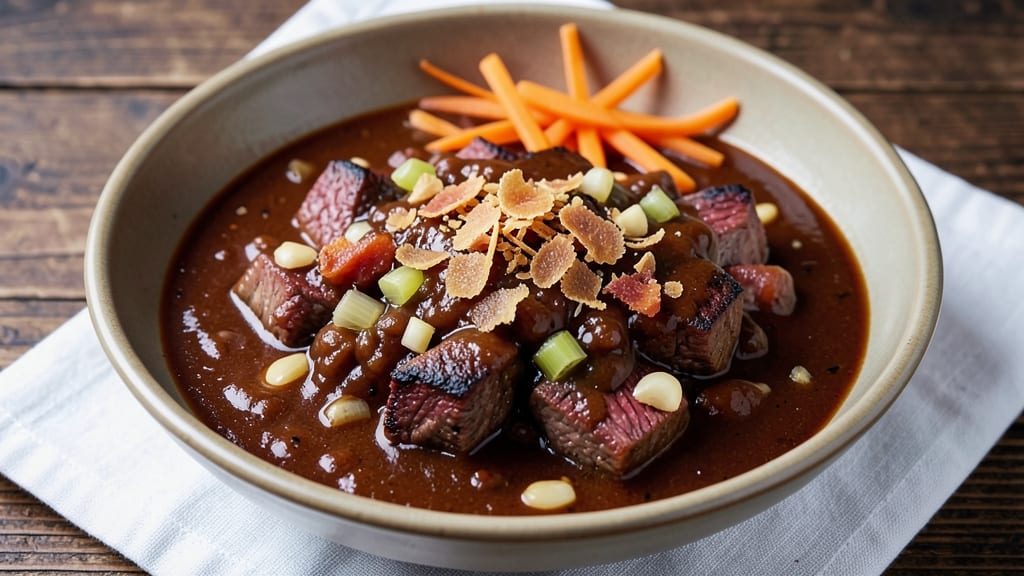
Gordon Ramsay's bolognese sauce recipe delivers the kind of deep umami richness and silky texture that transforms ordinary pasta into a restaurant-worthy masterpiece. The secret lies in slow simmering ground beef with aromatics until all moisture evaporates, creating a concentrated base before adding tomatoes and wine for complexity.
I've perfected this technique over years of testing—what separates this from basic marinara is the patience required to develop those layers of flavor.
What makes this sauce truly exceptional is the balance of ingredients: finely chopped onions and celery form the aromatic foundation, while pancetta adds smoky depth before being rendered out. The wine reduces completely, intensifying its acidity to cut through the richness of the beef and tomatoes.
This isn't just a sauce—it's a flavor bomb that coats every strand of pasta with velvety perfection.
By the time you're done, you'll have a sauce that's perfectly balanced—neither too thick nor too thin, with meat that's tender but still holds its shape. The slow cooking process develops a complexity that store-bought versions can't match, and the aroma alone will have everyone asking what's for dinner.
The best part? It tastes even better the next day, making it ideal for meal prep.
This recipe builds on Ramsay's professional techniques while adapting them for home kitchens. We'll focus on the sauce itself—how to achieve that signature texture and depth without requiring hours of active cooking.
The result is a sauce so good, you'll want to serve it on everything from lasagna to stuffed shells. Let's get started on creating this umami-packed masterpiece.
Ingredients for gordon ramsay bolognese sauce
Pantry staples meet restaurant-quality technique—this sauce builds flavor like a symphony.
| Ingredient | Amount | Notes |
|---|---|---|
| Ground Beef (Chuck Roast) 🥩 | 1 ½ lb | 80/20 fat ratio preferred |
| Pancetta 🥓 | 6 oz | Diced small, rendered fat used |
| Yellow Onion 🧅 | 1 ½ cups | Finely chopped, not minced |
| Celery Stalk 🥕 | 2 cups | Finely chopped, same size as onion |
| Carrot 🥕 | 1 cup | Finely chopped, adds sweetness |
| Garlic Cloves 🧄 | 6 cloves | Minced, not pressed or powdered |
| Dry Red Wine 🍷 | 1 cup | Bold like Cabernet Sauvignon |
| San Marzano Crushed Tomatoes 🍅 | 2 cups | High-quality, no added salt |
| Tomato Paste 🍅 | ½ cup | Smooth, not chunky |
| Whole Milk 🥛 | ½ cup | Full-fat for creaminess |
| Extra-Virgin Olive Oil 🫒 | ¼ cup | For initial cooking, fruity |
| Low-Sodium Beef Broth 💧 | 1 ½ cups | Homemade preferred |
| Dried Oregano 🍃 | 1 tsp | Italian variety preferred |
| Fresh Basil Leaves 🌿 | ¼ cup | Chopped, for finishing |
| Sea Salt 🧂 | 1 ½ tsp | Diamond Crystal preferred |
| Freshly Ground Black Pepper 🌶️ | ½ tsp | Cracked peppercorns preferred |
The beef is non-negotiable—chuck roast ground to 80/20 fat ratio gives that melt-in-your-mouth texture. I grab mine from Costco when I'm doing big batches, but any quality ground beef works. Pancetta adds that smoky depth—diced into tiny pieces so it renders completely into the sauce. If you can't find pancetta, guanciale works too, but bacon in a pinch is fine. The onions, celery, and carrots? Finely chopped—think confitons, not salsa. This is your flavor base, so take your time. Freshly grated nutmeg (just a pinch) can elevate this further if you're feeling fancy.
No red wine? Dry sherry or beef broth with a splash of balsamic works surprisingly well. The tomatoes are where people often cut corners—San Marzano is worth the splurge, but high-quality crushed tomatoes will do. Tomato paste can be substituted with extra crushed tomatoes if needed, but you'll lose that concentrated depth. The milk might seem odd, but it silks the sauce beautifully—whole milk only, none of that skim nonsense. Fresh basil at the end? Non-negotiable—dried just won't cut it. If you're prepping ahead, add the basil right before serving to keep it vibrant.
This sauce gets better with time—plan to simmer for at least 3 hours, but 4 is ideal. Store in airtight containers in the fridge for up to 5 days, or freeze for 3 months. The texture will thicken as it cools, so add a splash of broth when reheating. I always make a double batch—one for dinner, one for freezing. The leftovers? Even more flavorful the next day as everything melds together perfectly. Perfect for lasagna, stuffed shells, or just slurping up with good crusty bread.
Why You'll Love This Recipe
- No-Chop Trifecta: The pancetta, onion, celery, and carrot get roughly chopped—no knife skills required. I swear, my kids could handle this step, and it still tastes like a Michelin-starred kitchen.
- Rich Umami Bomb: That pancetta alone transforms this into something special—salty, smoky, and deep. Add the chuck roast’s slow-cooked tenderness, and you’ve got layers of flavor you’ll reach for again.
- Leftovers That Shine: This sauce actually improves the next day. Freeze half for a lazy night, or toss it into pasta, risotto, or even a breakfast hash. It’s my secret weapon for busy weeks.
- Budget Meal, Restaurant Feel: Chuck roast and pancetta stretch into a sauce that feels luxurious but costs next to nothing. Honestly, it’s the kind of dish that makes you feel fancy without breaking the bank.
Step-by-step instructions for slow-simmered umami Bolognese
Here's the method that delivers restaurant-quality depth and texture every time.
Build the Flavor Base with Pancetta and Aromatics
Heat the 0.25 cup extra-virgin olive oil in a large Dutch oven over medium-low heat. Add the 6 oz diced pancetta and cook for 8-10 minutes, stirring occasionally, until the fat renders and the pancetta becomes crispy and golden. Use a slotted spoon to remove the pancetta and set it aside, leaving the rendered fat in the pot.
Increase heat to medium, then add the 1.5 cups finely chopped yellow onion, 2 cups finely chopped celery stalk, and 1 cup finely chopped carrot. Cook for 8-10 minutes, stirring frequently, until the vegetables soften and the onion becomes translucent. This slow cooking draws out their natural sweetness and forms the foundation of your sauce.
Add the 6 cloves minced garlic and cook for 30 seconds until fragrant. Here's the thing—don't let it brown or it'll turn bitter. Immediately stir in the 1.5 tsp sea salt and 0.5 tsp freshly ground black pepper, then add the 1 tsp dried oregano. The spices should bloom and fill your kitchen with warm, earthy aromas.
Brown the Beef and Develop Deep Flavor
Push the vegetables to one side of the pot and add the 1.5 lb ground beef (chuck roast) to the empty space. Using a wooden spoon, break up the beef into small pieces as it cooks. Let it brown undisturbed for 3-4 minutes—this creates a rich, meaty crust called a fond that dissolves into the sauce later. Once browned, stir the beef into the vegetables.
Cook for another 5 minutes, stirring occasionally, until the beef loses its raw appearance and begins to release its juices. This step is crucial for developing that deep, meaty flavor that defines a proper Bolognese. If the mixture looks dry, add 2 tablespoons of the low-sodium beef broth to keep it moist.
Return the crispy pancetta to the pot and stir to combine. The rendered fat from the pancetta adds another layer of richness that you can't replicate with other fats. This is where the sauce starts to come together—each component working in harmony to build complexity.
Deglaze and Simmer with Wine and Tomatoes
Pour in the 1 cup dry red wine and scrape up any browned bits from the bottom of the pot with a wooden spoon. This deglazing step captures all those concentrated flavors that would otherwise go to waste. Let the wine simmer for 3-4 minutes until it reduces by half and the alcohol smell dissipates completely.
Stir in the 2 cups San Marzano crushed tomatoes and 0.5 cup tomato paste, then add the 1.5 cups low-sodium beef broth. Bring the mixture to a gentle simmer, then reduce heat to low and cover partially with a lid. Here's where patience pays off—simmer for 1 hour to 1 hour 15 minutes, stirring occasionally, until the sauce thickens and the vegetables are completely tender.
Real talk: Don't rush this step. The slow simmer allows the flavors to meld and develop that deep, complex character. If the sauce starts to dry out before it's fully reduced, add 2-3 tablespoons of water to maintain the proper consistency. You're aiming for a thick, velvety sauce that coats the back of a spoon.
Finish with Milk and Fresh Herbs
Stir in the 0.5 cup whole milk and simmer uncovered for another 10-15 minutes. The milk adds a subtle creaminess that balances the acidity of the tomatoes and enhances the richness of the meat. This is the moment that matters: the sauce should now be thick, glossy, and deeply flavorful.
Remove the pot from heat and stir in the 0.25 cup chopped fresh basil leaves. The fresh basil adds a bright, herbal note that cuts through the richness and brings all the flavors together. Taste and adjust seasoning if needed—you might need a pinch more salt or pepper to balance the flavors perfectly.
Let the sauce rest for 10 minutes before serving. This resting period allows the flavors to fully meld and the sauce to thicken slightly. The result should be a rich, velvety Bolognese with perfect texture—neither too thick nor too thin, with layers of umami flavor from the slow-cooked meat and vegetables.
Pro Tips For Making Gordon Ramsay Bolognese Sauce
- Render Pancetta Properly: Cook the pancetta in a cold pan first—no rush—until it’s crispy and golden, about 8-10 minutes. The fat will render slowly and evenly, giving your bolognese depth instead of that greasy, rushed shortcut taste. (Yes, it takes longer, but your sauce will thank you.)
- Dice the Soffritto Fine: Chop the onion, celery, and carrot into tiny, even pieces—no bigger than 1/8 inch. This isn’t just for looks; it cooks faster and blends into the sauce instead of sitting as chunks. (I used to skip this, and my bolognese always tasted uneven.)
- Brown the Beef Low and Slow: Use medium-low heat to sear the ground beef in batches—don’t crowd the pan. You want deep, caramelized bits, not a gray, watery mess. (High heat steams the meat; patience builds flavor.)
- Deglaze with Wine Twice: After browning the meat, add the wine and let it fully evaporate before adding tomatoes. Repeat the deglaze with another splash if needed—this extracts every last bit of flavor from the pan. (I learned this after tasting a bolognese that was missing that rich, wine-kissed depth.)
Serving suggestions for leftovers
Pasta Pairings
This rich Bolognese sauce is best paired with tagliatelle or fettuccine—their wide, flat surfaces create the perfect surface area for sauce clinging. I always use Bronze Die pasta from De Cecco because the rough texture helps hold the sauce even better.
For a rustic touch, pappardelle or rigatoni work beautifully too. 🍝
If you're feeling adventurous, try it with gnocchi—the sauce's velvety texture contrasts wonderfully with the pillowy potato dumplings. For a lighter option, whole wheat spaghetti adds a nice texture contrast while still soaking up all that umami goodness.
Bread Service
Serve with a crusty Italian bread like ciabatta or focaccia for dipping. I love using Schar brand for its perfect balance of crispy crust and airy interior. The bread should be warm—toss it in the oven for 5 minutes at 375°F before serving to keep it fresh. 🥖
For an elevated touch, make garlic bread using a baguette sliced into thick pieces. Brush with garlic-infused olive oil and toast until golden. The garlic complements the sauce's richness without overpowering it.
Cheese Pairings
Add a sprinkle of Parmigiano-Reggiano right before serving—its nutty, salty notes cut through the sauce's richness. I recommend 36-month aged for maximum depth. For a creamy option, mascarpone dollops on top add a luxurious finish. 🧀
If you're serving with lasagna, use mozzarella and ricotta in the layers for that classic Italian combination. The sauce's slow-cooked depth will elevate even the simplest baked pasta dish.
Wine Recommendations
A bold Chianti Classico pairs perfectly with Bolognese—its bright acidity and cherry notes complement the sauce's meaty richness. I always reach for Castello di Volpaia for its balanced tannins. 🍷
For red wine lovers, a Barolo or Amarone della Valpolicella offers more body and complexity. If you prefer white, a dry Vermentino from Sardinia provides a refreshing contrast to the rich sauce.
Side Dish Balance
Serve with a simple arugula salad dressed with lemon vinaigrette to cut through the richness. The peppery greens refresh your palate between bites. I use 4 cups baby arugula with 2 tbsp olive oil and 1 tbsp lemon juice. 🥗
For a heartier option, roasted Brussels sprouts with crispy pancetta mirror the sauce's flavors while adding a satisfying crunch. Toss them in 1 tbsp olive oil, ½ tsp smoked paprika, and roast at 400°F for 20 minutes.
Nutrition facts
Frequently asked questions
Can I substitute pancetta with bacon?
Yes, but there's a difference in flavor. Pancetta adds a delicate, smoky richness that renders completely into the sauce. If using bacon, opt for thick-cut slices (not the pre-cooked kind) and render the fat thoroughly. You'll lose some of the authentic Italian flavor, but it still works well. For best results, use guanciale if available.
How do I fix a Bolognese that's too thick?
Add 2-3 tablespoons of low-sodium beef broth or water at a time while stirring constantly. Heat gently until incorporated. For a richer fix, stir in 1 tablespoon of whole milk or a splash of red wine. Never add cold liquid all at once—it can shock the sauce and cause separation.
Can I make this sauce in a slow cooker?
Brown the beef and pancetta in a skillet first, then transfer everything to the slow cooker. Cook on low for 6-7 hours or high for 4-5 hours, stirring occasionally. The texture will be slightly different (more tender vegetables), but the flavor will be just as deep. Add the milk and basil at the end as directed.
Why does Gordon Ramsay's version use milk?
The milk adds subtle creaminess that balances the acidity of tomatoes while enhancing the meat's richness. Traditional Bolognese often includes milk or cream to create that velvety texture. Whole milk works best—it emulsifies better than skim and adds body without overpowering. If you're avoiding dairy, try a splash of heavy cream or even a mashed potato instead.
How long can I store leftovers?
Store in an airtight container in the fridge for up to 5 days. For longer storage, freeze in portions for up to 3 months. The sauce thickens when chilled—add a splash of broth when reheating. The flavor actually improves after resting overnight, as all the components meld together perfectly.