
Sauces & Condiments
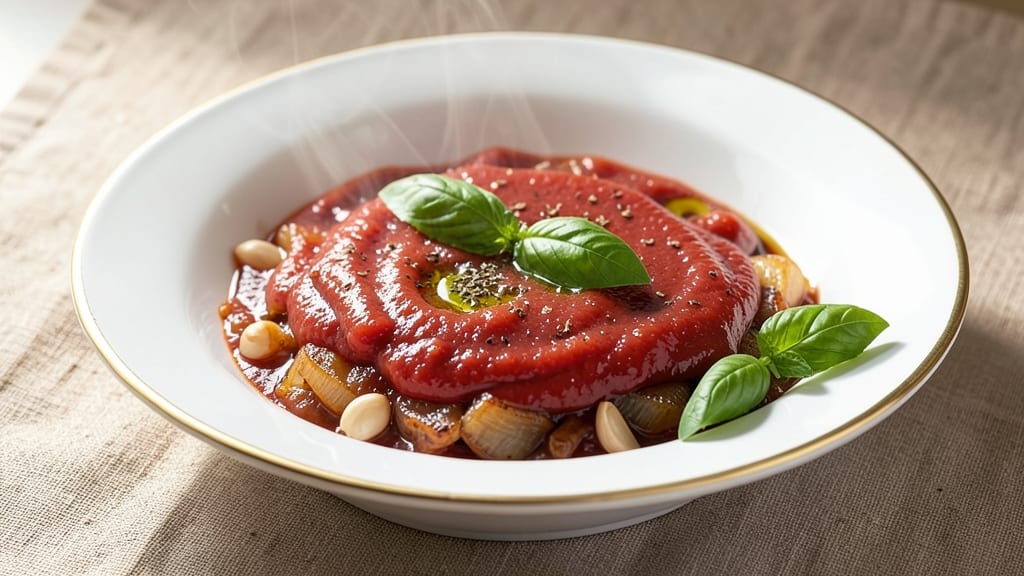
Lidia Bastianich’s tomato sauce recipe transforms simple ingredients into a deeply flavorful, slow-simmered masterpiece that elevates any Italian dish. The secret lies in patience—letting the sauce develop its rich, umami depth over time while balancing acidity and sweetness.
I’ve recreated this classic technique in my kitchen, where every simmer builds layers of complexity that store-bought versions can’t match.
This sauce begins with high-quality canned tomatoes, garlic, and olive oil—a foundation that becomes even more extraordinary when simmered low and slow. The addition of fresh basil at the end ensures bright, aromatic notes that cut through the sauce’s natural sweetness.
Unlike quick versions, this method delivers a sauce that thickens naturally, with a velvety texture perfect for pasta, pizza, or dipping bread.
What makes this recipe truly special is its versatility—it works as a base for ragù, a topping for grilled meats, or a simple sauce for fresh linguine. The slow cooking process deepens the flavors, while the final touch of basil keeps it vibrant.
Once you taste the difference, you’ll never settle for anything less than homemade again.
Ready in about 45 minutes but worth every moment, this sauce proves that great cooking isn’t about shortcuts—it’s about technique and time. Let’s get started on a batch that will last for weeks in your freezer, always ready to transform your meals.
Ingredients for lidia's tomato sauce
High-quality tomatoes, fresh basil, and slow simmering create Lidia's rich, umami-packed tomato sauce.
| Ingredient | Amount | Notes |
|---|---|---|
| Extra-Virgin Olive Oil 🫒 | ½ cup | High-quality, fruity variety preferred |
| Garlic Cloves 🧄 | 6 cloves | Freshly peeled, minced finely |
| Canned San Marzano Tomatoes 🍅 | 28 oz | Crushed by hand or blender |
| Yellow Onion 🧅 | 1 whole | Medium size, finely chopped |
| Fresh Basil Leaves 🌿 | ½ cup | Packed, stems removed |
| Dried Oregano 🍃 | 1 tsp | Italian variety preferred |
| Sea Salt 🧂 | 1 tsp | Fine grain preferred |
| Black Pepper 🌶️ | ½ tsp | Freshly ground preferred |
| Granulated Sugar 🍬 | 1 tsp | Balances acidity |
| Red Wine Vinegar 🍷 | 1 tbsp | For brightness |
The tomatoes are the foundation—San Marzano is ideal for its sweetness and low acidity, but any high-quality canned tomatoes work. Whole Foods or Trader Joe's carry excellent brands. Avoid tomatoes with added salt or preservatives. The garlic should be fresh, not jarred—it makes all the difference in flavor depth. For the olive oil, California extra-virgin brands like Otto or Corto add subtle fruity notes that elevate the sauce. If you can't find San Marzano, look for whole peeled tomatoes instead—crush them yourself for better texture.
No fresh basil? Dried oregano at half the amount works, but fresh basil's bright aroma is essential. Short on red wine vinegar? Lemon juice at the same quantity gives similar acidity. The sugar balances the tomatoes' natural acidity—don't skip it, but adjust to taste. For a deeper umami flavor, add 1 tbsp tomato paste with the garlic. If you're making a large batch, consider doubling the basil—it keeps beautifully frozen in ice cube trays. The oregano should be Italian, not Mexican—it has a more subtle, earthy flavor that complements the sauce perfectly.
This sauce tastes even better the next day as flavors meld. Store in airtight containers in the fridge for up to 5 days or freeze for 6 months. For freezing, portion into 1-cup containers—perfect for quick meals. The basil can be added fresh when reheating or stored separately in olive oil to preserve its color. When reheating, simmer gently on low heat—never boil, or the sauce will break. A splash of water or broth can help restore texture if it thickens too much.
Why You'll Love This Recipe
- I’ll be real: those plump, sweet tomatoes change everything. The moment you open a can, you’re halfway to restaurant-quality flavor—no fancy tricks needed.
- San Marzano Magic: I’ll be real: those plump, sweet tomatoes change everything. The moment you open a can, you’re halfway to restaurant-quality flavor—no fancy tricks needed.
- No-Fuss Technique: Honestly, the hardest part is peeling the garlic. Sauté onions and garlic in olive oil until soft, add tomatoes, and let them simmer. That’s it. Even my college-dorm version turned out fine.
- Pasta Party Ready: This sauce doubles as a marinara for spaghetti and a base for lasagna. Freeze half for lazy Mondays, or use it to dress up grilled chicken or crusty bread. Versatility wins.
Step-by-step instructions for Lidia Bastianich's tomato sauce
This method delivers deep, balanced flavor through patience and precision.
Sauté Onion and Garlic Until Transparent
Heat the 0.5 cup extra-virgin olive oil in a heavy saucepan over medium-low heat. Add the 1 whole yellow onion, chopped into small dice, and cook for 8-10 minutes until completely soft and the edges begin to turn golden. The onion should be tender enough to pierce easily with a fork.
Lower the heat to low and add the 6 cloves minced garlic. Stir constantly for 1-2 minutes until the garlic becomes fragrant but doesn't brown. Overcooking garlic turns it bitter—watch closely. This aromatic base forms the flavor foundation for the entire sauce.
Add Tomatoes and Seasonings
Pour in the 28 oz canned San Marzano tomatoes, crushing them by hand if they aren't already crushed. Stir in the 1 tsp dried oregano, 1 tsp sea salt, 0.5 tsp black pepper, and 1 tsp granulated sugar. The sugar helps balance the natural acidity of the tomatoes while enhancing their sweetness.
Bring the mixture to a gentle simmer over medium heat. The sauce should bubble softly at the edges but not vigorously. This controlled simmer prevents the sauce from becoming too thin or developing a skin. Let it cook uncovered for 20-25 minutes, stirring occasionally to prevent sticking.
Simmer Until Thickened
After the initial simmer, reduce the heat to low and continue cooking for 30-40 minutes. The sauce will gradually thicken as the water content evaporates. Stir occasionally to distribute heat evenly and prevent burning. You're looking for a sauce that coats the back of a spoon with a velvety consistency.
Taste the sauce and adjust seasoning if needed. If it's too acidic, add a pinch more sugar. If it needs more depth, a splash of 1 tbsp red wine vinegar brightens the flavors. The vinegar also cuts through the richness, creating balance. This is where Lidia's signature umami richness develops.
Finish with Fresh Basil
Remove the sauce from heat and stir in the 0.5 cup fresh basil leaves, packed and stems removed. Let the basil steep in the warm sauce for 5 minutes to release its aromatic oils. The basil should wilt completely, infusing the sauce with its bright, herbal notes.
For the best texture, strain the sauce through a fine-mesh sieve if you prefer a smoother consistency. If you like visible basil flecks, simply stir well before serving. This sauce tastes best when served immediately, but it keeps well in the refrigerator for up to 5 days or can be frozen for 3 months. The flavors deepen as it rests.
Pro Tips For Making Lidia'S Tomato Sauce
- Sweat the Onion Low: I learned this the hard way—crisping onions in olive oil turns them bitter, and Lidia’s sauce relies on that sweet, mellow base. Keep the heat at a gentle simmer, stirring every 30 seconds, until the onion’s edges just soften (about 8-10 minutes). No browning, just translucent—this keeps the flavor pure.
- Crush Garlic Like a Pro: Minced garlic burns faster than you think, and charred garlic ruins the sauce’s brightness. Use a knife to smash whole cloves flat, then chop them into tiny, even pieces—no smaller than 1/8-inch. This gives you control over the heat and prevents bitter bits.
- Skip the Boil: Canned San Marzano tomatoes are already cooked, and boiling them in the pot turns the sauce watery. Instead, drain them well, crush them by hand (yes, even if you’re impatient), and add them to the pot after the onions and garlic have softened. The sauce will thicken naturally as it simmers.
- Add Basil at the End: Basil wilts and loses its bright flavor when cooked too long. Tear the leaves roughly (no need to chop) and stir them in only during the last 5 minutes of cooking. If you’re serving it immediately, add them right before plating—this keeps that fresh, herbaceous punch.
Perfect pairings for this recipe
Pasta Pairings
This tomato sauce is a match made in heaven with al dente spaghetti or linguine, where its velvety texture clings perfectly. I like to toss 8 oz fresh pasta with 1 cup sauce and finish with extra basil and a crack of black pepper.
For a heartier option, try rigatoni or penne—their ridges trap the sauce beautifully. 🍝
Pizza Topping
Spread a thin layer of this sauce on pre-baked pizza dough (about ¼ cup per 12-inch crust) and top with mozzarella, fresh basil, and a sprinkle of flaky sea salt.
The sauce’s natural sweetness caramelizes slightly under the broiler, creating a perfect balance of flavors. For extra richness, add a drizzle of balsamic glaze after baking.
Meat and Cheese
Use this sauce as a dipping sauce for grilled chicken, steak, or charcuterie boards. Warm ½ cup sauce with a splash of water and toss it with 8 oz grilled chicken breast, then serve over polenta or mashed potatoes.
The sauce’s acidity cuts through the richness of meats beautifully, making every bite more vibrant.
Bread and Dips
Serve this sauce warm with garlic bread, bruschetta, or focaccia for a quick appetizer. I like to toast sourdough slices with 2 tbsp olive oil, rub with a garlic clove, and top with 2 tbsp sauce and a sprinkle of Parmesan cheese.
The crusty bread soaks up the sauce perfectly, making it a crowd-pleasing starter.
Vegetable Sides
Toss this sauce with roasted eggplant, zucchini, or mushrooms for a vegetarian dish. Sauté 2 cups sliced eggplant until tender, then mix with ½ cup sauce and a handful of spinach.
The sauce’s umami depth elevates simple vegetables into a restaurant-worthy side. Garnish with toasted pine nuts for added crunch. 🌱
Freezer-Friendly Meals
Portion the sauce into 1-cup freezer-safe containers and freeze for up to 3 months. Thaw overnight in the fridge, then use it as a base for lasagna, manicotti, or stuffed shells.
The sauce’s rich flavor holds up perfectly after freezing, making it ideal for meal prep. Just reheat gently on the stovetop before using.
Nutrition facts
Frequently asked questions
Can I substitute San Marzano tomatoes with regular canned tomatoes?
Yes, but the flavor will be slightly different. San Marzano tomatoes are prized for their sweetness and low acidity, which creates a more balanced sauce. For best results, choose whole peeled tomatoes (like Muir Glen) and crush them by hand. Avoid tomatoes with added salt or preservatives, as they can alter the sauce's delicate balance.
Why does Lidia's sauce need such a long simmering time?
The slow simmer (about 45 minutes) allows the flavors to meld and develop depth. This process evaporates excess water, concentrating the natural sweetness and umami of the tomatoes while building complex layers of flavor. Rushing it can leave the sauce thin and underdeveloped—patience is key for that restaurant-quality taste!
Can I make this sauce in a slow cooker?
Follow the same steps, but transfer everything to the slow cooker after sautéing the onion and garlic. Cook on low for 4-5 hours instead of simmering on the stove. The texture will be slightly thicker, and you can add a splash of water if needed. The slow cooker's gentle heat enhances the sauce's natural sweetness even more.
What if my sauce turns out too thick or too thin?
For a thicker sauce, simmer uncovered for 10-15 more minutes to reduce further. If it's too thick, stir in 1-2 tablespoons water or broth while reheating. For a thinner sauce, add a splash of water or tomato juice. The goal is a velvety consistency that coats the back of a spoon—adjust gradually to avoid ruining the balance.
How do I store and reheat this sauce?
Store in an airtight container in the fridge for up to 5 days or freeze for 3 months. To reheat, warm gently on the stovetop over low heat—never boil, or the sauce may break. Add a splash of water if needed. For best flavor, let it sit at room temperature for 10 minutes before serving to meld the aromas.