
Main Courses
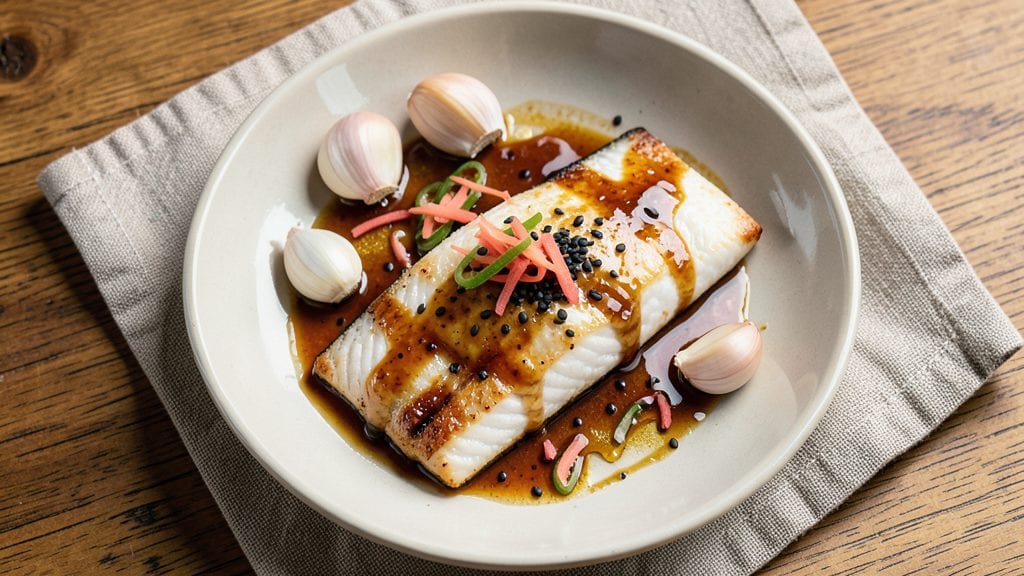
This fish with soy sauce recipe transforms simple ingredients into a restaurant-worthy dish that delivers bold umami flavor in just 20 minutes. The secret lies in balancing soy sauce’s saltiness with sweetness and acidity—creating a glaze that caramelizes beautifully while keeping the fish tender.
I’ve tested this method countless times, and it never fails to impress even skeptical seafood lovers.
The beauty of this one-pan technique is its simplicity: no fancy equipment, just a sturdy skillet and a few pantry staples. You’ll start with a quick marinade of soy sauce, honey, and aromatics, then sear the fish to perfection while letting the sauce reduce into a sticky, flavorful crust.
The result? Juicy, flaky fish with a glossy, savory-sweet glaze that clings to every bite.
What makes this dish truly special is how it pairs with minimal effort. Serve it over steamed jasmine rice to soak up every drop of that umami-rich sauce, or pair it with blistered green beans for a complete, balanced meal.
The aroma alone—warm soy, caramelized honey, and a hint of ginger—will have everyone at the table asking for seconds.
This recipe works with firm white fish like cod or halibut, but it’s equally effective with mild-flavored options like tilapia or snapper. The key is timing: cook the fish just until it flakes easily, then let the sauce work its magic. Ready to master this foolproof technique? Let’s get cooking.
Ingredients for fish with soy sauce
Pantry staples meet restaurant-quality umami in this one-pan fish dish.
| Ingredient | Amount | Notes |
|---|---|---|
| White Fish Fillets 🐟 | 1 ½ lb | Cod, halibut, or tilapia preferred |
| Japanese Soy Sauce 🍶 | ½ cup | Kikkoman preferred for balance |
| Honey 🍯 | ¼ cup | Wildflower or clover preferred |
| Fresh Ginger 🧡 | 2 tbsp | Finely grated, aromatic |
| Garlic Cloves 🧄 | 4 cloves | Minced, aromatic base |
| Sesame Oil 🫒 | 1 tbsp | Toasted, for aroma |
| Rice Vinegar 🍶 | 1 tbsp | For acidity balance |
| Neutral Oil 🫒 | 2 tbsp | Avocado or vegetable oil |
| Diamond Crystal Kosher Salt 🧂 | 1 tsp | For seasoning fish |
| Black Peppercorns 🌶️ | ½ tsp | Freshly cracked |
| Toasted Sesame Seeds 🌾 | 1 tbsp | For garnish |
| Jasmine Rice 🍚 | 1 ½ cups | Uncooked, for serving |
| Green Beans 🌱 | 1 lb | Blistered for pairing |
The fish selection is critical—cod or halibut deliver the ideal texture, while tilapia offers a more budget-friendly option. Whole Foods or local seafood markets consistently provide the freshest fillets, identifiable by their vibrant color and firm texture. For soy sauce, Japanese brands like Kikkoman provide the perfect balance of saltiness and depth, avoiding the overly salty varieties found in some supermarket options. Fresh ginger should be bright and firm, not fibrous or shriveled, and garlic cloves should be plump with no green sprouts. Sesame oil from Asian markets often offers superior quality, with a more pronounced toasted aroma than supermarket brands.
Substitutions should preserve the dish’s umami-sweet balance. Low-sodium soy sauce requires an additional ½ teaspoon of salt to compensate. Maple syrup can replace honey, though it adds a distinct flavor profile. Dried ginger works at half the amount, but fresh is preferred for its superior aroma. Vegetable oil suffices if sesame oil is unavailable, though it lacks the signature nutty depth. For those avoiding vinegar, lemon juice provides a comparable acidity. Pre-cut green beans save time, though fresh, blanched beans offer superior texture when paired with the dish.
Store fresh fish in the coldest part of the fridge, used within 2 days for optimal quality. Ginger and garlic keep well in the freezer for up to 3 months when properly wrapped. Sesame seeds maintain freshness for 6 months in a sealed container, while soy sauce and honey have indefinite shelf lives once opened. Cooked rice reheats beautifully, making this dish ideal for meal prep—simply reheat the fish and sauce together for a restaurant-quality experience the next day.
Why You'll Love This Recipe
- Pan in 15 Minutes: I swear by this when I’m starving but still want something that doesn’t taste like a takeout hack. Five ingredients—no fancy techniques—just sear the fish, toss in the honey-soy-ginger mix, and let it simmer until the sauce clings like liquid gold. That’s it. No waiting for a slow cooker, no chopping a million herbs.
- Sweet-Savory Magic: Between us, the honey and soy sauce combo is chef’s kiss—caramelized edges with that deep umami punch. The ginger and garlic? They cut through the richness just enough to keep it bright, not heavy. It’s the kind of flavor that makes you close your eyes mid-bite, even when you’re just reheating leftovers.
- Lunchbox Hero: This is my go-to for meal prep because it holds up like a champ. Pack the fish in rice or noodles, and it stays moist until dinner. Honestly, I’ve sent this to work in a thermos with steamed veggies, and no one’s ever complained. (Yes, even my picky coworker who hates fish.)
- Budget Bright Spot: White fish fillets are cheap, and this recipe stretches them far—double the batch, freeze half, and you’ve got a weeknight savior. The soy sauce and honey are pantry staples, and ginger/garlic last forever. It’s the kind of dish that makes me feel fancy without breaking the bank.
Step-by-step instructions for glazed soy-ginger fish with jasmine rice
This method delivers perfectly balanced umami and sweetness in every bite.
Prepare the Glaze and Season the Fish
In a small bowl, combine the 0.5 cup Japanese soy sauce, 0.25 cup honey, 2 tbsp fresh ginger, 4 cloves garlic cloves (minced), and 1 tbsp rice vinegar. Whisk until the honey dissolves completely, creating a smooth, glossy glaze. The mixture should be thick but pourable—this ensures proper coating without making the fish soggy.
Pat the 1.5 lb white fish fillets dry with paper towels, removing any moisture from the surface. Season both sides generously with 1 tsp diamond crystal kosher salt and 0.5 tsp black peppercorns, pressing firmly to adhere. This step is critical—salting first allows the seasoning to penetrate the fish while the glaze adds depth of flavor. Let the seasoned fish rest for 5 minutes while you prepare the pan.
Sear the Fish and Blister the Green Beans
Heat a large skillet over medium-high heat until hot. Add 2 tbsp neutral oil and swirl to coat the pan evenly. Place the fish fillets in the skillet, skin-side down if applicable, and sear undisturbed for 2-3 minutes until the skin develops a golden crust and the edges begin to lift slightly. This initial sear locks in moisture and creates texture.
While the fish cooks, add the 1 lb green beans to the same pan (or a separate pan if needed). Cook for 4-5 minutes until they blister slightly and develop a bright green color. Remove the green beans to a plate and set aside, leaving the fish to continue cooking skin-side down for another 1-2 minutes until the center reaches 145°F internally. The fish should flake easily when tested with a fork.
Glaze and Finish the Fish
Reduce the heat to medium-low and carefully pour the prepared glaze over the seared fish. Spoon the sauce evenly over the top, ensuring each fillet is fully coated. Let the sauce simmer gently for 1-2 minutes, allowing the soy and honey to caramelize slightly. The glaze should thicken just enough to coat the fish without steaming it.
Flip the fish once to coat the other side with the glaze, then transfer everything to a serving platter. Drizzle any remaining sauce from the pan over the fish and sprinkle with 1 tbsp toasted sesame seeds for texture and aroma. The fish should be glossy, with a deep mahogany glaze that balances sweetness and umami.
Cook the Jasmine Rice
While the fish finishes, cook the 1.5 cups jasmine rice according to package instructions, using a 1:1.5 ratio of rice to water. For best results, bring the water to a boil, add the rice, reduce heat to low, cover, and simmer for 15 minutes. Remove from heat and let it steam, covered, for an additional 5 minutes. Fluff with a fork before serving.
The rice should be tender with a delicate floral aroma and a slight stickiness to the grains. Serve the glazed fish immediately over the jasmine rice, accompanied by the blistered green beans. The contrast of textures—tender fish, crisp green beans, and fluffy rice—elevates the dish.
Pro Tips For Making Fish With Soy Sauce
- SEAR FIRST, BAKE SECOND: Fish fillets need that initial crisp, not a sad, steamed texture. Hit them skin-side down in a hot pan for 2-3 minutes until golden—then transfer to the oven to finish. I used to skip this step and ended up with fish that tasted more like a sad office lunch than a restaurant dish.
- GRATE GINGER FINE: No, "chopped" isn’t good enough—this isn’t a stir-fry, it’s a glaze. Use the smallest holes on your grater (or pulse in a food processor) so the ginger melts smoothly into the soy-honey mix. My first attempt with rough chunks left me with a dish that tasted like it was missing something, no matter how much I stirred.
- SALT THE FISH LAST: Seasoning fish too early makes it watery before it even hits the pan. Pat it dry, then sprinkle salt right before searing—just enough to taste, since soy sauce already packs a punch. I learned this the hard way when my fish turned out mushy, no matter how gently I cooked it.
- USE A SPLASH OF WATER: After searing, add 2 tablespoons of water to the pan with the ginger and garlic. Let it simmer until it reduces to a glossy glaze—this keeps the fish from drying out while adding depth. I was skeptical at first (why add more liquid?), but now it’s the one thing I never skip. The sauce clings better, and the fish stays juicy.
Regional styles of this recipe
Japanese Teriyaki Style
In Japan, this dish transforms into teriyaki-zake, where the soy glaze is elevated with a splash of sake—just 2 tbsp—replacing some of the rice vinegar. I use mirin (sweet rice wine) instead of honey for a more delicate sweetness.
The fish is often served with steamed bok choy and shredded daikon radish for crunch. The key difference? A longer simmer—reduce the sauce until it coats the back of a spoon, creating a sticky, lacquer-like glaze that clings to every bite. 🍶
Thai Soy-Ginger Fusion
Thai chefs take this dish to another level by adding red curry paste (1 tbsp) and fish sauce (1 tbsp) to the marinade. The result? A spicy-sweet-savory profile that’s anything but subtle.
I like to finish with fresh Thai basil and a squeeze of lime for brightness. Serve with jasmine rice and a side of quick-pickled cucumbers to balance the heat. The fish stays tender while the sauce packs a bold, aromatic punch. 🌶️
Korean Soy-Garlic Style
Korean soy-marinated fish often uses gochujang (fermented chili paste) for depth. I blend 1 tbsp gochujang with the soy sauce, honey, and a splash of sesame oil. The fish is typically pan-seared skin-side down until crispy, then finished with a quick glaze.
Garnish with toasted sesame seeds and thinly sliced green onions. Pair with steamed short-grain rice and kimchi for a full, umami-rich meal. The spicy-sweet contrast is what makes this version stand out. 🔥
Chinese Sweet-and-Sour Style
This version swaps honey for pineapple juice (0.25 cup) and adds apple cider vinegar (1 tbsp) to the glaze. The result? A tangy, fruity twist that’s lighter than traditional soy-glazed fish.
I like to finish with a quick sear in a hot wok and serve over steamed broccoli rice. The bright acidity cuts through the richness, making it a refreshing yet satisfying dish. Perfect for summer meals! 🍍
Vietnamese Nuoc Cham Glaze
Vietnamese cooks often use nuoc cham (fish sauce, lime, sugar) as the base for glazing fish. Replace the soy sauce with 0.3 cup fish sauce, 1 tbsp lime juice, and 1 tbsp sugar. Add 1 tsp grated galangal (or ginger) for aroma.
The fish is lightly seared and finished with the glaze, then served with rice noodles and pickled carrots. The bold, salty-sweet flavor is unmistakably Vietnamese—bright, fresh, and deeply umami. 💛
Nutrition facts
Frequently asked questions
What's the best fish for this soy sauce recipe?
Firm white fish like cod, halibut, or snapper work best—they hold up to the glaze without falling apart. For budget-friendly options, tilapia or mahi-mahi are great choices. Avoid delicate fish like flounder, which can turn mushy when glazed.
Can I make this recipe without honey?
Yes! Swap honey for maple syrup or brown sugar (dissolved in a little water) for a similar caramelization. For a lighter version, try agave nectar or even a splash of pineapple juice (like in Chinese sweet-and-sour style). The key is balancing sweetness with the soy's saltiness.
Why did my fish turn out dry?
Overcooking is the most common mistake—fish should reach 145°F internally and flake easily with a fork. Pat the fish dry before seasoning and avoid crowding the pan. If using thicker fillets, reduce cooking time by 1-2 minutes per side.
How can I make this gluten-free?
Use tamari or coconut aminos instead of regular soy sauce. These gluten-free alternatives work 1:1 in the recipe. For extra umami, add 1 tbsp fish sauce or mushroom powder to compensate for the reduced saltiness.
Can I prep this ahead of time?
Marinate the fish in the soy glaze (without cooking) for up to 4 hours in the fridge. For full prep, cook the rice and blanch the green beans ahead, then reheat everything together with the fish for 2-3 minutes to restore moisture.