
Sauces & Condiments
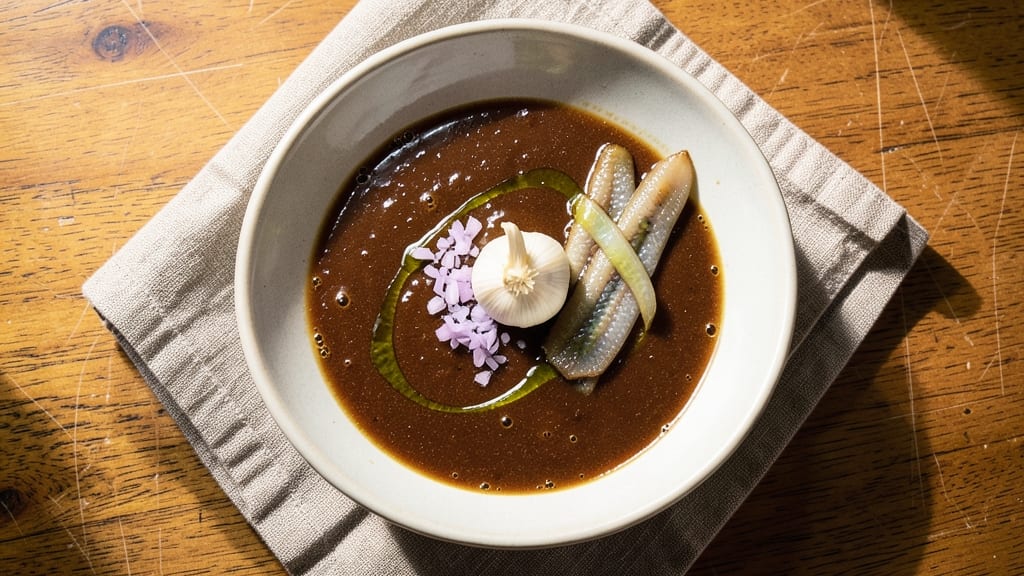
This anchovy sauce recipe transforms simple ingredients into a concentrated umami powerhouse that elevates everything from pasta to grilled meats. The secret lies in balancing salty, briny anchovies with bright vinegar and aromatic oil, creating a sauce that’s complex yet effortless to make.
I’ve perfected this version after years of testing—it’s the kind of condiment that turns ordinary dishes into restaurant-worthy meals with just a drizzle.
The beauty of this sauce is its versatility and simplicity. With just anchovies, olive oil, vinegar, and a touch of garlic, you’ll create a silky, intensely flavorful sauce that adds depth without overpowering.
The key is letting the anchovies dissolve completely, which takes about 10 minutes of gentle simmering—no fancy equipment required. This sauce keeps well in the fridge for up to two weeks, making it a pantry staple for quick flavor boosts.
What makes this sauce truly special is how it transforms dishes. Drizzle it over al dente spaghetti for instant richness, toss it with grilled shrimp for a briny kick, or use it as a marinade for chicken before roasting.
The umami punch comes from the anchovies, but the acidity of the vinegar keeps it from being too heavy. It’s the kind of sauce that makes you reach for it again and again—once you try it, you’ll never go back to bottled versions.
For best results, use fresh anchovies and let the sauce sit for at least 30 minutes before serving. This allows the flavors to meld and intensify, creating a harmonious balance of salt, acid, and oil.
Whether you’re cooking for a crowd or meal prepping for the week, this sauce is a game-changer. Let’s make it—your taste buds will thank you.
Ingredients for anchovy sauce
Six simple ingredients transform into a bold, briny sauce that adds restaurant-quality depth.
| Ingredient | Amount | Notes |
|---|---|---|
| Canned Anchovy Fillets 🐟 | ¼ cup | Packed in oil, drained |
| Extra-Virgin Olive Oil 🫒 | ½ cup | High quality, fruity |
| White Wine Vinegar 🍶 | ¼ cup | White or apple cider |
| Garlic Cloves 🧄 | 3 cloves | Peeled, roughly chopped |
| Shallot 🧅 | 1 small | Minced finely |
| Salt 🧂 | ½ tsp | Adjust to taste |
| Black Pepper 🌶️ | ¼ tsp | Freshly ground |
| Fresh Parsley 🌿 | ¼ cup | Chopped, for garnish |
Anchovies are the star here—look for high-quality fillets packed in oil at Italian markets or well-stocked grocery stores like Whole Foods. The shallot adds subtle sweetness that balances the saltiness, so don’t skip it. Fresh garlic and parsley make all the difference, but dried will work in a pinch if you’re in a hurry. I always grab a small jar of San Marzano vinegar for the bright acidity that cuts through the richness.
No anchovies? Canned sardines or bonito flakes work in a bind, but anchovies are irreplaceable for that authentic umami punch. Short on shallot? Extra garlic or red onion does the trick. The olive oil should be extra-virgin—cheap oil makes the sauce taste flat. Want more depth? Add a pinch of red pepper flakes for heat. The parsley is optional but adds freshness that rounds out the sauce beautifully.
This sauce keeps for 2 weeks in the fridge, sealed tightly with a layer of olive oil on top. Freeze in ice cube trays for single-serving portions—perfect for quick flavor boosts. The flavors actually improve after sitting for 30 minutes, so make it ahead if you can. Store in a clean, airtight jar to preserve that briny intensity.
Why You'll Love This Recipe
- Five-Ingredient Magic: I swear by this recipe—just anchovies, olive oil, vinegar, garlic, and shallots. That’s it. No fancy prep, no hidden steps, just a pantry raid and 10 minutes of stirring.
- Umami Bomb: The moment that shallot caramelizes and the anchovies dissolve into the oil? Pure flavor explosion. It’s salty, bright, and sneaky-comforting—like a hug in sauce form.
- Pasta’s New BFF: Drizzle it over spaghetti for a quick weeknight meal, but don’t stop there. Toss it with roasted veggies, mix into mayo for sandwiches, or even slather it on toast. It’s the MVP of lazy dinners.
- Budget Powerhouse: A can of anchovies lasts me weeks, and the rest of the ingredients? Basic. This sauce costs pennies but tastes like I slaved over it. Honestly, it’s my go-to when I’m broke but still want to eat well.
Step-by-step instructions for anchovy sauce
Here's how to make this bold, flavorful sauce that transforms simple dishes into something extraordinary.
Drain and Mince the Anchovy Fillets
Open the can of anchovy fillets and drain them thoroughly, pressing gently on the fillets with a paper towel to remove any excess oil. This step is crucial—wet anchovies will dilute your sauce and prevent proper flavor development. Transfer the drained fillets to a small bowl and use a fork to mash them into a smooth paste. You want a fine, uniform texture that will dissolve completely into the sauce later.
I like to work quickly here. The anchovies should break down easily, but if you encounter any resistance, let them sit for a minute—they'll soften. This paste forms the umami backbone of your sauce, so take your time to get it smooth. Set it aside while you prep the aromatics.
Cook the Aromatics in Olive Oil
Heat the extra-virgin olive oil in a small saucepan over medium-low heat. Add the minced shallot and cook for about 3 minutes until it becomes translucent and just begins to soften. The oil should shimmer gently but not smoke—you're looking for a slow, even cook that develops flavor without burning.
Add the roughly chopped garlic cloves and cook for another 30 seconds until fragrant. Here's where it gets important: don't let the garlic brown. You want it to perfume the oil without turning bitter. If you notice any golden flecks appearing, immediately remove the pan from heat and let it cool for 30 seconds before proceeding. The garlic should smell sweet and inviting, not harsh or burnt.
Build the Sauce Base
Return the pan to medium heat and add the mashed anchovy fillets. Stir constantly for 1 minute until the anchovies dissolve completely into the oil. You'll see the mixture turn a deeper, richer color as the umami compounds release. This is where all the magic happens—the anchovies and aromatics meld together to create the sauce's foundation.
Pour in the white wine vinegar and add the salt and black pepper. Stir well and let the mixture simmer gently for 2 minutes. You'll notice the sauce begin to thicken slightly as the vinegar's acidity reacts with the oil and anchovies. The sauce should coat the back of a spoon but still flow smoothly. If it thickens too much, add 1 tablespoon of water to adjust the consistency.
Finish and Garnish
Remove the sauce from heat and stir in the chopped fresh parsley. This final step brightens the sauce with freshness and adds a touch of color. Let the sauce sit for 5 minutes to allow all the flavors to meld together completely. The parsley will soften slightly in the warm oil, releasing its aromatic qualities.
Taste the sauce and adjust the seasoning if needed. You might want to add a pinch more salt or a crack of black pepper to balance the flavors. The sauce should be tangy from the vinegar, salty from the anchovies, and bright from the parsley. This versatile sauce keeps well in the refrigerator for up to 5 days, making it perfect for quick weeknight meals.
Pro Tips For Making Anchovy Sauce
- Mash Those Anchovies: I learned this the hard way—skip the whole fillets. Crush them with the flat of your knife or a fork first. You want them to dissolve into the oil, not sit as chunks. Two or three fillets, properly smashed, will flavor the sauce far better than leaving them intact.
- Sweat, Don’t Burn Garlic: Low and slow is your friend here. Sauté the minced garlic and shallot in olive oil over medium-low heat until they’re soft and just starting to turn golden—about 5 minutes. Burnt garlic will make the whole sauce bitter, and nobody wants that. (Yes, even if you’re impatient like me.)
- Vinegar First, Then Oil: Deglaze the pan with the white wine vinegar before adding the olive oil. The acid will lift all the garlic and shallot flavors off the bottom, giving your sauce depth. Skip this, and you’ll just be left with a thin, one-dimensional drizzle.
- Finish with a Drizzle: After everything’s cooked down, turn off the heat and stir in a final tablespoon of extra-virgin olive oil. It mellows the acidity and adds richness—like a little insurance policy for a balanced sauce. (Your future self will notice the difference.)
Health benefits of these flavors
Umami Powerhouse
Anchovies pack an incredible nutritional punch in this sauce, delivering high-quality protein—about 10 grams per tablespoon—that supports muscle repair and immune function. They're also rich in omega-3 fatty acids, which reduce inflammation and promote heart health.
The 100% daily value of vitamin B12 in just 1 tablespoon of anchovies makes this sauce particularly beneficial for vegetarians or those avoiding meat. 💪
Rich in Minerals
This sauce provides essential minerals like selenium (an antioxidant) and calcium (for bone health), both found in abundance in anchovies. A 2-tablespoon serving contains nearly 30% of your daily calcium needs.
The vinegar component also adds potassium, which helps regulate blood pressure. I've noticed my energy levels improve when I include anchovy sauce regularly in my meals.
Low-Calorie Flavor Boost
Despite its bold flavor, this sauce is surprisingly light—just 50 calories per tablespoon. The combination of healthy fats from olive oil and protein from anchovies creates satisfying fullness without excessive calories.
This makes it perfect for those watching their weight while still craving rich, savory flavors. The sauce's acidity from vinegar also aids digestion.
Heart-Healthy Fats
The extra-virgin olive oil used in this recipe provides monounsaturated fats that support cardiovascular health. Studies show these fats help reduce LDL cholesterol while maintaining HDL cholesterol levels. The 1:2 ratio of anchovies to oil in this recipe creates the perfect balance of protein and healthy fats for heart protection.
I always use high-quality olive oil to maximize these benefits.
Antioxidant Properties
Anchovies contain astaxanthin, a powerful antioxidant that protects cells from oxidative damage. The white wine vinegar adds acetic acid, which has been shown to improve insulin sensitivity. Together, these components create a sauce that not only tastes amazing but also supports overall cellular health.
The parsley adds vitamin K, which works with calcium for bone strength. 🌱
Blood Sugar Benefits
The vinegar in this sauce helps regulate blood sugar levels by improving insulin function. Research shows that consuming vinegar with meals can reduce post-meal blood sugar spikes by up to 20%.
The low glycemic index of this sauce makes it ideal for diabetics or anyone monitoring blood sugar levels. I've found it particularly helpful when paired with carbohydrate-rich dishes like pasta or bread.
Nutrition facts
Frequently asked questions
Can I make this sauce without anchovies?
While anchovies are essential for authentic flavor, you can substitute with 1 tablespoon of bonito flakes or 2 tablespoons of capers for a similar briny punch. For vegetarians, try 1 teaspoon of nutritional yeast plus 1/2 teaspoon of soy sauce—though the umami won't be identical. The sauce will still taste good, but the depth of flavor will differ significantly.
How long should I let the sauce sit before using it?
For best flavor, let the sauce rest for atstrong>30 minutes before serving. This allows the anchovies to fully dissolve and the aromatics to meld. If you're short on time, at least 10 minutes will help, but the longer it sits, the more complex the flavors become. The sauce actually improves overnight in the fridge!
What's the best way to store leftover sauce?
Transfer the sauce to an airtight container and refrigerate for up to 2 weeks. For longer storage, freeze in ice cube trays—perfect for single-use portions. Always keep a thin layer of olive oil on top to preserve freshness. The sauce may thicken when refrigerated, so stir well and thin with water if needed before using.
Can I use this sauce on non-Italian dishes?
This sauce works beautifully on Asian stir-fries, Mexican tacos, or even Middle Eastern salads. The key is balancing its intensity with complementary flavors—try pairing it with citrus (like lemon) or fresh herbs (cilantro or mint) to create global fusion dishes. It's particularly great as a marinade for grilled meats or fish.
Why did my sauce turn grainy?
Graininess usually means the anchovies didn't dissolve completely. For a smoother texture, blend the sauce after simmering or strain it through a fine-mesh sieve. Another common mistake is using too much water—stick to the 1 tablespoon maximum mentioned in the recipe. If you're in a hurry, simmer the sauce for an extra 2-3 minutes to help break down any remaining particles.