
Sauces & Condiments
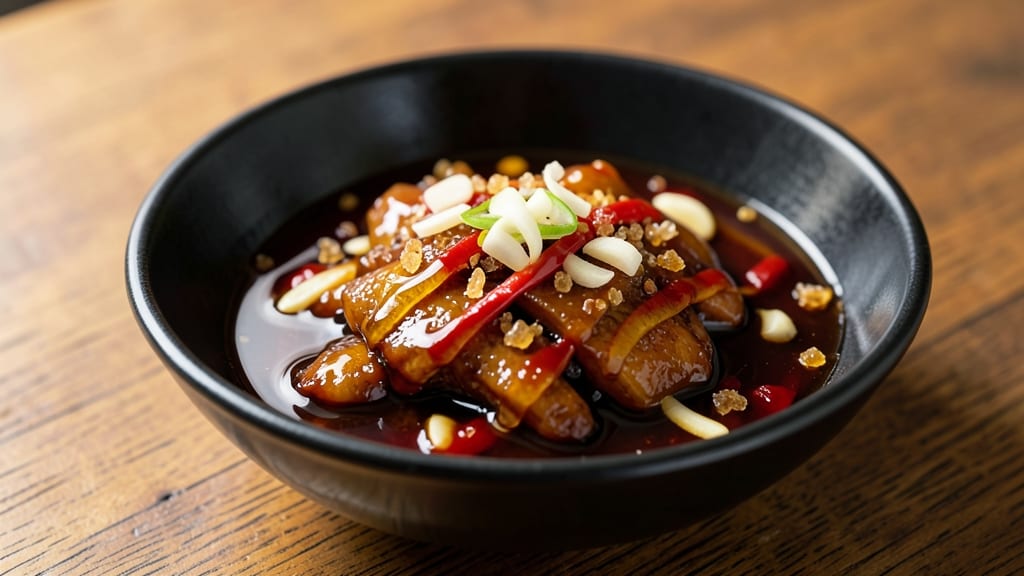
This Asian kick wings sauce recipe delivers the perfect balance of spicy, sweet, and umami that transforms ordinary wings into a restaurant-worthy dish. 🔥 The secret lies in fermented soy sauce and a touch of honey, which create a sticky glaze that caramelizes beautifully on crispy wings—whether baked, grilled, or fried.
I developed this sauce after years of testing, ensuring it works as both a marinade and finishing glaze for maximum flavor impact.
The sauce builds layers of flavor through simple ingredients: garlic, ginger, and a blend of chili paste and brown sugar that deepens as it simmers. Unlike store-bought versions, this recipe avoids artificial additives, focusing instead on bold, natural tastes that elevate every bite.
The key is letting the sauce reduce slightly, which intensifies its sweet-spicy punch and creates a glossy finish that clings perfectly to crispy wings.
What you’ll end up with is a sauce that’s versatile enough for any wing preparation—toss it on after baking for extra shine, use it as a marinade for tenderized meat, or serve it on the side for dipping.
The balance of heat and sweetness makes it addictive, while the umami depth ensures every bite is memorable. This isn’t just a sauce; it’s the game-changer that turns a simple wing night into an unforgettable experience.
Best of all, the sauce keeps well in the fridge for up to 2 weeks, so you can make a big batch and use it repeatedly. Whether you’re hosting a game day or craving takeout-quality wings at home, this recipe delivers consistent, professional results every time. Let’s get started!
Ingredients for asian kick wing sauce
Nine bold ingredients that transform wings into restaurant-quality bites.
| Ingredient | Amount | Notes |
|---|---|---|
| Fermented Soy Sauce 🍶 | ½ cup | Kikkoman preferred for depth |
| Honey 🍯 | ⅓ cup | Light amber for balance |
| Garlic Cloves 🧄 | 6 cloves | Minced for even distribution |
| Fresh Ginger 🌿 | ¼ cup | Finely grated, peel removed |
| Red Chili Paste 🌶️ | ¼ cup | Maesri or Thai bird's eye |
| Brown Sugar 🍚 | ¼ cup | Light or dark works |
| Rice Vinegar 🍶 | ¼ cup | White or seasoned |
| Sesame Oil 🫒 | 1 tbsp | Toasted for aroma |
| Ground Black Pepper 🌶️ | ½ tsp | Freshly cracked |
| Garlic Powder 🧄 | ½ tsp | For extra umami |
The fermented soy sauce is non-negotiable here—Kikkoman or Lee Kum Kee are my go-tos, but any quality brand works. Look for dark, aged soy sauce at Asian markets if you want extra depth. Fresh ginger and garlic need to be vibrant (no shriveled roots or graying cloves)—Costco or Trader Joe's usually have good selections. The chili paste? Maesri is my favorite, but Thai bird's eye paste works too. Toast the sesame oil in a dry pan for 30 seconds first—trust me, it makes all the difference.
No fermented soy sauce? Coconut aminos at 1:1 ratio works in a pinch, though the umami won't be identical. Short on ginger? Double the garlic powder for a similar punch. The honey can be swapped for maple syrup, but you'll lose that delicate floral note. For extra heat without chili paste, add 1 tsp cayenne pepper. Brown sugar substitutes? Coconut sugar is 1:1, but regular white sugar works in a bind. Always taste as you go—the sauce reduces quickly, so adjust sweetness before it thickens.
This sauce keeps beautifully in the fridge for 2 weeks in an airtight jar, so make a big batch. For leftovers, simply reheat with a splash of water to loosen. Freezes for 6 months if portioned into ice cube trays—perfect for single-use applications. The sauce thickens as it cools, so stir before using. Pro tip: Brush on wings while still hot for maximum caramelization and cling.
Why You'll Love This Recipe
- Fewer Ingredients, Bigger Bang: I swear by this—just five pantry staples (plus garlic and ginger) and you’ve got a sauce that tastes like it took hours. That fermented soy sauce? It’s the secret—deep, umami-rich, and way more complex than regular soy.
- Sweet Heat Balance: The honey and chili paste team up for a flavor that’s addictive but not overwhelming. Too much heat? Add a drizzle of honey. Too sweet? A pinch of that fermented soy sauce cuts through. It’s like a flavor puzzle that always fits.
- Game for Any Protein: Drizzle it on grilled chicken, toss it with tofu, or slather it on wings—it works with everything. Honestly, I’ve even used it as a marinade for shrimp. The ginger and garlic infuse whatever you’re cooking, making even simple proteins taste like a restaurant dish.
- Lasts All Week: This sauce keeps in the fridge for at least a week, and it only gets better with time. I make a big batch on Sundays, and by Wednesday, it’s the star of my lazy takeout nights. Plus, it’s cheap—you’re not buying overpriced bottles here.
Step-by-step instructions for Asian kick wings sauce
This sauce delivers bold, balanced flavor with minimal effort—perfect for crispy wings.
🍳 Step 1: Bloom the Aromatics in Sesame Oil
Heat a small saucepan over medium-low heat and add the 1 tablespoon sesame oil. Once shimmering (about 30 seconds), add the 6 minced garlic cloves and 0.25 cup finely grated fresh ginger. Cook for 1-2 minutes until fragrant but not browned—this prevents bitterness and builds the sauce's aromatic foundation.
Here's the thing—don't walk away. Garlic burns fast, and you want that sweet, nutty aroma, not bitter smoke. Stir constantly until you can smell the garlic's depth without any sharpness. The ginger should soften slightly but remain vibrant in color.
🍳 Step 2: Combine Wet Ingredients and Simmer
Pour in the 0.5 cup fermented soy sauce, 0.25 cup rice vinegar, and 0.25 cup honey. Stir well to dissolve the honey completely—this prevents grainy texture in the final sauce. Increase heat to medium-high and bring to a gentle boil.
Once boiling, reduce heat to medium-low and let it simmer uncovered for 5 minutes. You'll see the mixture reduce slightly and develop a glossy sheen. This step concentrates the flavors while balancing the sweetness with acidity from the vinegar. Taste occasionally—you should notice the soy's umami developing alongside the honey's sweetness.
🍳 Step 3: Incorporate Chili and Sweetener
Add the 0.25 cup red chili paste and 0.25 cup brown sugar to the simmering mixture. Stir vigorously to distribute the chili evenly—this prevents hot spots in your sauce. Let it cook uncovered for another 3-4 minutes until the sugar dissolves completely and the chili paste blends smoothly.
The sauce should now have a vibrant red hue with visible bubbles forming steadily. If you taste it now, you'll notice the perfect balance of heat, sweetness, and tang. This is where the magic happens—the chili paste's spice mellows while the brown sugar deepens the caramel notes. Keep stirring occasionally to prevent sticking.
🍳 Step 4: Finish with Spices and Rest
Remove the pan from heat and stir in the 0.5 teaspoon ground black pepper and 0.5 teaspoon garlic powder. Let the sauce sit off the heat for 5 minutes—this resting period allows all the flavors to meld completely. The sauce will thicken slightly as it cools, which is exactly what you want for that perfect glaze on wings.
I know it seems counterintuitive to walk away, but this resting step is crucial. The residual heat continues to develop the sauce's complexity. When you return, it should have a rich, syrupy consistency that clings beautifully to crispy wings. If it's too thick, thin with 1 teaspoon water at a time until it reaches your desired consistency.
⏰ Step 5: Strain and Store for Maximum Flavor
For the smoothest texture, strain the sauce through a fine-mesh sieve into a clean bowl or jar. This removes any ginger bits that might make the sauce grainy. The strained sauce should be glossy with a deep red color and a perfect balance of sweet, spicy, and umami flavors.
Use immediately for best results, or store in an airtight container in the refrigerator for up to 2 weeks. The sauce actually improves with time as the flavors continue to meld. When ready to use, gently reheat in a saucepan over low heat until warmed through—never boil, as this can make the sauce too thin.
Pro Tips For Making Asian Kick Wing Sauce
- Simmer, Don’t Boil: This sauce isn’t a race—keep the heat at a gentle simmer (low-medium) once everything’s combined. I learned this the hard way after watching honey burn into bitter sludge in one batch. If it’s bubbling hard, pull it back or you’ll end up with a charred, one-note disaster instead of that glossy, balanced kick.
- Mince Ginger Like You Mean It: Skip the grater or microplane—fresh ginger needs to be finely minced (almost paste-like) for this sauce. I used to chop it roughly, and the texture was off until I realized the sauce needs the ginger’s oils fully released. A sharp knife and a cutting board work better than any gadget, and you’ll taste the difference in every glossy spoonful.
- Balance Heat Early: Taste the chili paste before adding honey—if it’s overwhelming, dilute it with a splash of water or even a bit of the fermented soy sauce first. I’ve ruined batches by dumping all the heat in at once, then having to backtrack with extra honey to fix it. Start mild, then adjust; you can always add more chili, but you can’t take it out.
- Toast Garlic First: Sauté the minced garlic in a dry pan for 30 seconds until it’s fragrant but not browned—this deepens the flavor without bitterness. I was skeptical until I tried it: the sauce now has this subtle, toasty depth that makes the fermented soy sauce sing instead of just taste salty. (Yes, even if you’re impatient like me.)
Serving suggestions for asian kick wing sauce
Wings Glazing
Brush this sauce onto crispy wings after baking or frying while still hot. The high heat helps the sauce caramelize instantly, creating a glossy, sticky glaze that locks in moisture. I like to double-brush—first while wings are piping hot, then again after they've rested for 5 minutes.
This two-step method ensures maximum flavor cling without making the wings soggy. 🔥
Dipping Sauce
Serve the sauce warm as a dipping sauce in small bowls with chopsticks for self-serving. For extra flair, sprinkle with toasted sesame seeds and serve with cooling cucumber slices on the side.
I often pair it with steamed dumplings or spring rolls for a full Asian-inspired spread. The sauce's balance of heat and sweetness makes it irresistible for dipping.
Marinade
Use this sauce as a marinade for 30-60 minutes before cooking to infuse wings with deep flavor. Toss wings with 1 cup sauce and let them sit in a sealed bag or container.
For extra tenderness, add 1 tablespoon cornstarch to the marinade. This works especially well for grilled or baked wings, where the sauce's sticky texture helps create a crispy crust during cooking.
Drizzle Topping
Drizzle the sauce over fried rice or noodle dishes in the final minute of cooking. The heat helps the sauce meld with the rice or noodles, creating a flavorful sauce right in your dish.
For extra richness, add 1 tablespoon butter to the rice before mixing in the sauce. This is my go-to method for turning simple takeout-style dishes into restaurant-quality meals.
Game Day Spread
Set up a sauce station with small bowls of this sauce alongside blue cheese dressing, ranch, and spicy mayo. Offer chopsticks and toothpicks for easy dipping.
I also include pickled vegetables and sliced jalapeños to balance the sauce's heat. This interactive setup keeps guests engaged and makes every bite of wings more exciting. 💫
Storage Hacks
Store leftover sauce in ice cube trays for single-use portions—perfect for quick reheating. Once frozen, transfer cubes to a freezer bag for up to 6 months. To reheat, thaw in the fridge overnight, then warm gently in a saucepan with 1 tablespoon water over low heat.
Never microwave—it destroys the sauce's glossy texture and flavor balance. ✨
Nutrition facts
Frequently asked questions
Can I make this sauce without honey?
Yes, you can substitute honey with maple syrup or agave nectar at a 1:1 ratio. For a more traditional Asian flavor, try hoisin sauce (2 tablespoons) mixed with 1 teaspoon brown sugar. The sauce will still be delicious, though the floral notes from honey will be missing.
How spicy will this sauce be?
The heat level depends on the chili paste used. Maesri or Thai bird's eye paste delivers noticeable heat, but it's balanced by the sweetness and umami from soy and honey. For milder heat, reduce chili paste to 1 tablespoon and add 1 teaspoon extra brown sugar. If you love spice, increase to 0.33 cup chili paste and add a pinch of cayenne.
Can I use this sauce on other proteins besides wings?
This sauce works perfectly on chicken thighs, pork chops, or even tofu for a vegetarian option. For seafood, try it on shrimp skewers or grilled salmon. The key is to adjust cooking times—delicate proteins like shrimp only need 3-5 minutes with the sauce, while heartier meats can handle longer marinating.
Why did my sauce turn out too thick?
Sauce thickens as it cools, but if it's too thick after resting, thin it with 1 teaspoon water at a time while reheating. If you prefer a thicker glaze, simmer it uncovered for 2-3 extra minutes to reduce further. For a smoother texture, strain through a fine-mesh sieve before using.
How can I make this sauce extra crispy on wings?
For maximum crispiness, bake or air-fry your wings first until golden, then brush with the sauce while still hot. The residual heat helps the sauce caramelize instantly. For extra crunch, sprinkle with crushed cornflakes or sesame seeds before the final bake. Double-brushing (once hot, once after resting) ensures a glossy, sticky finish.