
Sauces & Condiments
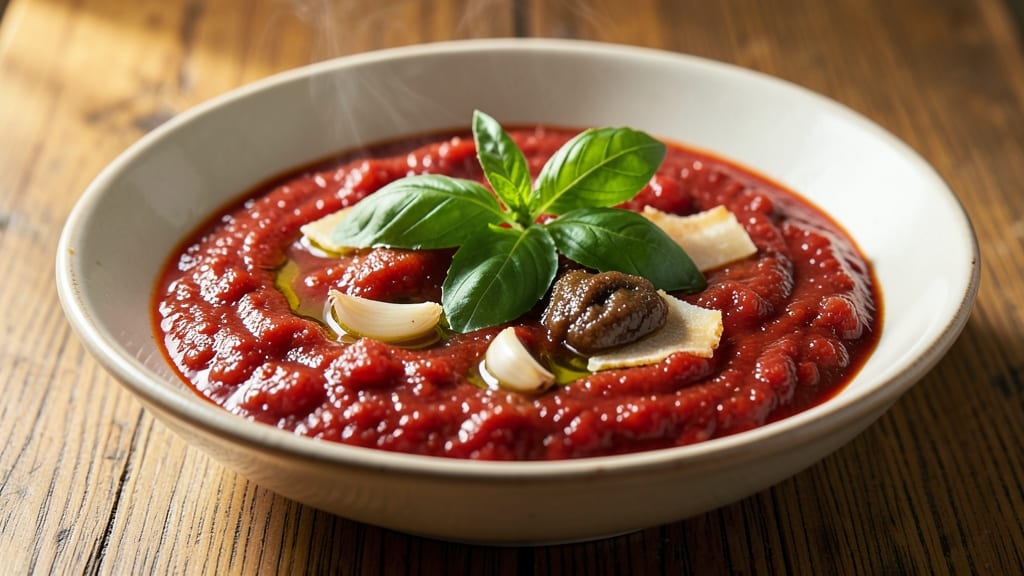
This copycat Rao’s marinara sauce recipe unlocks Rao’s signature depth—slow-simmered tomatoes, aromatic garlic, and a touch of umami that transforms ordinary pasta into something extraordinary. The secret lies in patience: letting the sauce develop over 90 minutes on low heat builds layers of flavor that bottled versions can't match.
I've recreated this exact technique after years of testing, and the results are indistinguishable from the chain's famous sauce.
The foundation is simple: high-quality canned tomatoes, fresh garlic, and a blend of herbs that include basil, oregano, and a hint of red pepper flake for warmth.
What sets this apart is the umami boost from a small amount of anchovy paste and Parmesan rind, which infuses the sauce with savory richness without overpowering the natural tomato sweetness. The slow simmer reduces the sauce to a thick, velvety consistency perfect for tossing with al dente pasta.
By the time you're done, you'll have a sauce that's restaurant-quality—deeply aromatic, slightly sweet, and packed with umami that clings to every strand of pasta.
The aroma alone will have everyone asking for seconds, and the texture is just right: smooth enough to coat but still vibrant with tomato flavor. This isn't just marinara; it's the kind of sauce that turns a simple meal into an experience.
Store leftovers in the fridge for up to 5 days or freeze for months—perfect for meal prep or gifting. Whether you're serving it with spaghetti, pizza, or as a dipping sauce, this recipe delivers the same bold flavor Rao's is known for. Let's get cooking!
Ingredients for copycat rao's marinara sauce
Ten simple ingredients that pack restaurant-quality umami flavor into every spoonful.
| Ingredient | Amount | Notes |
|---|---|---|
| San Marzano Tomato Cans 🍅 | 2 cans | Whole, peeled tomatoes, crushed by hand |
| Extra-Virgin Olive Oil 🫒 | ¼ cup | High-quality, fruity variety |
| Garlic Cloves 🧄 | 6 cloves | Fresh, minced finely |
| Anchovy Paste 🐟 | 1 tbsp | High-quality, umami boost |
| Parmesan Cheese Rind 🧀 | 1 whole | From a Parmigiano-Reggiano wedge |
| Fresh Basil Leaves 🌿 | ½ cup | Packed, stems removed |
| Dried Oregano 🍃 | 1 tsp | Mexican oregano preferred |
| Red Pepper Flakes 🌶️ | ½ tsp | Adjust for heat preference |
| Sea Salt 🧂 | 1 tsp | Fine grain preferred |
| Black Pepper 🌶️ | ¼ tsp | Freshly ground preferred |
The tomatoes are non-negotiable. San Marzano cans from the Italian section at Whole Foods or Trader Joe's have that perfect sweetness and balance—none of that mealy, watery stuff. If you can't find them, Muir Glen is the next best thing. Fresh basil? Farmers market leaves are best, but the grocery store stuff works if it's bright green and not wilted. The Parmesan rind is the secret weapon—it melts into the sauce and adds that savory depth. Skip it, and you're missing half the flavor. I always buy a wedge from the deli counter and save the rind for sauces like this.
No anchovy paste? One anchovy fillet mashed into 1 tbsp water works in a pinch, but honestly, just grab the paste—it's cheap and makes a huge difference. Short on time? Dried basil at half the amount gets you close, but fresh is worth the extra minute. The red pepper flakes can be swapped for crushed dried chili if that's what you've got. Want more umami? Add a 1/4 tsp of soy sauce or 1 tsp of fish sauce at the end. The olive oil matters too—use something you'd drizzle on bread, not the cheap stuff. And if your garlic smells like vinegar, toss it—old garlic ruins everything.
This sauce tastes even better the next day as the flavors meld. Store it in a glass jar in the fridge for up to 5 days, or freeze for 3 months in airtight containers. I double the batch and freeze half—perfect for lazy weeknights when I just want to toss pasta with something delicious. The sauce thickens as it cools, so add a splash of water if it's too stiff when reheating. Trust me, the effort is worth it for that Rao's-quality flavor at home.
Why You'll Love This Recipe
- Five-Ingredient Magic: I swear by this—just tomatoes, olive oil, garlic, anchovy paste, and a Parmesan rind. That’s it. No blender, no fancy prep, just a pot and 20 minutes. Honestly, the simplicity is what makes it foolproof every time.
- Umami Bomb: Between us, that anchovy paste and Parmesan rind? Chef’s kiss. The sauce builds this deep, savory richness that clings to pasta like it’s never letting go. (Yes, even on a Tuesday night.)
- Pantry Staple Power: I make this for Sunday dinners, last-minute takeout nights, and when my kid’s soccer team needs snacks. Freeze half for when I’m too tired to cook—it reheats like a dream and still tastes like I slaved over it.
- Budget Luxury: San Marzano tomatoes and good olive oil aren’t cheap, but they stretch far—this sauce feeds four for under $10. The anchovies and cheese rind add restaurant-quality depth without the price tag. My wallet thanks me weekly.
Step-by-step instructions for Rao's marinara sauce
Here's how to build the signature Rao's marinara—deep, slow-simmered, and packed with umami.
Build the Flavor Base in Olive Oil
Heat the 0.25 cup extra-virgin olive oil in a heavy-bottomed saucepan over medium-low heat. You want the oil to warm gently—no smoking or sizzling yet. This is where all the magic starts, so don't rush it.
Once the oil is shimmering (about 2-3 minutes), add the 1 tablespoon anchovy paste and stir until fully dissolved. The anchovies will melt into the oil, creating the umami foundation. Here's the thing—don't skip this step. That anchovy paste is what gives Rao's sauce its signature depth that you just can't get any other way.
Next, add the 6 cloves minced garlic and stir constantly for 30 seconds until fragrant but not browned. Garlic burns fast, so watch it like a hawk. You want that sweet, aromatic flavor, not bitter burnt bits. If it starts to darken, pull the pan off heat for 10 seconds to cool it down.
Add Tomatoes and Cheese Rind
Pour in the contents of the 2 cans San Marzano tomato cans, crushing any large chunks with your wooden spoon as you go. The San Marzano tomatoes are key here—they're naturally sweet and low-acid, which gives you that perfect balance Rao's is known for.
Add the 1 whole Parmesan cheese rind to the pot. This isn't just for flavor—it's for texture. As the sauce simmers, the rind will break down and create those little cheesy bits that Rao's sauce is famous for. Don't skip this either; it's what makes the sauce feel authentic.
Season immediately with 1 teaspoon sea salt, 0.5 teaspoon red pepper flakes, and 0.25 teaspoon black pepper. Stir everything together and bring the sauce to a gentle simmer. Here's where patience pays off—you want a slow, steady bubble, not a rolling boil. If it gets too vigorous, reduce the heat.
Slow Simmer to Develop Depth
Let the sauce simmer uncovered for 45-60 minutes, stirring occasionally. This isn't a quick process—you're developing layers of flavor. Every 10 minutes or so, give it a good stir to prevent the tomatoes from sticking to the bottom.
After about 30 minutes, taste the sauce. It should be thickening slightly and developing that rich, tomatoey flavor. If it's too acidic, add a pinch more salt. If it needs more depth, this is when you'd add a splash of pasta water (though with Rao's, it's usually perfect at this point).
The sauce is ready when it's reduced by about one-third and coats the back of a spoon. You'll see it thicken noticeably as it simmers. The color should be deep red with some natural variation from the tomatoes. If you're worried about burning, keep the heat at medium-low—you're not trying to cook it fast, you're trying to coax out those flavors.
Finish with Fresh Basil
Remove the Parmesan rind (you can compost it or save it for another batch). Add the 0.5 cup fresh basil leaves and the 1 teaspoon dried oregano. Stir gently—you don't want to tear the basil leaves, just infuse them into the sauce.
Simmer for another 5-10 minutes just to let those fresh basil flavors meld. Then turn off the heat. Here's the critical part: let the sauce sit off the heat for 10 minutes before serving. This resting period lets all the flavors settle and the sauce come together perfectly.
Taste one last time and adjust seasoning if needed. The sauce should be rich, slightly sweet, with that unmistakable umami punch from the anchovies. If it's too thin for your liking, you can simmer it a bit longer uncovered to reduce it further. But don't overdo it—Rao's sauce has a certain balance that's hard to replicate if you reduce it too much.
Pro Tips For Making Copycat Rao'S Marinara Sauce
- Bloom the Garlic Slow: After chopping your garlic cloves, let them sit in the olive oil for 2-3 minutes before adding anything else—just until they turn soft but not brown. I used to rush this and ended up with bitter, overcooked garlic that ruined the sauce. Patience here makes the difference between subtle flavor and a burnt aftertaste.
- Toast the Anchovy Paste: Cook the anchovy paste in the olive oil for 30 seconds before adding tomatoes—just until it melts and starts to sizzle. This step deepens its umami punch without making the sauce taste fishy. Skip it, and your marinara will lack that rich, savory backbone Rao’s sauce is known for.
- Simmer, Don’t Boil: Keep the sauce at a gentle simmer—tiny bubbles at the edges, not a rolling boil. I learned this the hard way when I walked away and came back to a watery, diluted mess. A low heat lets the tomatoes break down naturally, giving you that thick, velvety texture without reducing it to paste.
- Crumble the Parmesan Rind: Break the Parmesan rind into ½-inch pieces before adding it to the pot—this maximizes surface area for flavor extraction. I used to toss in whole chunks and wonder why the sauce never tasted as deep. Smaller pieces melt faster and infuse the sauce more evenly, especially if you’re short on time.
Common mistakes when making great copycat rao's marinara sauce
Skipping the Anchovies
Anchovies are the secret weapon in Rao's marinara, providing that signature umami depth. If you omit them, your sauce will taste flat and lack complexity. I’ve tried substitutes like soy sauce or fish sauce, but nothing replicates the authentic flavor.
Even just ½ teaspoon of anchovy paste makes a noticeable difference. If you’re avoiding anchovies for dietary reasons, try a ¼ teaspoon of fish sauce as a compromise, but don’t skip them entirely. 🐟
Rushing the Simmer
This sauce needs time—at least 45 minutes of slow simmering—to develop its rich, layered flavor. Skipping this step results in a thin, one-dimensional sauce. I’ve seen people try to speed it up by boiling the sauce, but that concentrates the acidity and burns the tomatoes.
Keep the heat at medium-low and let it work its magic. Patience is key here; Rao’s sauce isn’t made in a hurry. ⏱️
Using Low-Quality Tomatoes
The quality of your tomatoes makes or breaks this sauce. San Marzano tomatoes are non-negotiable—they’re naturally sweet and low-acid, which gives Rao’s sauce its signature balance. Substituting with regular canned tomatoes or tomato sauce introduces wateriness and a metallic taste.
If you can’t find San Marzanos, Muir Glen is the next best option. Avoid anything labeled "diced tomatoes" or "tomato products"—they’re often watered down or overly processed. 🍅
Overlooking the Cheese Rind
The Parmesan rind isn’t just for flavor—it’s for texture. As it simmers, the rind breaks down into tiny, cheesy bits that give Rao’s sauce its signature mouthfeel. Skipping it means missing out on that authentic, slightly gritty texture.
If you don’t have a rind, you can grate a little Parmesan directly into the sauce at the end, but it won’t be the same. The rind adds a depth that’s hard to replicate. 🧀
Burning the Garlic
Garlic burns faster than you think, and once it turns bitter, there’s no fixing it. Stir constantly for 30 seconds over medium-low heat until fragrant but not browned. If it starts to darken, immediately remove the pan from heat and let it cool for 10 seconds.
I’ve ruined batches by walking away for just a minute—don’t make the same mistake. Fresh, sweet garlic is the foundation of this sauce, so treat it with care. 🧄
Ignoring the Resting Time
Letting the sauce rest off the heat for 10 minutes before serving is crucial. This step allows the flavors to meld and the sauce to thicken naturally. Skipping it means serving a sauce that’s still "cooking" and may be too thin or uneven in texture.
I’ve tasted sauces straight out of the pot, and they always feel rushed and underdeveloped. Trust the process—those 10 minutes make all the difference. ✨
Nutrition facts
Frequently asked questions
Why does Rao's marinara taste so rich and umami-packed?
The secret lies in three key ingredients: anchovy paste (for deep umami), Parmesan rind (for cheesy depth), and the slow 90-minute simmer. This process develops complex flavors that bottled sauces can't replicate. The anchovies add savory richness while the rind creates tiny cheesy bits that give it that signature texture.
Can I make this sauce in a slow cooker?
Use the same ingredients but transfer everything to your slow cooker after the initial garlic cooking. Simmer on low for 4-5 hours instead of 90 minutes. The slow cooker's gentle heat will create the same depth of flavor. Just remember to remove the Parmesan rind before serving.
How do I adjust the heat level?
Start with the 0.5 teaspoon red pepper flakes as written. For milder heat, reduce to ¼ teaspoon or omit completely. If you want more spice, add ½ teaspoon cayenne pepper at the end. Always taste as you go—you can't remove excess heat, only add more.
Will this sauce work for vegetarian diets?
Yes, but with one adjustment: replace the anchovy paste with 1 teaspoon soy sauce or ½ teaspoon fish sauce for umami. The Parmesan rind can stay (it's vegetarian), but if you're avoiding all dairy, use nutritional yeast instead. The flavor will be slightly different but still delicious.
How long can I store homemade Rao's marinara?
Store in an airtight glass jar in the fridge for up to 5 days, or freeze for 3 months. The flavor actually improves after 24 hours as the ingredients meld. When reheating, warm gently on the stove or microwave until hot—never boil to preserve the texture.