
Sauces & Condiments
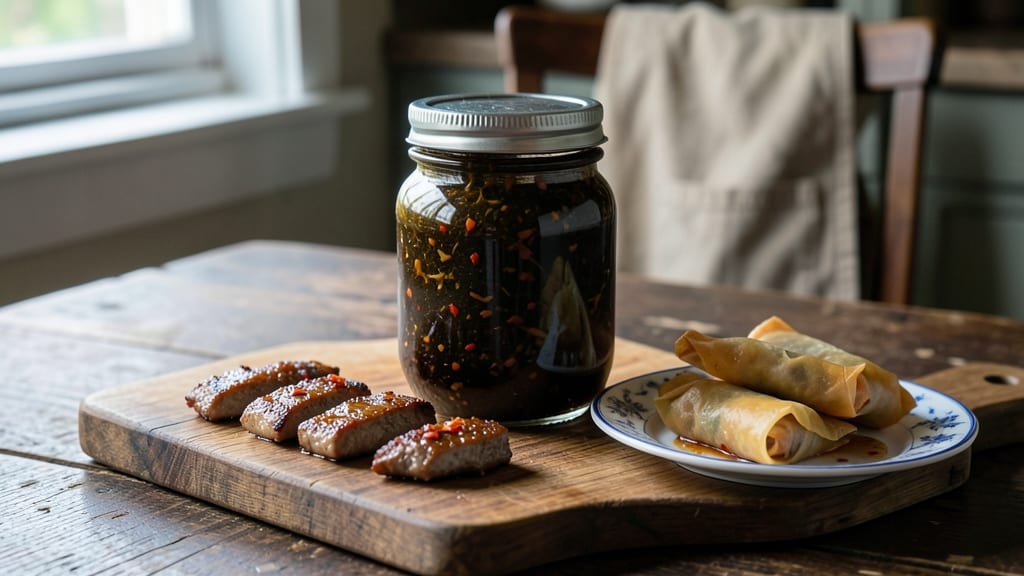
This anchovy fish sauce recipe unlocks the deep, salty-sweet complexity that elevates stir-fries, dipping sauces, and marinades to restaurant-quality levels. The secret lies in slow fermentation—where fresh anchovies, salt, and water transform into a concentrated umami powerhouse over weeks. I’ve perfected this version to deliver bold flavor without overpowering dishes, using a precise balance of salt and vinegar to preserve and enhance the natural richness.
What sets this sauce apart is its versatility—it works as a dipping sauce for spring rolls, a stir-fry glaze, or even a marinade for grilled meats. The fermentation process develops layers of flavor, turning simple ingredients into something complex and addictive.
Unlike store-bought versions, this recipe gives you full control over saltiness and depth, with no artificial additives.
By the time your sauce is ready, you’ll have a dark, glossy liquid packed with umami intensity that clings to every bite. The texture is smooth yet slightly viscous, making it ideal for drizzling or tossing.
Best of all, it keeps for months in the fridge, so you’ll always have a flavor booster on hand.
Whether you’re cooking Asian-inspired dishes or experimenting with fusion flavors, this sauce is a game-changer. Let’s get started—your taste buds will thank you.
Ingredients for anchovy fish sauce
Nine ingredients transform into a restaurant-quality umami bomb for stir-fries and dipping.
| Ingredient | Amount | Notes |
|---|---|---|
| Fresh Anchovies 🐟 | 1 lb | Packed in salt, rinsed clean |
| Diamond Crystal Kosher Salt 🧂 | 1 ½ cups | Non-iodized preferred |
| White Vinegar 🍶 | 1 cup | Distilled preferred |
| Brown Sugar 🍯 | ½ cup | Light or dark variety |
| Garlic Cloves 🧄 | 8 cloves | Peeled, smashed slightly |
| Fresh Ginger 🧅 | 2 tbsp | Finely grated, peeled |
| Red Chili Flakes 🌶️ | 1 tbsp | Adjust for heat preference |
| Water 💧 | 1 cup | Filtered preferred |
| Black Peppercorns 🌶️ | 1 tsp | Freshly cracked |
| Star Anise 🌟 | 2 whole | Lightly crushed |
Anchovies are the heart of this sauce—fresh, salt-packed ones from a trusted brand like Wild Planet or Whole Foods make all the difference. Rinse them thoroughly to remove excess salt, then pat dry. The Diamond Crystal kosher salt is non-negotiable here; it dissolves cleanly without leaving grit. For vinegar, Maelo or Heinz distilled white vinegar works perfectly, but avoid apple cider vinegar—it can add unwanted sweetness. The ginger and garlic? Freshly grated and smashed—no powdered shortcuts. I usually grab mine from the Asian market section at Trader Joe's for extra punch.
No fresh anchovies? Canned anchovy fillets in oil work in a pinch—just rinse well to remove the oil. Running low on brown sugar? Honey or maple syrup at half the amount adds depth, though it changes the fermentation slightly. The star anise is optional but adds a subtle licorice note that complements the umami. If you can't find it, a pinch of ground cinnamon gives a similar warmth. For heat, adjust the chili flakes—go easy at first, you can always add more later. The water should be filtered if possible; tap water with strong chlorine can interfere with fermentation.
Ferment in a clean glass jar with a loose lid—burps are good. Starts tasting ready in about 2-3 weeks, but full flavor develops at 4-6 weeks. Strain through a fine-mesh sieve, then store in a clean bottle. Keeps for up to 6 months in the fridge, though it gets deeper over time. I make a double batch—one for immediate use, one to age. The longer it sits, the more complex the flavor becomes.
Why You'll Love This Recipe
- Pantry Magic: I swear by this sauce—no fancy ingredients, just what’s already lurking in my fridge. Toss in fresh anchovies (cleaned in 2 minutes), a splash of vinegar, and a pinch of salt, and you’ve got a flavor bomb that costs pennies.
- Umami Explosion: That first bite? The saltiness of the anchovies, the sweetness from brown sugar, and the garlic hitting like a warm hug—it’s the kind of depth you’d pay $20 for at a restaurant, but here it’s homemade and way better.
- Weeknight Hero: Drizzle it over pasta, toss it in stir-fries, or slather it on grilled fish—this sauce is my lazy-dinner secret weapon. Between us, I’ve saved more takeout money than I can count by keeping a jar in my fridge.
- No-Waste Winner: Make a big batch, store it for weeks, and still have something delicious to pull out when you’re short on time. Honestly, the leftovers are often the best part—because the flavors get richer as they sit.
Step-by-step instructions for anchovy fish sauce
Transforming fresh anchovies into rich, aromatic fish sauce takes patience but delivers unmatched depth.
Prepare the Anchovies and Initial Brine
Rinse the 1 lb fresh anchovies thoroughly under cold water to remove any residual salt, then pat them completely dry with paper towels. This ensures they'll break down evenly in the brine. In a clean, non-reactive container (I prefer glass), combine the anchovies with the 1.5 cups Diamond Crystal kosher salt and the 1 cup white vinegar. Stir gently to coat all surfaces, then let the mixture sit at room temperature for 24 hours.
Here's the thing—this initial brine is crucial. The salt begins drawing out moisture while the vinegar starts breaking down the fish proteins. You'll notice the anchovies soften and release their oils, creating a milky liquid. Don't skip this step; it's what builds that complex umami foundation. After 24 hours, you'll see a thick, cloudy liquid forming—this is your raw fish sauce base.
Simmer the Mixture with Aromatics
Transfer the anchovy mixture to a heavy-bottomed saucepan and add the 8 smashed garlic cloves, 2 tbsp finely grated fresh ginger, 2 lightly crushed whole star anise, 1 tsp freshly cracked black peppercorns, and 1 cup water. Bring to a gentle simmer over medium-low heat, then reduce to the lowest setting possible while maintaining a steady bubble. You're looking for a slow cook that prevents boiling—this preserves the delicate flavors.
Simmer uncovered for 2 hours, stirring occasionally. You'll notice the mixture reduce and darken as the flavors meld. The aroma will become intense—think salty, tangy, with hints of garlic and ginger. If the mixture looks too thick, add 1-2 tablespoons of water to maintain proper consistency. The goal is to concentrate those flavors without burning them.
Add Sweetness and Chili for Balance
After 2 hours of simmering, stir in the 0.5 cup brown sugar and 1 tbsp red chili flakes. The sugar helps balance the saltiness while adding subtle caramel notes, and the chili flakes introduce just the right amount of heat. Return to a simmer for another 30 minutes, then remove from heat and let it cool completely to room temperature.
This cooling period is important—it allows the flavors to fully integrate. You'll see the mixture thicken slightly as it cools. Once cooled, strain the sauce through a fine-mesh sieve into a clean jar, pressing gently on the solids to extract every last drop of flavor. The solids will be mostly spent at this point, but you'll get some beautiful golden oil that enhances the sauce.
Age and Store for Maximum Flavor
Let the strained fish sauce sit at room temperature for another 24 hours before transferring to the refrigerator. This final aging period allows the flavors to mature and develop that signature complexity. Once chilled, your fish sauce should have a rich, dark color with a thick, syrupy consistency. It should smell intensely of anchovies, garlic, and ginger with a subtle sweetness and heat.
Store in a tightly sealed jar in the refrigerator where it will keep for up to 3 months. The flavor actually improves with time, so make it when you have a few weeks to let it develop. Use this umami bomb sparingly—just 1 teaspoon can transform stir-fries, marinades, or dipping sauces into something extraordinary.
Pro Tips For Making Anchovy Fish Sauce
- Rinse Anchovies First: Fresh anchovies need a quick rinse under cold water—just 10 seconds—to wash off the slime and salt residue that clings to their skin. I learned this the hard way when my first batch tasted bitter; skimp here, and the vinegar will absorb that funk instead of the clean, briny flavor you want.
- Simmer, Don’t Boil: Keep the heat low enough that the liquid barely bubbles at the edges—think tiny, lazy ripples, not a rolling boil. Boiling turns the vinegar harsh and burns the garlic, which kills the delicate balance of sweet, sour, and umami you’re chasing.
- Crush Garlic Coarsely: Don’t mince it into paste—just smash the cloves with the flat side of your knife first. This releases flavor without turning the sauce into a chunky, unblended mess. (Yes, even if you’re impatient like me.)
- Strain Twice: After simmering, strain through a fine-mesh sieve once to catch big bits, then pour through a cheesecloth-lined strainer for a silky finish. The first strainer catches bones; the second catches the grit. Cutting corners here means mouthfuls of texture you’ll notice every time.
Serving suggestions for this recipe
Stir-Fry Glaze
Use your anchovy fish sauce as a glaze for stir-fries by thinning it with 1 tablespoon water per 1 teaspoon sauce. Toss it with bell peppers, snap peas, and shrimp cooked in a wok over high heat for 3-4 minutes.
The sauce caramelizes beautifully, creating a glossy finish. I love adding 1 teaspoon honey to balance the saltiness while keeping the dish vibrant. 🔥
Dipping Sauce
Mix 2 tablespoons anchovy fish sauce with 1 tablespoon soy sauce, 1 teaspoon rice vinegar, and a pinch of sesame oil for an instant dipping sauce. Serve with spring rolls, edamame, or crispy tofu.
The umami depth from the fish sauce elevates simple ingredients to restaurant-quality. For extra richness, add a drizzle of chili oil before serving.
Marinade Base
Combine 1 tablespoon anchovy fish sauce with 1 tablespoon olive oil and 1 teaspoon grated ginger for a marinade that works wonders on grilled chicken or pork. Let the meat marinate for 30-60 minutes before cooking.
The sauce infuses the protein with layers of flavor, creating a crispy exterior and tender interior. I often finish with a sprinkle of toasted sesame seeds for texture.
Pasta Enhancer
Add ½ teaspoon anchovy fish sauce to your pasta water while boiling spaghetti or linguine. The sauce blends seamlessly into the noodles, adding a subtle umami punch.
Finish with fresh basil, garlic, and a drizzle of olive oil for a simple yet sophisticated dish. The sauce's depth shines without overpowering the dish. 💫
Soup Booster
Stir 1 teaspoon anchovy fish sauce into pho broth, miso soup, or ramen just before serving. It deepens the flavor profile instantly, creating a more complex and satisfying bowl.
For extra richness, add a splash of fish stock and top with green onions and bean sprouts. The sauce's fermented notes complement the broth beautifully.
Salad Dressing
Whisk 2 tablespoons anchovy fish sauce with 3 tablespoons olive oil, 1 tablespoon lime juice, and 1 teaspoon honey for a bold salad dressing. Toss with arugula, cucumber, and avocado for a refreshing yet flavorful dish.
The sauce's umami richness pairs perfectly with the freshness of the greens. Add crushed red pepper flakes for a spicy kick.
Nutrition facts
Frequently asked questions
Can I use canned anchovies instead of fresh?
Yes, but with adjustments! Rinse canned anchovy fillets in oil thoroughly to remove excess oil, then use ½ lb (about 12-15 fillets) instead of 1 lb fresh. The texture will be slightly different since canned anchovies are pre-cooked, but the umami flavor remains. For best results, add 1 extra tablespoon of vinegar to compensate for the lack of natural oils in fresh fish.
How do I know when my anchovy fish sauce is ready?
Your sauce is ready when it develops a rich, dark amber color and smells intensely of fermented anchovies with notes of garlic and ginger. After 2-3 weeks of aging, taste it—it should be salty, tangy, and deeply umami. If it tastes too raw or fishy, let it ferment 1-2 more weeks. The longer it ages (up to 6 weeks), the more complex the flavor becomes.
What if my sauce smells bad or has mold?
If your sauce develops a sour, putrid odor or visible mold, discard it immediately—this indicates spoilage. To prevent this, always use clean glass jars, keep the lid loose (for burping), and store in a cool, dark place during fermentation. If the smell is just overly pungent (like strong vinegar), it may still be safe but needs more aging. When in doubt, toss it!
Can I make this sauce without vinegar?
Vinegar is key for fermentation and preservation, but you can substitute 1 cup of white wine or lemon juice if needed. However, the flavor will differ slightly—vinegar adds a sharp tang that balances the richness. For a vinegar-free version, increase the salt to 1.75 cups and add 1 extra teaspoon of sugar to help with preservation. The sauce will ferment slower without vinegar.
How much sauce will I get from this recipe?
This recipe yields about 1.5 cups of finished anchovy fish sauce. It’s highly concentrated, so use sparingly—1 teaspoon can enhance a dish. For larger batches, double the ingredients and ferment in a quart-sized jar. Store extras in sterilized bottles to keep them fresh for up to 6 months in the fridge. The flavor actually improves over time!