
Sauces & Condiments
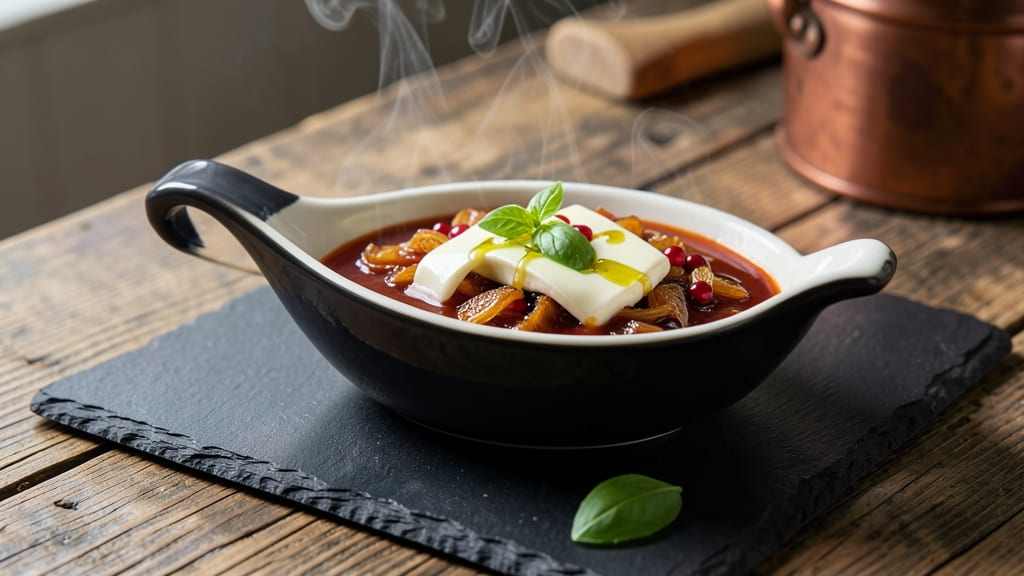
Mastering a Chateaubriand sauce recipe transforms a simple steak into an elegant centerpiece—rich, velvety, and packed with depth from red wine and crispy shallots. The secret lies in balancing reduction techniques with precise timing, ensuring every spoonful delivers that perfect harmony of tangy, caramelized flavors.
I’ve perfected this sauce over countless dinner parties, where it’s earned rave reviews for its ability to elevate even the most modest cuts of beef.
This bold red wine reduction requires just six core ingredients but delivers restaurant-quality results with minimal effort. The sauce builds in layers: shallots caramelize into golden bits, red wine reduces to a concentrated essence, and beef stock deepens the umami profile.
A touch of brandy adds warmth, while butter at the end creates that signature silky texture. What sets this apart is the crispy shallot garnish—those golden, crunchy bits add a textural contrast that makes every bite unforgettable.
The process is straightforward but demands attention to detail, particularly during the reduction phase where patience pays off. You’ll end up with a sauce that’s equally at home drizzled over a perfectly cooked Chateaubriand or spooned alongside roasted vegetables.
It keeps well in the refrigerator for up to five days, making it ideal for meal prep or entertaining. The key to success? Don’t rush the simmering—let the flavors meld gradually for that professional finish.
Pair this sauce with a classic steak dinner, or use it to elevate grilled meats and even seafood. The versatility lies in its balance of acidity and richness, which adapts beautifully to different proteins.
Once you’ve tasted homemade Chateaubriand sauce, store-bought versions will never measure up. Let’s get started on creating your own signature sauce.
Ingredients for chateaubriand sauce
Six ingredients, bold flavors, and that signature crispy shallot crunch you crave.
| Ingredient | Amount | Notes |
|---|---|---|
| Shallots 🧅 | 1 ½ lb | Yellow or red, peeled and sliced thin |
| Dry Red Wine 🍷 | 1 ½ cups | Bold Cabernet Sauvignon or Merlot |
| Beef Stock 🍲 | 1 cup | Homemade or high-quality jarred |
| Brandy 🍸 | ½ cup | Or substitute cognac at same amount |
| Unsalted Butter 🧈 | ½ cup | Cold, cubed for finishing |
| Extra-Virgin Olive Oil 🫒 | 2 tbsp | For initial shallot cooking |
| Diamond Crystal Kosher Salt 🧂 | 1 tsp | For seasoning during reduction |
| Freshly Ground Black Pepper 🌶️ | ½ tsp | For finishing garnish |
The shallots are non-negotiable—yellow or red both work, but avoid any with green sprouts. Whole Foods or local farmers markets often carry the best quality, but regular grocery stores usually have decent shallots too. Slice them paper-thin for even caramelization. For the red wine, Cabernet Sauvignon or Merlot gives the best depth—avoid cheap boxed wine. If you're feeling fancy, Trader Joe's carries excellent affordable options. The beef stock should be rich and full-bodied; Kitchen Basics or homemade are my go-tos. Brandy adds warmth, but if you can't find it, cognac works perfectly too—just don't substitute with vanilla extract or you'll ruin the sauce.
No brandy? Substitute with extra red wine—just reduce it first to concentrate the flavor. Running short on shallots? Yellow onions work in a pinch, but they won't give that same delicate sweetness. The olive oil matters here—avoid the cheap stuff. A good extra-virgin like California Gold or Colavita makes all the difference. For the butter, always use unsalted—you want to control the seasoning yourself. If you're making this ahead, reduce the sauce slightly more so it doesn't get too thin when reheated. The crispy shallots? Save half the sliced shallots to fry separately in butter at the end—don't skip this step!
This sauce stores beautifully in the fridge for up to 5 days, though it tastes best within the first 24 hours. For longer storage, freeze in ice cube trays—perfect for single portions. When reheating, warm gently over low heat and finish with fresh butter and crispy shallots. The sauce thickens as it cools, so add a splash of stock or wine if it gets too stiff. Garnish with extra crispy shallots and a crack of black pepper right before serving—that's where the magic happens.
Why You'll Love This Recipe
- Here’s what sold me: the way the butter melts into the wine, then the brandy hits like a warm hug. The shallots caramelize just enough to add depth, but you’re not stuck babysitting them. One taste, and you’ll understand why this sauce feels like a restaurant-quality shortcut.
- I’ll be real: I make this sauce in batches. It keeps for days in the fridge, and reheats like a dream. Drizzle it over roasted veggies or toss it with pasta—it’s my go-to when I’m too tired to cook but still want flavor. (Yes, even on a Tuesday.)
Step-by-step instructions for bold red wine reduction with crispy shallots
Here's the method—transforming simple ingredients into a luxurious, velvety sauce with perfectly caramelized shallots.
Develop the Shallot Base
Heat the 2 tablespoons extra-virgin olive oil in a heavy-bottomed saucepan over medium-low heat. Add the 1.5 pounds sliced shallots and cook them slowly, stirring occasionally, for 20-25 minutes. The key here is patience—the shallots should turn deep golden brown and crisp at the edges, releasing their natural sweetness. If they brown too quickly, reduce the heat slightly. You're aiming for that crispy texture that adds depth to the sauce.
Once the shallots are caramelized, remove them with a slotted spoon and set aside on a paper towel-lined plate. Don't discard the fragrant browned bits in the pan—they're packed with flavor that will form the foundation of your sauce. This step is where the magic begins, so don't rush it. The shallots should be tender yet still hold their shape slightly, with a beautiful golden crust.
Build the Wine Reduction
Immediately after removing the shallots, increase the heat to medium-high and add the 1.5 cups dry red wine. Let it come to a gentle boil while scraping up all those flavorful browned bits from the bottom of the pan with a wooden spoon. This deglazing step is crucial—it captures all the caramelized flavors that would otherwise stick to the pan.
Reduce the wine by half, which should take about 5-7 minutes. You'll notice the liquid transforming from ruby red to a deep, concentrated hue. This reduction process intensifies the wine's flavors and forms the backbone of your sauce. The aroma should be rich and inviting—like a glass of fine wine reduced to its most concentrated form. If the reduction isn't happening quickly enough, increase the heat slightly, but be careful not to let it burn.
Incorporate Stock and Brandy
Once the wine has reduced, pour in the 1 cup beef stock and the 0.5 cup brandy. Stir well to combine, then reduce the heat to medium-low. Let the mixture simmer gently for 10-12 minutes, until it thickens slightly and the volume reduces by about one-third. You're looking for a sauce that coats the back of a spoon but isn't syrupy. The brandy adds a subtle warmth that complements the wine's acidity.
Here's where the sauce starts to come together. Taste it now—it should be rich and complex, with layers of shallot sweetness and wine acidity. If it needs more depth, you can add a splash more beef stock, but typically this combination works beautifully. The sauce should be smooth and velvety, with a glossy sheen that indicates proper reduction. This is the moment when all your efforts start paying off.
Finish with Butter and Seasoning
Remove the saucepan from heat and let it cool slightly for 1-2 minutes. Then, whisk in the 0.5 cup cold unsalted butter, cubed, one piece at a time. This step is what transforms your sauce from good to extraordinary. The butter adds a luxurious mouthfeel and helps emulsify the sauce, giving it that silky texture that's perfect for drizzling over a Chateaubriand.
Return the sauce to low heat and stir gently until the butter is completely melted and incorporated. Season with the 1 teaspoon diamond crystal kosher salt and 0.5 teaspoon freshly ground black pepper. Taste and adjust the seasoning—you might need a touch more salt to balance the wine's acidity. The sauce should be harmonious, with all the flavors working together in perfect balance. The crispy shallots can now be returned to the sauce, adding both texture and flavor.
Serve Immediately
Strain the sauce through a fine-mesh sieve if you prefer a completely smooth texture, or leave the shallots in for added bite and visual appeal. Serve the sauce immediately over sliced Chateaubriand, allowing the diners to experience the full depth of flavors. The sauce should be warm and glossy, with a perfect balance of richness and acidity. Each spoonful should deliver layers of caramelized shallots, wine reduction, and buttery smoothness.
This sauce is best enjoyed fresh, as its flavors continue to develop and meld. The crispy shallots add a delightful textural contrast to the tender beef, while the wine reduction brings everything together in a harmonious finish. Don't be tempted to make this sauce ahead of time—its magic lies in its freshness and warmth. Serve it with confidence, knowing you've created a sauce worthy of any special occasion.
Pro Tips For Making Chateaubriand Sauce
- Sweat the Shallots: DESCRIPTION: Don’t rush this step—cut them thin (almost translucent) and cook them on low heat with a splash of wine to start. I used to burn them in 30 seconds flat, but taking your time here means the sauce won’t taste like charred onions later. A pinch of salt while sweating draws out moisture, so the shallots actually soften instead of sticking.
- Deglaze with Patience: DESCRIPTION: After searing the shallots, pour in the brandy slowly—just enough to sizzle, not ignite. Let it evaporate completely before adding the wine, or you’ll end up with a sauce that tastes like you microwaved the alcohol. (Yes, I’ve done it. It’s not pretty.)
- Reduce the Wine Right: DESCRIPTION: Simmer the wine until it’s half its volume, then add the stock. If you rush this, the sauce will taste thin and one-dimensional. I learned this the hard way—skipping the reduction means the brandy’s punch gets lost in the final product.
- Butter in Stages: DESCRIPTION: Whisk in the butter one piece at a time, letting each melt fully before adding the next. Dumping it all at once turns the sauce into a greasy mess. For extra richness, finish with a cold knob of butter—it coats the sauce like a silky veil. (Your guests will notice the difference.)
Storing and reheating this dish
Refrigerator Storage
Let your Chateaubriand sauce cool completely before transferring it to an airtight glass container—I love using Pyrex with a snap-on lid for easy reheating. Store it in the fridge at 40°F or below for up to 5 days, though it tastes best within the first 24 hours.
The sauce will thicken slightly as it chills, so add a splash of beef stock or red wine when reheating to restore its silky consistency. 🧊
Freezer Preservation
For longer storage, freeze the sauce in ice cube trays—this makes it perfect for single portions later. Once frozen, transfer the cubes to a heavy-duty freezer bag and flatten to save space. It keeps for up to 3 months without losing flavor.
When ready to use, thaw overnight in the fridge and reheat gently. The crispy shallots won’t survive freezing, so add fresh ones when serving. ❄️
Reheating Like a Pro
To reheat, pour the sauce into a heavy-bottomed saucepan and warm over low heat—never high, or it’ll separate. Add 1-2 tablespoons of beef stock or red wine to loosen the texture, then stir constantly until heated through (165°F internal temp).
Finish with a pat of cold butter and a sprinkle of freshly ground black pepper for that restaurant-quality touch. The sauce should be glossy and velvety, not grainy. 🔥
Microwave Shortcut
For a quick fix, transfer the sauce to a microwave-safe bowl, cover loosely with a damp paper towel, and heat on 50% power in 30-second intervals, stirring between each. Avoid full power—it’ll break the sauce’s emulsion.
If it looks too thick, add a splash of stock or wine while reheating. This method works in a pinch, though stovetop reheating gives better results. ⏱️
Reviving Thickened Sauce
If your sauce thickens too much after storage, don’t panic. Thin it with 1 tablespoon of warm beef stock or red wine at a time, stirring constantly. For extra richness, whisk in 1 tablespoon of cold butter off the heat.
The key is patience—let the sauce sit for 2-3 minutes after adding liquid to re-emulsify naturally. A splash of lemon juice can also brighten flavors if the sauce tastes flat. 💡
Garnish Fresh Always
Crispy shallots lose their crunch when stored, so save ½ cup of sliced shallots to fry fresh in 2 tablespoons butter for 2-3 minutes until golden. Add them to the reheated sauce just before serving, along with a crack of freshly ground black pepper.
This step makes all the difference—it’s the secret to that restaurant-worthy finish. The contrast of crispy shallots against the silky sauce is pure magic. ✨
Nutrition facts
Frequently asked questions
Can I substitute red wine with another liquid?
Yes, but choose wisely! For a similar depth of flavor, use dry white wine (like Chardonnay) or beef broth in equal amounts. Avoid sweet wines—they’ll make the sauce cloying. If you’re avoiding alcohol, grape juice works in a pinch, but the sauce will lack complexity. For a non-alcoholic twist, try dry vermouth (just ½ cup) mixed with extra beef stock.
Why did my sauce turn out too thin?
Sauce thinning usually happens from one of three issues: not reducing enough, adding too much liquid, or not incorporating the butter properly. Simmer the sauce longer next time, or thicken it by whisking in 1 tablespoon of cornstarch mixed with 1 tablespoon cold water off the heat. For future batches, reduce the wine and stock by 25% more than called for.
What’s the best way to reheat leftover sauce?
Always reheat over low heat—never high, or the sauce will separate. Add 1-2 tablespoons of beef stock or red wine to loosen it, then stir constantly until warm (165°F). Finish with a pat of cold butter and fresh crispy shallots. For microwave reheating, use 50% power in 30-second bursts, stirring between each to prevent hot spots.
Can I make this sauce ahead of time?
Store it in the fridge for up to 5 days in an airtight container, though it’s best within 24 hours. The sauce thickens as it cools, so thin it with a splash of stock or wine when reheating. For longer storage, freeze in ice cube trays—perfect for single portions. Just add fresh crispy shallots when serving to restore that restaurant-quality crunch.
What proteins pair best with this sauce?
This rich, velvety sauce is designed for steak (especially Chateaubriand or ribeye), but it also shines with lamb chops, duck breast, or even grilled mushrooms for vegetarians. For seafood lovers, try it with seared scallops or lobster tail—the wine reduction cuts through the richness beautifully. The key is pairing it with proteins that can stand up to its bold flavors.