
Sauces & Condiments
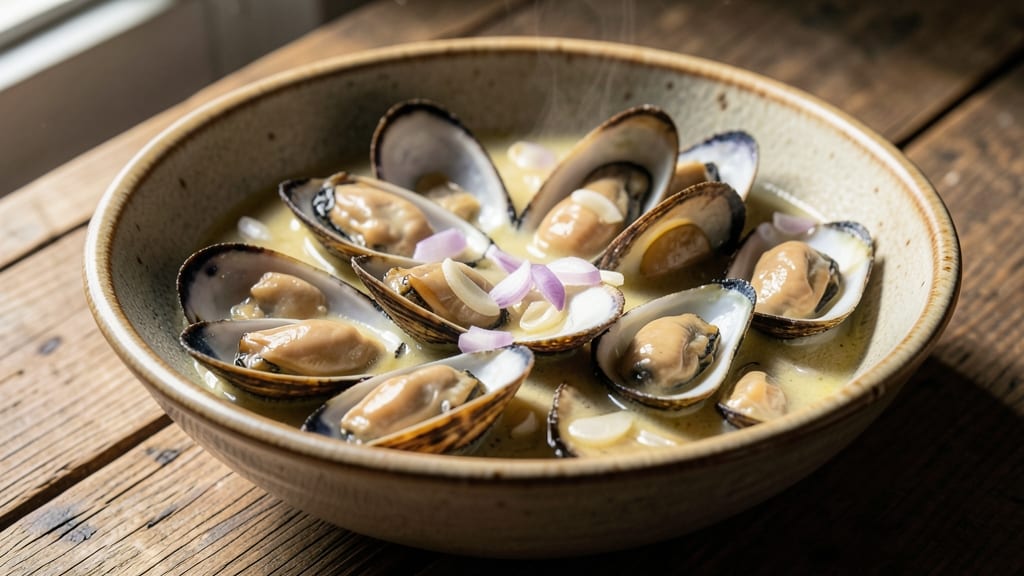
This mussel sauce recipe transforms simple ingredients into a luxurious, velvety sauce that elevates any seafood dish. The white wine and garlic infusion creates a delicate balance of brightness and depth, while the mussels themselves add a briny richness that's impossible to replicate with store-bought versions.
I developed this recipe after years of refining restaurant-style techniques at home, and it's become a staple in my kitchen for its versatility and professional-quality results.
The secret lies in the technique: starting with a flavorful base of sautéed shallots and garlic, deglazing with white wine to capture every drop of flavor, and finishing with a velvety emulsion of cream and butter.
The mussels cook directly in the sauce, infusing it with their natural sweetness while maintaining a tender texture. This method ensures a sauce that's rich yet light, perfect for drizzling over grilled fish, tossing with linguine, or serving with crusty bread to soak up every last drop.
What makes this sauce truly special is how it transforms ordinary meals into something extraordinary. The aroma alone—wine-infused with garlic and herbs—will have everyone gathering around the table. The sauce thickens just enough to coat pastas and meats beautifully, yet remains silky smooth without being heavy.
It's the kind of sauce that makes you feel like you've just dined at a high-end seafood restaurant, all while keeping the preparation simple and accessible.
Once you've mastered this recipe, you'll find endless ways to use it. Pair it with seared scallops, drizzle it over creamy polenta, or serve it alongside grilled shrimp for a seafood feast that feels both elegant and effortless.
The sauce keeps well in the refrigerator for up to five days, making it perfect for meal prep or entertaining. Let's get started on creating this restaurant-worthy sauce at home.
Ingredients for mussel sauce
Ten ingredients, restaurant-quality sauce. All you need for velvety mussel-infused richness.
| Ingredient | Amount | Notes |
|---|---|---|
| Fresh Mussels 🦪 | 2 lbs | Live, cleaned, debearded |
| Shallots 🧅 | ½ cup | Finely minced, not chopped |
| Garlic Cloves 🧄 | 6 cloves | Thinly sliced, not minced |
| Dry White Wine 🍷 | 1 cup | Sauvignon Blanc preferred |
| Heavy Cream 🥛 | ½ cup | Full-fat for richness |
| Unsalted Butter 🧈 | 4 tbsp | Cold, cubed for emulsion |
| Fresh Thyme Leaves 🌿 | 2 tbsp | Or 1 tsp dried thyme |
| Lemon Juice 🍋 | 1 tbsp | Freshly squeezed |
| Sea Salt 🧂 | 1 tsp | Diamond Crystal preferred |
| Black Pepper 🌶️ | ½ tsp | Freshly ground preferred |
The mussels are the heart of this sauce, so quality matters. Look for fresh, live mussels with tightly closed shells—discard any that are open or broken. Whole Foods or your local seafood counter are best for sourcing; avoid pre-shucked mussels as they lose flavor quickly. For the wine, Sauvignon Blanc adds bright acidity, but a crisp Pinot Grigio works too. The butter should be European-style if possible—it emulsifies better and adds more flavor. Shallots and garlic should be freshly minced just before cooking to prevent bitterness. Store mussels in the fridge until ready to use, but keep them out of water—they'll clean themselves as they cook.
No white wine? Dry vermouth or chicken broth works in a pinch, though the flavor will differ slightly. Fresh thyme is ideal, but dried thyme at one-third the amount is perfectly acceptable. The butter is crucial for that velvety finish—olive oil can't replicate the richness, though it can be used in a small amount for cooking the mussels. If you're short on time, pre-minced garlic and shallots from the store are fine, but freshly minced will elevate the dish. The lemon juice adds brightness, so if you're using a tart variety like Meyer, you can reduce it to 1 teaspoon instead. For a dairy-free version, substitute the heavy cream with full-fat coconut milk, though the texture will be slightly different.
This sauce is best made fresh, but it keeps beautifully in the fridge for 5 days when stored in an airtight container. To reheat, gently warm over low heat, stirring occasionally—never microwave, as it can break the emulsion. For a smoother sauce, strain it through a fine-mesh sieve before serving. The sauce freezes well for up to 3 months, though the texture may separate slightly upon thawing. If that happens, just whisk vigorously to re-emulsify. Portion into ice cube trays for easy single-use servings—perfect for drizzling over grilled fish or tossing with linguine later in the week.
Why You'll Love This Recipe
- No Chopping Nightmare: I swear by this—just 3 ingredients to prep (shallots, garlic, and mussels) and they’re ready in minutes. The rest is stirring while the wine and cream do all the heavy lifting.
- Creamy Wine Kiss: That first sip of sauce—bright from the white wine, rich from the cream, with garlic and shallots caramelizing into pure flavor—makes me forget it’s actually healthy. The mussels just melt into it like they belong there.
- Date Night or Lazy Night: Drizzle it over crusty bread for a fancy-but-easy starter, or toss it with linguine for a restaurant-worthy dinner. Honestly, I’ve served it both ways in the same week, and no one ever questions my menu planning.
- Leftovers That Don’t Suck: The sauce thickens beautifully when reheated—perfect for dipping, drizzling, or even freezing. I’ll be real: my husband’s favorite is the next-day version, when the flavors have had time to marry. (Yes, even on a Tuesday night.)
Step-by-step instructions for mussel sauce with white wine and garlic
This method delivers a velvety sauce with bright wine notes and aromatic garlic.
Prepare the Mussels and Aromatics
Rinse the 2 lbs fresh mussels under cold water, scrubbing each one with a stiff brush to remove any debris. Discard any mussels with broken or damaged shells, as these may not cook properly. In a large bowl, combine the 0.5 cup finely minced shallots, 6 cloves thinly sliced garlic, and 2 tbsp fresh thyme leaves. Set aside - these will form the aromatic base of your sauce.
I always check for live mussels by tapping them - if they close immediately when tapped, they're fresh. The shallots and garlic should be minced uniformly to ensure even distribution of flavor throughout the sauce. This preparation step ensures your sauce develops rich, layered aromatics without any bitter notes from overcooked garlic.
Sauté the Aromatics in Butter
Melt the 4 tbsp unsalted butter in a large, deep skillet over medium heat. Add the shallot-garlic-thyme mixture and cook for 3-4 minutes until the shallots become translucent and the garlic begins to turn golden. Be careful not to let the garlic burn - it should smell sweet and aromatic, not bitter.
The butter should foam gently as it melts, creating a fragrant emulsion that will form the sauce's foundation. This slow cooking of the aromatics develops their flavors without releasing any harsh compounds. If the butter begins to brown too quickly, reduce the heat slightly to maintain even cooking.
Deglaze with Wine and Simmer
Pour in the 1 cup dry white wine and increase heat to medium-high. Allow the wine to simmer vigorously for 3-4 minutes until reduced by about half. This deglazing step captures all the flavorful browned bits from the pan - those bits contain concentrated flavor that will make your sauce truly exceptional.
You'll notice the wine's alcohol content will cook off during this reduction, leaving behind its bright acidity and complex flavors. This is the moment that transforms your simple aromatics into a sophisticated base. Don't rush this step - proper reduction creates depth of flavor that quick cooking cannot achieve.
Add Mussels and Cook Until Open
Add the prepared mussels to the skillet, spreading them in a single layer. Sprinkle with 1 tsp sea salt and 0.5 tsp black pepper. Cover the skillet tightly with a lid and cook for 5-7 minutes, shaking the pan gently every 2 minutes. The mussels are done when they've all opened - discard any that remain closed as they didn't cook properly.
This cooking time ensures the mussels steam in their own juices while absorbing the aromatic wine sauce. The gentle shaking prevents them from sticking to the pan. You'll know they're ready when they open fully and the edges begin to curl slightly. The sauce should be developing a creamy consistency from the mussels' natural juices.
Finish with Cream and Lemon
Remove the skillet from heat and stir in the 0.5 cup heavy cream. Return to low heat and simmer gently for 2-3 minutes until the sauce thickens slightly. Add the 1 tbsp lemon juice and cook for another 30 seconds. The sauce should now coat the back of a spoon with a velvety texture.
This final step adds richness and brightness to balance the sauce's depth. The lemon juice cuts through the cream's richness while enhancing the wine's acidity. Taste and adjust seasoning if needed - you may need a touch more salt or pepper to complement the mussels' natural brininess. Serve immediately over crusty bread or with pasta for the full experience.
Pro Tips For Making Mussel Sauce
- DEGLAZE THE PAN: After removing the mussels, don’t just pour in the wine—let that pan sear for 30 seconds first. The stuck-on bits (fond) pack a punch of flavor that turns your sauce from good to rich and complex. I used to skip this, and the sauce always tasted thin and one-dimensional.
- DISCARD THE BEARDS: Mussels come with those little hairy threads (beards). Snip them off before steaming—it’s tedious, but they turn bitter and rubbery when cooked. Trust me, no one wants to bite into one mid-bite. Do this step while you prep the shallots, and you’ll save time.
- LOW AND SLOW WITH CREAM: Once you add the heavy cream, reduce heat to a bare simmer. High heat curdles cream faster than you can say "sauce disaster." Stir occasionally, but don’t obsess—just let it bubble gently until it thickens enough to coat the back of a spoon.
- SALT THE CREAM: Season the heavy cream with a pinch of salt before adding it to the pan. This balances the acidity of the wine and ensures the sauce isn’t bland. I learned this after tasting a sauce that was creamy but flat—like someone forgot the soul.
Perfect pairings for these flavors
Seafood Pairings
This sauce elevates grilled shrimp skewers—simply toss them in the warm sauce after cooking for a briny, wine-infused finish. I love pairing it with seared scallops too, where the sauce's creaminess complements the scallops' natural sweetness.
For a complete seafood spread, serve alongside calamari rings or sautéed clams—the mussel sauce's depth enhances their delicate flavors. 🦐
Pasta Perfection
Toss this sauce with linguine or tagliatelle for an instant seafood pasta dish. The sauce clings beautifully to the noodles, creating a luxurious coating. For extra indulgence, top with toasted breadcrumbs and fresh parsley.
I also recommend serving it with fettuccine and adding a sprinkle of Pecorino Romano for a cheesy contrast.
Bread and Appetizers
Crusty baguette slices or sourdough make perfect dippers for this sauce. Arrange the bread on a platter with the warm sauce in a small bowl for dipping. It also works wonderfully as a seafood dip—serve with crudités like cucumber, bell peppers, and carrot sticks for a refreshing contrast. 🥖
Grilled and Roasted Dishes
Drizzle this sauce over grilled salmon or halibut for a restaurant-worthy finish. The wine and garlic notes complement the fish's natural oils beautifully. For a vegetarian option, serve it with roasted eggplant or portobello mushrooms—the sauce's richness enhances their earthy flavors.
Wine and Beer Pairings
A crisp Sauvignon Blanc mirrors the sauce's bright acidity, while a Chardonnay with buttery notes enhances its creaminess. For beer lovers, a Belgian witbier (like Hoegaarden) adds a citrusy contrast. Avoid heavy reds—they'll overpower the delicate seafood flavors. 🍷
Nutrition facts
Frequently asked questions
Can I use frozen mussels instead of fresh?
Fresh mussels are ideal for this sauce as they provide the best flavor and texture. However, if you must use frozen, thaw them completely in the refrigerator overnight and scrub them thoroughly to remove any remaining grit. The sauce will still be delicious, though the texture may be slightly less tender than with fresh mussels.
How do I prevent the sauce from becoming too thick?
If your sauce thickens too much, simply stir in 1-2 tablespoons of warm water or reserved mussel cooking liquid to loosen it. For a smoother texture, strain the sauce through a fine-mesh sieve before serving. The key is to keep the heat low when adding the cream to avoid curdling.
What can I substitute if I don't have white wine?
Use dry vermouth or chicken broth as a substitute, though the flavor will differ slightly. For a non-alcoholic option, try apple cider vinegar mixed with water (1:3 ratio) to mimic the acidity. The sauce will still taste great, but the wine's unique complexity will be missing.
Can I make this sauce dairy-free?
Yes! Replace the heavy cream with full-fat coconut milk or a high-quality cashew cream for a rich, dairy-free version. You may need to adjust the seasoning slightly, as coconut milk has a distinct flavor. The texture will be slightly different but still delicious when paired with seafood or pasta.
How do I store leftover sauce?
Transfer the sauce to an airtight container and refrigerate for up to 5 days. To reheat, warm gently on low heat, stirring occasionally—never microwave, as it can break the emulsion. For longer storage, freeze in ice cube trays for easy portioning. Thaw overnight in the fridge before reheating.