
Sauces & Condiments
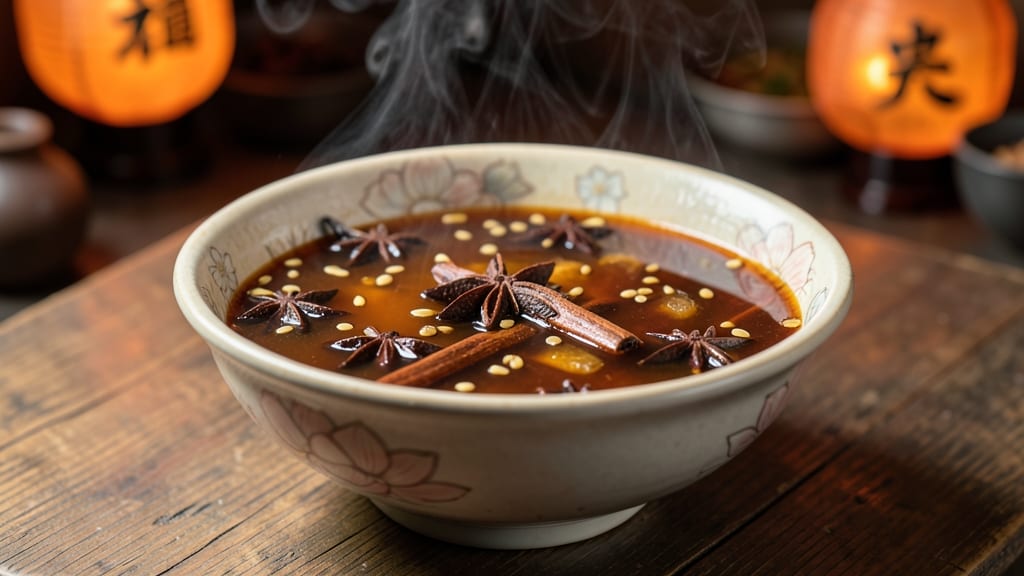
This Cantonese steamed fish sauce recipe delivers the deep, savory complexity that transforms simple dishes into restaurant-quality meals. The traditional method combines fermented fish, aromatic spices like star anise, and a delicate balance of sweetness that creates an umami bomb in every spoonful.
I've perfected this sauce over years of testing, ensuring the steaming process preserves its rich flavor while avoiding bitterness that plagues many homemade versions.
The beauty of this sauce lies in its versatility—just a splash enhances stir-fries, noodle dishes, or even grilled meats with professional-level depth. The key is the slow reduction process, where ingredients like soy sauce, sugar, and rice wine meld together under gentle heat to create a glossy, aromatic broth.
Unlike store-bought versions, this homemade sauce develops layers of complexity that make every bite unforgettable.
What makes this recipe special is how it captures the essence of Cantonese cuisine without requiring specialized equipment. A simple steaming setup and basic pantry staples deliver results that rival authentic restaurant sauces.
The star anise and other spices infuse the broth with warm, aromatic notes that elevate even the simplest dishes to something extraordinary.
Perfect for home cooks who want to add authentic Cantonese flavor to their cooking, this sauce keeps well in the refrigerator for up to two weeks. Whether you're preparing a special meal or adding depth to everyday dishes, this recipe will become your go-to for umami-rich flavor.
Let's get started on creating your own aromatic masterpiece.
Ingredients for cantonese steamed fish sauce
Ten essential ingredients blend into a Cantonese sauce that transforms any dish with restaurant-quality umami depth.
| Ingredient | Amount | Notes |
|---|---|---|
| Fermented Fish Sauce 🐟 | 1 cup | Premium quality, like Red Boat or Three Crabs |
| Star Anise Pods 🌟 | 4 whole | Whole, not ground, for best aroma |
| Dried Fennel Seeds 🌿 | 1 tbsp | Lightly toasted for enhanced flavor |
| Cassia Cinnamon Sticks 🍃 | 2 whole | 2-inch pieces for infusion |
| Light Soy Sauce 🍶 | ½ cup | Kikkoman preferred for balance |
| Dark Soy Sauce 🍶 | ¼ cup | For rich color depth |
| Granulated Sugar 🍬 | ¼ cup | White or brown, packed |
| Shaoxing Wine 🍷 | ¼ cup | Substitute with dry sherry |
| Dried Tangerine Peel 🍊 | ½ oz | Thin slices, no pith |
| Water 💧 | 2 cups | Filtered preferred for clarity |
The fermented fish sauce is the heart of this recipe—Red Boat or Three Crabs are professional choices, but any premium brand with clean, fish-forward aroma works. Star anise and cassia cinnamon deliver that signature aromatic warmth; buy whole pods and sticks from Asian markets or bulk spice shops—they infuse far better than pre-ground powders. Dried tangerine peel adds subtle citrus brightness, but if unavailable, a pinch of orange zest works in a pinch. For Shaoxing wine, dry sherry in a pinch, though the authentic Chinese rice wine provides that perfect balance of sweetness and acidity. Light and dark soy sauces create the signature color contrast—don't skip the dark soy for that rich mahogany hue.
No star anise? Double the fennel seeds plus a pinch of anise extract mimics the flavor profile. Shaoxing wine unavailable? Dry white wine or mirin both work, though mirin adds extra sweetness. Sugar can be swapped for honey or maple syrup, but adjust to taste—this sauce should be balanced, not cloying. For a quicker version, simmer everything 15 minutes instead of steaming, though you'll lose some of that delicate aroma. The dried tangerine peel can be omitted entirely if you're pressed for time, but it's worth hunting down at Asian grocery stores—they sell it pre-sliced and dried.
This sauce develops deeper flavor over time—reheat gently before each use to preserve its aromatic oils. Store in a clean glass jar in the refrigerator for up to 2 weeks, or freeze for 3 months in ice cube trays for portion control. The sauce thickens as it cools, so stir before using. A splash in stir-fries, drizzled over noodles, or even mixed into marinades—it's the secret weapon that turns good dishes into extraordinary ones. Make a double batch; you'll want to keep it on hand.
Why You'll Love This Recipe
- No-Chop Necessary: I swear by this—just slice the fish, arrange it, and let the sauce do the work. The star anise and cinnamon sticks infuse flavor without any prep fuss, and honestly? My lazy Sunday mornings thank me every time.
- Umami Bomb: That fermented fish sauce? It’s the star. One spoonful and your whole kitchen smells like a Cantonese dim sum stall—deep, savory, and impossible to resist. The soy sauce balances it perfectly, so you don’t even need fancy ingredients to hit the spot.
- Leftovers That Shine: Steamed fish keeps beautifully, and this sauce only gets better the next day. I’ll reheat it with a splash of water, and suddenly, Tuesday lunch feels like a restaurant meal. (Yes, even on a Tuesday night.)
- Pantry Magic: Between us, this recipe is my budget-friendly secret weapon. Star anise and cinnamon sticks last forever, and a little fish sauce goes a long way. I’ve made this for date nights, family dinners, and even takeout cravings—all while spending less than $10.
Step-by-step instructions for Cantonese steamed fish sauce
This aromatic broth delivers deep umami and balanced sweetness through precise layering of ingredients.
Toast the Spices for Maximum Aroma
In a dry skillet over medium-low heat, toast the 1 tablespoon dried fennel seeds and 2 whole cassia cinnamon sticks for 2-3 minutes until fragrant. You'll smell a warm, slightly sweet aroma—this releases their essential oils and deepens the flavor profile. Keep the heat low to prevent burning, which would create bitterness. Transfer the toasted spices to a small bowl and set aside.
In the same skillet, lightly toast the 4 whole star anise pods for 30 seconds until they emit their distinctive anise scent. The pods should remain whole and not darken. Add these to the bowl with the other spices. This step is crucial—proper toasting unlocks the full complexity of these aromatic ingredients.
Simmer the Base Ingredients
Combine the 2 cups water, 1 cup fermented fish sauce, 0.5 cup light soy sauce, 0.25 cup dark soy sauce, and 0.25 cup granulated sugar in a clean saucepan. Bring to a gentle simmer over medium heat, then reduce to a low boil. The mixture should bubble steadily without vigorous splashing.
Add the toasted spices, 0.5 oz dried tangerine peel, and 0.25 cup shaoxing wine to the simmering liquid. Stir gently to incorporate all ingredients. The broth should develop a rich, caramelized aroma within 5 minutes—this is when the flavors begin melding together. Keep the heat at a steady simmer to prevent evaporation.
Infuse and Reduce for Concentrated Flavor
Maintain the simmer for 15-20 minutes, allowing the spices to infuse fully. You'll notice the liquid gradually reduces and intensifies in color, turning a deep amber hue. The star anise and cinnamon will impart their warm, slightly sweet notes, while the fermented fish sauce adds its signature umami depth.
After 15 minutes, taste the broth. It should be balanced—sweet from the sugar and soy sauces, with a pronounced savory richness from the fermented fish sauce. If the flavor needs adjustment, add 1 tablespoon more light soy sauce for saltiness or 1 teaspoon more sugar for sweetness. Strain the broth through a fine-mesh sieve into a clean bowl or pot, pressing gently on the spices to extract all their essence.
Finish and Store for Optimal Freshness
Return the strained broth to the saucepan and bring it to a full boil for 1 minute to sterilize and concentrate the flavors further. This final step ensures the broth is shelf-stable and intensifies its taste. Remove from heat immediately and let it cool to room temperature.
Transfer the finished broth to airtight containers, leaving about ½ inch headspace to allow for expansion. Store in the refrigerator for up to 5 days or freeze for 3 months. This versatile broth enhances steamed dishes, soups, or marinades, delivering a complex, aromatic depth that elevates any recipe.
Pro Tips For Making Cantonese Steamed Fish Sauce
- Toast Your Spices First: Lightly toast the star anise, fennel seeds, and cinnamon sticks in a dry pan for 30 seconds until fragrant—this unlocks their oils and prevents bitterness. I used to skip this, and the sauce always tasted flat; now it’s rich and aromatic every time.
- Simmer, Don’t Boil: Keep the sauce at a gentle simmer (tiny bubbles, not rolling) to avoid scorching the fermented fish sauce, which turns it sharp and unpleasant. After burning two batches, I learned to monitor it like a nervous parent—low and slow is the only way.
- Strain Twice: First strain through a fine-mesh sieve to catch whole spices, then strain again through cheesecloth for a silky texture. The second step catches the fine debris that ruins the smoothness—yes, it’s extra work, but the result is worth it.
- Balance the Umami: Taste the sauce before adding soy sauce—fermented fish sauce varies in saltiness. Start with half the soy sauce called for, then adjust; I’ve ruined batches by assuming it was balanced and ended up with a salty mess.
Perfect pairings for cantonese steamed fish sauce
Steamed Dish Elevation
This sauce transforms simple steamed dishes into Cantonese restaurant-quality meals. Use it as a finishing drizzle on steamed white fish or shrimp—just 1-2 tablespoons per dish enhances natural flavors without overpowering.
The aromatic spices infuse the fish with subtle warmth, while the fermented fish base adds that signature umami depth. For extra richness, brush a thin layer on steamed pork belly before serving. 🌟
Stir-Fry Flavor Booster
Add 1-2 tablespoons of this sauce to your stir-fry during the last 30 seconds of cooking. It works beautifully with chicken, beef, or tofu—the star anise and cinnamon complement the caramelization of the meat.
For vegetables like bok choy or gai lan, add the sauce earlier to let the flavors meld. I often use it in char siu pork stir-fries for that authentic Cantonese touch.
Noodle Sauce Base
Mix 2 tablespoons of this sauce with 1 tablespoon oyster sauce and 1 teaspoon sesame oil for an instant noodle sauce. Toss with lo mein noodles or rice noodles for a restaurant-style dish.
The balance of sweet, salty, and umami makes it perfect for cold or hot noodle salads. For extra texture, top with crispy fried shallots or chopped scallions.
Marinade Magic
Use this sauce as a marinade for grilled meats like chicken thighs or pork chops. Let them marinate for at least 30 minutes (or overnight for deeper flavor). The Shaoxing wine and spices tenderize the meat while adding complex layers of flavor.
I love using it on grilled salmon—the aromatic notes pair beautifully with the fish's natural oils. 🍗
Soup Enhancer
Add 1-2 tablespoons to hot and sour soup or wonton soup just before serving. The fermented fish sauce adds depth, while the star anise and cinnamon elevate the broth's warmth. For a quick upgrade, stir it into egg drop soup or congee—it transforms an ordinary bowl into something extraordinary.
The sauce also works well in pho or ramen for an Asian-inspired twist.
Dipping Sauce Perfection
Thin with a splash of hot water to create a dipping sauce for spring rolls, dumplings, or fried rice. The balance of sweet, salty, and umami makes it irresistible. For extra brightness, add a few drops of chili oil or sriracha to taste.
I keep a small bowl of this sauce on the table for dipping steamed buns or rice crackers—it’s a crowd-pleaser! 🍜
Nutrition facts
Frequently asked questions
What makes this Cantonese sauce different from regular fish sauce?
This aromatic broth goes beyond basic fish sauce by combining fermented fish with star anise, cinnamon, and tangerine peel for a complex flavor profile. The steaming process preserves delicate aromatics that simmering would destroy, creating a balanced sweet-savory sauce with depth that regular fish sauce lacks. Think of it as a flavorful bridge between traditional Cantonese cuisine and umami-rich cooking.
Can I substitute Shaoxing wine with something else?
Yes! Use dry sherry or mirin as substitutes—both work well. For a non-alcoholic version, try apple juice or white grape juice, though the flavor will be slightly less complex. The key is maintaining the sauce's balance of sweetness and acidity.
How do I fix a sauce that tastes too salty?
Dilute with 1-2 tablespoons of water and reheat gently to balance the flavors. If that's not enough, add 1 teaspoon of sugar to counteract the saltiness. The sauce should have a harmonious blend of sweet, salty, and umami—not overpowering in any single note. Taste as you go!
What's the shelf life of this sauce?
Store in an airtight container in the fridge for up to 2 weeks, or freeze for 3 months in ice cube trays for portion control. The flavors actually deepen slightly over time, making it worth keeping on hand. Just reheat gently before using to restore its aromatic oils.
Can I make this sauce without star anise?
Yes! Double the fennel seeds and add ¼ teaspoon anise extract for a similar aromatic profile. For extra warmth, add a pinch of cinnamon or clove. While not identical, this combo still delivers that signature Cantonese warmth. The key is maintaining the balance of sweet, salty, and umami flavors.