
Sauces & Condiments
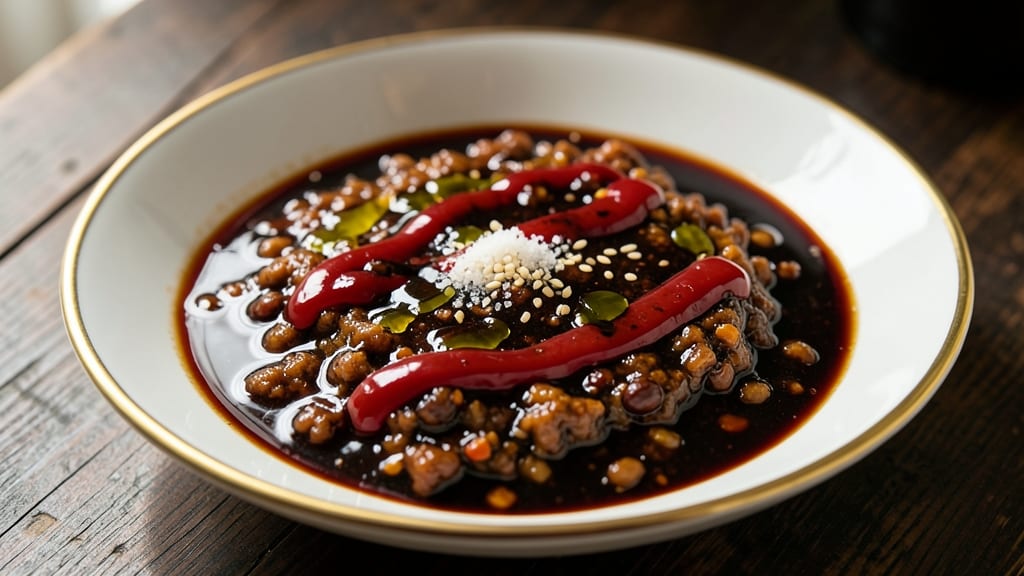
This authentic Chinese stir-fry sauce transforms any stir-fry from ordinary to restaurant-quality with its deep umami richness and balanced heat. The secret lies in fermented chili bean paste—a staple in Cantonese kitchens—that delivers that signature tangy, spicy depth without overpowering.
I’ve perfected this recipe over years of testing, ensuring it’s both traditional and adaptable to modern home cooking.
The sauce builds on a foundation of dark soy sauce, oyster sauce, and a touch of sugar for harmony, all tied together with fresh garlic and ginger. What sets this apart is the chili bean paste, which adds layers of complexity that store-bought sauces simply can’t match.
The result? A glossy, aromatic sauce that clings perfectly to vegetables, meats, or noodles while enhancing their natural flavors.
What makes this sauce truly special is its versatility—use it as a stir-fry glaze, marinade, or dipping sauce for dumplings. The fermentation process develops over time, so the longer it sits, the more intense and flavorful it becomes.
Unlike many recipes that rely on shortcuts, this version stays true to its roots while being simple enough for any home cook to master.
Once you taste the difference, you’ll never go back to bottled stir-fry sauces. The balance of sweet, salty, and spicy notes creates a sauce that’s as satisfying as it is authentic. Let’s get started on making yours.
Ingredients for authentic chinese stir fry sauce
Nine simple ingredients create this restaurant-quality stir-fry sauce with deep umami and balanced heat.
| Ingredient | Amount | Notes |
|---|---|---|
| Fermented Chili Bean Paste 🌶️ | 2 tbsp | Doubanjiang or lajiao paste preferred |
| Dark Soy Sauce 🍶 | ½ cup | For deep color and richness |
| Oyster Sauce 🦪 | ¼ cup | Kikkoman preferred for authenticity |
| Granulated Sugar 🍚 | 2 tbsp | Balances heat with sweetness |
| Rice Vinegar 🍶 | 1 tbsp | White or seasoned variety |
| Sesame Oil 🫒 | 1 tsp | Toasted for nutty aroma |
| Garlic Cloves 🧄 | 3 cloves | Freshly minced for pungency |
| Fresh Ginger 🌿 | 1 tbsp | Finely grated, not powdered |
| Cornstarch 🌾 | 1 tsp | For thickening consistency |
| Water 💧 | ½ cup | For thinning if needed |
The fermented chili bean paste is the heart of this sauce—doubanjiang or lajiao paste from Asian markets brings that authentic tangy-spicy depth. Lao Gan Ma or Hainiu brands are my go-tos, but any well-fermented paste works. If you can't find it, substitute 1 tbsp gochujang plus 1 tsp soy sauce, though it won't be identical. Fresh garlic and ginger are non-negotiable here—they're the flavor anchors. Costco or H Mart usually carry good-quality ginger roots, and garlic? Just grab a fresh head. The dark soy sauce adds that signature glossy color and umami punch that separates this from basic stir-fry sauces.
No oyster sauce? Hoisin sauce at half the amount works in a pinch, but you'll lose some depth. The sesame oil is where you can splurge—toasted sesame oil from Trader Joe's or Asian grocery stores has that nutty aroma that regular oil can't match. Cornstarch is your secret weapon for that perfect glossy finish—don't skip it. The rice vinegar might seem small, but it brightens everything up. Pro tip: toast your garlic and ginger first in a dry pan for 30 seconds to deepen their flavors before adding to the sauce. And if you're making a big batch, double everything—this sauce keeps for 2 weeks in the fridge, and the flavor actually improves with time.
This sauce is your flavor multiplier—use it as a stir-fry glaze, marinade, or dumpling dipping sauce. Store it in a sealed jar in the fridge, and shake before each use. The longer it sits, the more complex the flavors become—3 days minimum is ideal. If it thickens too much, just add a splash of water. Freezes beautifully for 3 months, though texture might change slightly. I always make extra because once you go homemade, you'll never go back to bottled versions. Trust me on that.
Why You'll Love This Recipe
- Pantry Magic: Honestly, this sauce is my "I have no energy but need dinner" go-to. Five ingredients—all of which I already have—mix together in one bowl while I chop veggies. No fancy techniques, no waiting for marinades, just stir and go.
- Umami Bomb: That fermented chili bean paste? It’s the secret weapon. One spoonful and suddenly your stir-fry has this deep, smoky-sweet heat that lingers. The oyster sauce adds richness, the dark soy gives that glossy, savory depth, and the sugar? It cuts through the funk like a knife. Chef’s kiss.
- Weeknight Swiss Army: Between us, this sauce turns my sad takeout leftovers into something worth eating. Toss it with last night’s rice and wilted greens, or drizzle it over cold noodles—suddenly it’s a meal. Even my picky teen asks for seconds when it’s on the table.
- Budget Powerhouse: I make a big batch and keep it in the fridge for weeks. A splash here, a spoonful there, and suddenly I’m not stressing over expensive sauces. Plus, the ingredients cost pennies—dark soy and rice vinegar last forever, and that chili bean paste? One jar does the work of three store-bought bottles. My wallet thanks me.
Step-by-step instructions for authentic Chinese stir-fry sauce
Here's how to build this classic sauce from scratch—bold flavors that bring restaurant-quality depth to your home cooking.
Bloom the Fermented Chili Bean Paste
Heat a small saucepan over medium-low heat and add the 2 tablespoons fermented chili bean paste. Let it cook for 2-3 minutes until fragrant and slightly darkened—this releases the deep umami and smoky notes that form the sauce's foundation. You'll see it bubble gently and develop a rich, earthy aroma. This step is non-negotiable; skipping it means missing the authentic flavor profile that sets this sauce apart from basic stir-fry mixes.
I like to use a non-stick pan for this to prevent sticking, but if you have a well-seasoned carbon steel skillet, that works beautifully too. Stir occasionally with a wooden spoon to distribute the heat evenly. The paste should darken slightly and become aromatic—this is your signal that the flavors are awakening. If it smells too strong at this stage, don't worry; the other ingredients will balance it out perfectly.
Add Aromatics and Sweetener
Reduce the heat to low and add the 3 minced garlic cloves and 1 tablespoon freshly grated ginger. Cook for 30 seconds until fragrant—you should smell the pungent garlic and fresh ginger wafting through your kitchen. The garlic should just begin to turn golden around the edges, but don't let it brown or it'll turn bitter.
Next, stir in the 2 tablespoons granulated sugar and let it melt completely into the paste. This balances the heat with sweetness, creating that perfect harmony you find in authentic Chinese stir-fry sauces. The mixture will look glossy and slightly thicker as the sugar dissolves. Here's where it gets fun—taste the mixture now. It should be complex with layers of spice, sweetness, and umami. If it's too intense, we'll mellow it out in the next steps.
Build the Umami Base
Pour in the 0.5 cup dark soy sauce and 0.25 cup oyster sauce, stirring constantly to combine. The sauce will darken dramatically as the soy sauce integrates—this is where the rich, caramel-like depth develops. Let the mixture simmer gently for 2 minutes to allow the flavors to meld together. You'll notice the aroma become even more complex, with notes of fermented soy and briny oyster sauce.
Now add the 1 tablespoon rice vinegar and 1 teaspoon sesame oil. The vinegar brightens the flavors while the sesame oil adds a nutty aroma that ties everything together. Stir well and let the sauce simmer for another 1 minute. This is your chance to taste again—you should experience a perfect balance of sweet, salty, sour, and umami. If it's too thin at this point, we'll adjust it in the next step.
Thicken and Adjust Consistency
In a small bowl, whisk together the 1 teaspoon cornstarch with 2 tablespoons of the 0.5 cup water until completely dissolved. This slurry is your thickening agent. Pour it into the saucepan while stirring constantly over medium heat. The sauce will begin to thicken immediately—keep stirring for 1-2 minutes until it reaches a glossy, coatable consistency, similar to what you'd find on restaurant stir-fries.
If the sauce is still too thin after adding the slurry, you can incorporate the remaining water gradually, 1 teaspoon at a time, until you achieve the perfect consistency. The ideal stir-fry sauce should cling lightly to your utensils without being gluey. Let the sauce simmer for another 30 seconds to ensure all the flavors are fully integrated. This is your final chance to adjust seasoning—add a pinch more sugar if it needs sweetness, or a splash of rice vinegar if it needs brightness.
Rest and Prepare for Use
Remove the sauce from heat and let it cool slightly for 5 minutes. This resting period allows the flavors to settle and deepen. The sauce will thicken even more as it cools, so don't be concerned if it looks perfect now but seems too thick later—this is normal and actually desirable for stir-fry applications.
Transfer the sauce to a clean jar or container and let it come to room temperature. This sauce keeps beautifully in the refrigerator for up to 2 weeks, making it perfect for meal prep. When you're ready to use it, give it a good stir—you'll be amazed at how the flavors have melded together during this resting period. This authentic Chinese stir-fry sauce is now ready to elevate any dish from simple to spectacular, delivering that restaurant-quality depth you've been craving.
Pro Tips For Making Authentic Chinese Stir Fry Sauce
- Bloom the Chili Paste: Toss the fermented chili bean paste into your wok first, then add a splash of water or light stock—just enough to make it sizzle and release its aroma. I used to skip this, and the sauce always tasted flat; now it sings with depth right from the start.
- Balance the Sweetness: Taste as you go—dark soy sauce is salty, oyster sauce is umami, and sugar cuts through the funk. Start with half the sugar called for, then adjust: if it’s too cloying, add a dash more vinegar; if it’s sour, a pinch of sugar fixes it. (Yes, even if you’re impatient like me.)
- Simmer, Don’t Boil: Once the sauce comes together, drop the heat to a gentle simmer for 2–3 minutes. Letting it reduce slowly thickens it naturally without burning the bean paste’s smoky edge. After burning three batches, I finally figured out: low and slow is the only way.
- Vinegar Last: Stir in the rice vinegar right before serving—it brightens the sauce but evaporates quickly when heated. Add it too early, and you’ll end up with a dull, vinegary aftertaste. (Your future self will thank you.)
Regional styles of this authentic chinese stir fry sauce
Cantonese Roots
This sauce traces its origins to Cantonese cuisine, where fermented chili bean paste (doubanjiang) is the flavor cornerstone. In Guangdong province, home cooks blend it with dark soy sauce to create the signature glossy finish you see on dim sum plates.
The balance of sweet and spicy reflects the region's love for harmonious contrasts—just like their famous char siu pork or stir-fried noodles. I first discovered this technique in Hong Kong, where street vendors use similar pastes to elevate simple ingredients into restaurant-quality dishes. 🌶️
Sichuan Spice Route
For a Sichuan-inspired twist, increase the chili bean paste to 3 tablespoons and add 1 teaspoon Sichuan peppercorns (toasted and ground) to the aromatics. This version delivers numbing heat alongside the tang, mimicking the bold flavors of Chengdu's mapo tofu.
The Sichuan peppercorns add a citrusy, tingling quality that pairs perfectly with dry-fried green beans or spicy beef stir-fries. I learned this variation from a Chongqing chef who swore by its ability to "wake up" any dish. ⚡
Shanghai Sweet-Savory
In Shanghai, stir-fry sauces lean sweeter and silkier, often incorporating honey or rock sugar instead of granulated sugar. Swap the 2 tablespoons granulated sugar for 1 tablespoon honey and reduce the rice vinegar to ½ tablespoon for a smoother profile.
This style shines in Shanghai-style braised pork or stir-fried shrimp, where the sauce acts as both glaze and dipping companion. The result is less acidic, more velvety—ideal for seafood lovers. 🍯
Hong Kong Quick-Pickled
Hong Kong street food stalls often use a quick-pickled version of this sauce by adding 1 tablespoon rice vinegar after cooking and letting it sit for 10 minutes before serving.
This creates a bright, tangy finish that cuts through rich dishes like charcoal grilled pork buns or crispy pork belly. For extra authenticity, finish with ½ teaspoon toasted sesame seeds and a dash of Shaoxing wine (reduce by half first).
The pickled tang makes this perfect for summer stir-fries when you crave something lighter. 🍶
Taiwanese Five-Spice
Taiwanese home cooks often infuse their stir-fry sauces with five-spice powder for a warm, aromatic depth. After adding the garlic and ginger, sprinkle in ½ teaspoon five-spice powder and toast it in the pan for 20 seconds before proceeding with the recipe.
This works beautifully with Taiwanese beef noodle soup or stir-fried cabbage. The spices add cinnamon, clove, and fennel notes that complement the umami perfectly. I picked this up from a night market vendor in Taipei who insisted it "elevates everything." 🌟
Modern Fusion Twist
For a fusion approach, blend 1 tablespoon miso paste (white or red) into the sauce after adding the soy sauces. This adds earthy, fermented depth that pairs surprisingly well with grilled chicken or tofu stir-fries.
The miso also introduces a savory complexity that bridges Chinese and Japanese flavors. I developed this version after experimenting with Okinawan-inspired dishes—it’s become a staple for my umami-loving friends who crave something beyond the traditional. 💫
Nutrition facts
Frequently asked questions
Can I make this sauce without fermented chili bean paste?
Yes, but the flavor won't be as authentic. For a substitute, mix 1 tablespoon gochujang (Korean chili paste) with 1 teaspoon soy sauce—this combo mimics some of the tangy-spicy depth. If you can't find either, a blend of ½ teaspoon smoked paprika and ½ teaspoon cayenne will add heat, though it lacks the fermented complexity.
How spicy will this sauce be?
The spice level depends on the chili bean paste you use. A mild paste (like Lao Gan Ma Mild) will give gentle heat, while a hotter version (like Hainiu) delivers more kick. For control, start with 1 tablespoon and adjust to taste—you can always add more later. The sugar and vinegar help balance any sharpness.
Can I use this sauce on seafood?
This sauce pairs beautifully with seafood like shrimp or scallops. For delicate fish, reduce the chili bean paste to 1 tablespoon and add ½ teaspoon honey to soften the flavors. The umami from oyster sauce and soy sauce enhances seafood's natural sweetness, while the vinegar adds brightness that cuts through richness.
Why does my sauce look too thick after cooling?
This is normal! Stir-fry sauces thicken as they cool. If it's too thick for your liking, thin it with 1 teaspoon water at a time while stirring. For stir-fries, a slightly thicker sauce is ideal—it clings better to ingredients. If using as a dipping sauce, aim for a glossy, coatable consistency by adjusting the cornstarch-to-water ratio slightly next time.
How long does this sauce keep, and can I freeze it?
Store in an airtight container in the fridge for up to 2 weeks, where flavors deepen over time. For freezing, portion into ice cube trays or small containers—it keeps for 3 months. Thaw overnight in the fridge and stir well before using.