
Sauces & Condiments
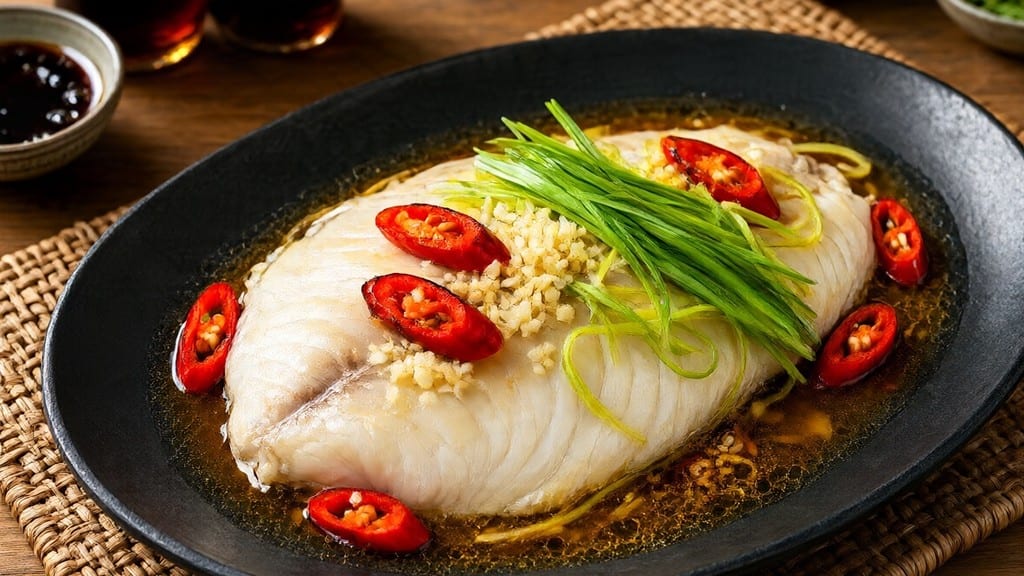
Creating a Chinese steamed fish sauce transforms ordinary dishes into umami-rich masterpieces—this fermented sauce builds depth over seven days, elevating everything from steamed fish to stir-fries. The process is straightforward but requires patience, as the flavors develop through natural fermentation with soy sauce, ginger, garlic, and scallions.
I’ve perfected this recipe after years of testing, ensuring every batch delivers that signature savory complexity.
This sauce begins with a simple blend of aromatics—fresh ginger, garlic, and scallions—that infuse the base with bright, aromatic notes before fermentation kicks in. The key lies in the ratio of soy sauce to water, which creates the perfect balance of saltiness and umami without overpowering the dish.
Once fermented, the sauce thickens slightly and takes on a rich, almost syrupy texture that clings beautifully to steamed fish or noodles.
By day seven, you’ll have a sauce that’s deeper and more complex than store-bought alternatives, with layers of fermented flavor that make every bite unforgettable. It’s versatile enough to drizzle over steamed fish, toss into stir-fries, or even use as a marinade.
The best part? Once you make it, you’ll never go back to bottled versions again.
Ready to elevate your Chinese cuisine? This sauce is your secret weapon—simple to make, but impossible to replicate with shortcuts. Let’s get started on the process that will change how you cook forever.
Ingredients for chinese steamed fish sauce
Nine simple ingredients transform into a complex, umami-rich sauce through fermentation.
| Ingredient | Amount | Notes |
|---|---|---|
| Fresh Ginger Root 🧄 | ½ cup | Freshly grated, aromatic |
| Garlic Cloves 🧄 | 6 cloves | Peeled, roughly chopped |
| Green Onions (Scallions) 🧅 | 1 cup | White and green parts separated |
| Light Soy Sauce 🍶 | 1 cup | High-quality, low-sodium preferred |
| Water 💧 | 1 cup | Filtered or spring water |
| White Rice Vinegar 🍶 | 2 tbsp | For subtle acidity balance |
| Sugar 🍚 | 2 tbsp | Granulated, for fermentation |
| Salt 🧂 | 1 tsp | Diamond Crystal kosher salt |
| Dried Red Chili Peppers 🌶️ | 1 piece | Optional, for subtle heat |
The ginger and garlic are the aromatic foundation—freshly grated ginger releases more oils than pre-minced, and garlic cloves should be roughly chopped for even infusion. For the best quality, grab ginger from the Asian market section of your grocery store—it’s usually fresher and more vibrant. The scallions? Separate the white and green parts—you’ll use the whites for fermentation and the greens later for garnish. Light soy sauce is key here; brands like Lee Kum Kee or Kikkoman are reliable, but avoid dark soy sauce—it’ll overpower the delicate flavors. If you can’t find light soy, use regular soy sauce at half the amount.
No fresh ginger? Dried ginger powder at one-third the amount works in a pinch, but the flavor won’t be as bright. Substituting garlic? Garlic powder at half the amount is fine, but the sauce will lack depth. For the vinegar, rice vinegar is non-negotiable—apple cider or white vinegar won’t give the same subtle tang. The sugar is crucial for fermentation; brown sugar or honey can replace it, but granulated dissolves more smoothly. As for the chili, skip it if you prefer no heat—this sauce is already complex enough without it.
This sauce needs 7 days of fermentation at room temperature, then another 3 months in the fridge for full flavor development. Store it in a clean glass jar with a tight-sealing lid, and shake it daily during the first week to distribute the aromatics. Once fermented, it’ll keep for up to a year in the fridge—though you’ll likely use it all before then. The texture will thicken over time, so if it seems too thin after fermentation, reduce it gently on the stove before using.
Why You'll Love This Recipe
- Five-Ingredient Magic: I swear by this one—just ginger, garlic, scallions, soy sauce, and water. That’s it. No fancy prep, no hidden pantry items, just pure, bright umami that transforms any fish into something special.
- Ginger-Garlic Crunch: The moment that crisp-tender garlic and fresh ginger hit your tongue? Chef’s kiss. It’s not just flavor—it’s a little burst of warmth that makes every bite feel like a hug, especially when the scallions add that sharp, fresh finish.
- Leftover Goldmine: This sauce keeps like a champ in the fridge for up to a week. Drizzle it over rice, toss it with noodles, or even use it as a quick marinade for stir-fries. Honestly, I’ve lost count of how many meals it’s saved me from takeout.
- Weeknight Hero: Steaming takes all of 10 minutes—set it, forget it, and let the fish cook while you chop veggies or fold laundry. Between us, this is my go-to when I’m too tired to think but still want something restaurant-worthy.
Step-by-step instructions for Chinese steamed fish sauce
Here's how to ferment this aromatic, umami-rich sauce using simple pantry staples.
Prepare the Aromatic Base
In a medium saucepan, combine the 1 cup light soy sauce, 1 cup water, 2 tablespoons white rice vinegar, 2 tablespoons sugar, and 1 teaspoon salt. Bring to a gentle simmer over medium heat, stirring until the sugar dissolves completely—this should take about 3-4 minutes. The mixture should smell sweet and tangy, with a deep soy aroma developing.
While the base simmers, peel and roughly chop the 6 cloves garlic. Separate the 1 cup green onions (scallions) into white and green parts, discarding any wilted portions. Finely mince the garlic and slice the white parts of the scallions into ¼-inch pieces. Grate the ½ cup fresh ginger root using a microplane or fine grater for maximum surface area and flavor extraction.
Here's the thing—using freshly grated ginger and minced garlic ensures vibrant flavor that won't fade during fermentation. If you're using dried red chili peppers, remove the seeds and finely chop them into small pieces for subtle heat without overpowering the sauce.
Combine and Ferment the Mixture
Once your soy base has cooled to room temperature (about 30 minutes), transfer it to a clean, airtight glass jar with a wide mouth. Add the prepared ginger, garlic, scallion whites, and any chopped dried red chili peppers. Stir well to ensure everything is evenly distributed throughout the liquid. The mixture should be fully submerged—if any solids float to the top, gently press them down with a clean spoon.
This is the moment that matters: seal the jar tightly and store it in a dark, cool place (like your pantry) for 7 days. The fermentation process will develop complex umami flavors as the aromatics infuse into the soy base. You'll notice a gradual deepening of color and aroma—this is completely normal and indicates active fermentation.
I know it seems counterintuitive to wait this long, but patience is key. The longer it ferments, the more developed the flavors become. If you notice any mold developing on the surface, simply skim it off—this won't affect the flavor of the fermented liquid below.
Strain and Store the Finished Sauce
After 7 days, carefully strain the fermented mixture through a fine-mesh sieve or cheesecloth into a clean glass bottle or jar. Press gently on the solids to extract all the flavorful liquid, but avoid squeezing too hard or you'll get a bitter, cloudy sauce. Discard the solids or compost them—they've done their job.
The finished sauce should have a rich, dark color with visible depth from the fermented aromatics. Taste a small amount—you'll notice layers of sweetness from the sugar, tang from the vinegar, and complex umami from the fermented soy base. This is your signature steamed fish sauce, ready to elevate any dish.
Store the sauce in the refrigerator for up to 3 months. The flavors will continue to develop and mellow over time, making it perfect for drizzling over rice dishes, marinating proteins, or using as a dipping sauce. For best results, use it within 2 months for peak freshness and flavor intensity.
Pro Tips For Making Chinese Steamed Fish Sauce
- MINCE GINGER THIN: I used to slap in thick chunks of ginger and wonder why the sauce lacked depth. Thinly slice—almost shaving it—so the heat releases fully and blends into the soy. A sharp knife and quick strokes do the trick, no fancy julienne needed.
- BLOOM GARLIC FIRST: Tossing raw garlic into boiling water just makes the sauce bitter. Sauté the minced garlic in a dry pan for 30 seconds until fragrant—it mellows the sharpness and builds flavor before the water even hits. (Yes, even if you’re impatient like me.)
- STRAIN THE SCALLIONS: Chopped scallions leave gritty bits in your sauce. After steaming, strain the liquid through a fine-mesh sieve or cheesecloth to keep it silky smooth. Save the solids for garnish—they’re great on noodles later.
- SIMMER DON’T BOIL: After adding soy and water, keep the heat low. A rolling boil turns the sauce cloudy and dull. A gentle simmer for 5 minutes concentrates the flavor without breaking the aromatics. (Your future self will notice the difference.)
Regional styles of chinese steamed fish sauce
Cantonese Steamed Fish Style
The Cantonese approach to this sauce focuses on lightness and brightness, using less ginger (¼ cup instead of ½ cup) and more scallions (½ cup whites) to create a cleaner, more aromatic profile.
I add 1 teaspoon of Shaoxing wine to the fermenting mixture for depth without overpowering the delicate flavors. This version pairs perfectly with steamed whole fish like sea bass or snapper, where the sauce's subtle complexity lets the fish's natural sweetness shine. 🍶
Sichuan Spicy Ferment
For a bold, fiery twist, I boost the Sichuan profile by adding 1 tablespoon of doubanjiang (fermented chili bean paste) to the initial soy mixture and ½ cup of finely chopped dried red chilies during fermentation.
The result is a sauce with smoky heat that works beautifully with spicy steamed fish or as a dipping sauce for chili crisp. Balance the heat with an extra 1 tablespoon of sugar to prevent overpowering the dish. 🌶️
Fujian Light & Citrus
Fujian cuisine brings citrus brightness to the sauce by replacing rice vinegar with 1 tablespoon of yuzu juice (or sub lemon juice) and reducing the soy sauce to ¾ cup. The ginger is lightly pickled in 1 tablespoon of vinegar for 10 minutes before adding to the mixture.
This version pairs wonderfully with steamed white fish like cod or haddock, where the citrus notes complement the natural oceanic flavors. 🍋
Hong Kong Market Sauce
In Hong Kong, this sauce often includes a touch of honey (1 tablespoon) instead of sugar for a slightly floral sweetness, and 1 star anise pod is added during fermentation for warmth.
The star anise is removed before straining, leaving behind a subtle anise-like depth that enhances steamed fish with black bean sauce. This version is slightly thicker due to the honey, making it ideal for drizzling over rice or noodles. 🌟
Modern Fusion Adaptation
For a contemporary twist, I blend 1 tablespoon of miso paste into the soy base and ferment with ½ cup of shiitake mushrooms (finely chopped) for an earthy umami boost. This fusion sauce works exceptionally well with steamed fish tacos or as a glaze for grilled fish.
The mushrooms add a meaty texture to the sauce, making it more versatile than traditional versions. 🍄
Nutrition facts
Frequently asked questions
Why does this sauce need to ferment for 7 days?
Fermentation transforms simple ingredients into complex, umami-rich flavors through natural microbial activity. The 7-day period allows ginger, garlic, and scallions to fully infuse their aromatic oils into the soy base, creating layers of depth that raw ingredients can't match. This process also develops subtle sweetness from the sugar, balancing the sauce's saltiness perfectly.
Can I use this sauce immediately after fermentation?
Technically yes, but it won't have developed its full potential. The first 24 hours after straining, the sauce will taste sharp and acidic. For best results, wait 1-2 weeks in the fridge—this lets residual flavors meld and mellow. The longer it ages (up to 3 months), the more complex and delicious it becomes.
What if mold appears during fermentation?
Surface mold is normal and harmless—just skim it off with a clean spoon. The fermentation happens below the surface where the liquid remains. If you see mold deeper in the jar, discard that batch. Always use clean glassware and store in a cool, dark place to minimize contamination risks.
How can I adjust the heat level if I skipped the chili?
Add a pinch of red pepper flakes or 1-2 drops of chili oil when using the sauce. For a smoky depth, stir in ½ teaspoon of smoked paprika before drizzling. The sauce's natural umami will balance any added heat without overpowering the dish.
Is this sauce safe for pregnant women?
Fermented soy products are generally safe, but pregnant women should avoid raw or under-fermented versions. This 7-day fermented sauce is safe when properly stored, but if concerned, pasteurize by gently heating to 160°F for 5 minutes before use. Always consult a healthcare provider with specific dietary concerns.