
Sauces & Condiments
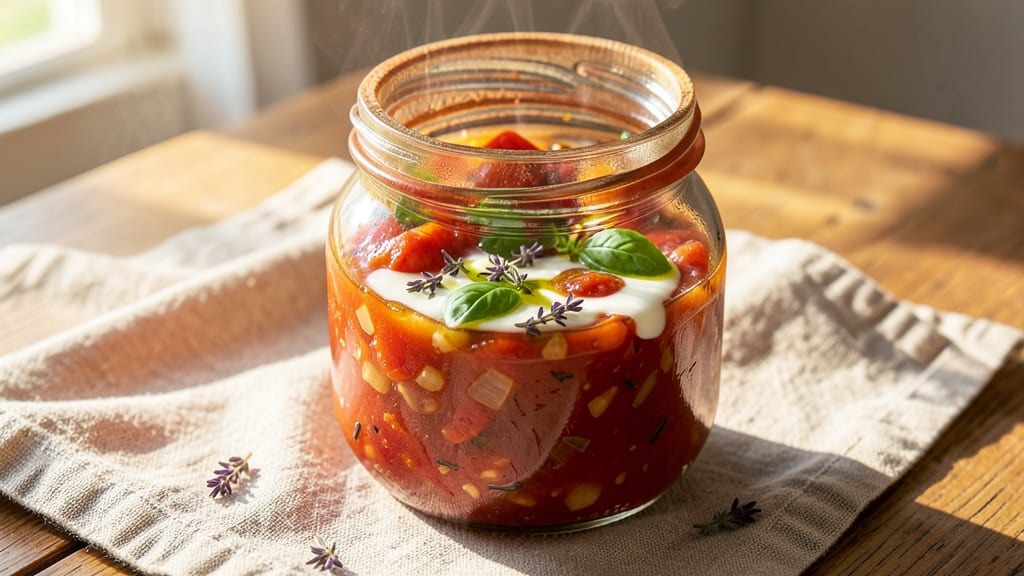
Creating a canned fresh tomato sauce that captures summer's bright, vibrant flavor is simpler than you might think—and it transforms ordinary meals into restaurant-quality experiences.
This recipe preserves the essence of fresh tomatoes in a way that store-bought sauces can't match, using just a few key ingredients and precise techniques to ensure safety and quality for long-term storage.
The secret lies in selecting ripe, vine-ripened tomatoes and balancing them with aromatic herbs, garlic, and a touch of acidity from lemon juice or vinegar.
Unlike traditional canning methods that rely on sugar or salt, this sauce uses natural acidity to create a bright, fresh-tasting condiment that stays vibrant for months. The process is straightforward, but the results are professional-grade—ideal for pasta, soups, or as a base for other sauces.
What you’ll end up with is a smooth, flavorful sauce that’s free of artificial additives and packed with the rich, complex taste of homegrown tomatoes. The sterilization and canning steps ensure your sauce stays safe and delicious for up to a year, making it a versatile pantry staple.
Whether you're a home cook or a seasoned canner, this method delivers consistent, high-quality results every time.
Perfect for meal prepping, gifting, or stocking your pantry for winter, this sauce is the foundation of countless dishes. Let’s get started with the step-by-step process to preserve that fresh tomato flavor all year long.
Ingredients for canned fresh tomato sauce
Nine essential ingredients to preserve summer's bright tomato flavor all year.
| Ingredient | Amount | Notes |
|---|---|---|
| Fresh Vine-Ripened Tomatoes 🍅 | 10 lbs | Ripe, firm, no blemishes |
| Extra-Virgin Olive Oil 🫒 | ½ cup | High-quality, fruity variety |
| Yellow Onion 🧅 | 1 whole | Medium size, chopped fine |
| Garlic Cloves 🧄 | 6 cloves | Peeled, minced finely |
| Fresh Basil Leaves 🌿 | 1 cup | Packed, stems removed |
| Fresh Oregano Leaves 🍃 | ¼ cup | Packed, chopped fine |
| Lemon Juice 🍋 | ¼ cup | Freshly squeezed |
| Diamond Crystal Kosher Salt 🧂 | 1 ½ tsp | Fine grain preferred |
| Ground Black Pepper 🌶️ | ½ tsp | Freshly ground preferred |
| White Vinegar 💧 | ¼ cup | For acidity balance |
Tomatoes are the star—vine-ripened varieties like Roma or San Marzano pack the most flavor. Hit the farmers market in late summer for the best haul, or grab heirloom tomatoes from Whole Foods when fresh ones are scarce. Avoid bruised or overripe tomatoes—they’ll turn your sauce mushy. If you’re using garden tomatoes, blanch and peel them first for a smoother texture. For garlic, roast a few cloves whole alongside the sauce for a sweeter, deeper flavor (just mash them in later). The olive oil should be extra-virgin—cheap oil will make the sauce taste flat.
No fresh basil? Dried oregano at half the amount works in a pinch, but fresh herbs make all the difference. Short on vinegar? Lemon juice alone will work, but add a pinch of sugar to balance the acidity. Using canned tomatoes? San Marzano cans are your best bet—they’re sweet and meaty, but drain them well to avoid excess liquid. For a smokier sauce, add a pinch of smoked paprika. And if you’re canning a large batch, sterilize your jars in boiling water for 10 minutes—no cutting corners here.
This sauce keeps for up to a year in a cool, dark pantry. Once opened, transfer to the fridge and use within 5-7 days. For extra shelf life, freeze portions in ice cube trays. The sauce thickens as it sits, so add a splash of water or broth when reheating. I always make a double batch—one for the pantry, one to gift. The flavor only gets better with time, so label your jars with the date. Trust me, you’ll want to save some for next summer’s cooking.
Why You'll Love This Recipe
- No Chopping Needed: I swear by this—just crush those vine-ripened tomatoes by hand (or use a fork), then toss them in a pot with the onion and garlic. No dicing, no peeling, no stress. The sauce builds flavor while you sip your coffee.
- Sunshine in a Jar: That first spoonful of the finished sauce? It’s like summer in a bowl—the sweetness of the tomatoes, the bright punch of garlic, and the fresh basil cutting through it all. Honestly, I’ve made store-bought sauce before, but this tastes like real food.
- Pantry Staple Upgrade: This sauce is my secret weapon for lazy nights: toss it with pasta, dollop it on toast with cheese, or freeze it for future marinara emergencies. (Yes, even on a Tuesday night when you’re too tired to cook.)
- Lasts for Days (Literally): Make a big batch—it keeps in the fridge for a week or freezes perfectly for months. Between us, I’ve pulled this from the freezer after forgetting it was there, and it still tasted like I’d made it yesterday. Budget-friendly and lazy-friendly? Win-win.
Step-by-step instructions for canned fresh tomato sauce
Here's how to transform garden-fresh tomatoes into a bright, versatile sauce that keeps beautifully.
Prep and Roast the Tomatoes for Maximum Flavor
Preheat your oven to 400°F and line two large baking sheets with parchment paper. Cut the 10 lbs fresh vine-ripened tomatoes in half crosswise, removing the cores as you go. Place them cut-side up on the prepared sheets, leaving about ½ inch between each tomato.
Drizzle each tomato half with ¼ teaspoon of the extra-virgin olive oil and sprinkle lightly with diamond crystal kosher salt. Roast for 25-30 minutes until the edges begin to blister and the skins darken slightly. This caramelization builds deep, complex flavor. Watch closely after 20 minutes—your oven might run hot, so start checking early. The tomatoes should be soft when pierced with a fork but not mushy.
Build the Flavor Base with Aromatics
While the tomatoes roast, finely chop the 1 whole yellow onion and mince the 6 cloves garlic cloves. In a large, heavy-bottomed pot, heat 0.25 cup of the remaining extra-virgin olive oil over medium heat. Add the onion and cook for 5-6 minutes, stirring occasionally, until it becomes translucent and just begins to soften.
Add the garlic and cook for another 30 seconds—just until fragrant. Be careful not to let it brown, as it can turn bitter quickly. Here's the thing—this aromatic base is where all the magic happens. The onions should be tender but not caramelized, and the garlic should smell like a garden, not a pharmacy.
Blend the Roasted Tomatoes into a Silky Sauce
Transfer the roasted tomatoes to a large bowl and let them cool slightly. Using your hands, gently squeeze the tomatoes to release their juices, then discard the skins. Add the tomatoes (with juices), 1 cup fresh basil leaves, 0.25 cup fresh oregano leaves, 0.25 cup lemon juice, and 0.25 cup white vinegar to the pot with the onions and garlic.
Bring the mixture to a simmer over medium heat, then reduce the heat to low. Let it cook uncovered for 20-25 minutes, stirring occasionally, until the tomatoes break down completely and the sauce thickens slightly. You'll notice the sauce becomes glossy and the flavors meld together beautifully. This simmering step is crucial—it develops the sauce's depth and balances the acidity.
Season and Process for Perfect Texture
Remove the sauce from heat and let it cool for 10 minutes. Using an immersion blender, blend the sauce until smooth. If you prefer a chunkier texture, use a regular blender or food processor in batches. Season with 1.5 teaspoons diamond crystal kosher salt and 0.5 teaspoon ground black pepper, tasting as you go.
For the best results, I like to add a splash of the roasted tomato juices if the sauce seems too thick. The sauce should coat the back of a spoon but still be pourable. This is your chance to adjust the seasoning—add a pinch more salt if needed, or a bit more lemon juice for brightness. The sauce should taste vibrant, with a perfect balance of sweetness from the tomatoes and acidity from the vinegar and lemon.
Can the Sauce for Long-Term Storage
Ladle the hot sauce into clean, sterilized pint or quart jars, leaving ½ inch of headspace at the top. Wipe the rims of the jars with a clean, damp cloth to remove any sauce residue, then place lids on the jars. Process in a water bath canner for 90 minutes for pints or 105 minutes for quarts, adjusting for altitude if necessary.
Once cooled, check the seals on the jars. Properly sealed jars will have a concave lid that doesn't flex when pressed. Store in a cool, dark place for up to 12 months. The sauce will continue to develop flavor over time, making it even more delicious months later. This method preserves all the bright, fresh flavors of summer tomatoes, ready to use whenever you need a quick, vibrant sauce for pasta, pizza, or braising.
Pro Tips For Making Canned Fresh Tomato Sauce
- CRUSH THE TOMATOES FIRST: I learned this the hard way—skipping this step leaves you with a chunky, uneven sauce. Use a potato masher or your hands to break down the tomatoes before simmering, so every spoonful is smooth and consistent. (Yes, even if you’re impatient like me.)
- SWEAT THE ONION LOW AND SLOW: After burning three batches, I finally figured out that 10 minutes on medium-low heat—until the onion is translucent but not browned—builds flavor without bitterness. High heat turns onions bitter, and nobody wants that in their sauce.
- SALT THE SIMMERING SAUCE: Taste and add salt while the sauce cooks, not just at the end. The acidity in tomatoes makes it tricky—about 1 teaspoon per quart, but adjust as you go. (Your future self will thank you.)
- SAVE THE BASIL FOR LATER: Tossing in fresh basil too early turns it mushy and dulls its bright flavor. Stir in a handful at the very end, or reserve some to garnish—this isn’t the prettiest method, but it’s the tastiest.
Serving suggestions for leftovers
Pasta Perfection
This bright tomato sauce transforms into a restaurant-worthy marinara in minutes. Toss it with al dente spaghetti or bucatini and finish with freshly grated Parmigiano-Reggiano. For extra richness, stir in 1 tablespoon of butter and a pinch of red pepper flakes at the end.
I like to add a handful of cherry tomatoes that I halve and blister in a pan for 3 minutes—they add a pop of freshness that balances the canned sauce’s depth. 🍝
Pizza Base
Use this sauce as your pizza foundation—it’s sweeter and brighter than store-bought options. Spread ¼ cup of sauce on a pre-baked crust, then top with mozzarella di bufala, fresh basil, and a drizzle of extra-virgin olive oil.
For a gourmet touch, add thinly sliced prosciutto di Parma or caramelized onions. The sauce’s natural acidity cuts through the richness beautifully. 🍕
Braised Dishes
Deglaze a pan with this sauce after searing chicken thighs or pork chops to create a quick braise. Simmer for 15-20 minutes until the sauce thickens into a glossy glaze. I often add a splash of white wine and a bay leaf to deepen the flavor.
It’s perfect for weeknight dinners or meal prep—just reheat and serve over mashed potatoes or polenta. 🍗
Soups and Stews
Stir this sauce into minestrone or lentil soup for a burst of fresh tomato flavor without the need for fresh ingredients. Add 1 cup of sauce to 4 cups of simmering broth, along with diced carrots, celery, and cannellini beans.
The sauce’s brightness elevates the dish, making it feel lighter and more vibrant. For a smoky twist, add a dash of smoked paprika while simmering. 🥘
Dipping Sauce
Thin the sauce with a splash of water or broth to create a dip for garlic bread, mozzarella sticks, or crudités. I like to stir in 1 teaspoon of honey and a pinch of freshly cracked black pepper for a sweet-savory balance.
Serve warm or at room temperature—it’s a crowd-pleaser for game day or appetizers. 🧅
Garnish Like a Pro
Elevate any dish with a simple garnish of fresh basil leaves, flaky sea salt, or a drizzle of high-quality olive oil. For a pop of color, add thinly sliced radishes or microgreens.
A sprinkle of Pecorino Romano adds a sharp contrast to the sauce’s sweetness. These finishing touches make even the simplest meal feel special. ✨
Nutrition facts
Frequently asked questions
Can I use regular canned tomatoes instead of fresh?
While you can substitute San Marzano canned tomatoes (drained well), fresh tomatoes create a brighter, more vibrant sauce with deeper flavor. The roasting step caramelizes natural sugars, which is harder to replicate with canned versions. If using canned, add 1 extra tablespoon of lemon juice per quart to boost acidity for safe canning.
How do I adjust the acidity if my tomatoes aren't very tart?
Add 1 extra tablespoon of lemon juice or white vinegar per quart of sauce to ensure safe canning. The total acidity should reach at least pH 4.6. For testing, use a pH meter or add ½ teaspoon citric acid per quart as a failsafe. Under-acidified sauces can spoil over time.
What's the best way to reheat canned tomato sauce?
Gently warm over low heat on the stovetop, stirring frequently to prevent scorching. For thicker sauces, add 1-2 tablespoons of water or broth to restore consistency. Microwave in 30-second bursts, stirring between each, to avoid overheating. Never boil canned sauces—it can break down flavors and textures.
Can I add meat or other ingredients to this sauce?
Yes! For a meat sauce, add ground beef, Italian sausage, or pancetta during the simmering step (20-25 minutes). For vegetarian versions, stir in mushrooms, spinach, or sun-dried tomatoes after blending. Just ensure any additions are properly cooked before canning to maintain safety standards.
Why did my sauce turn cloudy after opening?
Cloudiness often means the sauce separated during storage. Stir in 1 tablespoon of olive oil or a splash of water and reheat gently. If the texture is grainy, blend briefly with an immersion blender. This happens more with high-acid sauces—always store opened jars in the fridge and use within 5-7 days.