
Sauces & Condiments
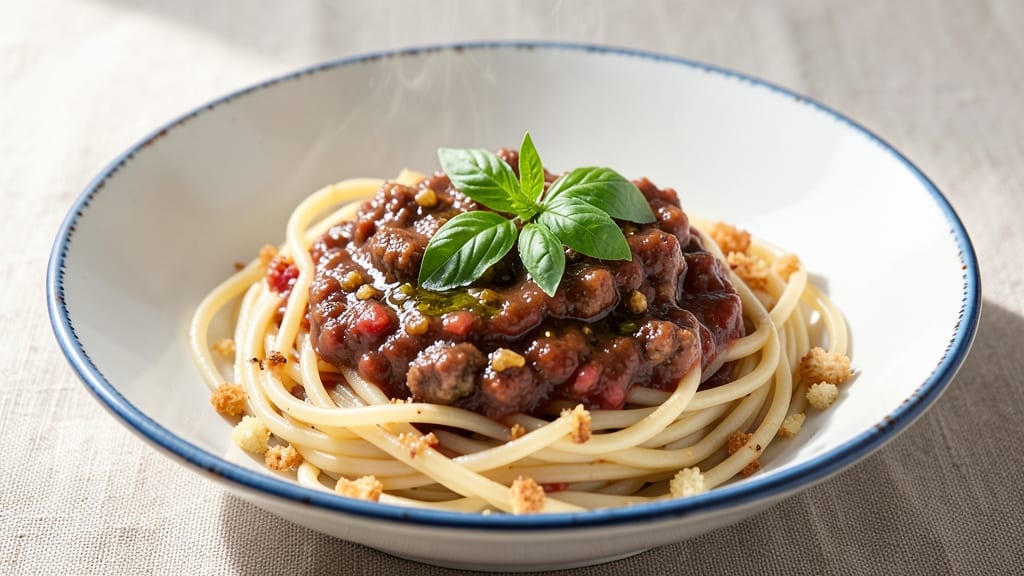
This authentic Italian spaghetti meat sauce transforms simple ingredients into a restaurant-quality dish that captures the soul of Italian home cooking. 🌟 The secret lies in slow-simmering the sauce to develop deep tomato flavor while tenderizing the ground beef—no shortcuts, just time-honored technique that delivers rich, aromatic layers of garlic, herbs, and a touch of wine.
What sets this recipe apart is the balance of textures and flavors: caramelized onions form the foundation, while browned beef adds savory depth. Fresh basil and oregano brighten the sauce just before serving, ensuring each bite tastes like it came from a trattoria in Bologna.
The key is patience—letting the sauce work its magic over 45 minutes creates that velvety consistency and complex taste profile.
By the time you twirl that first forkful of al dente spaghetti through the sauce, you'll understand why this dish has been a Sunday staple in Italian homes for generations.
The meat stays tender, the tomatoes reduce to a concentrated sweetness, and the herbs add that signature freshness that makes it feel authentic. This isn't just pasta—it's a taste of Italy on your dinner table.
Perfect for family dinners, potlucks, or when you want to impress guests without spending hours in the kitchen. The sauce keeps well for 5 days in the fridge, making it ideal for meal prep too. Let's create something special together—starting with the foundation of every great Italian meal.
Ingredients for authentic italian spaghetti meat sauce
Simple ingredients that pack a flavor punch—this sauce is all about slow-simmered depth and Italian authenticity.
| Ingredient | Amount | Notes |
|---|---|---|
| Ground Beef 🥩 | 1 lb | 80/20 fat ratio preferred |
| Yellow Onion 🧅 | 1 whole | Medium size, finely chopped |
| Garlic Cloves 🧄 | 4 cloves | Fresh, minced for aromatic depth |
| Canned San Marzano Tomatoes 🍅 | 28 oz | Crushed by hand, seeds removed |
| Extra-Virgin Olive Oil 🫒 | ¼ cup | For sautéing onions and garlic |
| Dry Red Wine 🍷 | ½ cup | Bold, like Chianti or Cabernet |
| Fresh Basil Leaves 🌿 | ¼ cup | Chopped, added at the end |
| Fresh Oregano 🍃 | 1 tbsp | Chopped, or 1 tsp dried |
| Tomato Paste 🍅 | 2 tbsp | For concentrated tomato flavor |
| Beef Broth 💧 | ½ cup | Low-sodium preferred |
| Salt 🧂 | 1 ½ tsp | Diamond Crystal kosher salt |
| Black Pepper 🌶️ | ½ tsp | Freshly cracked |
| Spaghetti 🍝 | 12 oz | High-quality, al dente preferred |
The ground beef is non-negotiable—80/20 fat ratio gives that rich, tender texture. I always grab mine from Costco when I can, but any supermarket brand works if it's fresh. Look for San Marzano tomatoes at Italian markets or specialty stores—they're sweeter and less acidic. The onions? Yellow, medium-sized—they caramelize better than red. Fresh basil and oregano are worth the trip to the market, but dried works in a pinch (use half the amount). The olive oil should be extra-virgin, fruity, and not too peppery—something you'd drizzle on bread.
No red wine? Beef broth with a splash of balsamic works just fine. Fresh garlic is ideal, but if you're using jarred, make sure it's minced (not chopped). The tomato paste can be from a tube—Trader Joe's has great ones—or a can. If you're short on time, pre-minced garlic from the refrigerated section is a lifesaver. Want more umami? Add 1 tsp soy sauce (it disappears into the sauce). The spaghetti? Bronze-die pasta holds up better to sauces, but any good brand will do. Just don't overcook it—al dente is key.
This sauce tastes even better the next day—let it sit overnight if you can. Keeps for 5 days in the fridge, 3 months frozen. I always make a double batch so I have leftovers for lunches. Store in airtight containers with a thin layer of olive oil on top to preserve the basil's color. Freeze in portion-sized containers for easy reheating. Leftovers reheat beautifully—just warm on the stove with a splash of water or broth.
Why You'll Love This Recipe
- One-Pot Magic: I swear by this recipe—just brown the beef, toss in the onions and garlic, then let those San Marzano tomatoes do their thing. No extra pans, no mess, and honestly? It’s the kind of sauce that feels like a hug after a long day.
- San Marzano Secret: That canned tomato? It’s not just any tomato. The sweet, rich flavor of San Marzano cuts through the beef’s richness, balancing it perfectly with just a splash of olive oil. Between us, this is the only way I’ll make meat sauce now.
- Weeknight Workhorse: This sauce is my go-to for busy nights, but it’s also the star of Sunday dinners. Serve it over spaghetti for a classic, or toss it with crusty bread and cheese for a hearty lunch. (Yes, even on a Tuesday night.)
- Budget-Friendly Feast: Ground beef and canned tomatoes stretch into enough sauce for leftovers that taste just as good reheated. I’ll be real: this recipe keeps my grocery bill down while still feeling like a restaurant-quality meal. Win-win.
Step-by-step instructions for authentic Italian spaghetti meat sauce
Here's how to build a rich, slow-simmered ragù that captures the heart of Italian tradition.
🍳 Step 1: Build the Flavor Base with Onions and Garlic
Heat the 0.25 cup extra-virgin olive oil in a heavy Dutch oven over medium-low heat. Add the finely chopped yellow onion and cook for 8-10 minutes until completely translucent and sweet-smelling—this is your foundation. I like to stir occasionally to prevent browning, but don't rush this step.
When the onions are soft, add the minced garlic cloves and cook for another 1-2 minutes until fragrant but not browned. Garlic burns quickly, so watch closely. The goal is to infuse the oil with their flavors without bitterness. This aromatic base will carry through the entire sauce.
🔥 Step 2: Brown the Ground Beef Perfectly
Push the onions and garlic to one side of the pot and add the 1 lb ground beef to the empty space. Let it brown undisturbed for 3-4 minutes until it loses its raw color. This step is crucial—proper browning creates depth of flavor through the Maillard reaction.
Once browned, break up the beef with a wooden spoon and distribute it evenly throughout the onions. Cook for another 5-6 minutes until the beef is fully cooked through. If the pan gets too dry, add 1-2 tablespoons of dry red wine to deglaze and prevent sticking. This wine addition also helps dissolve any browned bits stuck to the bottom.
🍳 Step 3: Develop the Sauce with Tomato Paste and Wine
Stir in the 2 tbsp tomato paste and cook for 2 minutes until it darkens slightly—this intensifies the tomato flavor. Pour in the remaining 0.5 cup dry red wine and scrape up any browned bits from the bottom with a wooden spoon. Let the wine simmer for 3-4 minutes until it reduces by half.
Here's where the magic happens: add the 28 oz crushed San Marzano tomatoes and 0.5 cup beef broth. Stir well to combine, then bring to a gentle simmer. The sauce should bubble softly—this is not a boiling sauce. Add the 1.5 tsp salt and 0.5 tsp black pepper now. This is the moment to taste and adjust seasoning before the long simmer.
⏰ Step 4: Slow-Simmer for Deep Flavor Development
Partially cover the pot and let the sauce simmer gently for 45-60 minutes over low heat. Stir occasionally to prevent sticking, but don't over-stir—this can break down the meat. The sauce should reduce noticeably, becoming thicker and more concentrated in flavor.
After 30 minutes, add the 1 tbsp chopped fresh oregano. This is when the sauce transforms from good to extraordinary—herbs added at the end preserve their bright flavors. The sauce is ready when it coats the back of a spoon and has thickened to a rich consistency. If it's too thick, add 1-2 tablespoons of water to reach your desired texture.
🥘 Step 5: Finish with Fresh Herbs and Serve
Remove the pot from heat and stir in the 0.25 cup chopped fresh basil leaves. The basil should wilt slightly but remain vibrant—this is the perfect moment to add it. The heat from the sauce will release its essential oils, giving your ragù that authentic Italian finish.
Cook the 12 oz spaghetti in well-salted boiling water until 1 minute shy of al dente (about 9-10 minutes for high-quality pasta). Reserve 1 cup pasta water before draining. Toss the pasta with the meat sauce, adding reserved pasta water as needed to create a silky emulsion. Serve immediately with extra grated Parmesan if desired.
Pro Tips For Making Authentic Italian Spaghetti Meat Sauce
- Sweat the Onion First: Ditch the quick sear—cook the diced onion in olive oil over medium-low heat until it’s translucent and just starting to caramelize (about 8-10 minutes). I learned this the hard way: raw onion chunks in the sauce taste like a sad, watery afterthought. Let it break down slowly, and the flavor will deepen like it’s been simmering all day.
- Crush the Tomatoes by Hand: Skip the blender—open the San Marzano cans and crush the tomatoes with your fingers right in the pot. The texture stays chunkier (which is how it’s done in Italy), and you avoid that weird, overly smooth sauce that tastes like it’s been pureed into submission. Plus, you’ll catch any stray seeds or skins that sneak in.
- Let the Meat Rest Before Stirring: After browning the ground beef, turn off the heat and let it sit for 5 minutes with a loose lid on. This lets the juices redistribute instead of turning the sauce into a greasy mess when you stir. I was skeptical until I tried it—now it’s non-negotiable for anything beyond a quick weeknight ragù.
- Simmer Low and Slow: Once the tomatoes are added, drop the heat to the lowest setting possible and let it bubble gently for at least 45 minutes. No rushing, no peeking every two minutes. The longer it cooks, the richer the flavors get, and the sauce will thicken naturally without needing a flour slurry. (Yes, even if you’re impatient like me.)
Troubleshooting this recipe
Sauce Too Thin?
If your sauce isn't thickening enough during the 45-60 minute simmer, don't panic. First, check your heat level—it should be a gentle simmer, not a boil. For faster results, remove the lid and simmer uncovered for 10-15 minutes to evaporate excess moisture.
If it's still too thin, mix 1 tbsp cornstarch with 2 tbsp cold water, stir into the sauce, and simmer for another 5 minutes. The starch acts as a natural thickener without altering flavor. 💡
Meat Too Dry?
Overcooking ground beef is a common mistake, but you can salvage it. If your beef turns out dry or crumbly, add 2-3 tablespoons of beef broth to the sauce and simmer for 5-10 minutes to rehydrate it slightly. For next time,
Sauce Too Acidic?
If the tomatoes are making the sauce taste overly acidic, balance it with a pinch of sugar or a splash of 1 tbsp balsamic vinegar. For a more authentic fix, add 1 small diced carrot or ½ cup finely chopped celery during the simmer—they'll sweeten the sauce naturally as they cook. Taste as you go, adjusting gradually. 🍅
Herbs Lose Flavor?
Fresh herbs like basil and oregano should always be added at the end to preserve their bright flavors. If you add them too early, their flavors will cook out. For extra potency, bruise the basil leaves by rolling them in your palm before adding.
If you're using dried herbs, reduce the amount to ½ tsp and add them during the last 15 minutes of simmering. 🌿
Pasta Too Sticky?
When tossing spaghetti with sauce, sticky pasta usually means the sauce needs more pasta water. Reserve ½ cup pasta water before draining, then add it gradually to the sauce as you toss.
The starch in the water helps emulsify the sauce, creating that silky texture. If the sauce is still too thick, add another splash of water or broth. 🍝
Fridge Leftovers Too Thick?
Sauce often thickens further when refrigerated. To reheat, add 2-3 tablespoons of water or beef broth and simmer gently for 5-10 minutes. Stir frequently to prevent sticking.
For extra richness, top with a drizzle of extra-virgin olive oil before serving. The sauce will naturally thin out as it warms. ❄️
Nutrition facts
Frequently asked questions
Can I use ground pork instead of beef for this sauce?
Ground pork creates a lighter, more delicate flavor that works beautifully in this dish. For best results, use a 50/50 blend of beef and pork (or all pork) and reduce the simmering time slightly to 30-40 minutes—pork cooks faster than beef. The sauce will have a subtly sweeter profile, perfect for a lighter meal.
What's the difference between this sauce and Bolognese?
This recipe is closer to a traditional Italian ragù than Bolognese. While Bolognese uses a mix of meats (often including pancetta) and simmers for hours, this version focuses on ground beef with tomatoes and herbs for a quicker, brighter sauce. Both are delicious—Bolognese is richer and more complex, while this one captures the essence of a home-style Italian meat sauce.
Can I make this sauce in a slow cooker?
Yes, but with adjustments! Brown the meat and onions first, then transfer everything to the slow cooker. Cook on low for 6-8 hours or high for 3-4 hours. The slow cooker won't develop the same depth of flavor as stovetop simmering, but it's a convenient option. Add fresh herbs at the end—just like the stovetop method—to preserve their flavor.
Why does my sauce taste bland after simmering?
Bland sauce usually means insufficient seasoning or lack of flavor development. Taste as you go and adjust with salt, pepper, or even a pinch of sugar to balance acidity. For deeper flavor, add 1 tsp soy sauce (it disappears) or a splash of red wine vinegar during the final 10 minutes of simmering. Always use fresh herbs at the end—they make a huge difference!
Can I freeze this meat sauce?
Perfect for meal prep! Freeze the sauce in portion-sized containers with a thin layer of olive oil on top to preserve freshness. It keeps for 3 months in the freezer. Thaw overnight in the fridge, then reheat gently on the stove with a splash of water or broth to restore texture. Avoid microwave reheating—it can make the sauce watery.