
Main Courses
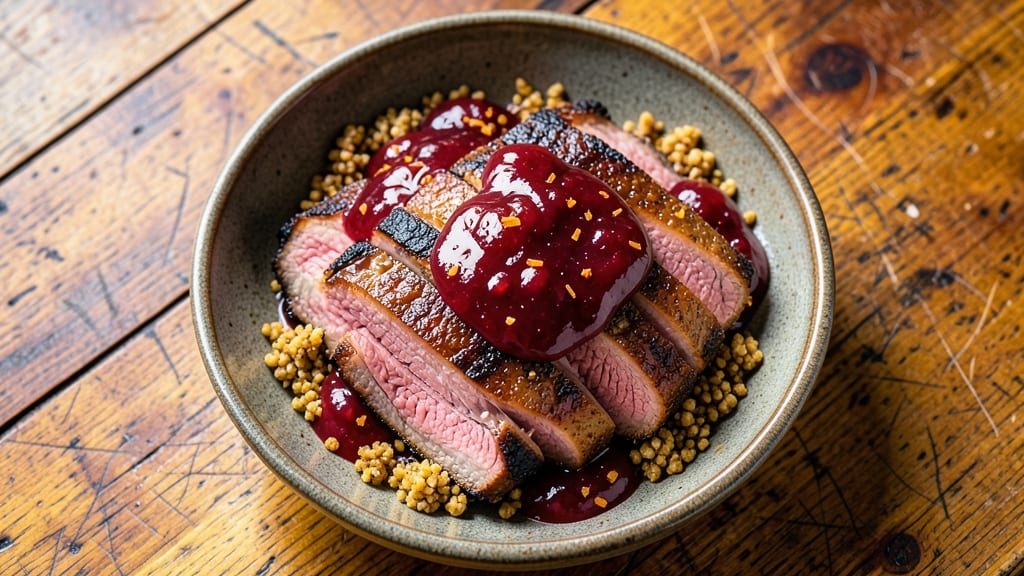
This brisket recipe with cranberry sauce and Lipton Onion Soup Mix transforms a classic slow-cooked centerpiece into something unexpectedly vibrant. The combination of smoky brisket, tart cranberry sauce, and the savory depth of onion soup mix creates layers of flavor that balance perfectly.
I developed this method after realizing how easily pantry staples could elevate a traditional brisket without complicating the process.
The beauty of this recipe lies in its simplicity—no specialty ingredients required. The Lipton Onion Soup Mix serves as a flavorful base for a dry rub, while the cranberry sauce adds a sweet-tangy contrast that cuts through the richness of the meat.
This approach delivers restaurant-quality results with minimal effort, making it ideal for both weekend projects and weeknight dinners. The brisket emerges tender and deeply flavorful, with a crust that's both smoky and slightly caramelized.
What makes this recipe stand out is how the cranberry sauce transforms from a holiday side into a star ingredient. I apply it during the final hour of cooking, allowing the sugars to caramelize while the tartness penetrates the meat.
The onion soup mix adds a subtle umami backbone that complements the smokiness without overpowering it. By the time you serve it, each bite delivers a perfect harmony of textures and flavors that will have everyone asking for seconds.
Pair this brisket with classic sides like roasted potatoes or a crisp coleslaw to complete the meal. The sweet-tangy profile of the brisket pairs beautifully with the creamy, slightly tangy coleslaw, while the hearty potatoes soak up every bit of the smoky juices.
This recipe proves that even pantry staples can create a showstopping main course with just a little creativity and patience.
Ingredients for brisket recipe with cranberry sauce and lipton onion soup mix
Six pantry staples and a brisket transform into a showstopping sweet-tangy masterpiece.
| Ingredient | Amount | Notes |
|---|---|---|
| Beef Brisket 🥩 | 4 lb | Packer cut, good fat cap |
| Lipton Onion Soup Mix 🧅 | 2 tbsp | Dry rub base, low-sodium preferred |
| Brown Sugar 🍯 | ½ cup | Light or dark, packed |
| Smoked Paprika 🌶️ | 1 tbsp | For deep smoky flavor |
| Ground Black Pepper 🌶️ | 1 tbsp | Freshly cracked preferred |
| Kosher Salt 🧂 | 1 ½ tbsp | Diamond Crystal preferred |
| Cranberry Sauce 🍇 | 1 ½ cups | Homemade or store-bought |
| Apple Cider Vinegar 🍎 | 2 tbsp | For tenderizing the meat |
| Yellow Onion 🧅 | 1 whole | Large, sliced for rub |
| Garlic Cloves 🧄 | 6 cloves | Minced for rub |
| Beef Broth 💧 | 1 cup | Low-sodium preferred |
| Yellow Mustard 🍯 | 2 tbsp | For basting |
| Wood Chips 🌳 | 1 package | Hickory or oak preferred |
The brisket cut is everything here—look for a 4-pound packer cut with a good fat cap (about 1/4 inch thick). Costco or local butcher shops often carry this cut pre-trimmed, but if you're buying whole, ask for the point cut removed. The fat renders down during cooking, keeping the meat moist. For the Lipton Onion Soup Mix, grab the low-sodium version if you're watching salt intake—it's the backbone of the dry rub. The cranberry sauce can be homemade or store-bought, but avoid the jellied kind; look for the chunky, slightly sweetened varieties at Trader Joe's or Whole Foods if you want to splurge.
No smoked paprika? Substitute 1 tbsp regular paprika plus 1/2 tsp liquid smoke for a similar effect. Short on brown sugar? Honey or maple syrup at half the amount works in a pinch, though it won't caramelize the same way. The apple cider vinegar is non-negotiable—it tenderizes the meat and balances the sweetness. If you're using a pre-made cranberry sauce with added sugar, reduce the brown sugar in the rub by 1 tbsp. For the wood chips, hickory or oak are classic choices, but fruitwoods like cherry add a subtle sweetness that pairs beautifully with the cranberry. If you can't find wood chips, soaked wood chunks work just as well.
Brisket reheats beautifully—wrap tightly in foil and bake at 300°F for 1-2 hours until warmed through. The cranberry sauce can be stored in the fridge for up to 3 months (though homemade lasts only about 2 weeks). For leftovers, slice against the grain and store in an airtight container. This brisket freezes exceptionally well—portion into individual servings before freezing for up to 6 months. The dry rub mix can be made ahead and stored in an airtight container for up to 3 months, though it's best used within 2 weeks for maximum flavor.
Why You'll Love This Recipe
- Pantry Magic: I swear by this trick—just grab the onion soup mix and brown sugar from your shelf, and boom, you’ve got a flavor bomb. No fancy spice blends, no hunting for specialty ingredients; this recipe works with what you already own.
- Sweet-Savory Wham: That cranberry sauce glaze? It’s the secret weapon. The tangy-sweet cut-through cuts the richness of the brisket, while the onion soup mix adds this deep, umami punch—like a slow-cooked hug for your taste buds.
- Leftovers for Days: Between us, this brisket tastes better the next day. I make a double batch on Sundays, slice it thin for sandwiches, and still have enough for tacos by Wednesday. (Yes, even on a Tuesday night.)
- Budget Feast: A single brisket feeds my whole family plus leftovers for my broke college student nephew. Smoked paprika and black pepper stretch the flavor, and the onion soup mix makes it taste like you spent hours—when really, you just stirred and waited.
Step-by-step instructions for sweet-tangy smoky brisket
Here's the method to transform simple pantry staples into a showstopping brisket.
Prepare the Dry Rub and Season the Brisket
In a medium bowl, combine the 2 tbsp Lipton Onion Soup Mix, 0.5 cup Brown Sugar, 1 tbsp Smoked Paprika, 1 tbsp Ground Black Pepper, and 1.5 tbsp Kosher Salt. Mix thoroughly until the sugar is evenly distributed and the spices coat the dry mix completely. This blend creates the perfect balance of sweet, smoky, and savory flavors that will penetrate the meat.
Next, trim any excess fat from the 4 lb Beef Brisket, leaving about ¼-inch fat cap for flavor and moisture. Pat the brisket dry with paper towels—this step is crucial for achieving crispy bark later. Generously coat all sides of the brisket with the dry rub mixture, pressing it into the meat so it adheres well. Place the brisket in a shallow dish and let it sit at room temperature for 1 hour before cooking. This resting period allows the rub to penetrate the meat and ensures even seasoning throughout.
Smoke the Brisket Low and Slow
Preheat your smoker to 225°F using the 1 package Wood Chips (hickory or oak preferred). Place a water pan in the smoker to maintain moisture and prevent the brisket from drying out. Once the smoker reaches the target temperature and you see clean, blue smoke, place the brisket fat-side up on the smoker grates. This positioning allows the rendered fat to baste the meat as it cooks.
Close the smoker lid and resist the urge to open it during the cook—each time you peek, you lose heat and extend cooking time. Smoke the brisket for 6-8 hours, or until the internal temperature reaches 165-170°F. You'll notice the meat hitting "the stall" around this temperature, where the internal temperature plateaus. This is normal and indicates the moisture is evaporating. Don't panic; the brisket will continue cooking through the stall.
Wrap and Finish Cooking
Once the brisket reaches 165-170°F, remove it from the smoker and wrap it tightly in aluminum foil. This technique, known as the "Texas crutch," helps the brisket overcome the stall while preserving the bark. Return the wrapped brisket to the smoker and continue cooking until the internal temperature reaches 200-205°F, which typically takes an additional 4-6 hours. The brisket is done when a probe slides in like butter with no resistance, indicating it's fork-tender.
During the final hour of cooking, prepare the cranberry glaze by combining the 1.5 cups Cranberry Sauce, 2 tbsp Apple Cider Vinegar, and 2 tbsp Yellow Mustard in a saucepan. Simmer over medium heat for 10-15 minutes until the mixture thickens slightly and becomes glossy. This glaze will add a sweet-tangy contrast to the smoky brisket.
Rest and Glaze the Brisket
Remove the brisket from the smoker and let it rest, still wrapped in foil, for 1-2 hours. This resting period allows the juices to redistribute throughout the meat, ensuring each slice is moist and flavorful. While the brisket rests, preheat your oven to 350°F. Transfer the cranberry glaze to an oven-safe dish and brush the brisket with the glaze, coating all sides evenly.
Place the glazed brisket on a baking sheet and transfer it to the preheated oven. Bake for 15-20 minutes to caramelize the glaze and create a glossy finish. Remove the brisket from the oven and let it rest for an additional 10 minutes before slicing. This final rest ensures the juices stay locked in the meat, delivering a tender and flavorful result.
Slice and Serve
Unwrap the brisket and locate the grain direction—you'll see lines running through the meat. Using a sharp carving knife, slice the brisket against the grain into ¼-inch thick slices. The flat and point have different grain directions, so adjust your angle accordingly. Serve the brisket immediately, allowing guests to enjoy the perfect balance of smoky, sweet, and tangy flavors.
For an extra touch, drizzle any remaining cranberry glaze over the sliced brisket and garnish with thinly sliced yellow onion and minced garlic cloves for added aroma. This brisket pairs beautifully with roasted vegetables, mashed potatoes, or crusty bread to soak up the delicious juices.
Pro Tips For Making Brisket Recipe With Cranberry Sauce And Lipton Onion Soup Mix
- Brown the Brisket First: Skip the rush—sear that brisket in a hot pan for 3-4 minutes per side before adding liquids. The crust locks in flavor and keeps the meat from turning into mushy soup when you add the onion soup mix and cranberry sauce later. (Yes, even if you're impatient like me.)
- Mix the Dry Spices Early: Combine the Lipton onion soup mix, smoked paprika, and brown sugar in a bowl before adding it to the pan. This ensures even distribution—no clumpy bits hiding in your sauce. I learned this the hard way after digging out a paprika lump from my first batch.
- Don’t Crowd the Pan: If your brisket is thick, cook it in batches—even if it means two rounds of browning. A crowded pan steams the meat instead of searing it, and you’ll end up with a watery, flavorless mess when you add the cranberry sauce. Trust me, the extra 5 minutes saves the whole dish.
- Deglaze with Cranberry Juice: After browning, splash in ¼ cup of cranberry juice (from the sauce jar) to scrape up those fond bits before adding the full mix. It cuts down on cleanup and adds depth to the sauce—no extra effort, just better flavor. (Your future self will notice the difference.)
Pro cooking tips for this recipe
Temperature Control Secrets
Maintaining a consistent 225°F temperature in your smoker is non-negotiable for perfect brisket. I use a Traeger Pellet Grill with a built-in thermometer, but if you're using a traditional smoker, invest in a Meater or ThermoWorks Smoke probe thermometer.
These tools track both smoker temp and internal meat temp simultaneously, preventing the dreaded stall from ruining your cook. 🌡️
When your brisket hits 165°F, that's your cue to wrap it in heavy-duty aluminum foil (like Reynolds Slow Cooker Liners). This "Texas crutch" technique traps steam and helps push through the stall.
I like to add a splash of 1/4 cup beef broth inside the foil before sealing—this keeps the meat moist while it finishes cooking to 203°F.
Cranberry Glaze Timing
The cranberry glaze should be applied during the final 1 hour of cooking, not before. Simmer the 1.5 cups cranberry sauce, 2 tbsp apple cider vinegar, and 2 tbsp yellow mustard together until it thickens slightly—this takes about 10-15 minutes on medium heat.
The vinegar cuts through the sweetness while the mustard adds tangy depth that complements the smokiness.
For extra shine, brush the glaze on after the brisket rests but before the final oven broil. The 350°F oven caramelizes the sugars beautifully in just 15-20 minutes. Pro tip: Use a pastry brush for even coverage—it's more precise than a spoon. 🍇
Resting Like a Pro
Never skip the 1-2 hour rest after removing the brisket from the smoker. This is when the magic happens—juices redistribute throughout the meat, ensuring each slice stays moist. I wrap the brisket in towels before placing it in a cooler to maintain temperature while it rests.
The cooler also helps prevent temperature fluctuations that can cause the meat to sweat.
For slicing, wait until the brisket has rested for at least 10 minutes after glazing. Use a Dexter-Russell 12-inch carving knife and slice against the grain in 1/4-inch thick pieces. The flat cut has a different grain direction than the point, so adjust your angle accordingly for maximum tenderness. 🔪
Smoker Maintenance
Clean your smoker grates before each use—this prevents flavor transfer between cooks. I use a grill brush with stainless steel bristles (like Weber's) to scrub away residue after each session. A clean smoker ensures consistent heat distribution and prevents unwanted flavors from lingering on your brisket.
For wood chips, soak them in water for 30 minutes before using to prevent flare-ups. I use hickory chips for this recipe, but oak works too. Avoid mesquite—it's too strong and can overpower the delicate sweet-tangy balance we're creating. 🌳
Nutrition facts
Frequently asked questions
Can I use a different type of brisket cut for this recipe?
This recipe is designed for a 4-pound packer cut (flat + point) with a good fat cap. If you must substitute, use the flat cut alone—it's more uniform and easier to slice. Avoid the point cut by itself, as it's leaner and can dry out. For smaller gatherings, a 2-3 pound flat cut works well, just reduce cooking time proportionally.
What if I don't have a smoker? Can I make this in the oven?
Use a 300°F oven instead of a smoker. Place the brisket on a rack over a roasting pan with 1 cup beef broth in the bottom. Cover tightly with foil and cook for 4-5 hours until it reaches 203°F. For smokiness, add 1 tbsp smoked paprika to the rub and sprinkle wood chips soaked in water on hot coals (if using a charcoal grill).
How do I know when the brisket is done?
The brisket is ready when it reaches an internal temperature of 203°F in the thickest part. Use a meat thermometer to check—don't rely on time alone. The probe should slide in like butter with no resistance. If the bark looks too dark, it's safe to eat but may be slightly bitter. For extra tenderness, let it rest for 2 hours before slicing.
Can I make the cranberry glaze ahead of time?
Yes! Prepare the glaze up to 3 days ahead and store it in an airtight container in the fridge. Reheat it gently in a saucepan over low heat until warmed through before brushing on the brisket. For best results, add 1 tsp apple cider vinegar when reheating to restore tanginess. Avoid microwaving—it can make the sauce watery.
What are the best sides to serve with this brisket?
This sweet-tangy brisket pairs beautifully with classic sides that balance its richness. Try creamy coleslaw (the tang cuts through the sweetness), garlic mashed potatoes (soaks up the juices), or roasted Brussels sprouts with bacon (adds a smoky crunch). For a heartier meal, serve with cornbread or buttery dinner rolls to mop up every last bit.