
Sauces & Condiments
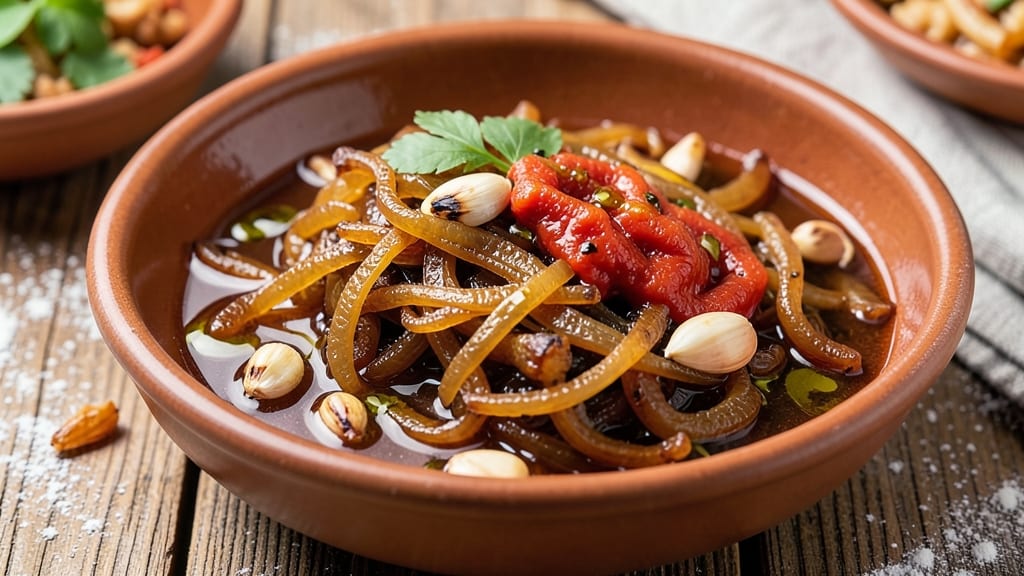
Anticucho sauce recipe transforms your grilled skewers into a restaurant-worthy experience with its smoky, tangy depth and crispy onion topping. This sauce balances the bold flavors of ají amarillo—Peru’s signature chili—with umami from soy and vinegar, creating a perfect harmony that clings to every bite. The secret lies in reducing it just enough to concentrate the flavors while keeping it silky smooth, never cloying.
What sets this sauce apart is the crispy fried onion topping, which adds a satisfying crunch that contrasts beautifully with the tender anticuchos.
The ingredients are simple—soy sauce, vinegar, garlic, and spices—but the technique ensures depth: simmering until the liquid reduces by half and the spices meld into a cohesive, aromatic base. It’s the kind of sauce that elevates a simple dish into something unforgettable.
The result is a sauce that’s rich yet balanced, with a slow-building heat from the ají amarillo that lingers without overwhelming. The crispy onions add a textural element that makes every dip or drizzle feel like a special occasion.
Perfect for finishing grilled meats, it’s also versatile enough to enhance roasted vegetables or even fried plantains.
This recipe delivers crispy texture and bold flavor in under 20 minutes—no shortcuts, just precision. The key is patience during the reduction, ensuring the sauce develops its signature complexity. Once mastered, it becomes your go-to for adding that authentic Peruvian touch to any dish.
Ingredients for anticucho sauce
Simple yet transformative ingredients create this smoky, tangy sauce with restaurant-quality depth.
| Ingredient | Amount | Notes |
|---|---|---|
| Ají Amarillo Paste 🌶️ | 2 tbsp | Peruvian chili, not powder |
| Yellow Onions 🧅 | 1 whole | Thinly sliced for frying |
| Soy Sauce 🍶 | ½ cup | Light or dark variety |
| White Vinegar 💧 | ¼ cup | Distilled preferred |
| Garlic Cloves 🧄 | 4 cloves | Minced for aromatic base |
| Extra-Virgin Olive Oil 🫒 | ½ cup | For frying onions |
| Ground Cumin 🌿 | ½ tsp | Toasted for depth |
| Ground Coriander 🌿 | ½ tsp | Freshly ground preferred |
| Salt 🧂 | ½ tsp | Diamond Crystal preferred |
| Black Pepper 🌶️ | ¼ tsp | Freshly cracked |
Ají amarillo paste is the heart of this sauce—Peruvian specialty stores carry it, but Amazon or Latin markets are reliable alternatives. The paste should be vibrant orange, not dull or clumpy. For the onions, yellow or red varieties work best—their natural sweetness caramelizes beautifully. If you can't find ají amarillo, yellow bell pepper paste (like roasted pimentón) can substitute in a pinch, though the heat profile will differ. The soy sauce should be light and clean, not thick and salty—Kikkoman is a safe bet, but Peruvian soy sauces add authentic depth.
No ají amarillo? Yellow bell pepper paste at double the amount mimics the color, though the heat will be milder. The onions must be sliced uniformly for even frying—mandoline slicer recommended for precision. For the reduction, low and slow is critical; rushing creates a thin, watery sauce. The vinegar should be white and distilled—apple cider vinegar adds subtle sweetness but alters the balance. If your cumin lacks warmth, toast it in a dry pan for 30 seconds before grinding. The black pepper should be freshly cracked—pre-ground loses potency quickly. For extra smokiness, add a pinch of smoked paprika to the finished sauce.
The fried onions stay crispy for 2-3 days if stored in an airtight container over paper towels to absorb moisture. The sauce itself keeps for 5 days in the fridge, though the flavors deepen after 24 hours. For longer storage, freeze in ice cube trays—thaw and reheat gently. To revive texture, sprinkle a few drops of water and warm over low heat. This sauce pairs beautifully with grilled meats, roasted vegetables, or even as a dip for fried plantains—its versatility makes it a pantry essential.
Why You'll Love This Recipe
- Five-Ingredient Magic: I swear by this list—no crowded pantry needed. Just chop onions, mince garlic, and stir. The ají amarillo paste does all the heavy lifting while I sip my coffee.
- Umami Bomb: That soy-vinegar combo? It’s the secret weapon. The garlic caramelizes just enough to make every bite taste like a restaurant dish, not a weeknight shortcut.
- Party in a Jar: Make a double batch—this sauce keeps for days and turns any protein into a star. I’ve drizzled it on grilled chicken, rice bowls, even scrambled eggs when I’m lazy.
- Budget Superstar: A jar of ají amarillo paste lasts forever, and the rest? Pantry staples. For under $5, I’ve got enough sauce to feed my whole family twice over—no guilt, just flavor.
Step-by-step instructions for anticucho sauce
This smoky ají amarillo sauce delivers vibrant heat and crispy onion topping—essential for authentic Peruvian flavors.
Fry the Onions Until Golden and Crisp
Heat the 0.5 cup extra-virgin olive oil in a medium skillet over medium heat. Add the 1 whole yellow onions, sliced into thin rings, and fry for 8-10 minutes until they turn a deep golden brown and become crispy around the edges. Stir occasionally to ensure even cooking—this prevents burning while developing that perfect crunch.
Remove the onions with a slotted spoon and drain them on paper towels. Set aside on a wire rack to keep them crisp. The onions should be dry and shatter when pressed between your fingers. If they stick together, fry them for another 2 minutes—this crispy texture is the foundation of the sauce's contrast with the silky base.
Build the Aromatic Base
In the same skillet, reduce heat to medium-low and add the 4 cloves minced garlic cloves. Sauté for 30 seconds until fragrant but not browned—garlic burns quickly, and you want to preserve its sweetness. Add the 0.5 tsp ground cumin and 0.5 tsp ground coriander, stirring for 10 seconds to toast the spices and release their earthy notes.
Immediately add the 2 tbsp ají amarillo paste and stir vigorously for 1 minute until it dissolves completely. The paste will darken as it cooks, deepening the sauce's rich, smoky color. This step is critical—uneven distribution will create pockets of raw, bitter chili.
Simmer the Sauce to Balance Flavors
Pour in the 0.5 cup soy sauce and 0.25 cup white vinegar, scraping up any browned bits from the skillet. Increase heat to medium-high and bring to a boil, then reduce to a gentle simmer for 5 minutes. The sauce should thicken slightly and develop a glossy sheen—this indicates the acidity and umami are melding properly.
Season with 0.5 tsp salt and 0.25 tsp black pepper, adjusting to taste. The sauce should balance sweet, smoky, tangy, and spicy notes. If it's too thick, add 1 tablespoon water to loosen it. Taste again—authentic anticucho sauce should be vibrant, not overpowering.
Finish with Crispy Onions
Return the crispy onions to the skillet and toss gently to coat in the sauce. Heat for 1 minute to warm through while preserving their crunch. The contrast between the silky sauce and crispy onions is what makes this sauce unforgettable—don't overmix or they'll soften.
Serve immediately over grilled anticuchos or beef skewers. The sauce should cling to the meat, offering layers of smoky heat and sweet crunch with every bite. For extra depth, garnish with fresh cilantro or a squeeze of lime.
Pro Tips For Making Anticucho Sauce
- Cook the Onions Low and Slow: I learned this the hard way—drowning onions in oil on high heat turns them bitter and watery. For anticucho sauce, caramelize those yellow onions over medium-low for 10-12 minutes until they’re deep golden, almost jammy. That sweetness balances the vinegar and paste, making the whole sauce sing.
- Bloom the Garlic First: Tossing raw garlic into the pan when the onions are already caramelized means you’ll either burn it or end up with raw garlic flavor. Instead, add the minced garlic cloves to the oil before the onions, let them sizzle for 30 seconds until fragrant, then proceed. This guarantees that rich, nutty garlic flavor instead of a harsh bite.
- Start with Less Vinegar: I used to dump in the full amount of white vinegar right away, then panic when the sauce turned too sharp. For anticucho sauce, add just half the vinegar first, taste, then adjust—you can always add more, but you can’t take it out. The sauce should be tangy but not pucker-inducing.
- Use Fresh Paste, Not Powder: Store-bought ají amarillo powder is convenient, but it lacks the depth of fresh paste. If you’re using powder, mix it with a splash of water or oil to rehydrate it first—this mimics the texture and intensity of the real deal. The sauce will taste richer and less dusty.
Health benefits of these flavors
Digestive Aid
This sauce contains ají amarillo, a chili pepper packed with capsaicin, which stimulates digestion and can help soothe stomach discomfort. The vinegar in the recipe also aids digestion by stimulating stomach acid production, making it particularly beneficial after rich, heavy meals like grilled anticuchos.
I’ve found that a spoonful of this sauce after a meal helps me feel lighter and more energized. 🌶️
Antioxidant Boost
The ají amarillo paste is rich in vitamin C and antioxidants, which combat oxidative stress and support immune function. The yellow onions add quercetin, a flavonoid with anti-inflammatory properties that may help reduce chronic inflammation.
Together, these ingredients create a sauce that’s not just flavorful but also packed with health-boosting compounds. The cumin and coriander further enhance this antioxidant profile.
Heart-Healthy Umami
The soy sauce in this recipe provides a dose of umami, which can help lower blood pressure and improve heart health. Soy sauce also contains isoflavones, plant compounds linked to reduced cholesterol levels.
The olive oil used for frying the onions adds monounsaturated fats, which are heart-healthy and support cardiovascular function. This sauce is a delicious way to incorporate these benefits into your diet without sacrificing flavor.
Blood Sugar Balance
The vinegar in the sauce plays a surprising role in blood sugar regulation. Studies show that vinegar can improve insulin sensitivity, helping to stabilize blood sugar levels after meals. The ají amarillo also contains polysaccharides that may contribute to this effect.
While this sauce isn’t a cure-all, it’s a flavorful addition to meals that can support metabolic health when paired with balanced dishes.
Crispy Onion Benefits
The fried onions in this sauce add more than just texture—they’re a source of fiber and prebiotics, which support gut health by feeding beneficial gut bacteria. While frying isn’t the healthiest cooking method, the small amount used here adds a satisfying crunch without overpowering the sauce’s nutritional benefits.
Plus, the onions’ natural sweetness provides a touch of fructose, a simple sugar that’s easier on blood sugar than refined options. ✨
Nutrition facts
Frequently asked questions
What makes this sauce different from regular Peruvian sauces?
This sauce stands out because of its crispy fried onion topping and the perfect balance of ají amarillo heat with umami from soy and vinegar. Most traditional sauces use raw onions or lack the textural contrast—this version delivers that satisfying crunch with every bite while keeping the sauce silky smooth. The reduction technique ensures deep flavor without being cloying.
Can I make this sauce without ají amarillo?
Yes! Use yellow bell pepper paste (double the amount) for color, or mild chili powder (1 tsp) for heat. For authenticity, try Peruvian yellow chili powder if available. The sauce will be milder but still delicious—just adjust salt to taste. The key is balancing the flavors during the 5-minute reduction to compensate for the missing depth.
How do I store the sauce and crispy onions?
The sauce keeps for 5 days in the fridge, while the crispy onions stay fresh for 2-3 days if stored separately in an airtight container over paper towels. For longer storage, freeze the sauce in ice cube trays—thaw and reheat gently. To revive texture, sprinkle a few drops of water and warm over low heat for 1 minute. The onions lose crispness when refrigerated, so make them fresh when ready to serve.
What's the best way to serve this sauce?
Drizzle it over grilled anticuchos or beef skewers, but it also works as a dip for fried plantains or a topping for roasted vegetables. For extra flair, garnish with fresh cilantro or a squeeze of lime. The sauce's versatility makes it perfect for tacos, bowls, or even as a marinade base—just thin it with a splash of water if needed.
Why does my sauce taste bitter?
Bitter flavor usually means the ají amarillo wasn't fully dissolved or the sauce reduced too long. Stir the paste vigorously for 1 full minute to prevent clumps, and reduce for exactly 5 minutes—no longer. If it's still bitter, balance it with 1 tsp sugar or a splash of vinegar. Taste as you go: the sauce should be vibrant, not overpowering.