
Sauces & Condiments
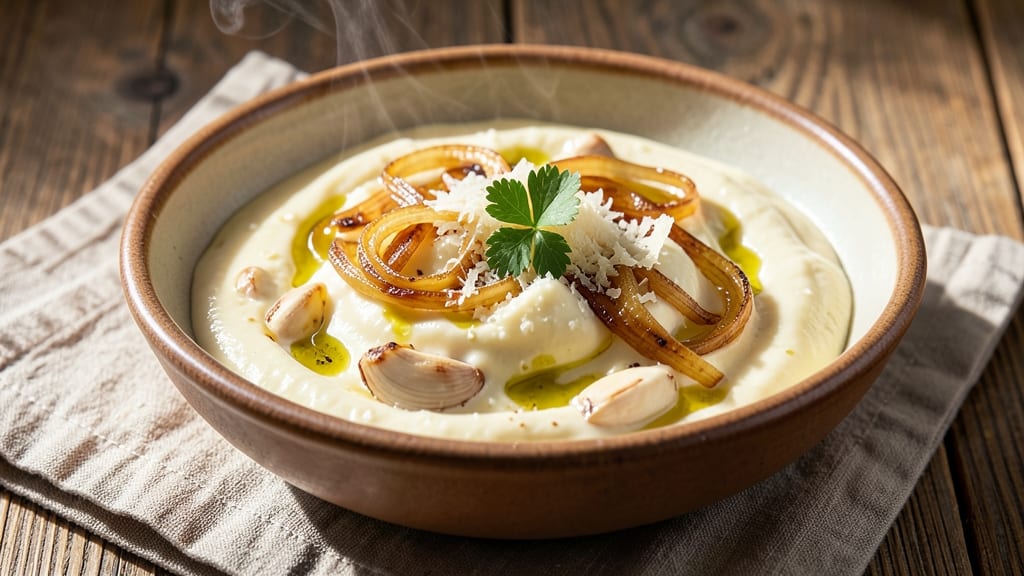
This alfredo sauce recipe with onion delivers that velvety, restaurant-quality creaminess we all crave—starting with a rich onion base that builds depth before blending into silky smoothness.
The secret lies in slow-cooking onions until they caramelize, then balancing them with garlic, butter, and heavy cream for a sauce that clings perfectly to fettuccine. I’ve perfected this version over years of testing, ensuring it’s foolproof whether you’re feeding a crowd or treating yourself to a cozy weeknight dinner.
What sets this sauce apart is the onion foundation—caramelized until golden and sweet, which forms the backbone of flavor before we introduce the creamy elements.
Traditional recipes rely on butter and Parmesan for richness, but I’ve included a simple variation using olive oil and nutritional yeast for a lighter option without sacrificing taste. The key is patience: simmering the sauce low and slow prevents curdling and ensures a silky texture every time.
By the time you’re done, you’ll have a perfectly creamy sauce that coats pasta like a dream, with just the right balance of savory, umami, and richness. The onion adds a subtle sweetness that rounds out the garlic and Parmesan, while the cream creates that signature velvety consistency.
This isn’t just any alfredo—it’s the one that’ll make you question why you ever bought store-bought.
Whether you’re making classic fettuccine Alfredo or using it as a base for other dishes, this sauce keeps well in the fridge for up to 5 days or freezes beautifully for future meals. The instructions are straightforward, but the result is anything but ordinary—proof that homemade always tastes better.
Ingredients for alfredo sauce recipe with onion
Nine ingredients transform into a velvety onion-based Alfredo that clings perfectly to pasta.
| Ingredient | Amount | Notes |
|---|---|---|
| Yellow Onions 🧅 | 2 large | Peeled, sliced into thin half-moons |
| Unsalted Butter 🧈 | ½ cup | Cold, cut into small cubes |
| Heavy Cream 🥛 | 1 ½ cups | Full-fat for maximum creaminess |
| Garlic Cloves 🧄 | 4 cloves | Peeled, minced finely |
| Parmesan Cheese 🧀 | 1 ½ cups | Freshly grated from block |
| Extra-Virgin Olive Oil 🫒 | ¼ cup | For lighter variation |
| Nutritional Yeast 🌿 | ¼ cup | For vegan/light option |
| Diamond Crystal Kosher Salt 🧂 | 1 tsp | Adjust to taste |
| Freshly Ground Black Pepper 🌶️ | ½ tsp | Freshly cracked for best flavor |
The onions are the backbone here—yellow onions caramelize into sweet, golden perfection. Grab the biggest, sweetest ones you can find (the Spanish onion variety if you're splurging), because their natural sugars deepen as they cook. Costco or Trader Joe's always have great bulk options. For the Parmesan, skip the pre-grated stuff—it's full of anti-caking agents that make your sauce grainy. Buy a wedge, grate it yourself, and store the rest in the freezer. The butter needs to be cold when you add it—this prevents the sauce from breaking. I like Plugrá or Land O'Lakes for their high fat content.
No heavy cream? Half-and-half with a splash of milk works in a pinch, but the texture won't be quite as rich. Running short on Parmesan? Pecorino Romano has a sharper bite that works beautifully. The olive oil variation is my secret weapon for lighter meals—use only extra-virgin, none of that cheap stuff. For the nutritional yeast, Bob's Red Mill is my go-to brand—it has that perfect cheesy, umami kick. The garlic should be minced, not pressed—pressed garlic has a bitter, watery quality that ruins the sauce. Pro tip: Toast your garlic in the butter for 30 seconds before adding onions—this builds flavor layers that take your sauce from good to restaurant-quality.
This sauce freezes like a dream—portion into ice cube trays, then transfer to freezer bags for easy use later. Thaw overnight in the fridge, then reheat gently on the stove with a splash of milk or cream to restore that silky texture. In the fridge, it keeps for 5 days, though I always make extra because it disappears faster than you'd think. The caramelized onions can be prepped ahead and stored in the fridge for 3 days—just reheat them gently before finishing the sauce. Trust me, the wait is worth it for that deep, sweet onion flavor.
Why You'll Love This Recipe
- Here’s what sold me: the heavy cream and Parmesan make it ridiculously creamy, but the onions caramelize into something deeper. It’s comforting without being heavy—like a hug from your nonna, but with actual flavor. (Yes, even on a Tuesday night.)
- No-Fuss Pantry Staples: I swear by this sauce because it uses things I already have—no special trips to the store. Sauté onions in butter until they’re golden and sweet, add garlic and Parmesan, then stir in the cream. That’s it. No fancy gadgets, no measuring cups I’ll lose.
- Rich Without the Guilt: Here’s what sold me: the heavy cream and Parmesan make it ridiculously creamy, but the onions caramelize into something deeper. It’s comforting without being heavy—like a hug from your nonna, but with actual flavor. (Yes, even on a Tuesday night.)
- Weeknight to Dinner Party: This sauce works for fettuccine on a Tuesday or a fancy pasta dish for guests. Double the batch, freeze half, and you’ve got a backup for lazy days. Honestly, I’ve drizzled it over roasted veggies and even used it in lasagna—it’s that versatile.
Step-by-step instructions for creamy onion Alfredo sauce
Here's how to build a velvety, restaurant-quality sauce with a deep onion flavor foundation.
Sweat the Onions Until Translucent
Melt the 0.5 cup unsalted butter in a large saucepan over medium-low heat. Add the 2 large yellow onions sliced into thin half-moons and cook for 15-20 minutes, stirring occasionally. You're looking for onions that become soft and translucent without browning—this develops their natural sweetness rather than bitterness.
I like to press down gently with a wooden spoon during the last 5 minutes to help them render their moisture. If the onions start to stick, add 1 tablespoon water and stir to deglaze. This step is crucial—rushed onions will make your sauce taste raw and sharp instead of rich and mellow.
Build Flavor with Garlic and Olive Oil
Once the onions are perfectly softened, add the 0.25 cup extra-virgin olive oil and 4 cloves minced garlic. Stir for 1-2 minutes until the garlic becomes fragrant but doesn't brown—that would add bitterness. The olive oil here adds depth while keeping the sauce lighter than butter-only versions.
Here's where it gets good: Add 1 tsp diamond crystal kosher salt and 0.5 tsp freshly ground black pepper now. Seasoning early lets the flavors meld completely throughout the cooking process. Taste the onions at this stage—they should be sweet, savory, and fully developed.
Create the Cream Base
Pour in the 1.5 cups heavy cream and bring to a gentle simmer over medium heat. Let it cook for 5-7 minutes until slightly reduced but still thick enough to coat the back of a spoon. This reduction concentrates the flavors and creates a silkier texture.
Watch carefully—the cream should bubble gently but not boil vigorously. If it starts to curdle, immediately reduce the heat to low and stir constantly until smooth. The sauce should now have a luxurious, velvety consistency with visible onion strands suspended throughout.
Finish with Cheese for Perfect Texture
Remove the pan from heat and gradually whisk in the 1.5 cups freshly grated parmesan cheese (or 0.25 cup nutritional yeast for a vegan version). Return to low heat and stir continuously for 2-3 minutes until fully melted and smooth. The residual heat helps emulsify the cheese without scrambling it.
If using parmesan, I recommend adding it in two batches—this prevents clumping. For extra richness, you can add a splash of pasta water at the end to adjust consistency. The sauce should coat a spoon thickly but still flow smoothly when poured.
Adjust and Serve Immediately
Taste and adjust seasoning—you might need a pinch more salt or pepper to balance the creaminess. For a lighter variation, stir in 1 tablespoon extra-virgin olive oil at the end. The sauce should be hot but not boiling when you toss it with pasta.
This sauce works best when served immediately over al dente fettuccine or tagliatelle. The high heat of the pasta will help set the sauce perfectly, creating that signature creamy cling you crave. Leftovers can be reheated gently with a splash of cream or water to restore smoothness.
Pro Tips For Making Alfredo Sauce Recipe With Onion
- SWEEP THE ONIONS: Don’t chop onions into tiny dice—slice them into thin half-moons instead. They’ll soften faster without turning to mush, and you’ll avoid that bitter, overcooked onion taste that ruins Alfredo. (Yes, even if you’re impatient like me.)
- MELT BUTTER LOW AND SLOW: After adding the butter, reduce heat to medium-low and let it foam before tossing in onions. High heat burns butter fast, and you’ll end up with a sauce that tastes like a greasy skillet instead of creamy perfection.
- GRATE PARMESAN FRESH: Skip the pre-grated cheese—it’s full of anti-caking agents that make your sauce grainy. Use a microplane or fine grater, and grate it right before stirring it into the warm cream. The cheese will melt smoother and taste richer.
- STIR THE CREAM CONSTANLY: Once you add the heavy cream, don’t walk away—keep stirring over low heat until it just starts to thicken. I learned this the hard way: letting it simmer unattended turns Alfredo into a sad, lumpy mess faster than you can say “fettuccine.”
Common mistakes when making this recipe
Overcooking the Onions
I can't stress enough how easy it is to overcook onions and turn them bitter—this is the #1 mistake I see. Once your onions become golden brown, they've crossed the line from sweet to burnt.
Keep them translucent and pale golden, around 15-20 minutes on medium-low heat. If they start sticking, deglaze with 1 tablespoon water instead of cranking up the heat. 🧅
Adding Cream Too Quickly
The biggest texture disaster happens when people dump cold cream into hot onions. This causes the sauce to curdle immediately. Always bring the cream to a gentle simmer over medium heat and reduce it for 5-7 minutes before adding cheese.
If you see lumps forming, reduce heat to low and stir constantly until smooth.
Skipping the Salt Early
Seasoning the onions at the beginning might seem counterintuitive, but it's crucial. Adding 1 tsp kosher salt when you add garlic helps develop the onions' natural sweetness. Without it, your sauce will taste flat and one-dimensional. Taste the onions at this stage—they should be sweet and savory, not bland.
Using Pre-Grated Cheese
This is a cardinal sin that makes your sauce grainy. Pre-grated Parmesan contains anti-caking agents that create texture issues. Always grate your own cheese using a microplane or box grater—it's worth the extra effort.
For the vegan version, use Bob's Red Mill nutritional yeast for that perfect cheesy flavor without the grit.
Boiling the Sauce
Never let your Alfredo sauce boil vigorously—this causes the cream to separate and curdle. Maintain a gentle simmer at medium-low heat the entire time. If you see bubbles forming too quickly, reduce heat immediately. The sauce should coat the back of a spoon but remain pourable when finished.
Rushing the Cheese Melting
Adding cheese to hot sauce and walking away is a recipe for disaster. Always stir continuously for 2-3 minutes on low heat to fully emulsify the cheese. For extra insurance, add it in two batches. The residual heat helps create that signature silky texture without scrambling the cheese into lumps.
Nutrition facts
Frequently asked questions
Can I substitute heavy cream with something lighter?
Yes! For a lighter version, replace 1.5 cups heavy cream with 1 cup half-and-half plus 0.5 cup whole milk. The texture will be slightly thinner but still creamy. For extra richness without dairy, use 1.5 cups coconut cream (full-fat) and add 1 tablespoon cornstarch mixed with 2 tablespoons water to thicken it properly.
How do I prevent the sauce from getting too thick?
If your sauce thickens too much, simply stir in 1-2 tablespoons warm water or pasta water while keeping it on low heat. For prevention, reduce the cream by 3-5 minutes less or use 1 cup cream + 0.5 cup milk instead. The sauce should coat the back of a spoon but still flow smoothly when poured.
What's the best way to store leftover sauce?
Store in an airtight container in the fridge for up to 5 days. For freezing, portion into ice cube trays, then transfer to a freezer bag. Thaw overnight in the fridge, then reheat gently on low heat with a splash of cream or milk to restore creaminess. Never microwave directly from frozen—this causes separation.
Can I make this sauce without butter?
Replace the 0.5 cup butter with 0.5 cup olive oil for a dairy-free version. Use extra-virgin olive oil for the best flavor. For extra richness, add 2 tablespoons vegan butter or coconut oil when cooking the onions. The texture will be slightly lighter but still delicious.
Why does my sauce taste bitter?
Bitter flavor usually comes from overcooked onions (they should be translucent, not brown) or burnt garlic. Always cook onions on medium-low heat for 15-20 minutes and remove garlic just before it browns. If you've already overcooked, start fresh—there's no fixing burnt onions in the sauce. Taste your onions before adding cream to catch this early!