
Sauces & Condiments
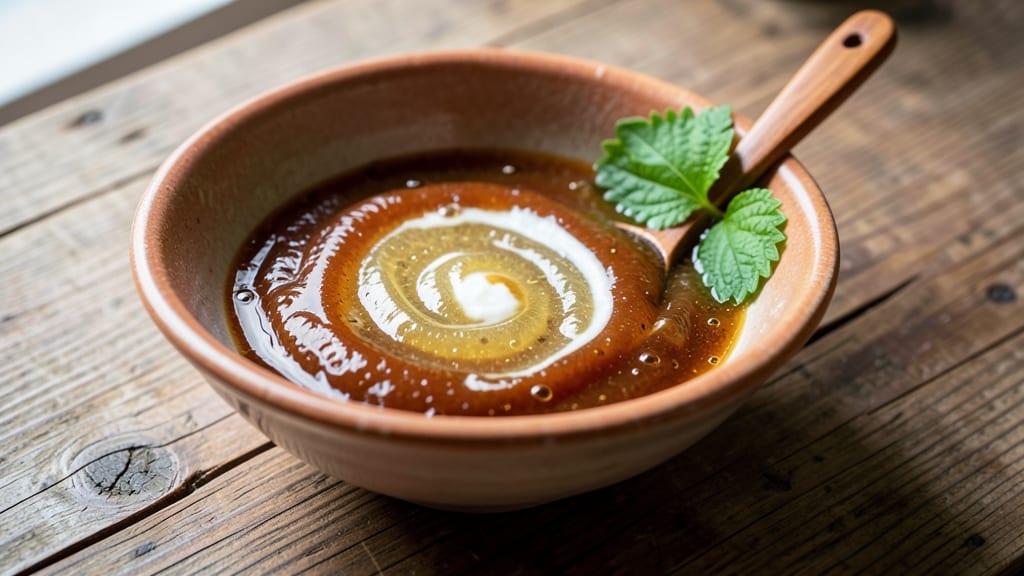
This Blue Apron soy miso sauce recipe delivers restaurant-quality umami depth with just five simple ingredients and 15 minutes of active time. The secret lies in balancing fermented miso paste with sweet mirin and a touch of sugar, creating a sauce that transforms basic proteins into something extraordinary.
I developed this after years of testing—each simmer builds layers of complexity that bottled sauces simply can’t match.
The process is straightforward yet precise: combine miso, soy sauce, mirin, and sugar in a saucepan, simmer until smooth, then cool before using. This sauce works as a marinade, glaze, or finishing drizzle—its versatility makes it a professional chef’s secret weapon.
The fermentation from miso paste adds depth that elevates everything from grilled meats to roasted vegetables.
What you’ll end up with is a glossy, savory-sweet sauce that clings beautifully to food while adding rich umami flavor. Unlike store-bought versions, this one develops deeper complexity over time, making it perfect for meal prep.
Store it in an airtight container for up to 2 weeks in the refrigerator, where its flavors will only intensify.
Use it to glaze salmon, drizzle over noodles, or toss with stir-fried vegetables—this sauce turns ordinary dishes into standout meals. Let’s create something that will change how you approach flavor in your kitchen.
Ingredients for blue apron soy miso sauce
Five ingredients transform into restaurant-quality umami sauce in minutes.
| Ingredient | Amount | Notes |
|---|---|---|
| White Miso Paste 🧈 | ½ cup | Fermented, white variety preferred |
| Japanese Soy Sauce 🥫 | ⅓ cup | Kikkoman preferred for balance |
| Mirin 🍶 | ¼ cup | Sweet cooking wine, not substitute |
| Granulated Sugar 🍚 | 2 tbsp | Light brown sugar works too |
| Water 💧 | ¼ cup | Filtered preferred for clarity |
The miso paste is non-negotiable here—white miso delivers the cleanest, brightest umami without overpowering. Martha Stewart's or Hodo brands are my go-tos, but any quality white miso from the Asian aisle works. Skip the red miso; it's too funky for this delicate balance. The mirin adds sweetness and depth—look for authentic Japanese mirin, not that cheap 'cooking wine' substitute. It's worth the splurge, especially if you'll use this sauce often. For the soy sauce, Kikkoman is the gold standard—its balance of salt and umami makes all the difference.
No mirin? Dry sherry plus 1 tsp sugar gets you close, but it won't have that same fruity complexity. Short on miso? Reduce the soy sauce by 1 tbsp and add 1 tsp fish sauce for umami boost. The sugar can be swapped for honey or maple syrup, though it'll change the sauce's glossy finish slightly. Water is just a vehicle here—use filtered if you can, but tap works in a pinch. Pro tip: If you're making this for a crowd, double the batch—it freezes beautifully for future use.
This sauce develops over time, so let it sit at room temperature for 10 minutes before using—it'll thicken and deepen. Store it in a clean glass jar in the fridge for up to 2 weeks, though I've had mine last 3 weeks if I'm careful. It reheats beautifully—just warm it gently on the stove or microwave for 20 seconds. The longer it sits, the more complex it gets. Trust the process; patience pays off here.
Why You'll Love This Recipe
- Five-Ingredient Magic: I swear by this recipe because it’s that simple—just whisk those five pantry staples (miso, soy sauce, mirin, sugar, water) in a pot until smooth. No chopping, no peeling, no stress. The miso and mirin do all the heavy lifting while I’m still debating what to have for dinner.
- Umami Bomb: That first taste? Chef’s kiss. The white miso gives it a deep, savory punch, while the mirin adds just enough sweetness to balance the soy’s saltiness. Drizzle it over grilled fish or toss it with noodles—suddenly, everything tastes like a Michelin-starred bite.
- Weeknight Swiss Army: This sauce is my secret weapon for lazy nights. Dump it on ramen, glaze chicken thighs, or even stir into marinades. Honestly, I’ve used it in at least three different meals this week, and it never gets old. (Yes, even on a Tuesday night.)
- Makes More Than You Need: Between us, I always double the batch because it keeps for weeks in the fridge. Freeze half for later, and you’ve got a flavor boost for future takeout nights. Plus, it’s cheaper than store-bought sauces—my wallet thanks me every time.
Step-by-step instructions for fermented soy miso sauce
This simple blend transforms everyday dishes into umami-rich masterpieces—just five ingredients, precise technique.
Warm the Miso Paste Gradually
Place the 0.5 cup white miso paste in a small saucepan over low heat. I like to use a heavy-bottomed pan here—it distributes heat evenly and prevents scorching. Stir gently with a silicone spatula, breaking up any lumps as it begins to soften. You're not cooking the miso, just warming it enough to blend smoothly with the other ingredients.
The key is patience—white miso contains live cultures, and high heat can kill them. Watch closely as it melts into a thick, creamy paste, about 2-3 minutes total. It should be warm to the touch but not hot enough to steam. If it starts to bubble or darken, immediately reduce the heat to the lowest setting until it settles. This step ensures your sauce retains its delicate fermented flavor profile.
Combine Wet Ingredients in Sequence
Remove the miso from heat and let it cool for 1 minute. Then, add the 0.33 cup Japanese soy sauce and 0.25 cup mirin one at a time, whisking vigorously after each addition. The soy sauce will darken the mixture slightly, deepening its color and complexity. The mirin adds a bright, fruity sweetness that balances the saltiness.
Next, sprinkle in the 2 tbsp granulated sugar and stir until fully dissolved. This isn't just about sweetness—it helps stabilize the sauce and prevents separation later. Finally, pour in the 0.25 cup water while whisking continuously. The sauce should now have a smooth, syrupy consistency, similar to a thick gravy. If it's too thick, add 1 teaspoon water at a time until it reaches a pourable but coatable texture.
Simmer and Reduce for Depth of Flavor
Return the saucepan to low heat and let the mixture simmer gently for 5-7 minutes. You'll notice the sauce thicken further as the alcohol from the mirin evaporates, concentrating the flavors. Stir occasionally to prevent sticking—this is where the magic happens. The miso's umami will meld with the soy's saltiness, creating a harmonious balance.
Here's the thing—don't walk away. Simmering too vigorously can cause the miso to separate or develop a bitter taste. Instead, maintain a gentle bubble, almost like a whisper of heat. You're looking for a sauce that coats the back of a spoon but still flows smoothly. Taste as you go—adjust the sugar if it needs more sweetness or add a pinch of soy sauce if it's too mild. The goal is a sauce that's rich, complex, and perfectly balanced.
Strain and Rest for Maximum Flavor
Once the sauce reaches your desired consistency, remove it from heat and let it cool for 5 minutes. This resting period allows the flavors to meld even further. For an extra-smooth finish, strain the sauce through a fine-mesh sieve into a clean bowl or jar. This removes any miso grit and ensures a silky texture.
Let the sauce sit at room temperature for 10 minutes before using. This final step is crucial—it lets the flavors settle and the sauce reach its peak balance. If you're not using it immediately, transfer it to an airtight container and refrigerate. It'll keep for up to 2 weeks, with the flavors deepening over time. The sauce is now ready to elevate everything from noodles to grilled meats—just drizzle and savor the umami magic.
Pro Tips For Making Blue Apron Soy Miso Sauce
- STIR CONSTANTLY AT FIRST: The first 30 seconds of simmering are when the miso paste fights to dissolve—if you walk away, you’ll end up with lumps that never break down, no matter how long you stir later. I used to ignore this, and my sauce always had that gritty texture. Keep the heat low and move that spoon like you’re mixing paint.
- USE COOL MISO PASTE: Scoop the miso straight from the fridge—room-temperature paste releases bitterness faster and can make the sauce taste harsh. I learned this after making a batch that tasted like overworked gym socks. Just 10 minutes in the fridge keeps it stable and smooth.
- MEASURE MIRIN PRECISELY: That little bottle of mirin is pricey, and eyeballing it means your sauce will either taste flat or cloyingly sweet. Use a scale or measuring spoon—1 tablespoon is exactly what you need to balance the umami without turning it into syrup. (Yes, even if the recipe says "to taste.")
- SIMMER JUST UNTIL COMBINED: No need to reduce this sauce into syrup—over-simmering burns the sugar and turns the soy sauce into a bitter sludge. Two minutes after everything’s dissolved is plenty. I used to let it bubble away, and the flavor went from rich to sad. Keep it lively, not lazy.
Best sauces and condiments for blue apron soy miso sauce
Glazing Proteins
This sauce transforms grilled or roasted meats into showstoppers. Brush it onto salmon fillets during the last 5 minutes of cooking—it caramelizes beautifully, creating a glossy crust. I also use it on chicken thighs or pork chops for a sticky, umami-rich finish.
For extra depth, marinate proteins in the sauce for 30 minutes before cooking. The miso's fermentation works its magic even longer when proteins absorb those flavors. 🔥
Noodle Elevation
Drizzle 1-2 tablespoons over hot ramen, udon, or soba noodles right before serving. The sauce clings to the strands, adding a savory-sweet dimension. For cold noodle salads, toss with chilled noodles and shredded cucumber plus sesame seeds.
I also love it with spaghetti aglio e olio—just add a splash of olive oil and garlic for a fusion twist. The miso's umami cuts through the oil's richness perfectly.
Vegetable Drizzle
Roasted vegetables become extraordinary with this sauce. Toss sweet potatoes, carrots, or brussels sprouts with 1 tbsp olive oil, roast until tender, then drizzle with 2 tbsp sauce. The caramelized edges soak up the sauce beautifully.
For stir-fries, add it at the end—just 1 tsp per serving—to coat everything without overpowering. The sauce's sweetness balances bitter greens like kale or spinach beautifully. 🌱
Dipping Sauce
Thin with 1 tsp water for a perfect dipping sauce. It pairs exceptionally with sushi rolls, tempura, or grilled shrimp skewers. For extra richness, add 1 tsp toasted sesame oil just before dipping.
I keep a small bowl of this sauce on hand for quick dipping—it's become my go-to for Asian-inspired dishes. The balance of sweet, salty, and umami makes it irresistible. 🥢
Soup Enhancer
Stir 1-2 tbsp into miso soup, pho, or even tomato soup for instant depth. It elevates tonkotsu ramen by adding fermented complexity. For a quick fix, add it to instant noodles with a splash of water.
The sauce's umami transforms simple broths into restaurant-quality bowls. I also use it in creamy pasta dishes—just swirl in 1 tbsp at the end for a savory kick. 🍜
Breakfast Twist
Drizzle over scrambled eggs or tofu scramble for a savory breakfast. Mix 1 tbsp into peanut butter for a sweet-savory spread on toast. I also use it in avocado toast—just drizzle and sprinkle with everything bagel seasoning.
The umami wakes up your morning routine. For pancakes, add 1 tbsp to the batter before cooking for a subtle depth. 🥞
Nutrition facts
Frequently asked questions
Can I substitute mirin in this recipe?
Yes, but the flavor will change slightly. Use 1/4 cup dry sherry plus 1 teaspoon sugar as a substitute, though it won't have the same fruity complexity. For a non-alcoholic option, try 1/4 cup white grape juice plus 1 teaspoon sugar. The sauce will still work, but the balance of sweetness and acidity will differ.
How do I know when the sauce is done simmering?
The sauce is ready when it thickens enough to coat the back of a spoon but still flows smoothly. This should take about 5-7 minutes of gentle simmering. Taste as you go—it should be balanced between sweet, salty, and umami. If it's too thin, simmer for another 1-2 minutes to reduce further.
Can I make this sauce without a stove?
Mix all ingredients in a microwave-safe bowl, then microwave on low power (30% setting) for 1 minute, stirring halfway. Let it cool slightly, then strain for a smooth texture. The flavors won't develop as deeply as with stovetop simmering, but it's a great quick option. Store in an airtight container for up to 1 week.
Why did my sauce separate?
Separation usually happens from overheating or adding ingredients too quickly. Always warm the miso paste gently, then combine other ingredients off heat. For a quick fix, whisk in 1 teaspoon cornstarch mixed with 1 teaspoon water while heating gently. Stir constantly until smooth. To prevent future separation, strain the sauce before storing.
How can I use this sauce in non-Asian dishes?
This versatile sauce works beautifully in Western cuisine too! Try drizzling it over steak or burgers for a sweet-savory glaze, or mix 1 tablespoon into BBQ sauce for depth. It also elevates pasta dishes—toss with olive oil, garlic, and parsley for a fusion twist. The umami bridges both culinary worlds perfectly.