
Sauces & Condiments
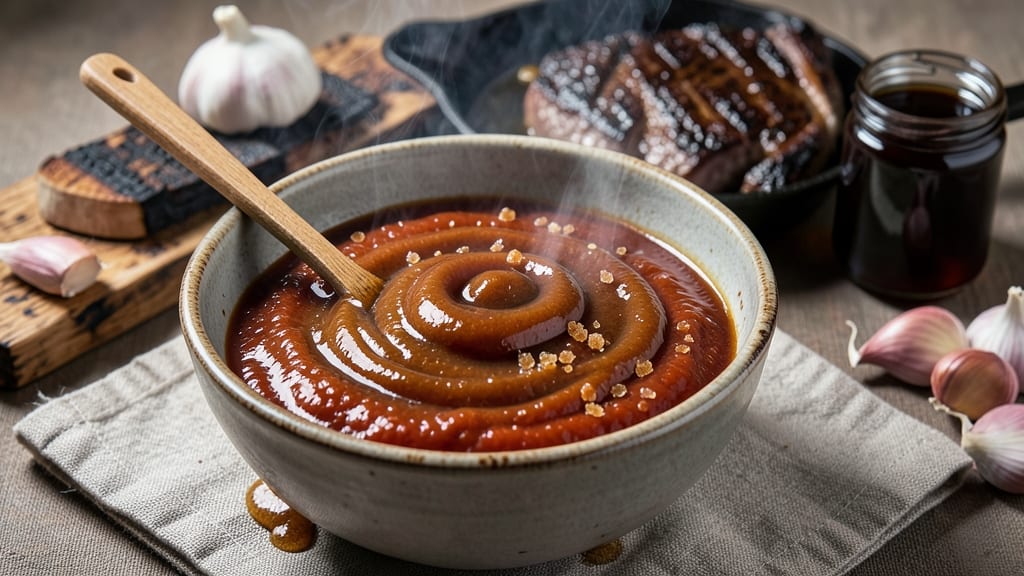
This BBQ sauce recipe no Worcestershire delivers deep, smoky-sweet heat with a rich tomato foundation that stands on its own. 🔥 The secret lies in balancing liquid smoke, molasses, and vinegar for complexity without relying on traditional umami boosters.
I developed this after years of testing—it’s the sauce I reach for when grilling ribs, basting chicken, or dipping fries.
The flavor profile is bold yet versatile: smoky from liquid smoke, sweet from molasses and brown sugar, and tangy from apple cider vinegar. A touch of garlic powder and onion powder adds depth, while tomato paste ensures that thick, glossy consistency you crave.
Unlike many recipes, this one skips Worcestershire entirely while still delivering layers of flavor.
What makes this sauce special is its adaptability—use it as a glaze for pork shoulders, a dip for smoked wings, or a marinade for grilled vegetables. The recipe scales easily, and the ingredients are simple: no specialty items required.
Once you taste the difference between this homemade version and store-bought, you’ll never go back.
The sauce thickens beautifully when simmered, creating a glossy finish that clings perfectly to food. Store it in the fridge for up to two weeks or freeze for longer shelf life. Ready to elevate your BBQ game? Here’s how to make it.
Ingredients for bbq sauce recipe no worcestershire
Eleven simple ingredients transform into a smoky-sweet sauce that rivals the best store-bought—no Worcestershire needed.
| Ingredient | Amount | Notes |
|---|---|---|
| Tomato Paste 🍅 | ½ cup | San Marzano preferred for sweetness |
| Apple Cider Vinegar 🍏 | ½ cup | Raw, unfiltered for tang |
| Molasses 🍯 | ⅓ cup | Unsulfured for deep flavor |
| Brown Sugar 🍚 | ½ cup | Light or dark, packed |
| Liquid Smoke 🔥 | 1 tbsp | Hickory or apple preferred |
| Garlic Powder 🧄 | 1 tsp | Freshly ground preferred |
| Onion Powder 🧅 | 1 tsp | Not onion salt |
| Smoked Paprika 🌶️ | 1 tbsp | For extra smokiness |
| Black Pepper 🌶️ | ½ tsp | Freshly cracked preferred |
| Salt 🧂 | 1 tsp | Diamond Crystal kosher |
| Water 💧 | ½ cup | Filtered preferred |
The tomato paste is your flavor anchor—San Marzano has the best balance of sweetness and acidity, but any quality paste works. Trader Joe's sells it in small tubes, which is perfect for this recipe since you only need half a cup. Skip the pre-made mixes—they're packed with preservatives. For the vinegar, raw, unfiltered apple cider (like Bragg's) gives that authentic tang. If you're using regular vinegar, add an extra teaspoon to compensate. The molasses? Unsulfured is key—it's less bitter and adds that rich, caramel-like depth. I always grab mine from the bulk section at Whole Foods—cheaper and fresher than the bottles.
No liquid smoke? Smoked paprika plus a splash of coffee (1 tbsp) gets you close to that campfire taste. Short on brown sugar? Maple syrup at half the amount works in a pinch, though it'll be slightly thinner. The garlic and onion powders are non-negotiable for that savory backbone—don't swap for fresh unless you're willing to simmer longer. For a quicker version, use 1 tsp each of minced garlic and onion instead of powders. The black pepper should be freshly cracked—pre-ground loses its punch fast. And if you're worried about the sauce being too sweet, add 1 extra tbsp of vinegar at the end.
This sauce keeps beautifully—2 weeks in the fridge or 6 months frozen. I like to portion it into small jars (like the ones from Weck) so I can grab just what I need. The flavor actually improves after a day or two as everything melds together. For leftovers, reheat gently on the stove with a splash of water to loosen it up. If it thickens too much, just stir in a few drops of water. And if you make a big batch? Freeze half immediately—trust me, you'll thank yourself later when you're craving BBQ in February.
Why You'll Love This Recipe
- Pantry Magic: I swear, this sauce comes together with stuff you already have. No fancy shopping trips—just tomato paste, vinegar, and a splash of molasses that turns everything into something smoky and rich.
- Smoke Without Guilt: That liquid smoke isn’t cheating—it’s transforming. A single teaspoon gives ribs, chicken, or baked beans that deep, campfire taste without needing a smoker. Honestly, it’s my shortcut to summer vibes year-round.
- Weeknight Wonder: Slather it on grilled sausages, drizzle over roasted veggies, or toss with fries—it’s the kind of sauce that makes lazy nights feel intentional. (Yes, even on a Tuesday when you’re exhausted.)
- Leftovers That Shine: This sauce keeps for weeks in the fridge, so you’re never stuck scrambling for flavor. Freeze extras in ice cube trays for a quick glaze later—because who has time to make sauce from scratch every time?
Step-by-step instructions for smoky sweet BBQ sauce
Here's how to build a rich, balanced sauce with deep tomato flavor and smoky complexity.
🍳 Step 1: Build the Tomato-Molasses Base
In a medium saucepan over medium heat, combine the 0.5 cup tomato paste and 0.33 cup molasses. Stir constantly for 3-4 minutes until the mixture thickens slightly and the raw tomato flavor mellows. You'll notice the molasses dissolving into the paste, creating a glossy, dark foundation.
This is where the sauce's sweet-savory balance begins. The molasses adds depth while the tomato paste provides that essential umami backbone. Don't rush this step—properly integrating these ingredients prevents graininess later. If the mixture starts to stick, add 1 tablespoon of water to help it flow smoothly.
🍳 Step 2: Incorporate Sweetness and Acidity
Add the 0.5 cup brown sugar and 0.5 cup apple cider vinegar all at once. Stir vigorously until the sugar dissolves completely—this should take about 2 minutes. You'll see the sauce transform from thick paste to a lighter, more fluid consistency as the sugar incorporates.
The vinegar brightens the molasses' richness while the brown sugar creates that signature caramelized sweetness. Here's the thing—don't be tempted to add all the water at once yet. We want to develop the sauce's body first before thinning it. Keep stirring occasionally for 5 minutes until the mixture feels cohesive and the sugar is fully integrated.
🔥 Step 3: Add Smoky Depth and Spices
Reduce heat to low-medium and stir in the 1 tbsp liquid smoke, 1 tbsp smoked paprika, 1 tsp garlic powder, 1 tsp onion powder, 0.5 tsp black pepper, and 1 tsp salt. Simmer gently for 10-12 minutes, stirring every 2-3 minutes to prevent scorching at the bottom.
This is where the sauce comes together. The liquid smoke infuses that authentic barbecue aroma while the spices build complexity. You'll notice the sauce darkening and developing a rich, almost syrupy texture. Taste after 8 minutes—you should detect all the individual components working together, but it might need balancing. If it's too sweet, add a splash more vinegar. If it needs more depth, add a pinch more salt.
🥘 Step 4: Finish with Water and Final Adjustments
Remove the pan from heat and let it cool for 5 minutes. Then stir in the remaining 0.5 cup water until the sauce reaches your desired consistency. For a thicker sauce (great for basting), use 0.375 cup water. For a thinner sauce (ideal for brushing), use the full 0.5 cup.
Return to low heat and simmer for another 3-5 minutes to let all the flavors meld. Here's the key: the sauce should coat the back of a spoon but still be pourable. If it's too thick, add water 1 tablespoon at a time until perfect. Taste again and adjust seasoning—this is your final chance to balance sweet, smoky, and tangy elements before using.
⏰ Step 5: Rest and Use
Let the sauce cool completely to room temperature. This resting period allows all the flavors to fully integrate and the texture to stabilize. Store in an airtight container in the refrigerator for up to 2 weeks, or freeze for up to 3 months.
The sauce will thicken further as it cools—this is normal. If you plan to use it immediately, give it a quick stir before serving. This smoky-sweet sauce works beautifully on ribs, pulled pork, or as a marinade. The absence of Worcestershire doesn't hold it back—instead, it highlights the pure tomato depth and molasses richness that make great barbecue sauce.
Pro Tips For Making Bbq Sauce Recipe No Worcestershire
- Simmer Slow and Low: That high heat will burn your tomato paste before it releases its depth. Drop the sauce to a gentle bubble—think lazy simmer, not rolling boil—and let it work for at least 20 minutes. I learned this the hard way when my sauce turned into a charred brick wall of bitterness.
- Balance the Molasses: Molasses is sneaky—too much and you’ve got a syrup bomb. Start with 1/4 cup, taste, then adjust. If it’s overpowering, cut it with a splash of vinegar (it’s already in the recipe, so no extra effort). I was skeptical until I tried it—now I measure twice.
- Deglaze the Pot First: After cooking the tomato paste, splash in 1/4 cup of apple cider vinegar before adding the rest. This scrapes up the browned bits stuck to the bottom, adding layers of flavor without extra work. Skip this, and you’re missing the good stuff.
- Use Dark Brown Sugar: Light brown sugar won’t cut it here—it’s too mild. Dark brown sugar (or even blackstrap) adds molasses-like depth and caramel notes that light sugar can’t match. I used to grab whatever was on hand, but the difference is noticeable, especially with the liquid smoke.
Troubleshooting your bbq sauce recipe no worcestershire
Grainy Texture Fix
If your sauce develops a grainy texture, it’s usually from improperly dissolved sugar or tomato paste. Always stir vigorously when adding brown sugar—heat helps dissolve it faster. For the tomato paste, whisk it with 1 tablespoon of water before adding to the pan.
If graininess appears during cooking, immediately add 1-2 tablespoons of water and stir until smooth. This happens most often when heat is too high or stirring is inconsistent. 💡
Too Thin or Too Thick
Sauce consistency is all about water control. If yours is too thin, simmer uncovered for 5-10 minutes to reduce it naturally. For thicker sauce, stir in 1 tablespoon of tomato paste or 1 teaspoon of cornstarch mixed with water.
Never rush this—thickening too quickly can make the sauce clumpy. I’ve found that 0.375 cup water works best for most applications, but adjust based on your desired use (brushing vs. basting).
Overpowering Sweetness
Too much sugar? No problem—balance it with 1-2 extra tablespoons of apple cider vinegar. This brightens the flavor and cuts through the sweetness. If the sauce still tastes cloying, add ½ teaspoon of smoked paprika or a pinch of black pepper to add depth.
Taste as you go—this is your best tool for troubleshooting. I’ve made this sauce dozens of times, and the vinegar adjustment is the quickest fix when things get too sweet. 🍏
Weak Smoky Flavor
If your sauce lacks smokiness, boost it with ½ teaspoon more liquid smoke or ½ teaspoon smoked paprika. For an extra layer, add 1 teaspoon of coffee (it mimics smoke’s depth).
If you’re using a gas grill, try adding 1 tablespoon of hickory wood chips soaked in water for 10 minutes—simmer them in the sauce for 5 minutes to infuse flavor.
The key is patience: let the sauce sit for at least 30 minutes before tasting to allow flavors to develop fully.
Sauce Separates
Separation usually means the ingredients weren’t fully incorporated. Whisk vigorously when adding water at the end, and simmer gently for 2-3 extra minutes to re-emulsify. If it still separates, blend with an immersion blender for 10 seconds—this works wonders.
For prevention, always stir constantly during cooking. I’ve seen this happen when heat is too high, so keep it at low-medium throughout the process. Once fixed, the sauce should be smooth and glossy again. 🔥
Storage Issues
If your sauce develops mold or an off smell after refrigerating, it’s time to toss it. For best results, store in a glass jar with an airtight lid in the fridge for up to 2 weeks. Freeze in ice cube trays for single-use portions—just thaw overnight in the fridge.
Never refreeze thawed sauce, as this can alter texture. If the sauce thickens too much after refrigeration, thin with 1 teaspoon of water per tablespoon of sauce needed. Always check for proper sealing—condensation inside the container can indicate a loose lid. ❄️
Nutrition facts
Frequently asked questions
Can I substitute molasses with something else?
Yes! For a 1:1 substitution, use maple syrup or honey, but reduce the amount by 20% since they're less concentrated. If you want to keep the deep caramel notes, try date syrup—it works beautifully in this recipe. For a lighter option, agave nectar adds sweetness without the same richness. Just remember, these alternatives will slightly alter the sauce's texture and depth.
How can I make this sauce spicier?
Add ½ to 1 teaspoon of cayenne pepper or 1 teaspoon of hot sauce (like Frank's RedHot) during the final 5 minutes of simmering. For a smoky kick, swap ½ teaspoon of smoked paprika for ½ teaspoon of chipotle powder. If you want heat without dry spices, stir in 1-2 tablespoons of hot sauce at the very end. Always taste as you go—spice builds up during simmering!
What's the best way to use this sauce?
This versatile sauce works as a glaze for ribs or pork shoulders, a dipping sauce for wings or fries, or a marinade for grilled vegetables. For glazing, brush on during the last 10-15 minutes of cooking. For dipping, serve warm with a sprinkle of smoked paprika. As a marinade, combine with 2 tablespoons of olive oil and let meat soak for 2-4 hours. The sauce's balance makes it perfect for almost any protein!
Why does my sauce taste flat after cooking?
Flat flavor usually means the sauce needs more acidity or depth. Boost it with 1 extra tablespoon of apple cider vinegar or ½ teaspoon of liquid smoke. For umami without Worcestershire, add ½ teaspoon of soy sauce or 1 teaspoon of fish sauce (just ¼ teaspoon for subtle flavor). Let the sauce rest for 30 minutes before tasting—flavors meld better when cool. If it's still bland, simmer uncovered for 5 extra minutes to concentrate the flavors.
Can I make this sauce without tomato paste?
Yes! For a tomato-free version, replace the ½ cup tomato paste with ½ cup ketchup (for sweetness) or ½ cup tomato sauce (for acidity). For a completely different profile, use ½ cup apple cider plus 1 tablespoon of balsamic vinegar to maintain tang. The sauce will be lighter but still pack flavor. If you want to keep the tomato depth, try ½ cup crushed tomatoes cooked down until thick.