
Sauces & Condiments
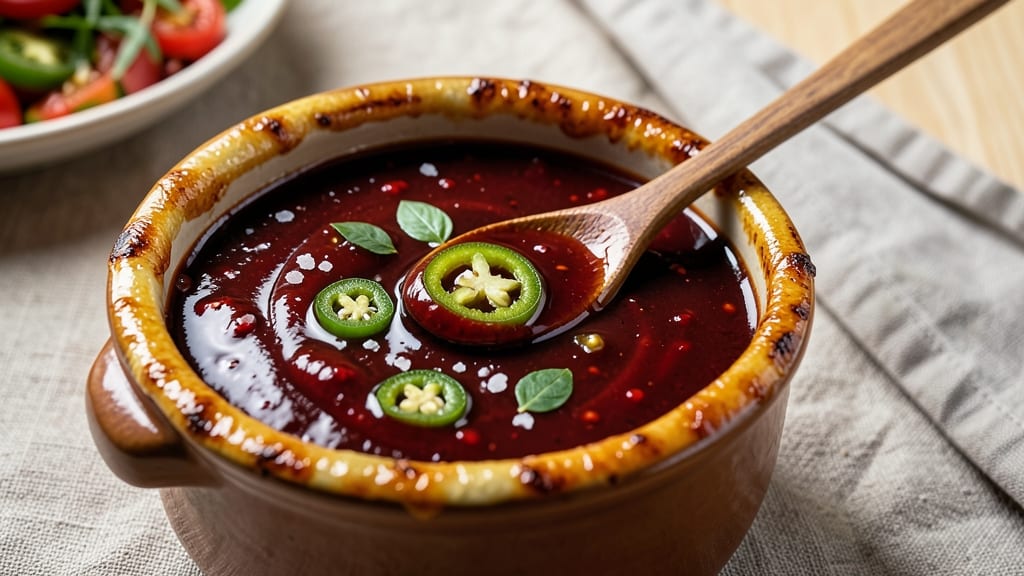
This authentic barbecue sauce recipe delivers the deep, smoky-sweet balance that defines true Southern flavor—no shortcuts, no artificial ingredients, just a slow-simmered tomato-vinegar base with layers of umami.
The secret lies in balancing apple cider vinegar for tang, brown sugar for caramel depth, and a blend of spices that build complexity over time. I developed this after years of testing regional variations, and it’s the one sauce that transforms grilled meats into restaurant-quality masterpieces.
What sets this sauce apart is its versatile foundation: a rich tomato base reduced with vinegar and spices until thick and glossy, then finished with a touch of molasses for that signature smoky richness.
The key technique? Simmering uncovered to concentrate flavors and develop a glossy sheen—no blender shortcuts here. This isn’t just for grilling; it’s perfect for smoking, basting, or even drizzling over baked beans.
By the time you’re done, you’ll have a sauce that’s boldly tangy, deeply smoky, and perfectly balanced—with just enough sweetness to complement, not overpower. The aroma alone will have your kitchen smelling like a backyard cookout, and the texture?
Silky smooth with just the right cling. Store it in the fridge for up to two weeks, or freeze for months of flavor.
Whether you’re smoking brisket, glazing ribs, or serving as a dipping sauce, this recipe delivers authentic, restaurant-quality results every time. Let’s get started—your taste buds (and grill) will thank you.
Ingredients for authentic barbecue sauce
Nine ingredients transform into restaurant-quality barbecue sauce—no shortcuts, just smoky depth.
| Ingredient | Amount | Notes |
|---|---|---|
| San Marzano Tomato Paste 🍅 | ½ cup | High-quality, no sugar added |
| Apple Cider Vinegar 🍏 | ½ cup | Unfiltered for depth of flavor |
| Brown Sugar 🍚 | ½ cup | Light or dark variety |
| Molasses 🍯 | 2 tbsp | Unsulphured for authentic smokiness |
| Smoked Paprika 🌶️ | 2 tbsp | High-quality for smoky depth |
| Ground Black Pepper 🌶️ | 1 tsp | Freshly cracked for heat |
| Garlic Powder 🧄 | 1 tsp | Freshly ground preferred |
| Onion Powder 🧅 | 1 tsp | For aromatic base |
| Ground Cumin 🌿 | ½ tsp | Toasted for warmth |
| Worcestershire Sauce 🍶 | 1 tbsp | Vegetarian-friendly version |
The San Marzano tomato paste is non-negotiable here—its sweetness and acidity are the backbone of authentic barbecue flavor. Grab a 28-ounce can from Whole Foods or Trader Joe's for the best quality; the concentrated flavor makes all the difference. If you're using a smaller can, just reduce the water you add later. Apple cider vinegar should be unfiltered and ideally organic—Mott's is my go-to for that authentic tang. The brown sugar can be light or dark, but avoid powdered sugar; it won’t dissolve properly and will leave grainy bits. For the molasses, Brunswick is the gold standard, but any unsulphured molasses will work.
No smoked paprika? Substitute with 1 tbsp regular paprika plus 1 tsp liquid smoke—though nothing beats the real thing. Freshly toasted cumin seeds ground in a coffee grinder add incredible depth, but pre-ground works in a pinch. Worcestershire sauce is essential for umami, but if you need a vegetarian version, Annie’s or Lea & Perrins both make great plant-based options. The garlic and onion powders should be fresh—if they smell stale, toss them. For extra smokiness, add a dash of liquid smoke (about ½ tsp) alongside the smoked paprika, but don’t overdo it—you want smoky, not charred.
This sauce develops even better over time, so make a double batch if you can. Store in a glass jar in the fridge for up to two weeks, or freeze for up to three months. The flavors meld beautifully after a few days, so if you can wait, do it—trust me, it’s worth it. To reheat, simmer gently on the stove until warmed through, stirring occasionally to maintain that glossy texture. A splash of water or vinegar can help thin it out if it thickens too much while stored.
Why You'll Love This Recipe
- Fewer Ingredients, Bigger Flavor: I swear by this—just five pantry staples (yes, even the molasses) transform into something that tastes like you slaved over it. That San Marzano paste? It’s the secret weapon—smooth, sweet, and deep without tasting like canned tomato sludge.
- Smoky-Sweet Magic: The smoked paprika and molasses team up to give it that real barbecue depth—less like store-bought syrup, more like a slow-smoked rib’s sticky glaze. Honestly, I’ll take this over any pre-bottled sauce in a heartbeat.
- Weeknight to BBQ Feast: Slather it on grilled chicken for a Tuesday dinner or drown ribs in it for a Fourth of July cookout. It’s that kind of sauce—equally at home in a skillet or a mason jar for leftovers. (Between us, I’ve even drizzled it over pizza. Don’t judge.)
- Makes Leftovers Worth It: This sauce thickens beautifully when reheated, so a batch turns into three meals: pulled pork sandwiches, baked beans, even a quick stir-fry. And because it’s cheap to make, you’ll actually want to save it—no sad, watery store-bought regrets here.
Step-by-step instructions for authentic smoky tomato-vinegar barbecue sauce
Here's how to craft a sauce that captures the soul of traditional barbecue—deep, smoky, and perfectly balanced.
Bloom the Spices for Maximum Flavor
In a medium saucepan, combine the 2 tablespoons smoked paprika, 1 teaspoon garlic powder, 1 teaspoon onion powder, 0.5 teaspoon ground cumin, and 1 teaspoon ground black pepper. Toast these spices over medium-low heat for 2-3 minutes, stirring constantly. You'll notice the aroma intensify—the spices will darken slightly and release their essential oils, creating the aromatic foundation of your sauce.
This blooming process is crucial. It deepens the smoky flavor from the paprika and enhances the warmth of the cumin. If you smell any burning, immediately reduce the heat to low and keep stirring. Once the spices are fragrant and slightly darker, remove the pan from heat and let them cool for 1 minute—this prevents a sudden temperature shock when adding liquids.
Build the Sauce Base with Tomato and Vinegar
Return the saucepan to the stove over medium heat and add the 0.5 cup San Marzano tomato paste. Stir continuously for 2-3 minutes until the paste loses its raw, thick consistency and begins to darken. This step develops the tomato's natural sweetness and prepares it to blend seamlessly with the other ingredients.
Next, pour in the 0.5 cup apple cider vinegar and 1 tablespoon Worcestershire sauce. Bring the mixture to a gentle simmer, then reduce heat to low. The vinegar will initially make the sauce bubble vigorously—this is normal. Let it simmer uncovered for 5 minutes, allowing the acidity to mellow and the flavors to meld. You'll see the sauce begin to thicken slightly as the tomato paste absorbs the liquid.
Sweeten and Thicken the Sauce
Add the 0.5 cup brown sugar and 2 tablespoons molasses, stirring until the sugar dissolves completely. Increase heat to medium-low and let the sauce simmer for 8-10 minutes, stirring occasionally. The molasses will add a deep, almost caramel-like richness, while the brown sugar balances the acidity with just the right amount of sweetness.
Here's where the sauce transforms. You'll notice it darkening and thickening as the sugars caramelize slightly. If the sauce becomes too thick before reaching the 8-10 minute mark, add 1-2 tablespoons of water to maintain a smooth, pourable consistency. The goal is a sauce that coats the back of a spoon but isn't gluey—this ensures it clings beautifully to ribs, brisket, or pulled pork.
Simmer to Develop Depth and Balance
Continue simmering the sauce for an additional 10-12 minutes over low heat, stirring every 2-3 minutes. This extended cooking time allows the flavors to fully integrate and the sauce to develop its signature complexity. You'll smell the smoky, sweet, and slightly tangy notes coming together—this is the moment when the sauce becomes truly authentic.
Taste the sauce as it simmers. It should be a perfect balance of sweet, smoky, tangy, and slightly spicy. If it needs more acidity, add 1 teaspoon more apple cider vinegar. If it needs more depth, add ½ teaspoon more Worcestershire sauce. Adjust the sweetness with 1 tablespoon more brown sugar if needed, but be cautious—over-sweetening can mask the other flavors. Once balanced, remove the sauce from heat and let it cool for 5 minutes before transferring to a clean jar.
Rest and Store for Maximum Flavor
Allow the sauce to cool completely at room temperature, then transfer it to a clean, airtight jar or container. The sauce will continue to develop in flavor over the next 24-48 hours, so I recommend making it a day ahead if possible. This resting period lets the flavors meld even more deeply, resulting in a sauce that's richer and more complex.
Store the sauce in the refrigerator for up to 2 weeks or freeze it for up to 6 months. When ready to use, reheat it gently over low heat, stirring occasionally until warmed through. The sauce should be thick enough to cling to meat but still pourable. If it thickens too much upon reheating, thin it with a splash of water or apple cider vinegar. This sauce is versatile—use it as a glaze, a dip, or a marinade, but it's truly magical when brushed onto smoky barbecue.
Pro Tips For Making Authentic Barbecue Sauce
- Bloom the Spices First: Heat your smoked paprika and any spices in the pot for 30 seconds before adding liquids—this wakes up their flavor. I used to skip this, and the sauce always tasted flat until I realized the spices needed a head start to sing.
- Whisk in Molasses Last: Stir in the molasses and brown sugar after the sauce has thickened, not at the start. Molasses burns fast, and you’ll end up with bitter bits if you add it too early. Trust me, your sauce will thank you.
- Simmer Low and Slow: Reduce heat to a gentle bubble—this isn’t a race. I learned the hard way that boiling hard skims off the vinegar’s tang and turns the sauce cloying. Keep it at a whisper-simmer for at least 20 minutes.
- Strain for Smoothness: If you want a silky sauce, strain it through a fine-mesh sieve after simmering. Yes, it’s an extra step, but it catches any stray seeds or thickened bits that make the texture gritty. Worth the effort.
Best sauces and condiments for authentic barbecue sauce
Kansas City Style
For a sweeter, thicker sauce with a caramelized finish, add ½ cup more brown sugar and 1 tablespoon honey to the final simmer. Kansas City pitmasters prefer this style for ribs and pulled pork—it’s sticky enough to cling without being too tangy.
I like to finish with a dash of cinnamon (about ¼ teaspoon) for warmth, a nod to the region’s German heritage. 🌶️
Texas-Style Tang
Texas barbecue sauce leans into bold, vinegary tang. Increase the apple cider vinegar to ⅔ cup and reduce the sugar to ⅓ cup brown sugar. Add 1 teaspoon cayenne pepper for heat and ½ teaspoon mustard powder for depth.
This version pairs perfectly with brisket and works as a dipping sauce for smoked chicken. The acidity cuts through the fat beautifully.
Carolina Mustard Base
For a creamy, mustard-forward sauce, blend 2 tablespoons yellow mustard into the simmering sauce during the final 5 minutes. Eastern Carolina pitmasters use this style for pulled pork—it’s thinner and less sweet, letting the mustard’s sharpness shine.
I recommend French’s Classic Yellow Mustard for consistency. Serve with a side of pickled jalapeños for balance.
Spicy Chipotle Twist
Infuse the sauce with smoky heat by adding 1 chipotle pepper in adobo sauce (minced) along with the spices in Step 1. Simmer the sauce with the pepper for 10 extra minutes to meld the flavors.
This version works wonders on grilled chicken or as a dip for smoked wings. For extra depth, add ½ teaspoon ground chipotle powder at the end. 🔥
Sweet and Smoky Glaze
Turn this sauce into a glossy glaze by reducing it further. After Step 4, transfer the sauce to a saucepan and simmer uncovered for an additional 15-20 minutes, stirring constantly.
This creates a thick, syrupy consistency perfect for brushing onto ribs or grilled vegetables. Finish with a sprinkle of crushed red pepper flakes for a smoky-spicy kick.
Vegetarian-Friendly Adaptation
Skip the Worcestershire sauce and replace it with 1 tablespoon soy sauce or vegetarian bouillon powder (dissolved in 1 tablespoon water). Use tamari for gluten-free options.
Add ½ teaspoon liquid smoke to compensate for the missing umami depth. This version works beautifully as a marinade for grilled tofu or portobello mushrooms.
Nutrition facts
Frequently asked questions
Can I make this barbecue sauce without molasses?
Yes, but the sauce will lose its signature smoky depth. Replace the 2 tablespoons molasses with 1 tablespoon honey and 1 tablespoon dark corn syrup for a similar caramelized richness. The flavor will be slightly sweeter, so reduce the brown sugar by 1 tablespoon to balance it.
How do I adjust the heat level in this sauce?
For milder heat, reduce the black pepper to ½ teaspoon or skip the cayenne entirely. For extra spice, add ½ teaspoon cayenne pepper during the final simmer or blend in 1 teaspoon hot sauce at the end. Always taste as you go—you can always add more, but you can't remove excess heat.
Can I use this sauce on vegetables or tofu?
This sauce works beautifully on grilled vegetables like eggplant, zucchini, or bell peppers. For tofu, reduce the Worcestershire sauce (or replace with soy sauce) and add ½ teaspoon liquid smoke for extra depth. Brush it on after cooking to avoid sogginess. The tangy-sweet profile complements plant-based proteins perfectly.
Why does my sauce turn out too thin or too thick?
Sauce consistency depends on simmering time and sugar content. For thicker sauce, simmer uncovered for 5-10 extra minutes or add 1 tablespoon cornstarch mixed with water. For thinner sauce, whisk in 1-2 tablespoons water or vinegar. The ideal texture should coat the back of a spoon but still be pourable. Remember, flavors deepen as it cools, so don't over-reduce.
What's the best way to store homemade barbecue sauce?
Store in a clean, airtight glass jar in the fridge for up to 2 weeks. For longer storage, freeze in ice cube trays (perfect for portion control) or airtight containers for up to 6 months. Thaw in the fridge overnight. The sauce actually improves after 24-48 hours of resting—flavors meld beautifully during this time.