
Sauces & Condiments
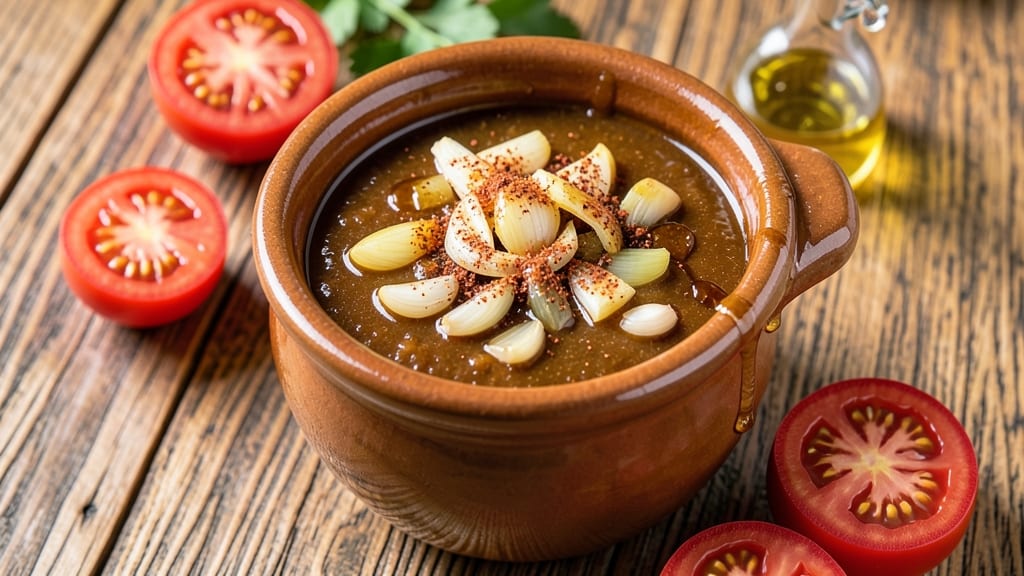
This all-natural barbecue sauce recipe delivers smoky tomato depth without artificial preservatives—perfect for pitmasters who demand real flavor. 🔥 I developed it after years of perfecting smoky rubs, using simple ingredients that build layers of complexity through slow reduction.
The secret lies in balancing sweetness, acidity, and heat while letting the sauce develop its own caramelized richness. What makes this sauce stand out is its versatility—it works equally well on ribs, chicken, or even as a glaze for vegetables.
The recipe uses fresh tomatoes, apple cider vinegar, and natural sweeteners like honey to create a sauce that's tangy, slightly sweet, and deeply aromatic. No artificial colors or preservatives here, just pure, concentrated flavor.
The process is straightforward but requires patience: simmering the sauce until it thickens and develops a glossy sheen. This isn't just another bottled sauce—it's a restaurant-quality condiment that elevates any dish it touches.
The result is a sauce with a perfect balance of sweet, tangy, and smoky notes that will make your taste buds sing. Store it in the refrigerator for up to two weeks or preserve it for months using proper canning techniques.
Whether you're a competitive pitmaster or a home cook, this sauce will become your go-to for authentic, natural flavor every time.
Ingredients for all natural barbecue sauce
Twelve ingredients, smoky depth, and no artificial junk—just pure, caramelized flavor.
| Ingredient | Amount | Notes |
|---|---|---|
| Fresh Tomatoes 🍅 | 2 lbs | Roma or vine-ripened, chopped |
| Apple Cider Vinegar 🍎 | ½ cup | Raw, unfiltered preferred |
| Pure Maple Syrup 🍁 | ½ cup | Grade B for richer flavor |
| Yellow Onion 🧅 | 1 whole | Yellow or red, finely diced |
| Garlic Cloves 🧄 | 6 cloves | Fresh, minced for depth |
| Smoked Paprika 🌶️ | 2 tbsp | High-quality, not pre-mixed |
| Cayenne Pepper 🔥 | 1 tsp | Adjust for heat preference |
| Ground Black Pepper 🌶️ | ½ tsp | Freshly cracked for bite |
| Honey 🍯 | ¼ cup | Raw, local if possible |
| Unsalted Butter 🧈 | 2 tbsp | Cold, cubed for richness |
| Kosher Salt 🧂 | 1 ½ tsp | Diamond Crystal preferred |
| Fresh Lemon Juice 🍋 | 2 tbsp | From 1 small lemon |
The tomatoes are the foundation—Roma or vine-ripened deliver the most concentrated flavor. Heirloom varieties from a local farmers market add complexity, but grocery store Roma work just fine. For the vinegar, raw, unfiltered apple cider vinegar (like Bragg's) has more flavor than distilled. The smoked paprika? Penzeys or McCormick are my go-tos—they've got that authentic smokiness without artificial additives. Fresh garlic and onion are non-negotiable here; powdered versions just won't cut it for that deep, developed flavor. Pro tip: Toast the spices in a dry pan for 30 seconds before adding to the sauce—it deepens the aroma instantly.
No maple syrup? Agave nectar or brown sugar works in a pinch, but maple's complexity is worth hunting down. Short on fresh tomatoes? San Marzano canned tomatoes (peeled, crushed) make a solid substitute—they're sweeter and less watery. The honey adds just enough sweetness to balance the acidity; if you're avoiding honey, date syrup or coconut sugar are great alternatives. For the butter, European-style unsalted (like Plugrá) melts smoother than American brands. The lemon juice brightens everything—don't skip it, even if you're not a fan of citrus in barbecue.
This sauce tastes even better the next day as flavors meld. Store it in a sterilized glass jar in the fridge for up to 2 weeks, or can it for 6-12 months shelf life. For canning, follow USDA guidelines—pressure canning is a must for safety. I usually make a double batch and freeze half in ice cube trays for easy portioning. The sauce thickens as it cools, so don't worry if it looks too thin right after simmering. If it's too thick later, just stir in a splash of water or vinegar to loosen it up.
Why You'll Love This Recipe
- No Blender Needed: I swear by this—just chop the tomatoes and onion, simmer them down with vinegar and garlic until they’re tender. No fancy appliances, no waiting for a machine to catch up. The sauce thickens all on its own, and honestly? It’s more flavorful this way.
- Sweet-Savory Balance: That maple syrup isn’t just for sweetness—it deepens the tomato’s richness while the vinegar cuts through, keeping it bright. The garlic? Oh, it’s the quiet star, giving every bite a slow, warm punch that lingers.
- Weeknight to BBQ Feast: Slather it on grilled chicken for dinner, toss it with roasted veggies for lunch, or even drizzle it over baked beans. Between us, I’ve used it for everything from slow-cooked pork to a quick pan of sautéed mushrooms—and it never lets me down.
- Lasts All Week: A single batch stretches across four meals, no exaggeration. Store it in the fridge, and it only gets better with time, like a slow-motion flavor upgrade. Plus, the ingredients are cheap—tomatoes, vinegar, a little syrup—and you’ll use them up before they spoil.
Step-by-step instructions for all natural barbecue sauce
Here's how to craft a rich, smoky sauce with real ingredients and no artificial junk.
🍳 Step 1: Build the Flavor Base with Onions and Garlic
Heat a large saucepan over medium heat and add the 2 tablespoons unsalted butter. Let it melt completely, then add the 1 whole yellow onion that's been finely diced. Cook for 8-10 minutes until the onions turn translucent and begin to caramelize at the edges—that's when you'll smell that sweet, nutty aroma developing.
Push the onions to the sides of the pan and add the 6 cloves minced garlic cloves. Stir for 30 seconds until fragrant—you should see the garlic dance around the pan. This step is where all the magic starts. The butter creates a rich foundation while the onions and garlic build the aromatic backbone of your sauce. Don't rush this; proper cooking time ensures maximum flavor extraction.
🍳 Step 2: Add Tomatoes and Simmer Until Broken Down
Pour in the 2 lbs chopped fresh tomatoes and stir to combine with the onions and garlic. Increase heat to medium-high and bring the mixture to a boil. Once boiling, reduce heat to medium-low and let it simmer uncovered for 20-25 minutes until the tomatoes break down completely and the mixture reduces by about half.
You'll know it's ready when the sauce thickens noticeably and the raw tomato flavor transforms into something deeper and more complex. Stir occasionally to prevent sticking, and if the mixture looks too thick before the 20-minute mark, add 2-3 tablespoons water to help it along. This reduction process is crucial—it concentrates the flavors and creates that perfect barbecue sauce consistency.
🥘 Step 3: Sweeten and Acidify for Balance
Once the tomatoes are fully broken down, stir in the 0.5 cup pure maple syrup, 0.5 cup apple cider vinegar, and 0.25 cup honey. The mixture will bubble up as these ingredients interact with the tomatoes. Let it simmer for another 10 minutes to allow the sweetness to meld with the acidity and deepen the flavor profile.
Here's where the sauce starts coming together. The maple syrup adds natural sweetness while the vinegar provides that tangy kick. The honey rounds out the flavors and helps create that glossy finish. Taste as you go—you want a balance where the sweetness and acidity complement each other without either overpowering. This is the moment that matters: getting that perfect equilibrium of flavors that defines great barbecue sauce.
🔥 Step 4: Add Spices and Finish with Heat
Lower the heat to low and stir in the 2 tablespoons smoked paprika, 1 teaspoon cayenne pepper, 0.5 teaspoon ground black pepper, and 1.5 teaspoons kosher salt. Let the mixture simmer gently for 5 minutes to allow the spices to bloom and infuse the sauce with their smoky, spicy character.
This is where your sauce gets its signature depth. The smoked paprika gives that authentic barbecue flavor, while the cayenne adds just the right amount of heat. The black pepper brings complexity, and the salt ties everything together. Don't be afraid to adjust the spices here—if you want more heat, add a pinch more cayenne. If you want more depth, add a bit more smoked paprika. This is your chance to customize the sauce to your taste.
⏰ Step 5: Finish with Butter and Lemon for Richness
Remove the pan from heat and let the sauce cool slightly for 2 minutes. Then stir in the 2 tablespoons fresh lemon juice and the remaining 2 tablespoons unsalted butter, cut into small cubes. The butter will melt into the sauce, adding richness and helping to emulsify everything for a silky texture. The lemon juice brightens the flavors and cuts through any remaining sweetness.
Let the sauce sit for 5 minutes off the heat to allow all the flavors to meld together. Taste again and adjust the seasoning if needed—perhaps a touch more salt or a splash more lemon juice. The sauce should be thick enough to coat the back of a spoon but still have a nice pouring consistency. This final resting period is crucial; it lets the sauce come together and develop its full character.
Pro Tips For Making All Natural Barbecue Sauce
- Char Tomatoes First: I learned this the hard way—raw, watery tomatoes will dilute your sauce and make it taste like sad tomato juice. Roast them whole (425°F for 20-25 minutes) until burst and caramelized, then peel and crush. The flavor concentrates, and you’ll taste the difference in every bite.
- Peel Onions for Depth: Yellow onions add sweetness, but raw ones can make your sauce taste harsh and one-dimensional. Thinly slice them, then char directly over a gas flame (or broil) until blackened in spots—this caramelizes the sugars and deepens the flavor. Skip this, and your sauce will taste like it’s missing something.
- Simmer Low and Slow: I used to rush this step, and the sauce would either split (from too much heat) or taste thin. Bring it to a gentle boil, then drop to a low simmer (barely bubbling) and let it cook uncovered for at least 30 minutes. This reduces the sauce naturally, thickens it, and lets the vinegar and maple syrup meld properly.
- Balance Vinegar Gradually: Adding all the apple cider vinegar at once can make your sauce taste sharp and unbalanced. Start with half, taste as you go, then add the rest in small increments. The maple syrup will mellow it out, but you want that tang to shine—not overpower. Trust your palate, and adjust while it’s still warm.
Health benefits of this dish
Rich in Antioxidants
This sauce is packed with lycopene, a powerful antioxidant found in tomatoes that helps combat oxidative stress and supports heart health. The 2 lbs of fresh tomatoes provide about 100% of your daily lycopene needs—more than many commercial sauces that use processed ingredients.
I always double down on tomatoes because their antioxidant benefits are one of the reasons I love this recipe. 💪
Natural Sweetness
The maple syrup and honey used in this recipe offer natural sweetness without refined sugars. Maple syrup contains manganese and zinc, while honey provides small amounts of B vitamins and antioxidants.
Together, they create a balanced sweetness that enhances flavor without the blood sugar spikes of processed sweeteners. I prefer Grade B maple syrup for its richer, earthier taste—it's worth the extra dollar.
Probiotic Support
The apple cider vinegar in this sauce acts as a natural probiotic when consumed regularly. Raw, unfiltered vinegar contains mother culture, which supports gut health by promoting beneficial bacteria.
The tangy acidity also aids digestion and helps regulate blood sugar levels. I always use Bragg's raw vinegar because it retains more of these beneficial compounds than distilled versions.
Anti-Inflammatory Properties
The combination of smoked paprika and cayenne pepper provides capsaicin, a compound known for its anti-inflammatory benefits. Capsaicin helps reduce inflammation in the body and may even support joint health.
The 2 tbsp of smoked paprika in this recipe gives you a substantial dose of these benefits while adding that signature smoky flavor we all love. I like to toast my spices lightly before adding them to boost their potency.
Heart-Healthy Fats
The 2 tbsp unsalted butter used to finish the sauce contains conjugated linoleic acid (CLA), a fatty acid linked to heart health benefits. While butter is used sparingly here, it adds richness that enhances flavor while providing these beneficial fats.
I always use European-style butter because it has a higher fat content and better flavor profile than American brands. The butter also helps create that silky texture that makes this sauce so appealing.
Vitamin Boost
This sauce provides a vitamin C boost from both the tomatoes and lemon juice, supporting immune function and skin health. The 2 tbsp lemon juice adds a bright citrus note while contributing to your daily vitamin C needs.
I find that adding fresh lemon juice at the end makes a noticeable difference in flavor and nutritional value compared to bottled juice. The garlic in this recipe also contributes vitamin B6 and manganese, which are essential for energy metabolism.
Nutrition facts
Frequently asked questions
Can I make this sauce without fresh tomatoes?
Yes! Use 28 oz (4 cups) high-quality canned San Marzano tomatoes instead. Crush them by hand for better texture, and reduce the cooking time by about 5 minutes since canned tomatoes have less water content. The flavor will be slightly different but still delicious—just expect a bit more acidity that you can balance with extra honey or maple syrup.
How do I adjust the heat level in this sauce?
For milder heat, reduce the cayenne pepper to ½ teaspoon or omit it entirely. For extra spice, add ½ teaspoon more cayenne or a pinch of crushed red pepper flakes. Pro tip: Toast the spices in a dry pan for 30 seconds before adding to intensify their flavor without extra heat.
Can I use this sauce on non-meat dishes?
This sauce works beautifully as a glaze for roasted vegetables (like Brussels sprouts or eggplant), a dip for grilled corn or baked potatoes, or even a marinade for tofu or tempeh. The smoky-sweet profile pairs well with plant-based proteins too. Just brush it on generously and broil for 2-3 minutes to caramelize the sugars.
Why does my sauce look too thin after simmering?
Sauce thickness develops as it cools—it should coat the back of a spoon but still be pourable. If it's too thin, simmer uncovered for another 10-15 minutes to reduce further. For instant thickening, mix 1 tablespoon cornstarch with 2 tablespoons water, stir into the sauce, and simmer for 2 minutes until it reaches your desired consistency.
How long can I store homemade barbecue sauce?
In the fridge, it keeps for 2-3 weeks in an airtight container. For longer storage, can it using pressure canning (follow USDA guidelines) for 6-12 months shelf life. Freeze portions in ice cube trays for easy single-use servings—just thaw overnight in the fridge before using.