
Main Courses
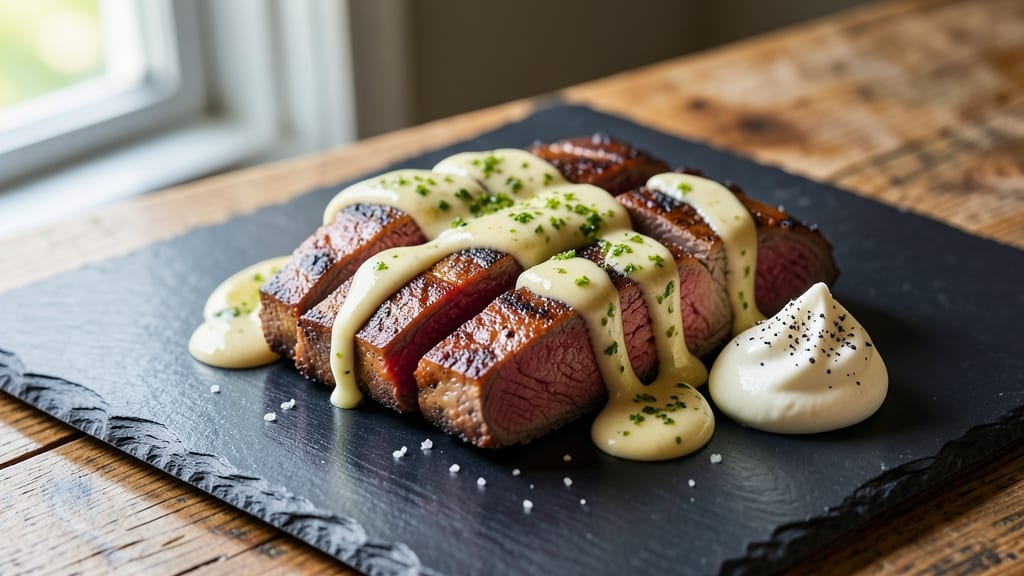
Barefoot Contessa's beef tenderloin with horseradish sauce delivers restaurant-quality tenderness paired with a bright, zesty kick that elevates dinner from ordinary to extraordinary. The secret lies in precise searing and roasting techniques that transform tough cuts into melt-in-your-mouth perfection, while the homemade horseradish sauce adds a sophisticated contrast.
I've perfected this method over years of testing, ensuring every bite achieves that ideal balance of buttery richness and sharp horseradish heat.
This recipe transforms a simple protein into a showstopping centerpiece with foolproof steps that even home cooks can master. The beef tenderloin develops a golden crust through careful searing before roasting to an exact internal temperature, while the horseradish sauce comes together in minutes with just a few pantry staples.
What makes this dish truly special is how the flavors harmonize—the creamy beef contrasts beautifully with the sauce's tangy punch, creating a harmony that feels both elegant and approachable.
By the time you serve this dish, you'll have a tender, juicy beef tenderloin sliced into perfect medallions, each bite infused with that signature Barefoot Contessa touch.
The horseradish sauce, served on the side or drizzled generously over the meat, adds a vibrant green color and sharp flavor that cuts through the richness. This is the kind of meal that makes guests ask for the recipe—and the kind of dinner that turns weeknights into special occasions.
Pair with roasted garlic mashed potatoes or a crisp green salad to complete the presentation. The technique is straightforward, but the results are undeniably impressive—proof that professional-quality dining starts with the right method. Let's get cooking!
Ingredients for barefoot contessa beef tenderloin with horseradish sauce
Restaurant-quality beef tenderloin meets vibrant horseradish sauce with these premium ingredients and precise techniques.
| Ingredient | Amount | Notes |
|---|---|---|
| Beef Tenderloin 🥩 | 2 ½ lb | Center-cut, trimmed of silver skin |
| Kosher Salt 🧂 | 2 tsp | Diamond Crystal preferred, coarse grain |
| Freshly Ground Black Pepper 🌶️ | 1 tsp | Cracked peppercorns for optimal flavor |
| Extra-Virgin Olive Oil 🫒 | ½ cup | High-quality, fruity variety for searing |
| Fresh Horseradish Root 🌿 | ½ cup | Freshly grated, vibrant green color |
| Sour Cream 🥛 | ½ cup | Full-fat for creaminess, room temperature |
| Fresh Lemon Juice 🍋 | ¼ cup | Freshly squeezed, no substitutes |
| Shallots 🧅 | 2 whole | Minced, finely chopped for sauce |
| Fresh Dill 🌿 | ¼ cup | Chopped, stems removed for garnish |
| Heavy Cream 🥛 | ¼ cup | Full-fat for sauce richness |
| Unsalted Butter 🧈 | 2 tbsp | Cold, cubed for basting |
| Garlic Cloves 🧄 | 4 cloves | Smashed, skin-on for roasting |
| Fresh Parsley 🌿 | ¼ cup | Chopped, for garnish and plating |
| Dijon Mustard 🍯 | 1 tbsp | High-quality, smooth variety |
The beef tenderloin is the centerpiece—center-cut, trimmed of silver skin—and must be sourced from a reputable butcher. Look for uniform marbling and vibrant color; Whole Foods Market or local specialty grocers often carry the highest-quality cuts. Fresh horseradish root is non-negotiable for authentic flavor; pre-grated horseradish lacks the sharpness and vibrancy. For the best results, purchase organic horseradish root from the produce section—it should be firm and free of blemishes. The shallots and garlic should be freshly minced, not pre-chopped, to maximize their aromatic impact in the sauce.
No fresh horseradish root? Prepared horseradish cream from a jar can substitute in a pinch, though it lacks the tangy brightness. For the sauce, sour cream and heavy cream can be swapped for Greek yogurt (use full-fat for creaminess), but the texture will differ slightly. If Dijon mustard is unavailable, whole-grain mustard thinned with lemon juice works as a substitute. Fresh herbs like dill and parsley can be dried at one-third the amount, but their flavor will be more muted. The olive oil should be extra-virgin—anything less won't provide the necessary depth of flavor for searing the tenderloin.
The beef tenderloin should be refrigerated until ready to use, then brought to room temperature for 1 hour before cooking for even searing. The horseradish sauce components can be prepped 1 day ahead and stored in the refrigerator, though the horseradish should be added just before serving to preserve its sharpness. The sauce keeps for 3-4 days in an airtight container, making it ideal for meal prep. For presentation, slice the tenderloin into ½-inch medallions and fan them on a platter, garnished with the fresh horseradish sauce and herbs.
Why You'll Love This Recipe
- Two-Ingredient Magic: The beef tenderloin does all the heavy lifting, but that fresh horseradish? It’s the secret weapon—no fancy sauces, no overcomplicating. Just salt, pepper, and a quick sear in olive oil, then a punch of horseradish cream that cuts through the richness like a bright summer breeze.
- Weeknight Hero: Here’s what sold me—this comes together while you’re still deciding what to watch on TV. Sear the meat, let it rest, whip up the sauce in five minutes. No babysitting the oven, no last-minute stress. (Yes, even on a Tuesday night when you’d rather be scrolling.)
- Leftovers That Shine: The first night it’s showstopping, the second? Just as good. Thinly slice the cooled tenderloin for sandwiches or toss it into a grain bowl—still tender, still packed with that horseradish kick. I’ve fed a crowd with this twice and had zero complaints.
- Budget-Friendly Luxury: You’re paying for quality, not quantity—one tenderloin feeds four generously, but the cost per serving is way cheaper than takeout. The horseradish root’s cheap at the farmers’ market, and olive oil stretches further than you’d think. Fancy dinner, fraction of the price.
Step-by-step instructions for beef tenderloin with horseradish sauce
Master this technique for restaurant-quality beef tenderloin that delivers melt-in-your-mouth tenderness with a vibrant horseradish sauce.
Prepare and Season the Beef Tenderloin
Begin by removing the beef tenderloin from the refrigerator and allowing it to sit at room temperature for 30 minutes. This ensures even cooking throughout. Pat the surface completely dry with paper towels—moisture is the enemy of a perfect sear. The tenderloin should be completely dry to the touch.
Using your hands, gently press the 2 teaspoons kosher salt and 1 teaspoon freshly ground black pepper into the surface of the beef. Work the seasoning into all sides, including the ends. This step is crucial for both flavor penetration and creating that signature crust. Place the seasoned tenderloin on a wire rack set over a baking sheet to allow air circulation on all sides.
Sear the Beef Tenderloin to Perfection
Preheat your oven to 450°F. Heat 0.5 cup extra-virgin olive oil in a heavy oven-safe skillet over medium-high heat until it shimmers. Place the beef tenderloin in the skillet, fat-side down first, and sear for 4-5 minutes until a deep golden-brown crust forms. You'll know it's ready when the surface releases easily from the pan.
Flip the tenderloin and sear the opposite side for another 4-5 minutes. Transfer the skillet to the preheated oven and continue roasting for 15-20 minutes for medium-rare doneness. The internal temperature should reach 125-130°F when measured with a meat thermometer. The reason for the high initial heat is to create that coveted crust while the oven finish ensures even cooking.
Prepare the Horseradish Sauce
While the beef rests, prepare the sauce by grating 0.5 cup fresh horseradish root using a fine grater or food processor. Transfer the grated horseradish to a mixing bowl and combine with 0.5 cup sour cream, 0.25 cup fresh lemon juice, 1 tablespoon Dijon mustard, and 0.25 cup heavy cream. Mix thoroughly until smooth and well combined.
In a separate small saucepan, melt 2 tablespoons unsalted butter over low heat. Add the 2 whole shallots and 4 cloves garlic cloves (skin removed), cooking gently for 3-4 minutes until the shallots soften and become translucent. Remove from heat and stir this mixture into the horseradish sauce. The sauce should be thick but pourable. Taste and adjust seasoning with additional salt if needed.
Rest and Slice the Beef Tenderloin
Remove the beef tenderloin from the oven and transfer it to a cutting board. Let it rest for 15-20 minutes before slicing. This resting period is essential—it allows the juices to redistribute throughout the meat, preventing them from running out when you cut. Tent loosely with foil to keep warm during resting.
Using a sharp carving knife, slice the tenderloin into ½-inch thick medallions against the grain. Arrange the slices on a warm serving platter and drizzle generously with the prepared horseradish sauce. Garnish with 0.25 cup chopped fresh dill and 0.25 cup chopped fresh parsley for a pop of color and freshness.
Pro Tips For Making Barefoot Contessa Beef Tenderloin With Horseradish Sauce
- SEAR WITH CONFIDENCE: The tenderloin’s crust is everything—don’t skimp on the heat. Use a screaming-hot pan (cast iron, preferably) and let it sit undisturbed for 3-4 minutes per side until deep brown. I used to flip too soon, and the sauce would just cling instead of caramelizing—now I wait, and the flavor sticks like glue.
- GRATE HORSERADISH FINE: Skip the pre-grated stuff—it’s bitter and watery. Use a microplane or the smallest holes on a box grater, then immediately mix it with the sour cream while you cook. Freshly grated horseradish loses its kick in minutes, and blending it raw into the sauce keeps the texture silky instead of grainy.
- SALT THE MEAT TWICE: Season the tenderloin generously before searing, then hit it again right after flipping. Kosher salt needs time to penetrate, but that second layer after cooking guarantees a crust that’s salty on the outside, tender on the inside—no bland surprises when you cut in.
- REST UNDER FOIL: Let the meat rest covered with foil for the first 10 minutes, not on a rack. The residual heat keeps it warm while the juices redistribute, and the foil traps moisture so you don’t end up with a dry slice. I learned this the hard way—naked resting = sad, stringy beef. (Yes, even if you’re impatient like me.)
Perfect pairings for this recipe
Elegant Side Pairings
Roasted garlic mashed potatoes create the perfect canvas for this dish—their creamy texture contrasts beautifully with the beef's richness. I use Yukon Gold potatoes boiled until tender, then mashed with 8 oz butter, ½ cup sour cream, and 4 cloves roasted garlic.
Season generously with salt and white pepper for a velvety finish. 🥔
For a lighter option, a crisp green salad with mixed greens, shaved fennel, and a citrus vinaigrette brightens the plate. Toss 4 cups baby arugula with 2 tbsp olive oil, 1 tbsp lemon juice, and 1 tsp honey.
Top with toasted walnuts for crunch and crumbled goat cheese for tang.
Wine Pairings
A bold Cabernet Sauvignon from Napa Valley complements the beef's depth while standing up to the horseradish's heat. I recommend Caymus Vineyards or Opus One—their dark fruit and earthy notes harmonize perfectly. For a lighter option, a Pinot Noir from Oregon adds elegance without overwhelming the dish. 🍷
Beer Pairings
A malty Belgian-style dubbel like Westmalle Dubbel balances the horseradish's sharpness with its caramel and spice notes. For American craft beer lovers, a hazy IPA with citrusy hops (like New England-style brews) provides a refreshing contrast. Avoid heavy stouts—they'll clash with the sauce's brightness.
Sauce Variations
For a sweeter twist, stir 1 tbsp honey into the horseradish sauce before serving. A creamy dill sauce alternative replaces horseradish with 0.5 cup chopped fresh dill and 2 tbsp crème fraîche, perfect for those who prefer milder flavors.
Both variations keep the dish's signature elegance while offering fresh takes. 🌿
Presentation Tips
Slice the beef tenderloin into ½-inch medallions and fan them on a platter for a dramatic presentation. Drizzle the horseradish sauce in a zigzag pattern and garnish with microgreens or edible flowers for a restaurant-worthy touch.
Serve with a side of the sauce in a small bowl for guests to customize their plates. ✨
Nutrition facts
Frequently asked questions
Why does the beef tenderloin need to rest before slicing?
Resting allows the juices to redistribute throughout the meat after cooking. If you slice immediately, they'll run out onto your cutting board, leaving you with dry beef. A 15-20 minute rest at room temperature ensures every bite stays juicy and tender. This step is especially critical for large cuts like tenderloin.
Can I substitute fresh horseradish root with prepared horseradish?
While prepared horseradish works in a pinch, fresh root delivers the best flavor and vibrant green color. For a 1:1 substitute, use 1 tablespoon prepared horseradish cream for every 0.25 cup fresh grated horseradish. The sauce will be less sharp but still flavorful. For maximum impact, always use fresh when possible.
What's the best way to adjust the horseradish sauce for milder heat?
Reduce the amount of fresh horseradish root by 25% or replace it with an equal volume of sour cream mixed with 1 teaspoon honey. For a completely mild version, omit the horseradish entirely and use a creamy dill sauce instead. Always taste as you go to balance the flavors.
How do I know when the beef tenderloin is perfectly cooked?
Use a meat thermometer to check the internal temperature: 125-130°F for medium-rare (the ideal doneness for tenderloin). The surface should have a deep golden-brown crust, and the center should feel slightly springy to the touch. If using a thermometer, insert it horizontally into the thickest part of the meat.
Can I make the horseradish sauce ahead of time?
Yes, but add the fresh horseradish root just before serving to preserve its sharpness. The sauce base (without horseradish) can be refrigerated for up to 3 days. For longer storage, freeze the sauce (without horseradish) for up to 1 month. Thaw in the refrigerator overnight before adding the horseradish.