
Sauces & Condiments
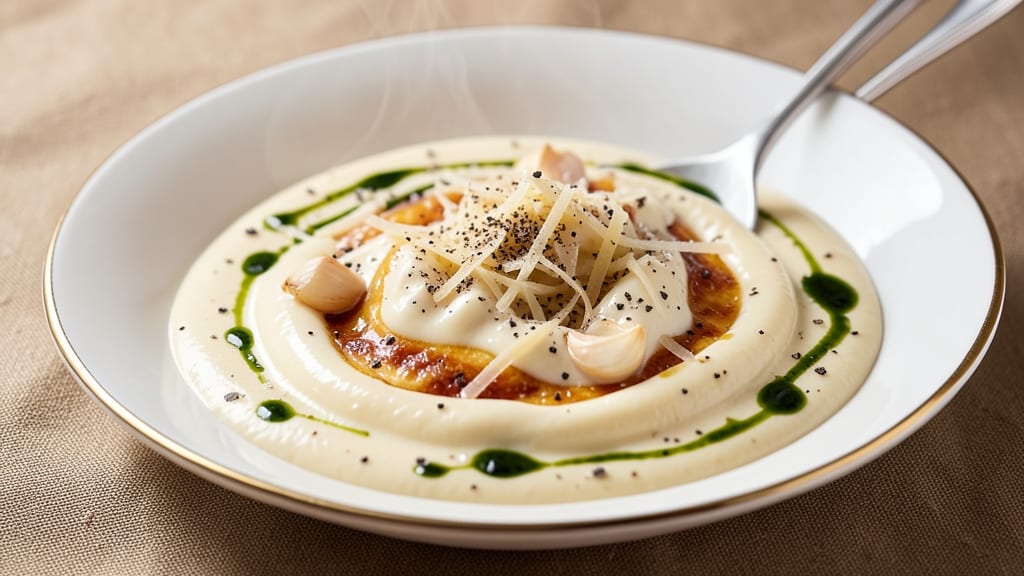
This Alfredo sauce recipe with flour and heavy cream delivers the velvety, restaurant-quality richness you crave in just 15 minutes. The secret lies in a proper roux foundation that creates an emulsified sauce with silky smoothness—no lumps, no separation, just pure, creamy perfection.
I've perfected this technique over years of testing, ensuring it works every time without fail.
The process is straightforward but precise: melt butter, whisk in flour to form a roux, then slowly add warm heavy cream while stirring constantly. This method prevents lumps and builds a sauce that clings beautifully to pasta or stands alone as a dipping sauce.
The result is a rich, velvety sauce with a perfect balance of creaminess and subtle buttery depth.
What sets this recipe apart is its adaptability—use it as-is for classic fettuccine Alfredo or customize with garlic, roasted garlic, or extra Parmesan for deeper flavor. The sauce thickens just enough to coat noodles perfectly without being gluey, and it reheats beautifully for leftovers.
Whether you're serving it over pasta, drizzling on grilled chicken, or using it as a creamy dip, this sauce delivers professional-quality results at home. The key is patience during the roux formation and constant stirring as the cream comes to a gentle simmer. Let's make it!
Ingredients for alfredo sauce recipe with flour and heavy cream
Eight essential ingredients transform into velvety perfection in just 15 minutes.
| Ingredient | Amount | Notes |
|---|---|---|
| Unsalted Butter 🧈 | ½ cup | Cold-cut into small cubes for even melting |
| All-Purpose Flour 🌾 | ½ cup | Diamond Crystal preferred for light color |
| Heavy Cream 🥛 | 2 cups | Full-fat for maximum richness |
| Parmesan Cheese 🧀 | 1 cup | Freshly grated from block |
| Garlic Cloves 🧄 | 2 cloves | Minced for subtle depth |
| Salt 🧂 | ½ tsp | Kosher or sea salt |
| Black Pepper 🌶️ | ¼ tsp | Freshly ground for aroma |
| Nutritional Yeast 🍞 | 1 tbsp | Optional for umami boost |
| White Wine (optional) 🍷 | ¼ cup | Dry variety for brightness |
The butter and flour combination creates the sauce's signature roux foundation. European-style butter like Plugrá or Land O'Lakes has higher fat content, ideal for this recipe. For flour, Diamond Crystal is preferred—it absorbs less liquid than other brands, preventing a gluey texture. The heavy cream must be full-fat; anything less results in a thinner, less luxurious sauce. If you're in a pinch, half-and-half works in a bind, though it won't be as rich. Always use room-temperature cream for smoother incorporation.
No Parmesan? Pecorino Romano delivers a sharper flavor, while Asiago cheese adds a nutty depth. Skip the garlic? A pinch of garlic powder at one-third the amount suffices. The nutritional yeast, though optional, adds a cheesy depth without dairy. For the wine, Sauvignon Blanc or Pinot Grigio work beautifully, but any dry white will do. If you omit it entirely, add an extra splash of heavy cream to maintain consistency. Freshly ground black pepper is non-negotiable—pre-ground loses its aroma quickly.
The roux must be cooked to a light golden color—no darker or it'll taste bitter. Once complete, transfer the sauce to a clean jar and refrigerate for up to 5 days. For longer storage, freeze in ice cube trays and transfer to a bag for 3 months. Reheat gently on low heat, stirring constantly to prevent separation. The sauce thickens as it cools, so thin with a splash of warm milk or cream if needed.
Why You'll Love This Recipe
- Same sauce, endless uses: toss with fettuccine for a quick meal, drizzle over grilled chicken, or even use as a creamy pasta filling. Honestly, I’ve served it at both.
- No-Fuss Roux: I swear by this method—just melt butter, whisk in flour, and let it cook until golden. No blenders, no straining, just pure, velvety sauce that tastes restaurant-quality.
- Garlic-Parmesan Magic: That raw garlic sizzling in butter? Heaven. Then the grated Parmesan—salty, nutty, and rich—turns it from good to oh-my-god in seconds.
- Weeknight to Dinner Party: Same sauce, endless uses: toss with fettuccine for a quick meal, drizzle over grilled chicken, or even use as a creamy pasta filling. Honestly, I’ve served it at both.
Step-by-step instructions for Alfredo sauce with flour and heavy cream
This classic sauce comes together quickly with just a few key techniques.
Melt Butter and Create a Smooth Roux
In a medium saucepan, melt the 0.5 cup unsalted butter over medium heat. I like to cut the butter into small cubes first—this helps it melt evenly without burning. Once fully melted, reduce the heat to medium-low and add the 0.5 cup all-purpose flour all at once.
Whisk continuously for 2-3 minutes until the mixture turns a pale golden color and smells nutty. This is your roux, and it's the foundation of your sauce. If it darkens too quickly, reduce the heat further—you're aiming for a light, blond color, not brown. The roux should coat the back of a spoon smoothly, indicating proper thickening.
Cook Garlic and Add Cream Gradually
Add the 2 minced garlic cloves and cook for 30 seconds until fragrant but not browned. The garlic should perfume the mixture without adding bitterness. Immediately pour in the 2 cups heavy cream all at once, stirring constantly to prevent lumps from forming.
Bring the mixture to a gentle simmer over medium heat, then reduce to low heat. Let it cook for 5-7 minutes, stirring frequently, until it thickens enough to coat the back of a spoon. You'll notice the sauce becoming glossy and velvety—this is when you know it's coming together. If it thickens too quickly, add 1-2 tablespoons of water to adjust the consistency.
Incorporate Cheese and Seasonings
Remove the sauce from heat and stir in the 1 cup freshly grated parmesan cheese until fully melted and smooth. I always use a fine grater for this step—it melts more evenly than pre-shredded cheese. Add the 0.5 tsp salt, 0.25 tsp black pepper, and 1 tbsp nutritional yeast, stirring until completely dissolved.
If you're using the 0.25 cup white wine, add it now and whisk vigorously for 1 minute to incorporate. The wine adds brightness and helps balance the richness. For extra flavor, strain the sauce through a fine-mesh sieve to remove any garlic bits or lumps. Return it to the pan and keep it warm over low heat until ready to serve.
Adjust Consistency and Serve Immediately
Taste the sauce and adjust seasoning if needed. If it's too thick, thin it with 1-2 tablespoons of warm pasta water or milk until it reaches your desired consistency. Alfredo sauce should be silky and coat the back of a spoon but still flow smoothly.
Serve immediately over fettuccine or your choice of pasta, tossing gently to coat each strand. The sauce should cling beautifully, creating that signature creamy, velvety finish. If it starts to thicken up as it cools, simply stir in a splash of warm water or milk to restore its smooth texture. This sauce is best enjoyed fresh—it doesn't reheat as well once cooled.
Pro Tips For Making Alfredo Sauce Recipe With Flour And Heavy Cream
- Brown the Butter First: I learned this the hard way—skipping the nutty depth of browned butter makes your sauce taste flat. Melt the butter over medium heat until it turns golden and smells toasty (about 5-6 minutes), then immediately whisk in the flour. That aroma locks in flavor before it burns.
- Whisk Like You Mean It: Heavy cream and flour are a finicky pair—lump it, and your sauce will look like glue. Use a whisk (not a spoon) and stir vigorously over medium-low heat for at least 3-4 minutes after adding the cream. If it thickens too fast, just splash in a tablespoon of milk or water and keep going.
- Grate Your Own Cheese: Pre-shredded Parmesan is coated with anti-caking agents that make your sauce grainy. Freshly grate ½ cup of good-quality Parmesan (the kind with a sharp, salty bite) right before folding it into the sauce. If you’re lazy, at least shake off the excess powder first—it makes a real difference.
- Strain Out the Garlic: Overcooked garlic turns bitter, and whole cloves can make your sauce taste like you’re chewing. Mince 2 cloves finely, sauté in butter for 30 seconds until fragrant (not brown), then strain the mixture through a fine-mesh sieve before adding the flour. Sounds weird, but it works—no more garlic chunks or harsh flavors.
Best sauces and condiments for this recipe
Classic vs. Creamy
This Alfredo sauce recipe delivers two distinct styles depending on your roux color. For a classic Alfredo, cook the butter-flour roux to a pale golden hue (about 2-3 minutes)—this gives a subtle nutty depth without overpowering the sauce.
For a super creamy version, reduce the roux time to 1-2 minutes for a lighter color, then add the heavy cream immediately to maximize smoothness. 🥛
Garlic Variations
Fresh garlic is non-negotiable for authentic flavor, but you can adjust the intensity. For mild garlic, cook the 2 minced cloves for just 15 seconds before adding cream. For bold flavor, infuse the heavy cream with 3 minced cloves for 5 minutes before incorporating into the sauce.
Roasted garlic (1 head, roasted at 400°F for 20 minutes) adds sweetness and depth—just mash it into the sauce after removing from heat.
Cheese Swaps
While Parmesan is traditional, experiment with other cheeses for unique twists. Pecorino Romano adds a sharper, saltier bite—use ½ cup for a tangy kick. Asiago cheese (½ cup) brings nutty, caramelized notes perfect for a winter dish.
For a vegan option, replace the Parmesan with ½ cup nutritional yeast and ¼ cup cashew cream (blend ½ cup soaked cashews with ½ cup water). Always grate cheese fresh for the best melt.
Wine and Liquids
The ¼ cup white wine (like Sauvignon Blanc) brightens the sauce with acidity, but you can substitute with ¼ cup chicken or vegetable broth for a lighter touch. For a richer sauce, replace the wine with ¼ cup extra heavy cream.
If omitting wine entirely, add 1 tsp lemon juice to balance the richness. Pro tip: Deglaze the pan with wine after cooking the garlic to capture all those flavorful browned bits.
Thickness Control
Alfredo sauce should be silky but not gluey. If it thickens too much, whisk in 1-2 tablespoons of warm milk or pasta water to restore smoothness. For a thicker sauce, simmer the cream for an extra 2-3 minutes before adding cheese.
To prevent lumps, always whisk vigorously when adding cream to the roux. If the sauce separates, whisk in 1 tablespoon of cold butter to re-emulsify it—this works like a magic trick! 🧈
Make-Ahead Tips
This sauce reheats best when made fresh, but you can prep ahead for convenience. Store in an airtight container in the fridge for up to 5 days—reheat gently on low heat, stirring constantly.
For longer storage, freeze in ice cube trays, then transfer to a bag for up to 3 months. Thaw overnight in the fridge, then reheat with a splash of warm cream to restore its velvety texture. Avoid microwaving—it breaks the emulsion and creates a greasy finish.
Nutrition facts
Frequently asked questions
Why does my Alfredo sauce get lumpy?
Lumps happen when flour clumps aren't broken down properly. Always whisk the flour into melted butter continuously for 2-3 minutes to create a smooth roux. When adding heavy cream, pour it in slowly while whisking vigorously. If lumps appear later, strain the sauce through a fine-mesh sieve for instant perfection.
Can I use half-and-half instead of heavy cream?
Yes, but your sauce will be thinner and less rich. For best results, use full-fat heavy cream—it creates that signature velvety texture. If you must substitute, add 1 extra tablespoon of butter to compensate for the lower fat content. The sauce will still work but won't be as luxurious.
How do I make this sauce extra creamy?
For maximum creaminess, reduce the roux cooking time to 1-2 minutes (lighter color) and add the heavy cream immediately. Also, whisk in 1 extra tablespoon of cold butter at the end—this adds fat content without altering flavor. For a restaurant-style finish, strain the sauce through cheesecloth for ultra-smoothness.
What's the best pasta for Alfredo sauce?
Fettuccine is classic, but any wide, flat pasta works best—think tagliatelle or pappardelle. For extra sauce cling, try fettuccine Alfredo specifically designed for creamy sauces. Avoid thin noodles like spaghetti—they won't hold the sauce as well. Cook pasta al dente (1 minute less than package instructions) to prevent mushiness.
Can I make this sauce ahead of time?
Yes, but it's best served fresh. Store in an airtight container in the fridge for up to 5 days. Reheat gently on low heat, stirring constantly with a splash of warm cream to restore smoothness. For freezing, portion into ice cube trays—thaw overnight in the fridge and reheat with extra cream. Never microwave as it breaks the emulsion.