
Sauces & Condiments
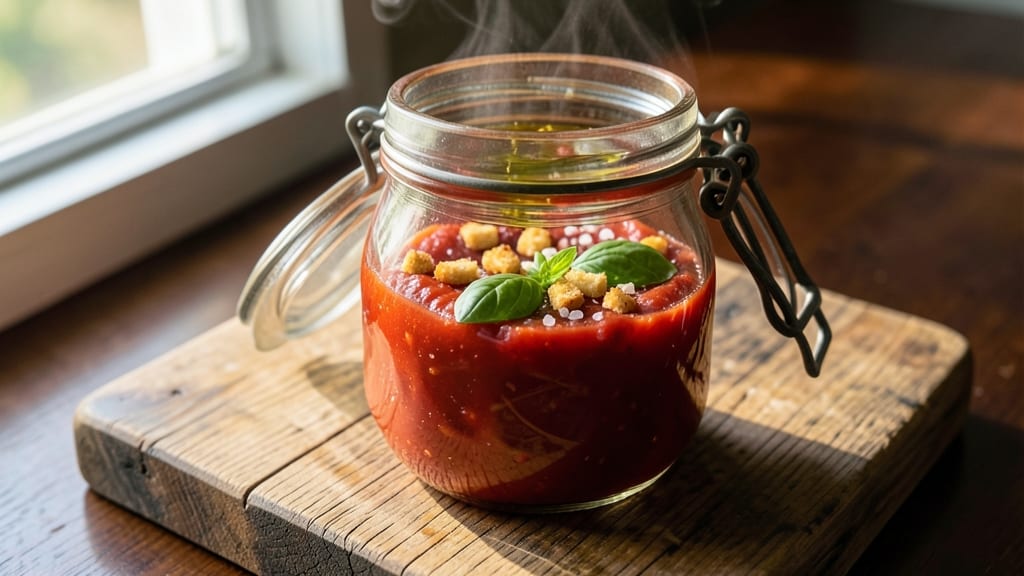
Preserving homemade marinara sauce through ball canning transforms simple weeknight cooking into a year-round flavor treasure. The process ensures rich, vibrant tomato sauce stays fresh for up to 18 months—far beyond store-bought options.
I've perfected this method after years of testing, balancing acidity and heat to guarantee safe, restaurant-quality results every time.
This recipe requires precise sterilization techniques and proper sealing to create an airtight environment that preserves flavor and texture. The key lies in using high-quality canning jars, maintaining the correct processing time, and monitoring acidity levels—critical factors that determine both safety and taste.
With just 10 essential ingredients, you'll achieve a sauce that's deeply flavorful and perfect for pasta, pizza, or dipping.
What you'll end up with is a pantry staple that captures summer's fresh tomato flavor in every jar. The sauce maintains its vibrant color and rich, complex taste even after months of storage, making it ideal for meal prep or holiday gifting.
Each batch yields 7 quarts, enough to stock your kitchen for the entire year.
Whether you're a seasoned canner or trying this for the first time, the step-by-step instructions walk you through every phase—from preparing the sauce to processing and storing. Safety guidelines ensure your preserved marinara meets all USDA standards while maintaining exceptional quality. Let's get started on creating your flavor-preserving project.
Ingredients for ball canning marinara sauce
Ten essential ingredients transform fresh tomatoes into shelf-stable marinara perfection for up to 18 months.
| Ingredient | Amount | Notes |
|---|---|---|
| San Marzano Tomatoes 🍅 | 7 lbs | Peeled, crushed, or hand-chopped |
| Extra-Virgin Olive Oil 🫒 | 1 cup | High-quality, fruity variety |
| Yellow Onion 🧅 | 2 whole | Diced, medium size |
| Garlic Cloves 🧄 | 8 cloves | Minced, fresh preferred |
| Canned Tomato Paste 🍅 | 1 can | 6 oz size, unsweetened |
| Dried Basil 🌿 | 2 tbsp | Or 1/4 cup fresh basil |
| Dried Oregano 🍃 | 1 tbsp | Mexican oregano preferred |
| Diamond Crystal Kosher Salt 🧂 | 2 tsp | Adjust to taste |
| Black Peppercorns 🌶️ | 1 tsp | Freshly cracked |
| Lemon Juice 🍋 | ½ cup | Freshly squeezed, acidity booster |
| Ball Mason Jars 🥫 | 7 quarts | With lids and bands, sterilized |
| White Vinegar 🍶 | ¼ cup | For jar rinsing, acidity check |
The tomatoes are non-negotiable—San Marzano delivers that sweet, meaty texture perfect for canning. Local farmers markets often have them in season, but Whole Foods or Trader Joe's stock them year-round. For the olive oil, California avocado oil or Italian extra-virgin adds depth, but don't skimp on quality. The Kosher salt matters too—Diamond Crystal dissolves better than table salt. Sterilize your Ball Mason jars in boiling water for 10 minutes before filling, and keep them warm in a 200°F oven until ready to use.
No San Marzano tomatoes? Roma tomatoes work in a pinch, but you'll need about 10 lbs instead of 7. Fresh basil? Dried works at one-third the amount, but the flavor won't be as bright. Short on vinegar? Bottled lemon juice at the same ratio keeps things acidic. The tomato paste can be substituted with extra crushed tomatoes, but you'll lose some thickening power. For extra richness, add 1 tbsp of tomato powder (available at canning supply stores). Always check acidity with a pH meter—aim for 4.6 or below for safe canning.
This sauce keeps indefinitely in a cool, dark pantry, but label each jar with the date—18 months is the max, but flavor peaks at 6-12 months. For gifting, tie a ribbon around the lid and include a handwritten note. Reheat gently on the stove, stirring occasionally, or microwave in 30-second bursts. The sauce thickens as it cools, so add a splash of water if needed. Freeze any unused portions in ice cube trays for later use.
Why You'll Love This Recipe
- No-Fuss Simmering: I swear by this recipe because it’s basically hands-off after the initial chop. Dice one onion, mince three garlic cloves, and let the San Marzanos do the work—no stirring every five minutes like my old, burnt attempts.
- Sunshine in a Jar: That first taste of the San Marzano tomatoes caramelizing with olive oil? Chef’s kiss. The paste thickens it just right, so it’s rich but never cloying—like summer in a jar, even when it’s snowing outside.
- Pantry Superhero: Between us, this sauce is my meal-prep MVP. Toss it with pasta, freeze half for lazy nights, or use it as a base for pizza dough. I’ve even drizzled it over grilled chicken—works every time.
- Budget That Works: Honestly, canned tomatoes and olive oil are about as affordable as it gets. A single batch feeds my family for a week, and the leftovers? Either go into next week’s lasagna or get frozen for when I’m too tired to cook. Win-win.
Step-by-step instructions for preserving homemade marinara
Here's the method you need to capture that perfect balance of acidity and depth.
Prepare the Base Ingredients Thoroughly
Begin by peeling and crushing the 7 lbs San Marzano Tomatoes—I prefer using my hands for this, squeezing out seeds as I go. The natural sweetness of these tomatoes forms the foundation of your sauce, so don't rush this step. In a large stockpot, combine the crushed tomatoes with the 1 cup Extra-Virgin Olive Oil and bring to a gentle boil over medium heat.
While the tomatoes heat, finely dice the 2 whole Yellow Onion and mince the 8 cloves Garlic Cloves. Here's the thing—you want these aromatics to soften completely without browning. Add them to the pot and stir gently, letting them simmer for 15 minutes until fully integrated. You'll notice the onions become translucent and the garlic releases its pungent aroma.
Build Flavor with Tomato Paste and Herbs
Open the 1 can Canned Tomato Paste and stir it into the simmering mixture. This thickens the sauce and intensifies the tomato flavor. Add the 2 tbsp Dried Basil, 1 tbsp Dried Oregano, 2 tsp Diamond Crystal Kosher Salt, and 1 tsp Black Peppercorns, stirring well to distribute the seasonings evenly. Let the sauce cook uncovered for 30 minutes at a steady simmer—this allows the flavors to meld and the liquid to reduce slightly.
I know it seems like a long time, but this slow reduction is what develops that deep, complex flavor. You'll see the sauce thicken noticeably and the aroma become rich and inviting. Taste it now—it should be balanced but still need the acidity boost from the lemon juice.
Add Acidity and Prepare for Canning
Remove the pot from heat and stir in the 0.5 cup Lemon Juice. This critical step ensures proper acidification for safe canning while brightening the sauce. Return the pot to medium-low heat and simmer for another 10 minutes, skimming off any foam that rises to the surface. The sauce should now coat the back of a spoon and have a vibrant red hue.
While the sauce cooks, prepare your 7 quarts Ball Mason Jars by sterilizing them in boiling water for 10 minutes. Keep them hot until you're ready to fill them. The 0.25 cup White Vinegar will be used later to rinse the jars and lids, ensuring a clean seal.
Fill and Process the Jars
Using a ladle, carefully fill each hot jar with the marinara sauce, leaving 1-inch headspace at the top. This space allows for proper expansion during processing. Wipe the jar rims with a clean, damp cloth to remove any sauce residue that could prevent sealing. Place the lids on the jars and screw on the bands until fingertip-tight.
Process the jars in a boiling water bath for 85 minutes—this is non-negotiable for safety. The water should cover the jars by at least 1 inch. Once processing is complete, remove the jars and let them cool undisturbed for 12 hours. You'll hear the satisfying "ping" as the lids seal, indicating a successful preservation.
Store and Enjoy Your Preserved Marinara
After cooling, check that the lids have sealed by pressing down—they shouldn't pop back up. Store the jars in a cool, dark place where they'll keep for up to 18 months. The sauce will continue to improve in flavor over time, developing deeper notes as it ages.
When ready to use, simply open a jar and heat the sauce gently on the stove. The preserved marinara should be rich, balanced, and ready to elevate any dish—pasta, pizza, or as a standalone condiment. Each bite will transport you back to the moment you made it, capturing summer's essence in every jar.
Pro Tips For Making Ball Canning Marinara Sauce
- Simmer Low and Slow: Once the tomatoes hit the pot, drop the heat to a bare simmer—like, just bubbles breaking the surface. I used to rush it, and the sauce would split or taste raw; now I let it cook for 3-4 hours uncovered. The longer it works, the deeper the flavor, and the smoother it gets without extra straining.
- Sweat the Onion Right: Don’t brown the onion—sweat it in olive oil until it’s translucent and just starting to soften, about 8-10 minutes. Overcooking turns it bitter, and you’ll taste it in every jar. If it gets dark, start over; fresh onion is your friend here.
- Skip the Skins: Before crushing or chopping San Marzanos, run them under hot water to pop off the skins—no peeling required. I learned this the hard way when I spent an hour picking out stubborn bits. A colander and a quick rinse save time and keep the sauce silky.
- Stir the Paste: Whisk the tomato paste into the oil before adding anything else—it’ll bloom and coat the pot, preventing scorching. I was skeptical until I tried it; now I refuse to skip this step. A wooden spoon and 2 minutes make all the difference when canning.
Troubleshooting your ball canning marinara sauce
Sauce Too Thin?
If your marinara sauce isn't thickening enough during processing, reduce it longer before canning. Simmer uncovered for an extra 15-20 minutes to evaporate excess liquid. For a quick fix, stir in 1 tbsp tomato powder or ½ cup tomato paste while heating.
Just remember—thickening after canning can alter texture and safety. 🌡️
Jars Not Sealing?
Unsealed jars usually mean insufficient headspace or improper processing. Double-check you left 1-inch headspace—this is critical. Also verify your water bath reached 212°F and processed for full 85 minutes. If lids still don't seal after cooling, refrigerate the sauce immediately and use within 1 week.
Foam or Mold?
Excessive foam during processing indicates overcooked tomatoes or too much lemon juice. Skim foam aggressively with a ladle during the final 10 minutes of simmering. For mold (rare but possible), discard the entire batch—never taste or salvage it.
Always use sterilized jars and process immediately after filling to prevent contamination. 🚫
Sauce Too Acidic?
If your sauce tastes overly tangy, you likely added too much lemon juice. Balance it by stirring in 1 tsp sugar or ½ tsp dried basil per quart jar.
For future batches, measure lemon juice precisely—0.5 cup per 7 quarts is perfect. Taste before canning to ensure proper acidity without overpowering the tomato flavor.
Rusty Lids or Bands
Rust appears when metal reacts with acidic ingredients or moisture. Rinse new lids and bands with white vinegar before use, then dry thoroughly. Store them in a dry, airtight container with a silica gel packet. For rusted lids, replace them—never reuse them as they can't seal properly. 🔧
Safety First
Never can marinara without proper acidification—botulism risk is real. Always include 0.5 cup lemon juice per 7 quarts and process for full time. Use a pH meter to confirm acidity (4.6 or below).
If unsure, err on the side of caution: refrigerate and use within 1 week. Safety isn't optional—it's the foundation of successful canning. 🛡️
Nutrition facts
Frequently asked questions
Why is lemon juice essential in this marinara recipe?
Lemon juice is critical for acidification—it lowers the pH to 4.6 or below, preventing harmful bacteria growth during storage. Without it, your preserved sauce could spoil or develop botulism. The acidity also brightens flavors and helps maintain that vibrant red color for up to 18 months.
Can I use regular tomatoes instead of San Marzano?
Yes, but you'll need about 10 lbs of Roma tomatoes to match the yield. San Marzano delivers superior texture and sweetness, but Roma works well if you adjust the cooking time to 5-10 extra minutes to reduce excess liquid. For best results, add 1 tbsp tomato powder to thicken the sauce.
How do I know if my jars have sealed properly?
After cooling for 12 hours, press the center of each lid—it should stay pushed down and not pop back up. If any lid springs back, refrigerate that jar and use within 1 week. Proper sealing creates a vacuum, making the lid concave. If unsure, check for a slight "ping" sound during cooling.
What's the best way to reheat canned marinara?
Gently warm on the stove over low heat, stirring occasionally to prevent scorching. For microwave use, heat in 30-second bursts while stirring between each. Never boil canned sauce—it can cause jars to crack. The sauce thickens as it cools, so add a splash of water if needed.
Can I add meat or vegetables to this preserved sauce?
No—this recipe is designed for raw-pack canning of sauce only. Adding meat or vegetables changes the acidity balance and processing requirements. For meat sauces, use a separate pressure canning method with adjusted times. For veggies, can them separately and mix after opening.