
Sauces & Condiments
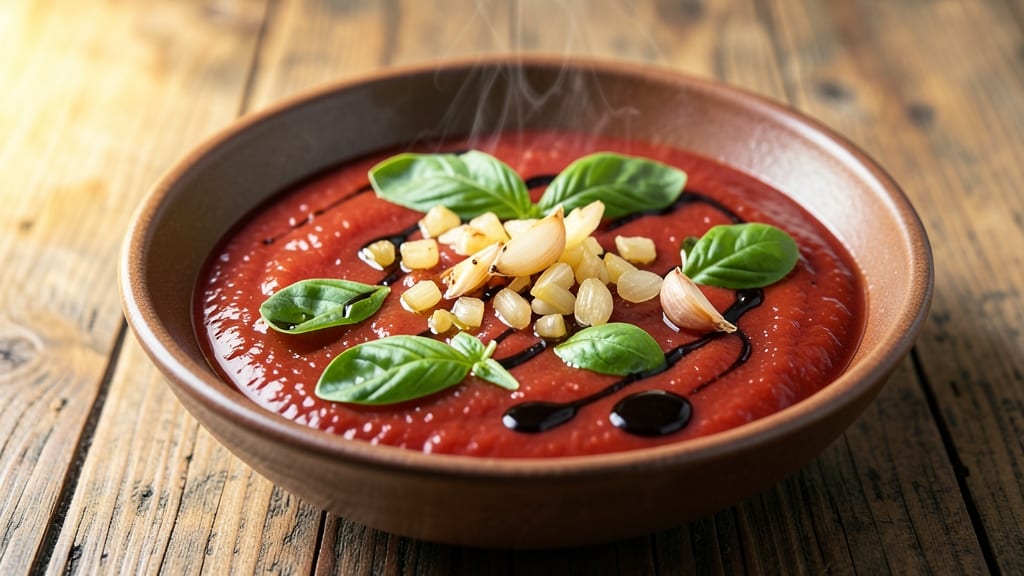
This award-winning marinara sauce recipe transforms simple ingredients into a velvety, herb-infused sauce that rivals restaurant-quality. The secret lies in slow simmering and fresh basil, creating a balanced blend of sweet, tangy, and aromatic flavors that elevate any dish.
What sets this sauce apart is the careful balance of garlic, onions, and a touch of balsamic vinegar, which deepens the complexity without overpowering the natural tomato taste.
Perfect for pizza, pasta, or as a dipping sauce, this marinara delivers rich, velvety texture with every spoonful. The recipe uses high-quality canned tomatoes and fresh herbs to ensure vibrant flavor, while a 30-minute simmer allows the ingredients to meld seamlessly.
Unlike store-bought versions, this sauce develops layers of depth that make it unforgettable.
What makes this sauce truly special is its versatility—use it as a base for lasagna, toss it with al dente pasta, or drizzle it over grilled meats. The herb-infused freshness stays bright even after reheating, thanks to the fresh basil added at the end.
Once you taste this, you’ll never settle for anything less than homemade again.
With just 10 simple ingredients, this marinara comes together effortlessly, yet the result is restaurant-quality. The slow cooking process ensures a smooth, rich sauce that’s perfect for meal prep or serving fresh.
Store it in the fridge for up to 5 days or freeze for longer shelf life—it only gets better with time.
Ingredients for award winning marinara sauce
Ten quality ingredients transform into restaurant-quality marinara with velvety texture and herb-infused freshness.
| Ingredient | Amount | Notes |
|---|---|---|
| Extra-Virgin Olive Oil 🫒 | 2 tbsp | For sautéing onions and garlic |
| Yellow Onion 🧅 | 1 whole | Finely diced, about 1 cup |
| Garlic Cloves 🧄 | 4 cloves | Minced for aromatic base |
| Canned San Marzano Tomatoes 🍅 | 28 oz | Crushed by hand, seeds removed |
| Balsamic Vinegar 🍷 | 1 tbsp | For depth of flavor |
| Fresh Basil Leaves 🌿 | ½ cup | Packed, stems removed |
| Dried Oregano 🍃 | 1 tsp | Or 1 tbsp fresh oregano |
| Salt 🧂 | 1 ½ tsp | Diamond Crystal kosher salt |
| Black Pepper 🌶️ | ½ tsp | Freshly ground preferred |
| Granulated Sugar 🍬 | 1 tsp | Balances acidity |
The tomatoes make or break this sauce. San Marzano is the gold standard—sweet, meaty, and low-acid—but any high-quality canned tomatoes work. Look for brands labeled 'whole peeled' at Whole Foods or Trader Joe's for the best flavor. Fresh basil is non-negotiable for that bright herbaceous note, but if you're using dried, reduce to one-third the amount—it's potent stuff. The olive oil should be extra-virgin with a fruity aroma; anything labeled 'light' won't cut it here. For the garlic, peel and mince fresh cloves—jarred minced garlic has a metallic aftertaste that ruins the sauce.
No balsamic vinegar? Red wine vinegar at half the amount works in a pinch, though it lacks that caramelized depth. Substituting dried oregano? Use one-third the amount of fresh oregano leaves instead. Running low on sugar? A splash of tomato paste (1 tbsp) adds sweetness and thickness. The onions can be swapped for leeks or shallots if you prefer a milder flavor. For a smokier profile, add 1/4 tsp smoked paprika with the dried oregano. And if you're prepping ahead, freeze the sauce in ice cube trays for perfect single-serving portions later.
This sauce tastes even better the next day as flavors meld. Store in an airtight container in the fridge for up to 5 days, or freeze for up to 3 months. The basil wilts quickly, so add it fresh at the end—just before serving. For meal prep, make a double batch and freeze half immediately. When reheating, cover with a splash of water to prevent skin formation. The sauce thickens as it cools, so stir in 1-2 tbsp water if it's too stiff after refrigeration.
Why You'll Love This Recipe
- Five-Ingredient Magic: I swear by this—just olive oil, onions, garlic, San Marzano tomatoes, and a splash of balsamic. That’s it. No fancy gadgets, no last-minute grocery runs. Honestly, the pantry version of this is just as good as the one I make when I’m feeling fancy.
- Deep, Rich Umami: The slow simmer with those San Marzano tomatoes? It’s like they’re whispering secrets to the sauce. That balsamic vinegar twist ties it all together—sweet, tangy, and just a little complex. Not too heavy, not too light—exactly what you want on pasta or pizza.
- Weeknight to Dinner Party: This sauce is my secret weapon for lazy nights and when I’m hosting. Toss it with spaghetti for a 20-minute dinner, use it as a pizza base, or even drizzle it over grilled chicken. Between us, I’ve had people ask for the recipe after one bite—no pressure, but it works.
- Budget-Friendly Goldmine: A single can of tomatoes stretches into meals for days, and the rest of the ingredients? Basic. I make a double batch on Sundays, freeze half, and still have leftovers for lunch. My wallet and my taste buds thank me every time. (Yes, even on a Tuesday night.)
Step-by-step instructions for award-winning marinara sauce
This method delivers a velvety-smooth sauce with bright herb notes and perfect balance every time.
Sauté Onions Until Translucent
Heat the 2 tablespoons extra-virgin olive oil in a medium saucepan over medium-low heat. Add the 1 whole yellow onion, finely diced, and cook for 8-10 minutes until completely soft and translucent. Stir occasionally to prevent browning—you're building flavor, not color at this stage.
I like to press down gently on the onions with a wooden spoon during the last 2 minutes. This helps break them down further and creates a smoother texture in the finished sauce. The onions should be completely tender with no resistance when pierced with a fork.
Add Garlic and Cook Until Fragrant
Push the onions to one side of the pan and add the 4 minced garlic cloves to the empty space. Cook for 30-45 seconds until the garlic turns golden and releases its aroma—this prevents bitter flavors. Stir constantly during this time to avoid burning.
Here's the thing—garlic burns faster than you think. If it starts to darken, remove the pan from heat for 10 seconds to let it cool slightly before continuing. The goal is nutty, sweet garlic flavor, not bitter char.
Build the Tomato Base
Pour in the 28 ounces crushed San Marzano tomatoes (with seeds removed) and stir to combine with the onions and garlic. Add the 1 tablespoon balsamic vinegar, 1 teaspoon granulated sugar, 1.5 teaspoons salt, and 0.5 teaspoon black pepper. Bring to a gentle simmer over medium heat, then reduce to low heat and let it cook uncovered for 20-25 minutes.
This slow cooking time allows the natural sweetness of the tomatoes to develop while the acidity mellows. Stir occasionally to prevent skin formation, and taste after 15 minutes—add more salt if needed. The sauce should thicken slightly but remain smooth, not pasty.
Finish with Fresh Basil and Herbs
Remove the pan from heat and stir in the 0.5 cup packed fresh basil leaves and 1 teaspoon dried oregano. Let the sauce sit off heat for 5 minutes to allow the basil to infuse its bright flavor. Then return to low heat for 2-3 minutes to warm through completely.
I always taste at this stage to adjust seasoning. The basil adds freshness, but if the sauce tastes flat, a pinch more salt or a splash of balsamic vinegar can elevate it. The sauce should be balanced—sweet from the tomatoes, tangy from the vinegar, and herbaceous from the basil.
Rest and Serve
Transfer the sauce to a clean bowl and let it rest at room temperature for 10-15 minutes before serving. This resting period allows flavors to meld and the texture to settle into its velvety perfection.
Serve immediately over pasta, or store in an airtight container in the refrigerator for up to 5 days. For the best texture, reheat gently on the stove—never microwave, as it can break down the sauce's delicate structure. The result? A restaurant-quality marinara that's smooth, flavorful, and herb-infused—just like the award winners.
Pro Tips For Making Award Winning Marinara Sauce
- Sweat the Onion First: I learned this the hard way—chopping onions and tossing them raw into the pot just makes your sauce taste raw. Instead, cook them in olive oil over medium-low heat until they’re translucent and just starting to caramelize (about 8-10 minutes). That’s when they release their sweetness and depth, not when they’re still crunchy.
- Crush the Tomatoes by Hand: San Marzano cans are already peeled, but crushing them with your fingers (yes, even if you’re impatient like me) makes a real difference. The broken skins release more juice and body into the sauce, giving it that velvety texture award-winning versions have. Skip the blender—your wrists will thank you later.
- Add Balsamic Early, Not Late: Sounds weird, but it works: stir in the balsamic vinegar with the garlic, not at the end. The acid needs time to mellow and integrate into the sauce, not just sit on top like a sad afterthought. Let it simmer along with the tomatoes for at least 15 minutes—your taste buds will notice the difference.
- Simmer Low and Slow: High heat = bitter, chunky sauce. Low and slow (think 30-45 minutes on medium-low) lets the flavors meld and the tomatoes break down into a smooth, rich consistency. If you’re in a rush, at least bring it to a gentle simmer first, then drop the heat until bubbles are tiny and lazy. Patience here guarantees a restaurant-quality result.
Make-ahead tips for this award winning marinara sauce
Batch Prep Strategy
Make a double batch of this marinara sauce and freeze half immediately in quart-sized freezer bags. Flatten the bags to save space and label with the date—this sauce tastes even better after 2-3 days of refrigeration or 1 month frozen.
I use heavy-duty freezer bags from Reynolds because they prevent freezer burn and stack neatly in the freezer drawer. 💫
Portion Control
For easy meal prep, freeze the sauce in ice cube trays—each cube makes a perfect single-serving portion for pasta or pizza. Once frozen, transfer cubes to a labeled ziplock bag and store for up to 3 months.
When ready to use, simply pop out a cube and reheat in a small saucepan with 1 tablespoon water to restore its velvety texture. This method eliminates waste and ensures you always have fresh-tasting sauce on hand.
Thawing Techniques
Thaw frozen marinara in the fridge overnight for the best texture, or use the quick thaw method: Place the sealed bag in a bowl of cool water for 20-30 minutes. Never thaw at room temperature—this can promote bacterial growth.
For frozen cubes, simply drop them directly into a simmering pot of pasta water or saucepan with 1 tablespoon water to reheat. The sauce will thicken as it cools, so add a splash of water if needed.
Long-Term Storage
This sauce keeps its vibrant flavor in the freezer for up to 3 months. To maintain quality, remove as much air as possible before sealing—use a straw to suck out air from freezer bags before closing.
For refrigerator storage, keep in an airtight glass container (like Pyrex) and consume within 5 days. The sauce may thicken slightly after refrigeration, so stir in 1-2 tablespoons water before reheating to restore its smooth consistency. 🧊
Reheating Secrets
Always reheat marinara sauce gently on the stove over low-medium heat to preserve its texture. Cover the pot and let it simmer for 5-7 minutes, stirring occasionally. Avoid high heat, which can break down the sauce's delicate structure.
For extra richness, add 1 teaspoon olive oil while reheating. If the sauce seems too thick after refrigeration, thin it with 1-2 tablespoons water or pasta water while reheating. Never microwave—it creates a skin and dulls the flavors.
Flavor Preservation
To keep the sauce bright and herbaceous, add fresh basil just before serving or reheating. The basil wilts quickly when cooked, so save some for garnishing. For extra depth, stir in 1 teaspoon balsamic vinegar during reheating.
If the sauce tastes flat after storage, a pinch of salt or black pepper can revive it. The key to long-term flavor is proper storage—always use airtight containers and minimize exposure to air. 🌿
Nutrition facts
Frequently asked questions
Can I substitute fresh tomatoes for canned in this recipe?
Fresh tomatoes work but require extra prep. Use 3-4 large ripe tomatoes, roasted at 400°F for 20 minutes until soft, then peeled and blended. This gives similar texture, though canned San Marzano tomatoes provide more consistent sweetness and acid balance. Fresh versions need 1 extra teaspoon sugar to compensate for lower natural sweetness.
Why does my homemade marinara taste better after refrigeration?
The flavors deepen as the sauce rests! Cold temperatures allow the acidity and sweetness to fully meld, while the starches in tomatoes thicken naturally. The basil's aromatic oils also settle, creating that restaurant-quality depth. For best results, always let fresh sauce rest 10-15 minutes before tasting.
How do I make this sauce spicier without losing its balance?
Add ½ teaspoon red pepper flakes with the dried oregano, or 1 teaspoon hot honey at the end. For smoky heat, stir in ¼ teaspoon smoked paprika during the simmer. Always taste first—start small, as heat builds during storage. A pinch of cayenne can be adjusted more precisely than fresh peppers.
Can I use this sauce raw, like in bruschetta?
Not recommended—raw tomatoes and basil can cause food safety issues. Instead, blend the cooked sauce with 1 tablespoon olive oil and 1 clove roasted garlic for a fresh spread. For true bruschetta flavor, use the recipe's fresh basil and tomato combination but cook it briefly (5 minutes) to pasteurize.
What's the secret to making this sauce thicker for lasagna?
Simmer uncovered for 5 extra minutes to reduce, or stir in 1 tablespoon tomato paste during the final 10 minutes of cooking. For lasagna specifically, blend ¼ cup of the sauce separately with 1 egg yolk and 2 tablespoons grated Parmesan to create a rich topping sauce that won't water down your cheese layers.