
Sauces & Condiments
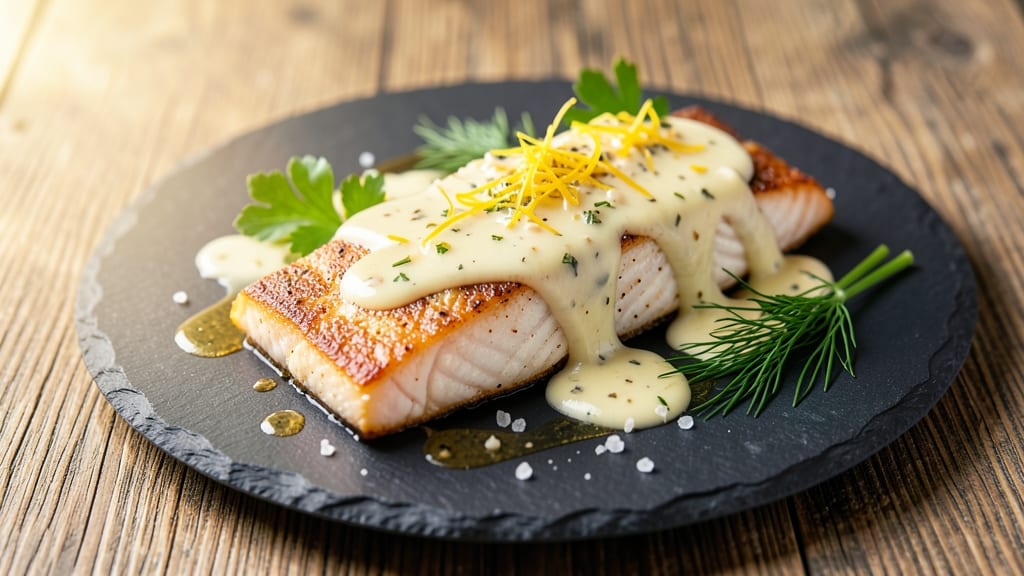
This baked cod sauce recipe transforms simple ingredients into a velvety lemon-herb butter that clings perfectly to flaky fish. The secret lies in balancing rich butter with bright lemon and fresh herbs, creating a sauce that enhances rather than overpowers the delicate cod.
Professional chefs rely on this technique to elevate seafood dishes without complicated steps.
What sets this sauce apart is its simplicity—just a handful of ingredients that come together in minutes. The butter provides richness while lemon juice and herbs add brightness and freshness. A touch of white wine reduces into a silky base that coats every flake of cod beautifully.
The result is a sauce that's light yet flavorful, ideal for baked or pan-seared fish.
Once you taste this sauce melting over tender cod, you'll understand why it's a restaurant favorite. The combination of citrus and herbs cuts through the richness of the butter, creating a harmonious balance that complements the natural sweetness of the fish.
Perfect for weeknight dinners or special occasions, this sauce turns simple baked cod into a gourmet experience.
The best part? This sauce can be prepared ahead of time and reheated gently, making it perfect for meal prep. Whether you're serving it with cod or other white fish, the flavors will shine through every bite.
Let's create this elegant sauce that will impress even the most discerning seafood lovers.
Ingredients for baked cod sauce
Just ten ingredients transform into a velvety sauce that clings to cod like a dream.
| Ingredient | Amount | Notes |
|---|---|---|
| Unsalted Butter 🧈 | ¾ cup | Cold, cubed for even melting |
| Fresh Lemon Juice 🍋 | ¼ cup | Freshly squeezed, seeds removed |
| Fresh Parsley Leaves 🌿 | ½ cup | Finely chopped, stems removed |
| Fresh Dill Weeds 🌿 | ¼ cup | Finely chopped, stems removed |
| Dry White Wine 🍷 | ¼ cup | Sauvignon Blanc preferred |
| Garlic Cloves 🧄 | 3 cloves | Minced, for depth of flavor |
| Shallot 🧅 | 1 whole | Finely minced, for subtle sweetness |
| Heavy Cream 🥛 | ¼ cup | Full-fat for richness |
| Salt 🧂 | ½ tsp | Diamond Crystal kosher salt |
| Black Pepper 🌶️ | ¼ tsp | Freshly ground for best flavor |
The butter is the foundation here—European-style unsalted makes all the difference. Plugrá or Kerrygold are my go-tos, but any good-quality brand works. Keep it cold when adding it to the pan so it melts slowly and creates that silky emulsion. The lemon juice? Freshly squeezed is non-negotiable—bottled juice lacks the brightness. For the herbs, I always grab extra parsley and dill because they wilt fast once chopped. Whole Foods or Trader Joe's have the freshest stashes, but even the grocery store stuff works if you use it right away. The shallot adds subtle sweetness—don't skip it, but don't overdo the mincing either.
No white wine? Dry vermouth or chicken stock works in a pinch, but the alcohol helps create that silky texture. Fresh herbs? Dried parsley or dill at one-third the amount gets you close, though nothing beats the fresh stuff. The heavy cream adds richness without overpowering—full-fat is essential here. Want extra brightness? Add a pinch of lemon zest with the juice. For a lighter version, swap half the cream for light cream or coconut milk. The garlic and shallot can be pre-minced to save time, but freshly minced always tastes better.
This sauce reheats beautifully—just warm it gently with a splash of water or lemon juice. Keeps 3-4 days in the fridge, covered with plastic wrap pressed directly on the surface. For longer storage, freeze in ice cube trays with a splash of water—thaw and reheat for perfect consistency. I always make a double batch because it disappears fast. The leftovers? Drizzle over grilled shrimp or steamed asparagus—it's that good.
Why You'll Love This Recipe
- No-Fuss Assembly: This sauce comes together while the cod bakes—just melt butter, deglaze with wine, and toss in herbs. I swear, the hardest part is waiting for the oven timer.
- Bright & Buttery Magic: That lemon juice cuts through the richness of the butter, while the dill and parsley add a fresh herbal punch. It’s the kind of flavor that makes you forget it’s "just" a sauce.
- Weeknight to Dinner Party: Use it over flaky cod for a simple dinner, drizzle it on roasted veggies for a side, or serve it with crusty bread when guests drop by. Honestly, it’s my go-to for any occasion.
- Leftovers That Don’t Suck: The wine keeps it from getting bland, and the butter makes it rich enough to reheat without drying out. I’ve had this sauce last four days in the fridge—still delicious.
Step-by-step instructions for lemon-herb butter that melts on flakes
Here's how to create this luxurious sauce that transforms simple baked cod into a restaurant-worthy dish.
Melt the Butter and Build the Flavor Base
In a medium saucepan over medium-low heat, melt the 0.75 cup unsalted butter until it's completely liquid but not browned. This gentle heat prevents burning while allowing the butter to fully incorporate. Add the finely minced shallot and cook for 2-3 minutes until translucent and just beginning to soften.
Here's the thing—don't rush this step. You want the shallot to sweeten slightly without coloring. Add the 3 cloves minced garlic and cook for another 30 seconds until fragrant but not browned. That garlic aroma will become the backbone of your sauce, so let it develop fully.
Deglaze with Wine and Add Herbs
Pour in the 0.25 cup dry white wine and immediately scrape up any browned bits from the bottom of the pan with a wooden spoon. This deglazing step captures all the flavor you've built so far. Let the wine simmer for 2-3 minutes until reduced by about half—you'll see the liquid thicken slightly and the alcohol aroma dissipate.
Reduce heat to low and stir in the 0.5 cup finely chopped parsley leaves and 0.25 cup finely chopped dill weeds. The herbs will infuse their bright flavors into the butter as it melts. Let the mixture simmer gently for 1 minute to allow the flavors to meld together. You'll notice the sauce becoming more aromatic and vibrant in color.
Finish with Lemon and Cream
Remove the pan from heat and stir in the 0.25 cup fresh lemon juice and 0.25 cup heavy cream. The acidity from the lemon brightens all the flavors while the cream adds richness. Season with the 0.5 tsp salt and 0.25 tsp black pepper, then return the pan to low heat just to warm through—about 1 minute—without letting it boil.
This is the moment that matters: the sauce should be silky and just thick enough to coat the back of a spoon. If it's too thick, whisk in 1-2 teaspoons of hot water to reach your desired consistency. The perfect sauce will be glossy with visible herb flecks and a delicate lemon aroma that makes your mouth water.
Rest and Serve Over Cod
Transfer the sauce to a small bowl and cover with plastic wrap, pressing the wrap directly onto the sauce to prevent a skin from forming. Let it rest at room temperature for 10 minutes—this allows all the flavors to fully integrate and the sauce to reach its ideal texture.
When ready to serve, gently reheat the sauce over low heat for 30 seconds just to warm through. Spoon this luxurious lemon-herb butter over your perfectly baked cod fillets, letting it melt and coat every flake. The sauce should pool beautifully on the plate, ready to be spooned over each portion for that restaurant-quality finish.
Pro Tips For Making Baked Cod Sauce
- DEGLAZE THE PAN: Use the same pan you cooked the cod in—scrape up every last bit of browned bits before adding wine. That’s where the flavor lives, and skipping it means a sauce that tastes like it’s missing something.
- STRAIN THE HERBS: Chop parsley and dill fine, then strain the sauce through a sieve after cooking. Whole stems make the sauce look messy, and you don’t want to bite into a herb while eating. (Yes, I’ve done it.)
- LOW AND SLOW: Simmer the sauce on medium-low heat—high heat turns wine into vinegar and burns butter. If it smells sharp or bitter, you’ve gone too far. Keep it gentle, like a quiet conversation.
- SALT THE BUTTER: Toss a pinch of salt into the melted butter before adding it to the sauce. Unsalted butter is a flavor ghost without it, and you’ll end up chasing salt later. Trust me, your taste buds will notice.
Best sauces and condiments for this baked cod sauce
Classic Lemon-Herb Base
This sauce starts with a bright, herby foundation that makes all the difference. The combination of 0.5 cup parsley and 0.25 cup dill creates a fresh, aromatic profile that pairs perfectly with cod. I always use fresh herbs—they add vibrant color and flavor that dried herbs simply can't match.
For extra brightness, add a pinch of lemon zest along with the juice. The 0.25 cup white wine in the recipe helps balance the richness of the butter while adding depth. 🍋
Creamy Butter Variations
Want a richer sauce? Add an extra 0.25 cup heavy cream for a velvety texture that clings beautifully to flakes. For a lighter version, swap half the butter for olive oil—it still delivers richness but with fewer calories.
I've also made a dairy-free version using coconut milk instead of cream, which works surprisingly well. The key is maintaining that perfect balance between richness and acidity.
Wine and Stock Swaps
No white wine? A splash of dry vermouth or fish stock works perfectly—both add depth without overpowering. For a non-alcoholic option, use lemon juice mixed with a pinch of sugar to mimic the acidity.
The wine reduction step is crucial for creating that silky texture, so don't skip it if possible. If you must substitute, use a 1:1 ratio of your chosen liquid to the wine called for in the recipe.
Herb Substitutions
Can't find fresh dill? Try tarragon or chives for a similar freshness. For parsley, cilantro adds a different but exciting twist. If you're using dried herbs, reduce the amount to one-third of what's called for in the recipe.
Fresh herbs always win, but dried will get you close in a pinch. The flavor intensity changes, but the sauce will still complement your cod beautifully.
Spicy and Tangy Twists
Add a pinch of red pepper flakes or a dash of hot sauce for a spicy kick that cuts through the richness. For extra tang, stir in 1 teaspoon capers or a splash of pickle juice at the end.
These additions elevate the sauce from simple to extraordinary while keeping the preparation effortless. The capers add a briny note that pairs wonderfully with the lemon and herbs. 🌶️
Make-Ahead and Storage
This sauce reheats beautifully—just warm it gently with a splash of water or lemon juice. Store it in the fridge for up to 4 days, covered tightly with plastic wrap pressed directly on the surface.
For longer storage, freeze in ice cube trays with a splash of water—thaw and reheat for perfect consistency. I always make a double batch because it disappears fast. The leftovers? Drizzle over grilled shrimp or steamed asparagus—they're just as delicious as they are with cod. ❄️
Nutrition facts
Frequently asked questions
Can I use this sauce with other types of fish besides cod?
This lemon-herb butter sauce works beautifully with halibut, sea bass, or even salmon. The bright citrus and herbs complement delicate white fish perfectly, while the richness balances the flavor of richer fish like salmon. For salmon, you might reduce the lemon slightly to avoid overpowering its natural oils.
How do I prevent the sauce from separating when reheating?
Always reheat the sauce gently over low heat and add a splash of lemon juice or water (1-2 teaspoons) to help re-emulsify the butter. Never let it boil—just warm until it reaches 160°F. Stir constantly and remove from heat as soon as it's warm through. The sauce should be glossy, not grainy.
What if I don't have white wine? Can I substitute something else?
Yes! Use dry vermouth (1:1 ratio) for similar depth, or fish stock for a richer flavor. For a non-alcoholic option, mix lemon juice with a pinch of sugar to mimic the acidity. The key is maintaining that 2-3 minute reduction to create the silky texture.
Can I make this sauce ahead of time?
This sauce is perfect for meal prep! Store it in the fridge for up to 4 days, covered tightly with plastic wrap pressed directly on the surface. For longer storage, freeze in ice cube trays with a splash of water—thaw and reheat gently for perfect consistency. The flavors actually improve overnight as everything melds together.
Why does my sauce taste too buttery? How can I balance the flavors?
Add more lemon juice (another tablespoon) or herbs to brighten the sauce. A splash of white wine or vinegar (1 teaspoon) will cut through the richness. The sauce should have a harmonious balance where you can taste all components—lemon, herbs, and butter—without any single flavor dominating.