
Sauces & Condiments
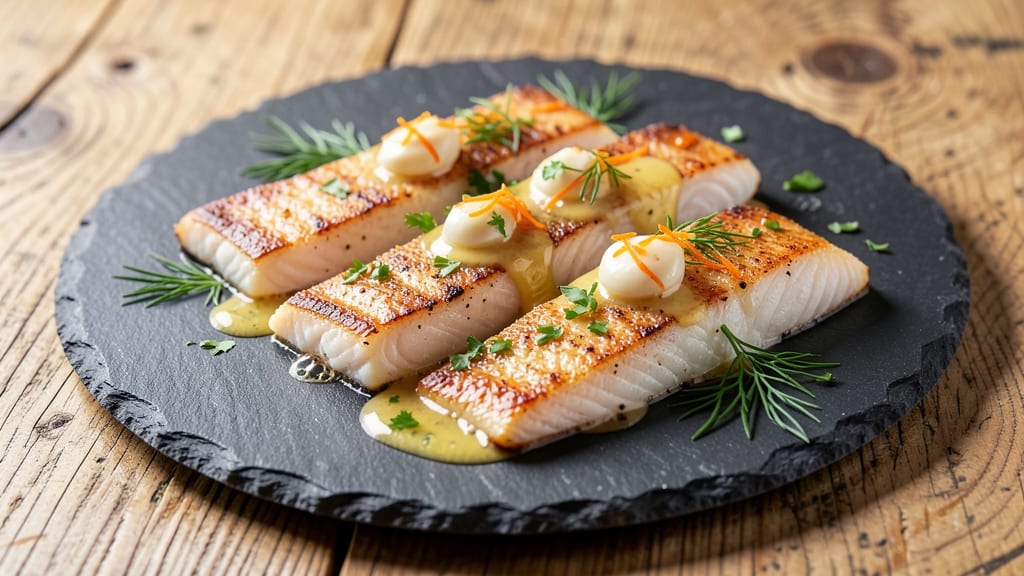
This baked fish with lemon butter sauce recipe delivers perfectly tender white fish elevated by a bright, tangy sauce that transforms simple weeknight dinner into something special.
The secret lies in balancing high heat for crisp edges with gentle baking for flaky centers—paired with a sauce that's equal parts zesty and rich. I've perfected this technique after years of testing, ensuring the sauce doesn't overpower the delicate fish but instead enhances its natural sweetness.
The process couldn't be simpler: season the fish lightly, bake until just flaky, then spoon over the warm lemon butter sauce that's been simmered to perfection.
This sauce transforms basic melted butter into something vibrant with fresh lemon juice, garlic, and herbs—creating a glossy, flavorful coating that ties every bite together. The key is timing the sauce to finish just as the fish comes out of the oven, ensuring maximum freshness and brightness.
What you'll end up with is restaurant-quality baked fish that's crisp on the edges, tender in the center, and perfectly complemented by that bright, herby lemon butter sauce. The sauce clings beautifully to the flakes, adding layers of flavor without overwhelming the delicate fish.
This dish pairs wonderfully with roasted vegetables or a simple green salad, making it ideal for both casual weeknight meals and slightly more special occasions.
Once you try this combination, you'll never settle for plain baked fish again. The sauce isn't just an afterthought—it's the star that makes this simple dish unforgettable. Let's get started on creating this perfect harmony of textures and flavors that will have everyone asking for seconds.
Ingredients for baked fish with lemon butter sauce
Bright fish, zesty sauce, and crisp edges—just these ingredients transform dinner into something special.
| Ingredient | Amount | Notes |
|---|---|---|
| White Fish Fillets 🐟 | 4 pieces | Cod, halibut, or tilapia preferred |
| Unsalted Butter 🧈 | ½ cup | Cold, cubed for sauce |
| Fresh Lemon Juice 🍋 | ¼ cup | From 2-3 lemons |
| Garlic Cloves 🧄 | 4 cloves | Minced for sauce |
| Fresh Parsley 🌿 | ¼ cup | Chopped, for garnish |
| Fresh Dill 🌿 | 2 tbsp | Chopped, for sauce |
| Salt 🧂 | 1 ½ tsp | Kosher or sea salt |
| Ground Black Pepper 🌶️ | ½ tsp | Freshly ground preferred |
| Olive Oil 🫒 | 1 tbsp | For greasing pan |
| All-Purpose Flour 🌾 | 1 tbsp | For dredging fish |
The fish is everything here. Wild-caught cod or halibut holds up best to the high heat, but tilapia or mahi-mahi work in a pinch. Look for fillets with even thickness—about 1-inch thick—so they cook uniformly. I grab mine from Whole Foods or my local seafood market, where they keep it flash-frozen for maximum freshness. If you're using frozen fish, thaw it overnight in the fridge—never under running water, or it'll turn to mush. The parsley and dill? Fresh is non-negotiable—dried just won't cut it here. Grab a bunch of each and use half for the sauce, half for garnish.
No lemon juice? Lime juice works too, though the flavor will be slightly different. Short on dill? Double the parsley—it's got a similar bright note. The butter should be cold and cubed when you add it to the sauce, or it'll melt too fast. If you're out of kosher salt, sea salt is fine, but table salt is too coarse. For the flour, all-purpose works best—bread flour is too heavy. The olive oil matters here too—use something with a mild flavor so it doesn't overpower the sauce. And trust me, don't skip the flour dredge—it's what gives those crisp edges.
This sauce reheats beautifully—just warm it gently in a small saucepan with a splash of water or milk. Keeps 3-4 days in the fridge, covered tightly. The fish itself? Best eaten fresh, but you can reheat it gently in the oven at 300°F for 10-12 minutes if you've got leftovers. I always make extra sauce—it's perfect for drizzling over roasted veggies or even plain pasta. Store the sauce in a glass jar to keep it fresh longer, and add a pat of cold butter on top before sealing to preserve that bright lemon flavor.
Why You'll Love This Recipe
- One-Pan Magic: I swear by this for nights when I’d rather not scrub a million dishes—just toss the fish, butter, and garlic on a sheet, bake, and call it a day. The lemon sauce pools right on top, so no drippy messes or extra bowls.
- Craving-Worthy Simplicity: That bright, buttery lemon sauce cuts through the fish’s mildness like a sigh of relief. Honestly, the first time I made it, I ate half the pan straight from the oven—no shame.
- Weeknight to Weekend: Same recipe feeds my exhausted self on Tuesdays or impresses guests on Saturdays. Swap cod for halibut, add a sprinkle of breadcrumbs for crunch, and suddenly it’s fancy. No rules, just flexibility.
- Leftovers That Don’t Suck: Unlike takeout fish that turns to rubber, this stays moist for days. I’ll pack it for lunches—just reheat with a splash of water, and the sauce gets glossy again. Budget win, flavor win.
Step-by-step instructions for baked fish with lemon butter sauce
This method ensures tender, flaky fish with a bright, tangy sauce that's foolproof every time.
Prepare the Fish for Baking
Preheat your oven to 375°F while you prep the fish. Pat the 4 pieces white fish fillets completely dry with paper towels—this helps create a crispy exterior. Place them on a cutting board and season both sides generously with 1.5 teaspoons salt and 0.5 teaspoon ground black pepper. The salt should stick to the surface rather than dissolving into moisture.
Next, dredge each fillet lightly in 1 tablespoon all-purpose flour, shaking off any excess. This thin coating helps create a delicate crust during baking. Arrange the seasoned fillets in a single layer on a parchment-lined baking sheet, leaving about 1 inch between each piece. This spacing prevents them from steaming and ensures even cooking.
Bake Until Flaky and Just Cooked
Bake the fish for 12-15 minutes, depending on thickness. You'll know it's done when the edges turn opaque and the fish flakes easily with a fork inserted into the thickest part. Overcooking is the biggest mistake here—fish continues cooking slightly after removal from the oven, so it's better to pull them out when they're just barely set.
While the fish bakes, you can start preparing the sauce. Remove the baking sheet from the oven and set aside. The residual heat will keep the fish warm while you finish the sauce. This timing ensures everything comes together perfectly without overcooking the fish.
Make the Lemon Butter Sauce
In a small saucepan, melt the 0.5 cup unsalted butter over medium-low heat. Once melted, add the 4 minced garlic cloves and cook for 30 seconds until fragrant—don't let it brown or it'll become bitter. Stir in the 0.25 cup fresh lemon juice and let the mixture simmer gently for 1-2 minutes until slightly thickened.
Remove the sauce from heat and stir in the 2 tablespoons chopped fresh dill and 0.25 cup chopped fresh parsley. This herb blend adds freshness that cuts through the richness of the butter. If you prefer a smoother sauce, strain it through a fine-mesh sieve to remove any herb bits, but I like the texture for added flavor.
Combine and Serve
Return the baked fish to the oven on low heat (around 200°F) while you warm the sauce. Spoon the lemon butter sauce over each fillet, letting it pool around the edges. The residual heat will gently melt the butter and infuse the fish with bright lemon flavor.
Drizzle any remaining sauce over the top and garnish with extra chopped parsley if desired. Serve immediately with steamed vegetables, crusty bread, or a fresh salad. The contrast between the tender, flaky fish and the zesty sauce makes this dish truly special—simple ingredients transformed into something extraordinary.
Pro Tips For Making Baked Fish With Lemon Butter Sauce
- Pat the fillets dry: Fish loves moisture, but it also loves crisp edges. Grab paper towels and press firmly on both sides—no half-measures—before seasoning. I used to skip this, and my butter sauce would just melt into a sad, soggy pool instead of clinging like it should.
- Use room-temperature butter: Cold butter in the sauce? That’s the fast track to a grainy, separated mess. Let your unsalted butter sit out for 20-30 minutes before melting it with the lemon juice and garlic. (Yes, even if you’re impatient like me—this isn’t the step to rush.)
- Don’t overbake the fish: White fish turns from flaky perfection to rubbery disappointment fast. Check it at 10 minutes (for 1-inch fillets) with a fork—it should slide in easily. If it’s still translucent, give it 2 more minutes max. I learned this the hard way with a batch of cod that tasted like shoe leather.
- Zest the lemon first: That bright, citrusy aroma isn’t just for show—it wakes up the butter sauce. Add the lemon zest (not just juice) to the melted butter while it simmers, then strain out the pulp. It’s a tiny effort that makes the sauce taste like it came from a seaside bistro, not your kitchen.
Pro cooking tips for this dish
Perfect Baking Temp
Set your oven to 375°F for ideal results—this creates crisp edges while keeping the center tender. I use a thermometer to confirm the fish reaches 145°F internal temperature at its thickest point. Overheating is the biggest mistake—fish continues cooking after removal, so pull it when it's just barely set. 🌡️
Dry Before Seasoning
Pat your fish fillets extremely dry with paper towels before seasoning—this prevents steam from forming and keeps the crust crisp. I double-check by pressing a paper towel against the fillet; if it comes away damp, pat again. This step is non-negotiable for that perfect texture.
Sauce Timing Trick
Start the sauce while the fish bakes—it only takes 3-4 minutes to make. Keep the sauce warm in the oven on low heat (200°F) while you finish the fish. This ensures the sauce stays glossy and warm when you spoon it over the hot fillets. 💡
Butter Consistency
Use cold, cubed butter for the sauce—melting it slowly prevents burning. If your butter melts too quickly, reduce heat to low-medium and stir constantly. I like to add the lemon juice just before removing from heat to preserve its bright flavor.
Herb Freshness
Fresh herbs make all the difference—dried won't cut it here. I chop parsley and dill just before adding to the sauce to maximize their aroma. For extra flavor, pulse them briefly in a food processor before stirring in, but keep some whole for texture.
Flour Dredge Secret
The 1 tbsp flour dredge creates that perfect crispy edge without making the fish heavy. Shake off excess flour aggressively—too much creates a gummy texture. I use a fine-mesh sieve to lightly dust the fillets for an even coating. 🌾
Nutrition facts
Frequently asked questions
Can I use frozen fish for this recipe?
Yes, but thaw it properly first! Place frozen fillets in a sealed bag and refrigerate overnight. Never thaw under running water—it releases too much moisture, making the fish mushy. For extra insurance, pat thawed fish completely dry before seasoning to maintain that crisp texture.
What if I don't have fresh dill or parsley?
No problem! Substitute with 1 tablespoon each of dried dill and parsley, but use half the amount since dried herbs are more concentrated. For extra brightness, add ½ teaspoon lemon zest to the sauce. The key is maintaining that fresh, zesty balance—don't skip the herbs entirely.
How do I adjust this for thicker fish fillets?
For fillets over 1.5 inches thick, increase baking time by 2-3 minutes per ½-inch thickness. Use a meat thermometer to check—fish is done at 145°F internal temperature. Pro tip: Cover with foil for the first 10 minutes of baking to prevent over-browning before the center cooks through.
Can I make the sauce ahead of time?
The sauce keeps well in the fridge for 3-4 days in an airtight container. Reheat gently in a saucepan with a splash of water or milk. For best results, add a pat of cold butter when reheating to restore that glossy finish. The sauce actually tastes better the next day as flavors meld!
What's the best way to reheat leftovers?
Gently reheat fish in the oven at 300°F for 10-12 minutes—microwaving makes it rubbery. For the sauce, warm it in a small saucepan over low heat with a splash of water or milk. Combine them just before serving to maintain that perfect texture contrast. Leftovers make great fish tacos or sandwiches!