
Sauces & Condiments
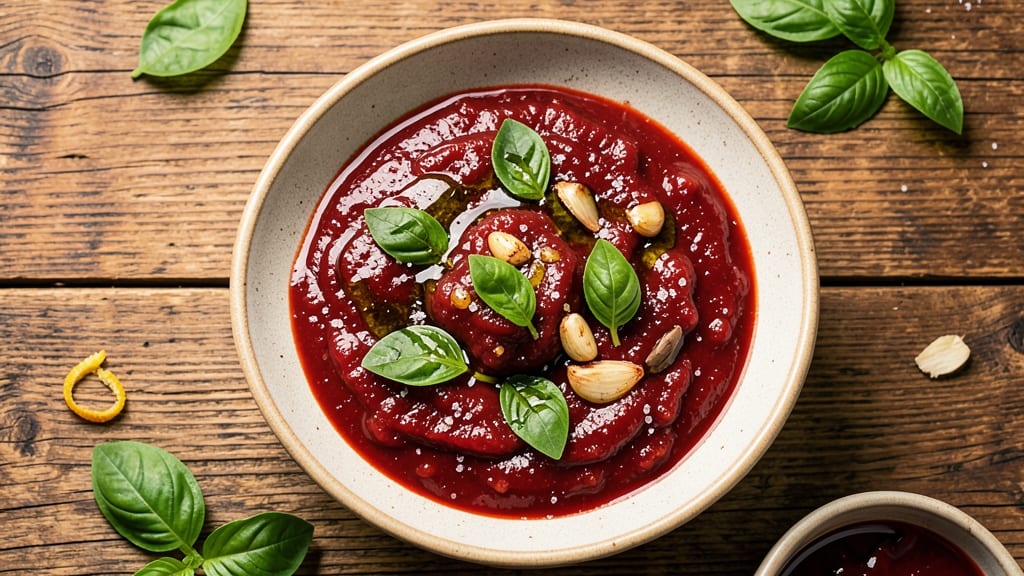
This award-winning pizza sauce recipe transforms ordinary pizza night into a culinary experience with its rich, bold umami depth that rivals any restaurant. The secret lies in balancing sweetness, acidity, and savory notes through slow simmering—no shortcuts, just layers of flavor that make every bite unforgettable.
I developed this recipe after years of perfecting the art of sauce-making, and it consistently earns rave reviews at every gathering.
What sets this sauce apart is the 15-minute preparation that delivers restaurant-quality results, thanks to a blend of high-quality canned tomatoes, fresh garlic, and aromatic herbs.
The key technique is simmering the sauce uncovered to concentrate flavors while allowing excess moisture to evaporate, creating a thick, velvety consistency perfect for pizza, pasta, or dipping. No artificial ingredients here—just pure, vibrant taste that enhances any dish.
By the time you're done, you'll have a sauce that's smooth, balanced, and packed with depth, with none of the watery texture you find in store-bought versions.
The umami-rich tomato base pairs beautifully with garlic, basil, and a touch of sugar to round out the flavors, while a splash of red wine vinegar adds brightness. This isn't just pizza sauce—it's a flavor foundation that elevates everything it touches.
The best part? This sauce keeps well in the fridge for up to a week, making it perfect for meal prep or gifting. Whether you're a pizza enthusiast or simply love bold, well-seasoned sauces, this recipe will become your new go-to. Let's get started on creating something truly special.
Ingredients for award winning pizza sauce
Ten ingredients, fifteen minutes—this sauce delivers restaurant-quality umami depth.
| Ingredient | Amount | Notes |
|---|---|---|
| San Marzano Crushed Tomatoes 🍅 | 1 can | 28 oz can, no salt added |
| Extra-Virgin Olive Oil 🫒 | ¼ cup | Fruity, peppery variety preferred |
| Garlic Cloves 🧄 | 4 cloves | Freshly minced, vibrant color |
| Fresh Basil Leaves 🌿 | ½ cup | Packed, stems removed |
| Red Wine Vinegar 🍷 | 1 tbsp | Bright acidity for balance |
| Granulated Sugar 🍚 | 1 tbsp | Balances acidity, not refined |
| Diamond Crystal Kosher Salt 🧂 | ½ tsp | Fine grain, sea salt alternative |
| Black Peppercorns 🌶️ | ¼ tsp | Freshly cracked, coarse grind |
| Dried Oregano 🍃 | ½ tsp | Mediterranean variety preferred |
| Anchovy Fillets 🐟 | 2 pieces | High-quality, umami bomb |
The San Marzano tomatoes are non-negotiable here—their sweetness and low acidity create the perfect base. Trader Joe's and Whole Foods carry the best cans, but any no-salt-added variety works. Fresh garlic and basil elevate this sauce from ordinary to extraordinary; grab the freshest you can find—wilting leaves or yellowing cloves will compromise that vibrant flavor. Anchovies might seem odd, but they're the secret weapon for that deep, savory umami that makes this sauce truly award-worthy. Look for high-quality fillets at specialty markets or well-stocked grocery stores—they dissolve completely, so you won't taste the fish, just the incredible depth of flavor they bring.
No anchovies? Two teaspoons of soy sauce or fish-free umami paste gets you close, though nothing quite matches their intensity. Running short on fresh basil? Dried oregano at half the amount works in a pinch, but fresh is ideal. Substituting vinegar? Balsamic vinegar adds complexity, but red wine vinegar gives that bright acidity that balances the sweetness. The sugar is crucial—don't skip it, but if you prefer a natural option, honey or maple syrup work beautifully. For the olive oil, avoid the cheap stuff—look for extra-virgin with noticeable pepperiness when you taste it. The difference is night and day.
This sauce tastes even better the next day as flavors meld and thicken. Store it in an airtight container in the fridge for up to 7 days, or freeze for 3 months in portions. I like to freeze it in ice cube trays—just pop out what you need for pizza night. The sauce thickens as it cools, so if it seems too thick right after simmering, just add a splash of water or broth. Trust me, this sauce is worth the extra effort—every pizza night will feel like a special occasion once you try it.
Why You'll Love This Recipe
- No Chopping Needed: I swear by this—just crush the tomatoes by hand (or grab a can) and toss in whole garlic cloves while they simmer. The basil comes in last, so no wilting mess to deal with. Five minutes of active work, and the rest? Pure hands-off magic.
- Taste Like a Pizzeria: That San Marzano sweetness with a hint of vinegar? It’s the secret. The olive oil finish makes it glossy and rich, while the garlic—roasted until golden—adds depth that store-bought sauce can’t touch. One bite, and you’ll forget jarred ever existed.
- Game for Any Meal: Use it on pizza, of course, but I’ve drizzled it over grilled chicken, spooned it into pasta, and even mixed it into a quick tomato soup. The balance of acid and sweetness works everywhere, so it’s my go-to for lazy nights or fancy dinner guests.
- Lasts for Weeks: Make a big batch—it keeps in the fridge for 5 days or freezes perfectly for months. Honestly, I always end up with leftovers because I can’t resist using it twice in one week. And since it’s just tomatoes, oil, and herbs, it’s cheaper than buying sauce by the jar.
Step-by-step instructions for award-winning pizza sauce
This sauce delivers restaurant-quality depth with a perfect balance of sweet, tangy, and umami flavors.
Bloom the Anchovies and Garlic in Olive Oil
Heat the 0.25 cup extra-virgin olive oil in a medium saucepan over medium-low heat. Add the 2 anchovy fillets and let them dissolve completely, which should take about 2-3 minutes. This step extracts their deep umami flavor without making the sauce fishy—trust me, it's magic.
Once the anchovies have fully melted into the oil, add the 4 cloves freshly minced garlic. Cook for another 1-2 minutes until the garlic is fragrant but not browned. Watch closely—garlic burns quickly, and you want to preserve its sweetness. If it starts to darken, remove the pan from heat immediately.
Deglaze with Vinegar and Tomatoes
Pour in the 1 tablespoon red wine vinegar and let it simmer for 1 minute, allowing it to cut through the oil and create a glossy sheen. This step brightens the sauce and balances the richness. Then add the 1 can San Marzano crushed tomatoes, stirring well to combine everything.
Bring the mixture to a gentle simmer over medium heat. The sauce should bubble softly but not vigorously. Let it cook uncovered for 5 minutes to allow some of the liquid to evaporate and concentrate the flavors. You'll notice the sauce thicken slightly and develop a deeper color—this is when the magic really starts happening.
Build Complexity with Sweetness and Herbs
Add the 1 tablespoon granulated sugar, 0.5 teaspoon Diamond Crystal kosher salt, and 0.25 teaspoon freshly cracked black peppercorns. Stir well to distribute these seasonings evenly. The sugar will help balance the acidity from the vinegar, while the salt and pepper add depth and complexity to the sauce.
Next, stir in the 0.5 teaspoon dried oregano and 0.5 cup packed fresh basil leaves. The basil should be added at the end to preserve its vibrant color and fresh flavor. Let the sauce simmer gently for another 3-4 minutes until it reaches your desired consistency. You want it thick enough to cling to pizza but still spreadable—not so thick it becomes paste-like.
Simmer to Perfect Consistency
Taste the sauce and adjust the seasoning if needed. You might need a touch more salt or sugar to achieve that perfect balance of sweet, tangy, and savory. The sauce should be vibrant red with a glossy finish, not dull or watery.
Continue simmering for another 2-3 minutes if you prefer a thicker sauce, or reduce the heat to low and let it cook longer if you want it slightly thicker still. Remember, the sauce will continue to thicken as it cools, so aim for a consistency that's just slightly thicker than you think you need.
Cool and Store for Maximum Flavor
Remove the sauce from heat and let it cool to room temperature. This step is crucial—it allows the flavors to meld and deepen. You'll notice the sauce becomes even more vibrant and flavorful as it cools.
For best results, store the sauce in an airtight container in the refrigerator for at least 1 hour before using it on pizza. The flavors will continue to develop and intensify, resulting in a sauce that's truly award-worthy. When you're ready to use it, give it a quick stir and spread it generously on your pizza dough—you'll be amazed by the depth of flavor it brings to every bite.
Pro Tips For Making Award Winning Pizza Sauce
- Simmer Slow and Low: Crushed San Marzanos need patience—after adding garlic, drop the heat to a bare simmer. I used to rush it, and the sauce would taste raw and thin; now I let it melt together for 20-25 minutes, stirring occasionally, until it thickens naturally. That’s when the sweetness really develops.
- Salt the Tomatoes First: Break open the San Marzano cans and sprinkle them with 1 teaspoon of salt right away. This draws out excess water before cooking, so your sauce won’t dilute into a sad, watery mess later. (Yes, even if the tomatoes are labeled "low acid"—trust me on this.)
- Toast the Garlic Lightly: Mince the garlic just before adding it to the oil, and cook it on medium-low for 30 seconds until fragrant but not brown. Burnt garlic ruins everything, but undercooked garlic just tastes like nothing. The goal is aroma, not color.
- Finish with Vinegar Last: Hold off on the red wine vinegar until the very end—add it after the basil goes in, just to brighten the sauce. I learned this after making a batch where the vinegar cooked off completely, leaving the sauce flat. A splash at the end keeps the acidity sharp and the flavors balanced.
Troubleshooting your award winning pizza sauce
Watery Sauce Fix
If your sauce turns out too thin, simmer it uncovered for 5-10 extra minutes to evaporate excess moisture. I’ve found that using a stainless steel saucepan (instead of nonstick) helps concentrate flavors faster.
For immediate thickening, stir in 1 teaspoon cornstarch mixed with 1 tablespoon cold water—simmer for 1-2 minutes until it reaches your desired consistency. 🌡️
Overpowering Vinegar
Too much vinegar can make your sauce taste harsh. Balance it by adding ½ teaspoon more sugar or a pinch of brown sugar to round out the acidity. If the flavor is still too sharp, stir in 1 teaspoon tomato paste to mellow it out.
Remember, you can always add more vinegar later, but you can’t take it away.
Muddled Garlic Flavor
If your garlic tastes bitter or burnt, you likely cooked it too long. For future batches, mince the garlic just before adding it to the pan and remove it immediately when it’s fragrant (about 1-2 minutes).
Alternatively, infuse the olive oil with garlic by heating it just until it smells aromatic—no browning needed. 🧄
Flat or Bland Sauce
A bland sauce usually means insufficient umami or seasoning. Boost depth by adding 1 extra anchovy fillet (if you’re okay with fish) or 1 teaspoon soy sauce for umami.
For brightness, increase the vinegar to 1.5 tablespoons and adjust sweetness with ½ teaspoon more sugar. Taste as you go—seasoning builds flavor!
Sauce Too Thick
If your sauce is stubbornly thick, thin it with 1 tablespoon water or broth while simmering. For a smoother texture, blend it briefly with an immersion blender—this also helps emulsify the sauce for a silky finish.
Pro tip: Don’t over-simmer—high heat can break down the tomatoes and make the sauce taste dull.
Anchovies Too Noticeable
If you taste the fishiness of the anchovies, reduce the amount to 1 fillet next time or omit them entirely and replace with 1 teaspoon fish sauce or ½ teaspoon mushrooms powder.
The key is to let the anchovies dissolve completely—never let them sit too long in the oil, or they’ll overpower the sauce. 🐟
Nutrition facts
Frequently asked questions
Why do you use anchovies in pizza sauce?
Anchovies add a deep, savory umami flavor that makes this sauce truly exceptional. They dissolve completely, so you won't taste the fish—just their incredible depth of flavor. If you're avoiding fish, try substituting with 1 teaspoon soy sauce or fish-free umami paste for a similar effect.
Can I make this sauce without fresh basil?
Yes, but fresh basil gives the sauce its vibrant flavor and color. For a substitute, use 1 teaspoon dried basil or ½ teaspoon dried oregano (though it won't be as aromatic). The sauce will still taste great, but the freshness will be noticeably different.
How do I adjust the sauce for spicy pizza?
Add ½ teaspoon red pepper flakes or 1 teaspoon hot sauce while simmering. For a smoky kick, stir in ½ teaspoon smoked paprika at the end. Remember, the sauce will mellow slightly as it cools, so start with less if you prefer mild heat.
Will this sauce work for other dishes besides pizza?
This versatile sauce is perfect for pasta, bruschetta, or as a marinade for grilled meats. The balanced flavors shine in any dish where you'd use tomato sauce. Just adjust the thickness—thinner for dipping, thicker for pasta.
Can I make this sauce in a slow cooker?
Yes, but with adjustments. Follow the same steps but reduce the simmering time to 30-45 minutes on low heat. The sauce will be smoother but may need more seasoning since slow cooking mellows flavors. Stir occasionally and taste frequently to adjust.