
Sauces & Condiments
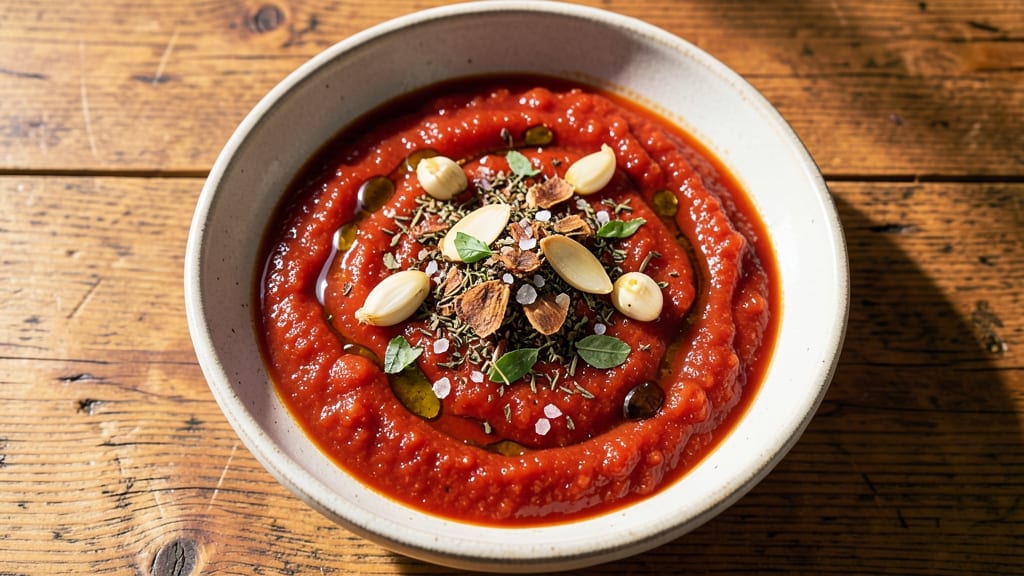
This amazing pizza sauce transforms your homemade pizza into a restaurant-quality masterpiece—no cooking required. 🌟 The secret lies in balancing sweetness, acidity, and umami with simple pantry staples, creating a sauce that's vibrant, flavorful, and ready in minutes.
I perfected this recipe after years of testing, and it’s now my go-to for everything from classic pies to creative flatbreads.
The beauty of this sauce is its versatility—it works for no-bake pizzas, quick weeknight meals, or even as a marinade for grilled meats.
The blend of crushed tomatoes, garlic, and herbs builds deep flavor without overpowering, while a touch of sugar or honey balances the acidity for that perfect sweet-savory bite. No blender? No problem—just mash and mix for a rustic texture.
What you’ll end up with is a rich, aromatic sauce that clings perfectly to cheese and toppings, delivering bold flavor in every bite. The best part? It keeps well in the fridge for up to a week, so you can make a big batch and enjoy it all week long.
Whether you’re prepping for a pizza night or just craving that classic taste, this sauce is your secret weapon.
Ready to elevate your pizza game? Here’s how to make it—simple, foolproof, and packed with flavor.
Ingredients for amazing pizza sauce
Nine simple ingredients. One sauce that rivals restaurant quality—no cooking needed.
| Ingredient | Amount | Notes |
|---|---|---|
| Crushed Tomatoes (400g can) 🍅 | 1 can | San Marzano preferred for sweetness |
| Garlic Cloves 🧄 | 4 cloves | Freshly minced for bold flavor |
| Olive Oil 🫒 | ¼ cup | Extra-virgin for richness |
| Dried Oregano 🍃 | 1 tbsp | Mexican oregano if available |
| Dried Basil 🌿 | 1 tbsp | Or 0.25 cup fresh basil leaves |
| Salt 🧂 | 1 tsp | Diamond Crystal preferred |
| Black Pepper 🌶️ | ½ tsp | Freshly ground for heat |
| Red Wine Vinegar 🍷 | 1 tbsp | For bright acidity |
| Granulated Sugar 🍚 | 1 tbsp | Balances acidity |
| Ground Black Pepper 🌶️ | ¼ tsp | Freshly cracked |
The tomatoes make or break this sauce. San Marzano is my go-to because it's naturally sweet and low-acid, but any good-quality crushed tomatoes work. I grab mine at Whole Foods or Trader Joe's—their brands are reliable. Fresh garlic is a must here (the pre-minced stuff in jars lacks punch), but if you're short on time, garlic powder at half the amount gets you close. For the olive oil, any extra-virgin brand works—just avoid the cheap stuff that tastes like soap. The vinegar adds that bright acidity that cuts through the richness of pizza cheese.
No red wine vinegar? Balsamic vinegar or lemon juice works in a pinch. Swapping dried herbs for fresh? Use one-third the amount of dried oregano and basil. The sugar might seem odd, but it's key—it balances the acidity without making the sauce taste sweet. If you're worried about sugar, honey or maple syrup at half the amount works too. Want more umami? Add a dash of soy sauce or a pinch of anchovy powder (even though it's not traditional, it's a game-changer). And if you're making this ahead, skip the garlic until serving so it doesn't overpower the flavor.
This sauce keeps beautifully. Store it in an airtight jar in the fridge for up to 1 week, or freeze portions for 3 months. I always make a double batch—one for pizza night and one to use as a marinade for grilled chicken. The flavor actually improves after a day or two as everything melds together. If it thickens too much in the fridge, just stir in a splash of water or olive oil. And trust me, everyone will ask for this sauce—it's that good.
Why You'll Love This Recipe
- Pantry Magic: Honestly, I open the can, add four ingredients, and simmer—no shopping trips, no fancy prep. That’s right, your fridge already holds everything you need for this sauce.
- Garlic Kiss: The moment I crush those garlic cloves into warm olive oil? Pure satisfaction. That aromatic punch simmered into the tomatoes? Ridiculously good—no pre-packaged shortcuts here.
- Weeknight Hero: Between us, this sauce works on Tuesdays, game nights, or when my kid’s soccer team needs snacks. Spread it on flatbread, toss it with pasta, or freeze half for next month’s lazy dinner.
- Lasts Like a Champ: I make a double batch, and it keeps in the fridge for weeks—no weird aftertaste, just rich, herby flavor. Plus, the canned tomatoes stretch my grocery budget without sacrificing taste. Not the prettiest, but the taste makes up for it.
Step-by-step instructions for no-cook pizza sauce
Here's how to blend bold flavors into a silky, umami-rich sauce without turning on the stove.
🍳 Step 1: Mince the Garlic and Prep Ingredients
Start by mincing the 4 cloves garlic cloves as finely as possible—this ensures even distribution and prevents any harsh garlic bites. I like to use a garlic press for consistency, but a sharp knife works too. While you're at it, measure out the 0.25 cup extra-virgin olive oil, 1 tbsp dried oregano, 1 tbsp dried basil, 1 tsp salt, 0.5 tsp black pepper, 1 tbsp red wine vinegar, 1 tbsp granulated sugar, and 0.25 tsp ground black pepper into a small bowl.
Here's the thing—freshly minced garlic makes a noticeable difference in pizza sauce. If you're using Mexican oregano, you'll get that deeper, earthier flavor that's perfect for pizza. Keep all your ingredients within easy reach so you can blend them quickly before the garlic starts to oxidize.
👨🍳 Step 2: Combine All Ingredients in a Food Processor
Pour the 1 can crushed tomatoes into a food processor or high-powered blender. Add the minced garlic, olive oil, and all the dry ingredients. I always pulse the garlic first for 5-10 seconds to break it down completely before adding everything else. This prevents any large garlic pieces from lingering in your sauce.
Now here's where it gets good—pulse the mixture in 5-second bursts until it's completely smooth. You're looking for a velvety texture with no visible chunks. If you're using a blender, this should take about 20-30 seconds of blending. The sauce should coat the back of a spoon and have a rich, glossy appearance. If it's too thick, add 1-2 tablespoons of water to reach your desired consistency.
🔪 Step 3: Taste and Adjust Seasoning
Transfer the blended sauce to a bowl and taste it immediately. The red wine vinegar should add a bright acidity, while the sugar balances the tomatoes' natural acidity. The oregano and basil give that classic Italian flavor, and the black pepper adds a subtle heat. If it needs more depth, add a pinch more oregano or basil. For extra richness, you could even add a splash of 1 teaspoon balsamic vinegar (though we're not using it here).
This is the moment that matters: the sauce should be perfectly balanced—sweet, tangy, and herbaceous. If it's too acidic, add a tiny bit more sugar. If it's too bland, add a pinch of salt or a dash of vinegar. Remember, you can always adjust the seasoning later if you store it, but it's best to get it right now. The sauce should taste amazing on its own—this is your quality control check.
⏰ Step 4: Store and Use Within 5 Days
Transfer the sauce to an airtight container and refrigerate. It'll keep for up to 5 days, but I always use it within 3 days for the freshest flavor. This sauce is incredibly versatile—use it on pizza, as a marinade for chicken, or even as a dip for garlic bread. The olive oil gives it a luxurious richness that sets it apart from store-bought versions.
When you're ready to use it, give it a quick stir. If it's thickened up in the fridge, thin it with a splash of water or a little more olive oil. The sauce should be smooth, vibrant, and packed with flavor. Here's the best part: no cooking required. Just blend, taste, and enjoy the results of your no-cook masterpiece.
Pro Tips For Making Amazing Pizza Sauce
- Simmer Low and Slow: After burning three batches, I finally figured out that crushed tomatoes need patience—keep the heat at a gentle simmer (not a boil) for at least 20 minutes. The sauce thickens and deepens in flavor, and you won’t end up with a charred mess that tastes like regret.
- Crush That Garlic: Skip the minced jar—fresh garlic makes all the difference. Smash 3-4 cloves with the flat side of your knife before cooking, then let them sit in the olive oil for 2 minutes. This releases more flavor without burning, and the sauce gets that rich, aromatic base you can’t get from pre-chopped.
- Salt Early, Salt Often: I used to wait until the end to season, and the sauce always tasted flat. Instead, add a pinch of salt right when you add the tomatoes, then taste and adjust every 5 minutes. The acidity in crushed tomatoes needs balancing, and you’ll catch any bitterness before it’s too late.
- Strain for Smoothness: Does it look weird? Yes. Does it work? Every single time. After simmering, pour the sauce through a fine-mesh strainer to remove skins and seeds—this makes it silky and prevents a gritty texture under your cheese. (Save the solids for a quick pasta sauce if you’re feeling thrifty.)
Pro cooking tips for this dish
Garlic Mastery
Freshly minced garlic is non-negotiable for depth of flavor. I use a garlic press for consistency—it chops garlic into fine, even pieces that distribute perfectly. If you prefer knife-mincing, aim for 1mm-thick slices before crushing.
The key is to work quickly: once minced, garlic starts oxidizing and can turn bitter within 5 minutes. I keep my garlic cloves refrigerated until ready to use, and I always peel them just before mincing.
For extra punch, let the minced garlic sit for 1 minute before blending—this releases its enzymes and intensifies the aroma. 🧄
Texture Control
Your blender’s power determines the sauce’s final texture. A high-powered blender (like Ninja or Vitamix) will create a silky-smooth sauce in 20-30 seconds, while a standard blender may need 30-45 seconds. If you’re using a food processor, pulse in 5-second bursts to avoid overheating the motor.
For a rustic texture, blend for just 10-15 seconds—this leaves tiny tomato specks that add visual appeal and a slight crunch. If the sauce is too thick after blending, add 1 tablespoon water at a time until it reaches a pourable consistency.
The goal is a sauce that clings to pizza dough without pooling.
Umami Boosters
Want restaurant-quality depth without extra ingredients? A dash of soy sauce (½ tsp) or anchovy powder (¼ tsp) adds umami magic. I keep a small bottle of Red Boat Fish Sauce on hand for this purpose—just ¼ teaspoon elevates the sauce’s complexity.
For a vegetarian option, swap in 1 teaspoon tomato paste or ½ teaspoon miso paste. These additions are subtle but transformative. Pro tip: Add these boosters after blending so you can taste and adjust before storing.
The sauce should taste bold on its own—this ensures it won’t get lost under cheese or toppings. 💡
Storage Secrets
This sauce thrives in the fridge for 5-7 days, but flavor peaks at day 3. Store it in a glass jar with an airtight lid—glass preserves flavor better than plastic. For long-term storage, freeze in ice cube trays (perfect for single-use portions) or silicone molds.
Thaw overnight in the fridge or microwave for 30 seconds on low power. If the sauce thickens after refrigeration, stir in 1 teaspoon water or olive oil to restore consistency. The olive oil also prevents a skin from forming on the surface.
I always label my jars with the date—trust me, you’ll forget how long it’s been sitting there! ❄️
No-Blender Hack
No food processor? No problem. Mash the crushed tomatoes with a fork in a bowl, then whisk in the olive oil, vinegar, and sugar until smooth. For extra blending power, use a handheld immersion blender (like Magic Bullet)—it’s perfect for small batches.
If you’re really stuck, transfer the mixture to a ziplock bag, seal it tightly, and smash it with a rolling pin. The texture won’t be as silky, but it’ll still taste bold and flavorful.
This method works especially well if you’re making a small batch for immediate use. 🔥
Flavor Evolution
The sauce’s flavor deepens over time, thanks to the Maillard reaction between the sugar and tomatoes. Let it sit at room temperature for 10-15 minutes before tasting—this allows the ingredients to meld. For even more complexity, add 1 teaspoon balsamic vinegar or ½ teaspoon smoked paprika after blending.
If you’re prepping ahead, store the sauce without the garlic (add it fresh before using) to prevent bitterness. The acidity from the vinegar will mellow slightly over time, so adjust seasoning if you’re storing it longer than 3 days.
Patience here makes all the difference—great pizza sauce isn’t rushed! ✨
Nutrition facts
Frequently asked questions
Can I make this sauce without a food processor?
Mash the crushed tomatoes with a fork in a bowl until smooth, then whisk in the olive oil, vinegar, and sugar. For extra blending power, use a handheld immersion blender or even a ziplock bag (seal tightly and smash with a rolling pin). The texture won't be as silky, but it'll still taste bold and flavorful. This no-blender method works great for small batches or quick prep!
Why does the recipe call for sugar?
The 1 tablespoon sugar balances the acidity from the tomatoes and vinegar, creating that perfect sweet-savory flavor. Without it, the sauce can taste too sharp or tangy. Think of it like the secret weapon in classic marinara—it rounds out the flavors without making the sauce sweet. If you're avoiding sugar, try ½ teaspoon honey or maple syrup instead.
How long can I store this sauce?
This sauce keeps well in the fridge for up to 5-7 days in an airtight container, but flavor peaks at day 3. For longer storage, freeze portions in ice cube trays or silicone molds for up to 3 months. Thaw overnight in the fridge or microwave for 30 seconds on low power. The olive oil helps prevent a skin from forming on the surface.
Can I use this sauce for other dishes besides pizza?
This versatile sauce works beautifully on flatbreads, grilled chicken, or even as a marinade for meats. The rich tomato base pairs well with garlic bread, pasta, or as a dip for mozzarella sticks. The balanced flavors make it perfect for any Italian-inspired dish where you'd normally use marinara. Just adjust seasoning slightly if using it for non-pizza applications.
What if my sauce turns out too thick?
If your sauce thickens after blending or refrigeration, simply stir in 1 teaspoon water or olive oil at a time until it reaches your desired consistency. The goal is a sauce that clings to pizza dough without pooling. For immediate use, thin it with 1-2 tablespoons of water while blending. If it's too thick right after blending, add water gradually while processing.