
Sauces & Condiments
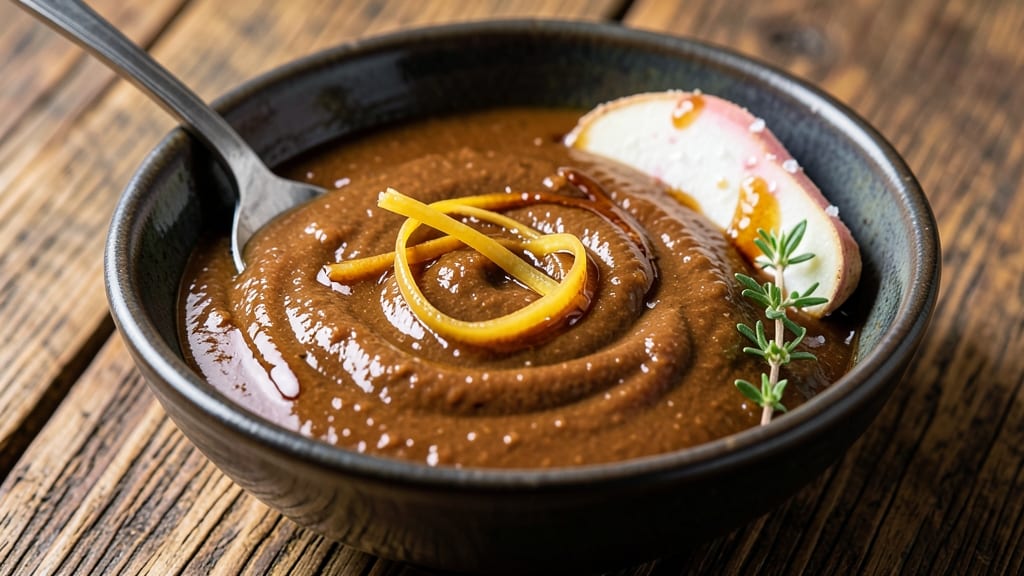
This cassareep sauce recipe unlocks the rich, caramelized depth that defines traditional Guyanese and Surinamese cooking. 🌟 The process begins with fermented cassava, transformed into a thick, syrupy paste that adds unmatched complexity to stews, soups, and even marinades.
What makes it special is its ability to develop deep, molasses-like flavors through controlled fermentation and reduction.
The sauce starts with freshly grated cassava, which ferments for several days to develop its signature tangy-sweet profile. After straining out the solids, the liquid is reduced to a thick, glossy consistency that clings to ingredients like no other sauce.
The result is a versatile condiment that elevates dishes with its bold, caramelized notes—perfect for slow-cooked pepperpot or hearty beef stews.
What you'll achieve is a sauce that's both functional and flavorful, delivering layers of umami and sweetness without overpowering other ingredients. The fermentation process creates a natural depth that's impossible to replicate with store-bought substitutes, while the reduction concentrates the flavors into every spoonful.
This cassareep sauce transforms ordinary dishes into extraordinary meals, bringing the bold flavors of Caribbean cuisine to your kitchen. Ready to make it? Here's everything you need to create this essential condiment from scratch.
Ingredients for cassareep sauce
Fermented cassava, vinegar, and spices create this bold, caramelized sauce essential for Caribbean cuisine.
| Ingredient | Amount | Notes |
|---|---|---|
| Fresh Cassava Root 🍠 | 2 lb | Grated, organic preferred |
| White Vinegar 🍶 | 1 cup | Distilled, for fermentation |
| Water 💧 | 1 cup | Filtered preferred |
| Sea Salt 🧂 | 1 tbsp | Diamond Crystal preferred |
| Brown Sugar 🍯 | 1 cup | Light or dark variety |
| Fresh Ginger Root 🌿 | 2 tbsp | Grated, for fermentation |
| Extra-Virgin Olive Oil 🫒 | 2 tbsp | For reduction finish |
| Blackstrap Molasses 🍯 | ½ cup | For depth of flavor |
| Garlic Cloves 🧄 | 4 cloves | Minced, for complexity |
| Cinnamon Sticks 🌿 | 2 whole | For aromatic depth |
The cassava is the heart of this sauce—organic, fresh roots yield the best results. Caribbean markets or specialty Latin grocers often carry it, but if unavailable, substitute with yuca (though flavor will differ). Grate it immediately after purchase to prevent browning. The ginger and garlic should be freshly grated and minced—pre-minced jarred versions lack the aromatic punch. For vinegar, distilled white ensures clarity in the final product, while apple cider vinegar adds subtle complexity. Store cassava in a cool, dark place until use, but ferment within 24 hours of grating for optimal flavor development.
Fermentation is non-negotiable—no shortcuts. If cassava is unavailable, green banana puree can substitute at double the quantity, though texture will differ. For a quicker (though less authentic) version, use 1/4 cup coconut vinegar instead of white vinegar. The molasses adds depth; if unavailable, date syrup or agave nectar work in a pinch, though blackstrap's unique mineral notes are irreplaceable. The cinnamon sticks can be omitted if unavailable, but the sauce will lack its signature warmth. For a smokier profile, add 1/2 tsp smoked paprika during reduction. Always use extra-virgin olive oil—lower grades can impart off-flavors during the long reduction process.
Fermented cassava mixture should be stored in an airtight glass container in the refrigerator for up to 5 days before straining. After reduction, the sauce keeps for 3 months refrigerated or 6 months frozen in airtight containers. For long-term storage, pour into sterilized glass jars with a thin layer of olive oil on top to prevent oxidation. The sauce develops more complexity over time—older batches taste richer. When using, reheat gently to preserve its syrupy consistency; never boil, as this can break down the delicate fermented flavors. Portion into ice cube trays for easy use in future recipes.
Why You'll Love This Recipe
- Pantry Staples Only: I swear by this sauce because it’s made with things I always have—no fancy shopping required. Cassava root peels fast, vinegar’s already in my fridge, and the sugar? Just a splash to balance the tang.
- Tangy-Sweet Magic: That first sip of vinegar-bright cassava with a hint of caramelized sugar? It’s the kind of flavor that sticks with you. Honestly, it’s the secret weapon in my slow-cooker stews.
- Meal Prep Hero: I make a big batch on Sundays and keep it in the fridge for weeks. Drizzle it over grilled fish, toss it with roasted veggies, or even use it as a marinade—it’s always the star.
- Budget-Friendly Flex: Fresh cassava’s cheap, and this sauce stretches forever. Between us, I’ve fed my whole family for under $5 with just this recipe—no guilt, all flavor.
Step-by-step instructions for fermented cassareep sauce
Transform humble cassava into a complex, caramelized sauce with layers of fermented depth.
👨🍳 Step 1: Prepare and Ferment the Cassava Base
Begin by grating the 2 lb fresh cassava root using a food processor or fine grater—aim for a texture resembling coarse sand. Transfer the grated cassava to a large non-reactive bowl and mix in the 1 cup white vinegar and 2 tbsp grated fresh ginger root. The vinegar initiates fermentation while the ginger adds subtle complexity.
Add the 1 cup water and 1 tbsp sea salt, then combine thoroughly with your hands or a rubber spatula. The mixture should be thick but pourable. Transfer to a clean glass jar, pressing down firmly to eliminate air pockets. Cover loosely with a clean cloth or lid (not airtight) and let ferment at room temperature for 48 hours. You'll know fermentation is working when you detect a tangy aroma and see small bubbles forming on the surface.
🔥 Step 2: Cook and Caramelize the Fermented Mixture
After fermentation, transfer the cassava mixture to a heavy-bottomed saucepan and place over medium-low heat. Stir frequently with a wooden spoon as the mixture thickens, which typically takes 20-25 minutes. The goal is to develop a deep, caramelized color—this is where the sauce's signature depth emerges.
Once the mixture reaches a thick, paste-like consistency (it should coat the back of a spoon), remove from heat. The sauce should have a rich, earthy aroma with hints of molasses and ginger. If it's too thick, add 1-2 tablespoons of water to achieve a smooth, spreadable texture. Let it cool slightly before proceeding.
🍳 Step 3: Build Complexity with Molasses and Spices
In a separate small saucepan, combine the 0.5 cup blackstrap molasses and 1 cup brown sugar over low heat. Stir constantly to prevent burning, and cook until the mixture reaches a thick syrup consistency (5-7 minutes). This caramelized base will anchor the sauce's bold flavor profile.
While the molasses mixture cooks, finely mince the 4 cloves garlic and crush the 2 whole cinnamon sticks using a mortar and pestle or rolling pin. Once the molasses syrup is ready, remove it from heat and stir in the minced garlic and crushed cinnamon. Allow this spiced mixture to steep for 10 minutes to infuse the flavors fully.
🥘 Step 4: Finish with Olive Oil and Reduction
Return the cooled fermented cassava base to the saucepan and combine it with the spiced molasses mixture. Stir over low heat for 10 minutes, allowing the flavors to meld while maintaining the sauce's thickness. The sauce should now exhibit a deep amber color with a complex aroma blending cassava's earthiness with molasses' richness.
In the final step, remove the sauce from heat and stir in the 2 tbsp extra-virgin olive oil. This not only adds a silky texture but also balances the sauce's intensity. The olive oil should be fully incorporated, creating a glossy finish. Taste and adjust seasoning with additional sea salt if needed—this sauce should be bold and complex, not overly sweet.
Pro Tips For Making Cassareep Sauce
- PEEL AND GRATE CASSAVA: Fresh cassava is stubborn—peel it thin with a knife first, then grate it coarsely. The thicker the shavings, the longer it’ll take to soften, and you’ll end up with a gluey mess. I learned this the hard way after staring at a pot of half-melted cassava for 45 minutes.
- SIMMER LOW AND SLOW: This sauce isn’t a race. After adding vinegar and water, keep the heat at a gentle simmer—not a rolling boil. Too much heat turns the cassava into starch sludge, and the sauce loses that rich, caramelized depth. Trust me, your patience will pay off.
- SALT THE WATER FIRST: Add the sea salt before the cassava hits the pot. Dissolving it early ensures even seasoning—no clumpy bits or under-seasoned spots. I used to toss it in later, and half the time, I’d forget to adjust for the vinegar’s acidity. Now I just salt the water, stir, and move on.
- STRAIN OUT THE FIBERS: After simmering, don’t skip the straining. Use a fine-mesh sieve or cheesecloth to filter out the fibrous bits—they make the sauce gritty, even if you don’t notice until you’ve already served it. Sounds tedious, but it’s the difference between a smooth, velvety sauce and something that feels like it needs chewing.
Common mistakes when making your cassareep sauce
Over-Fermenting the Cassava
This is the most common mistake—letting the cassava ferment too long turns your sauce sour and vinegary. The ideal fermentation window is 48 hours at room temperature.
After that, flavors turn sharp and unpleasant. I once left mine for 72 hours and ended up with a sauce that tasted like pickled ginger. 🌶️
To avoid this, set a timer and check daily. If you smell strong alcohol or see mold, discard it immediately. For warmer climates, ferment in the fridge to slow the process. A cool, dark pantry works best for consistent results.
Skipping the Caramelization Step
The deep, molasses-like flavor comes from controlled caramelization during the cooking phase. I’ve seen beginners rush this step, resulting in a thin, watery sauce. Cook the fermented cassava over medium-low heat for at least 20 minutes, stirring constantly.
The sauce should reduce to a thick paste that clings to the spoon.
If it’s not thickening enough, lower the heat further—high heat causes burning. A heavy-bottomed pot prevents scorching. This step is non-negotiable for authentic flavor.
Ignoring the Straining Process
Many recipes skip straining, leaving fibrous cassava bits in the sauce. These create a gritty texture that ruins the silky finish. After fermentation, line a colander with cheesecloth or a fine-mesh sieve and strain the mixture for 10-15 minutes.
Press gently with a wooden spoon to extract every last drop of liquid.
If you’re short on time, blend the mixture first, then strain. But don’t skip this step—it’s what makes cassareep sauce velvety smooth. 💫
Using Low-Quality Molasses
Blackstrap molasses is the soul of this sauce, but many opt for cheaper substitutes like corn syrup. Blackstrap has a deep, mineral-rich flavor that’s irreplaceable. If you must substitute, use date syrup or agave, but expect a milder result. Always buy organic, unsulfured molasses for the best flavor.
I once used a generic store-brand molasses, and the sauce tasted flat. Invest in high-quality blackstrap—your taste buds will thank you.
Over-Salting the Final Sauce
The molasses and fermented cassava already pack a salty punch. Adding extra salt at the end can make the sauce taste harsh. Taste as you go, adjusting gradually with sea salt.
The goal is a bold, balanced flavor—not a salty overload. Start with ½ tsp, then add more if needed.
Remember, cassareep sauce should be complex, not one-dimensional. Trust your palate—it knows best.
Rushing the Reduction
Some cooks rush the final reduction, thinking more heat means faster results. But low and slow is key. Reduce the sauce over low heat for 10-15 minutes, stirring often. This concentrates the flavors without burning them. If you rush, you’ll end up with a bitter, overcooked sauce.
Patience pays off—let the sauce simmer until it reaches a thick, glossy consistency. It should coat the back of a spoon like honey. 🍯
Nutrition facts
Frequently asked questions
Can I make cassareep sauce without fresh cassava?
While fresh cassava yields the best results, you can substitute with green banana puree at double the quantity. For 2 lb cassava, use 4 cups green banana puree instead. The texture will differ slightly, but the fermented flavors will still develop. If using frozen cassava, thaw it completely before grating to avoid uneven fermentation.
How long does the fermentation process take?
The ideal fermentation time is 48 hours at room temperature. You'll know it's ready when you smell a tangy aroma and see small bubbles. For warmer climates, ferment in the fridge to slow the process. Never exceed 72 hours—over-fermentation makes the sauce taste sour and vinegary. Set a timer to avoid this common mistake!
Can I use cassareep sauce in non-Caribbean dishes?
Its bold, caramelized depth works beautifully in slow-cooked stews, glazes for roasted meats, or even as a marinade for grilled vegetables. Try adding 1-2 tablespoons to chili, BBQ sauce, or even as a sweet-savory glaze for pork. The sauce's fermented complexity elevates any dish with umami richness.
Why does my sauce taste bitter?
Bitterness often comes from overcooking during reduction or using low-quality molasses. Always reduce over low heat and stir constantly. For the best flavor, use organic blackstrap molasses—its deep, mineral-rich taste is essential. If bitterness persists, balance it with a pinch of brown sugar or a splash of apple cider vinegar to mellow the flavor.
How do I store leftover cassareep sauce?
Store in an airtight glass container in the fridge for up to 3 months or freeze for 6 months. To preserve freshness, add a thin layer of olive oil on top before sealing. When reheating, warm gently over low heat—never boil, as this can break down the delicate fermented flavors. The sauce actually improves with age, developing deeper complexity over time!