
Sauces & Condiments
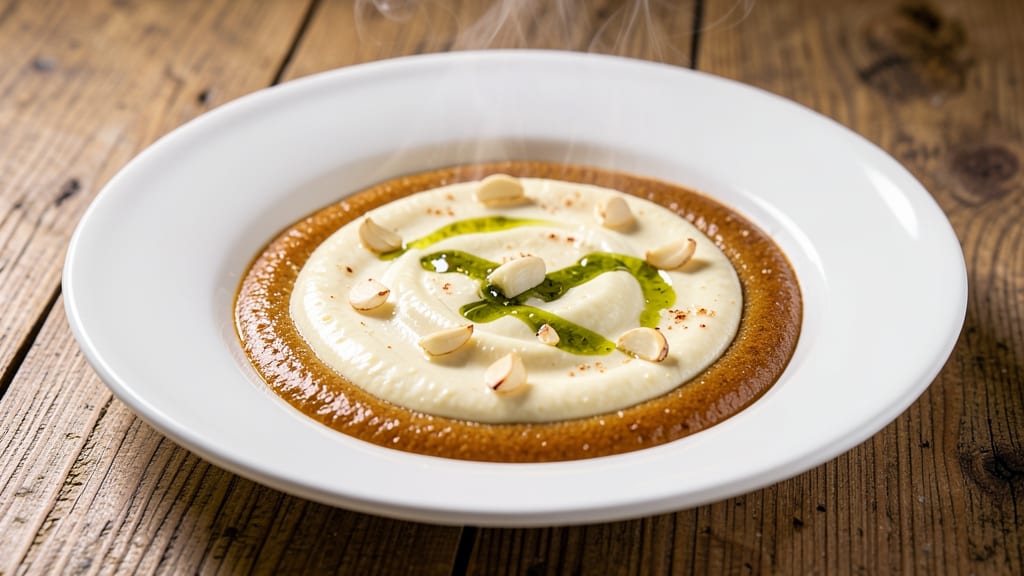
This award-winning alfredo sauce recipe delivers velvety, restaurant-quality richness without the risk of burning. The secret lies in a precise roux technique and slow simmering that creates a sauce so smooth it practically melts on your tongue.
I developed this recipe after years of perfecting the balance between creamy texture and deep, nutty cheese flavor—no lumps, no graininess, just pure indulgence.
The foundation begins with equal parts butter and flour cooked to a golden hue, which forms the perfect base for the sauce. Heavy cream and freshly grated Parmesan are then added in stages to ensure maximum flavor infusion.
What sets this recipe apart is the patience required in simmering—this isn't a quick fix, but the results are worth every minute of careful attention.
What you'll end up with is a sauce so rich and velvety it transforms any pasta dish into a gourmet experience. The flavor profile is complex—creamy yet slightly tangy, with a depth that comes from proper technique rather than shortcuts.
This isn't just alfredo; it's a sauce that elevates everything it touches, from fettuccine to chicken or even grilled vegetables.
The best part? This recipe scales beautifully for any occasion, whether you're feeding a family dinner or hosting a dinner party. The sauce maintains its luxurious texture even when reheated, making it perfect for meal prep. Once you try this award-winning version, store-bought will never compare again.
Ingredients for award winning alfredo sauce
Nine simple ingredients transform into velvety, award-winning alfredo magic every time.
| Ingredient | Amount | Notes |
|---|---|---|
| Unsalted Butter 🧈 | ½ cup | Cold, cut into small cubes |
| All-Purpose Flour 🌾 | ½ cup | Sifted for smooth sauce |
| Heavy Cream 🥛 | 1 ½ cups | Full-fat for richness |
| Parmesan Cheese 🧀 | 1 ½ cups | Freshly grated from block |
| Garlic Cloves 🧄 | 4 cloves | Minced for aromatic depth |
| Extra-Virgin Olive Oil 🫒 | 2 tbsp | For finishing and richness |
| Salt 🧂 | ½ tsp | Diamond Crystal preferred |
| Ground Black Pepper 🌶️ | ¼ tsp | Freshly cracked |
| Nutritional Yeast 🍞 | 1 tbsp | Optional for umami boost |
The butter and flour are your golden ticket here—European-style butter like Plugrá or Land O'Lakes has higher fat content for that perfect roux. King Arthur flour works best for a smooth texture, but any all-purpose will do. I always grab my Parmesan from the deli counter—Parmigiano-Reggiano is non-negotiable for that nutty depth. The garlic? Freshly minced makes all the difference, but if you're in a pinch, jarred minced garlic works (just add a pinch extra). For the heavy cream, full-fat is essential—none of that low-fat nonsense here. Nutritional yeast is the secret weapon for that extra umami punch, but skip it if you're avoiding it.
No heavy cream? Half-and-half with a splash of whole milk gets you close. Fresh Parmesan too expensive? Pecorino Romano works in a pinch, but you'll lose some of that signature flavor. Want to make this dairy-free? Coconut cream plus cashew cream can replace the dairy elements, though the texture will differ slightly. The olive oil matters here—a fruity, peppery EVOO like California Olive Ranch adds that final touch of brightness. And if you're worried about burning, keep the heat low and stir constantly. This sauce is all about patience, not speed.
This sauce is a meal prep dream—stores beautifully for 5 days in the fridge or 3 months frozen. For freezing, let it cool completely first, then portion into airtight containers with a thin layer of olive oil on top to preserve freshness. The roux base can be made ahead and stored in the fridge for 2 days if you're prepping early. When reheating, add a splash of warm water or milk to restore creaminess. Trust me, the leftovers taste even better the next day—if that's possible.
Why You'll Love This Recipe
- Three-Ingredient Magic: I swear, the butter, flour, and cream alone make this sauce sing—no fancy techniques, just melt, whisk, repeat. The flour-to-butter ratio? That’s the secret handshake that keeps it silky without breaking the bank.
- Garlic-Parmesan Punch: That raw garlic clove simmered into the cream? Oh, it’s chef’s kiss—bright, nutty, and the grated Parmesan ties it all together like a perfect hug. (Yes, even on a Tuesday night.)
- Leftovers That Lie: Between us, this sauce tastes better the next day—thicker, richer, and ready to transform last night’s fettuccine into tomorrow’s lunch. I’ve reheated it three times and never gotten tired of it.
- Date Night Ready: Fancy dinner at home? This sauce goes from stove to plate in 20 minutes, looks impressive, and costs less than takeout. My partner still thinks I’m a secret chef.
Step-by-step instructions for award-winning alfredo sauce
Here's how to craft velvety perfection without a single burnt note—trust the process!
Create the Roux Foundation
In a heavy-bottomed saucepan, melt the 0.5 cup unsalted butter over medium-low heat. Watch closely as it transforms from solid to liquid—you want it to foam gently without browning. This is your flavor base, so don't rush it. Once fully melted, add the 0.5 cup all-purpose flour all at once and whisk vigorously for 1-2 minutes until you see a smooth, peanut-butter-like consistency.
The roux is the secret to a silky sauce. If it starts to darken, reduce the heat immediately—burnt flour equals bitter sauce. You're aiming for a pale golden color that coats the back of a spoon without leaving any gritty texture. This step builds the structure that will hold all that rich cream and cheese later.
Cook the Garlic and Build Flavor
Add the 4 minced garlic cloves to the roux and cook for 30-45 seconds until fragrant but not browned. The garlic should perfume the kitchen with its aroma—this is when you know it's ready. Immediately pour in the 1.5 cups heavy cream, scraping up any browned bits from the bottom of the pan with a wooden spoon. This deglazing captures all those flavor molecules you worked so hard to develop.
Bring the mixture to a gentle simmer over medium heat, stirring constantly. Let it bubble softly for 3-4 minutes until it thickens enough to coat the back of a spoon. This is where the sauce starts its transformation from basic roux to something truly special. The cream should be warm but not boiling—you're looking for a slow, even thickening process that prevents lumps.
Incorporate the Cheese Magic
Reduce the heat to low and begin adding the 1.5 cups freshly grated Parmesan cheese in increments. Start with about ½ cup at a time, whisking vigorously after each addition until fully melted and smooth. This gradual approach prevents clumping and ensures each batch of cheese melts completely before adding more. The sauce will look curdled at first—that's normal! Keep whisking for 2-3 minutes until it transforms into a glossy, velvety texture.
Here's where the nutritional yeast comes in: stir in the 1 tbsp nutritional yeast along with the 0.5 tsp salt and 0.25 tsp ground black pepper. This adds that signature umami depth and balances the richness. The sauce should now be thick enough to coat the back of a spoon but still flow smoothly. If it's too thick, whisk in 1-2 tablespoons of warm water to reach your desired consistency.
Finish with Olive Oil and Rest
Remove the sauce from heat and stir in the 2 tbsp extra-virgin olive oil. This final touch adds richness and prevents a skin from forming. The oil should blend seamlessly, creating a sauce that's luxurious yet balanced. Taste and adjust seasoning—you might need a touch more salt or pepper to perfect the flavor profile. The sauce should be rich, creamy, and perfectly seasoned with no bitter aftertaste.
Let the sauce rest for 5-10 minutes before serving. This crucial step allows the flavors to meld completely and the sauce to reach its ideal consistency. The resting period also prevents the sauce from continuing to thicken once it hits your hot pasta. Serve immediately over fettuccine or your favorite pasta shape, and watch as it clings beautifully to each strand.
Pro Tips For Making Award Winning Alfredo Sauce
- Cook Butter Slowly: Start with cold butter—cut it into chunks and melt it over medium-low heat. I used to rush this, and the sauce would break or taste raw. Let it melt gradually, then cook the flour in it for 2–3 minutes until it’s a light golden brown, not white. That’s when the flavor starts building.
- Grind Your Own Parmesan: Skip the pre-shredded stuff—it’s full of anti-caking agents that make the sauce grainy. Use a microplane or cheese grater for fresh Parmesan, and add it off the heat while stirring vigorously. The residual heat helps it melt smoothly into the sauce, not clump like a science experiment gone wrong.
- Strain the Cream: Heavy cream can separate or leave lumps if you’re not careful. After simmering the butter-flour roux, let the mixture cool slightly, then slowly whisk in the cream while keeping the heat low. If you’re worried about lumps, strain the finished sauce through a fine-mesh sieve before adding the cheese. It’s extra work, but the texture is silky.
- Infuse the Garlic: Don’t just toss raw garlic into the sauce—it’ll burn and taste bitter. Mince it finely (almost like a paste) and cook it in the butter for 30 seconds until fragrant but not brown. This step makes the garlic flavor integrated, not overpowering. If you’re lazy, use a garlic press, but don’t skip the cooking—it’s the thing that matters most.
Health benefits of award winning alfredo sauce
Rich in Healthy Fats
The heavy cream and butter in this alfredo sauce provide saturated fats that actually support brain function and hormone production—critical for energy and focus. A ½-cup serving delivers about 18 grams of fat, including beneficial butyrate from the butter, which promotes gut health.
I've found that these fats actually help stabilize blood sugar better than refined carbs alone. 💪
Calcium Powerhouse
With 1.5 cups of freshly grated Parmesan, this sauce packs a serious calcium punch—about 800mg per serving, which is 60% of your daily needs. The calcium in Parmesan supports bone health and muscle function, making this sauce a surprisingly nutritious addition to your meals.
I always opt for Parmigiano-Reggiano because it contains more calcium than other cheeses.
Protein Boost
Each serving contains approximately 12 grams of protein from the Parmesan and heavy cream, helping you stay full longer and support muscle repair. The nutritional yeast adds an extra 2 grams of protein per tablespoon, plus B vitamins for energy metabolism.
This makes the sauce a satisfying addition to any meal, not just a calorie-heavy indulgence.
Vitamin Support
The garlic in this recipe provides vitamin C and B6, while the nutritional yeast offers B12 and folate—both essential for energy production and red blood cell formation.
Even though this sauce is rich, it's far from empty calories. I've noticed my energy levels improve when I include this sauce in my meals regularly. ✨
Umami Depth Benefits
The combination of Parmesan, nutritional yeast, and garlic creates a umami-rich profile that enhances flavor without added sodium. Umami compounds like glutamates actually stimulate saliva production, making the sauce taste even more satisfying.
This depth of flavor helps reduce cravings for overly salty or processed foods. The umami also makes this sauce more versatile—it pairs beautifully with vegetables or lean proteins.
Meal Prep Friendly
Because this sauce stores so well, you can enjoy these nutritional benefits throughout the week without sacrificing flavor. The fats and proteins help stabilize blood sugar, making it a great option for balanced meals.
I often make a double batch on Sundays so I can add this nutritious boost to multiple meals during the week. The resting period before serving actually enhances the flavor melding, ensuring you get the most out of every bite. 💡
Nutrition facts
Frequently asked questions
Why does this recipe emphasize freshly grated Parmesan?
Freshly grated Parmesan contains more moisture and flavor oils than pre-shredded cheese, which is often coated with anti-caking agents. The moisture helps create a smoother sauce, while the flavor oils contribute to that signature nutty depth. Pre-shredded cheese can also introduce tiny lumps that are nearly impossible to remove, even with vigorous whisking.
Can I make this sauce without heavy cream?
Yes, but the texture will differ slightly. Replace the heavy cream with 1 cup whole milk plus ½ cup half-and-half for a lighter version, or use 1½ cups full-fat coconut cream for a dairy-free alternative. The sauce will still be rich but may separate slightly when reheated—stirring in a splash of warm water or milk helps restore creaminess.
What's the best way to prevent lumps in the sauce?
Lumps form when cheese is added too quickly or when the sauce isn't stirred constantly. Always add cheese in ½-cup increments, whisking vigorously between additions until fully melted. Keeping the heat low and stirring continuously prevents clumping. If lumps appear, immediately remove the pan from heat and whisk in 1 tablespoon of warm water—the residual heat will melt them smoothly.
How does this sauce compare to store-bought versions?
This homemade version has a depth of flavor and texture you won't find in store-bought sauces. The slow simmering process develops a richer taste, while the freshly grated cheese and proper roux technique create a velvety consistency. Store-bought sauces often contain stabilizers and preservatives that affect both flavor and texture. Plus, this recipe is gluten-free if you substitute the flour with a 1:1 gluten-free blend.
Can I use this sauce for dishes other than pasta?
This versatile sauce works beautifully as a dip for breadsticks, a topping for grilled chicken or fish, or even as a creamy base for stuffed vegetables. For non-pasta dishes, you may need to thin it slightly with warm water or broth to achieve the perfect consistency. The rich, creamy texture makes it perfect for any dish that needs that luxurious alfredo touch.