
Sauces & Condiments
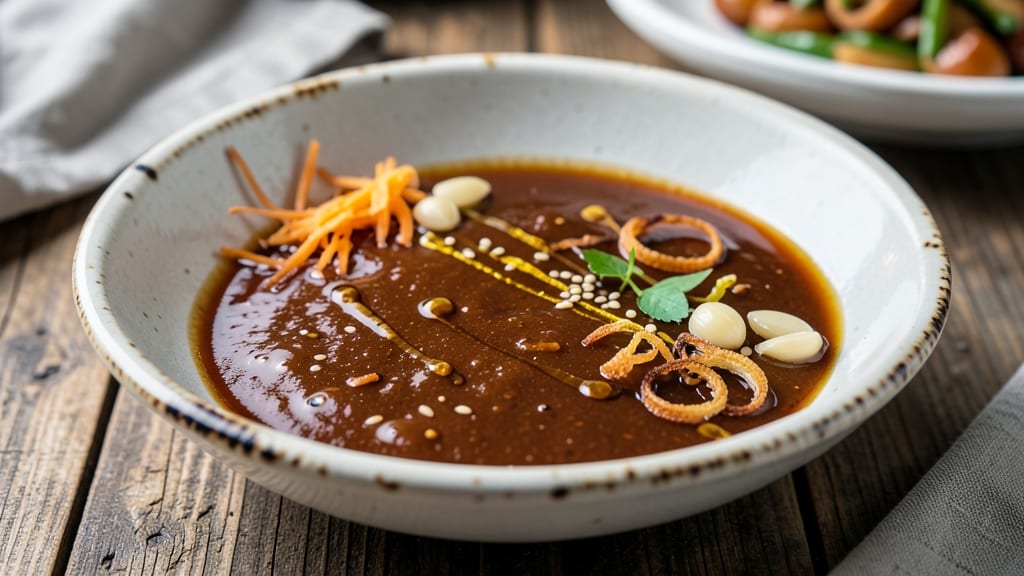
This award-winning teriyaki sauce recipe transforms ordinary dishes into restaurant-quality masterpieces with its perfectly balanced sweet-savory depth. 🌟 The secret lies in a precise blend of mirin, soy sauce, and ginger that creates a glossy, aromatic sauce with layers of umami and caramelized sweetness. I developed this recipe after years of refining store-bought versions—finally achieving that signature sticky, flavorful glaze that clings beautifully to meats and vegetables.
The magic happens through slow reduction, which intensifies the flavors while developing a rich, caramelized finish. This isn't just another sweet sauce—it's a complex harmony where the acidity of rice vinegar brightens the sweetness, while garlic and sesame oil add aromatic depth.
The result is a sauce that's versatile enough for glazing, marinating, or dipping, yet sophisticated enough to elevate any dish from ordinary to extraordinary.
What makes this teriyaki truly award-worthy is its ability to balance sweetness with savory umami perfectly—no cloying aftertaste, just pure, restaurant-quality flavor. The sauce thickens beautifully when reduced, creating that signature glossy sheen that makes every bite irresistible.
Whether you're using it to glaze salmon, chicken, or tofu, or as a dipping sauce for spring rolls, this recipe delivers professional results with simple ingredients.
With just 10 minutes of active prep and 20 minutes of simmering, you'll have a sauce that keeps well in the fridge for up to two weeks. The best part?
You can easily adjust the sweetness or umami to suit your taste preferences. Let's create this flavor-packed teriyaki that'll have everyone asking for your recipe.
Ingredients for award winning teriyaki sauce
Ten ingredients, restaurant-quality flavor—this teriyaki sauce transforms ordinary dishes into extraordinary masterpieces.
| Ingredient | Amount | Notes |
|---|---|---|
| Mirin 🍶 | ½ cup | High-quality mirin for authentic sweetness |
| Japanese Soy Sauce 🥢 | ½ cup | Kikkoman preferred for umami depth |
| Rice Vinegar 🍶 | ¼ cup | Seasoned preferred for balance |
| Fresh Ginger 🌿 | 2 tbsp | Finely grated, aromatic freshness |
| Garlic Cloves 🧄 | 4 cloves | Minced for aromatic depth |
| Sesame Oil 🫒 | 1 tbsp | Toasted for nutty aroma |
| Brown Sugar 🍯 | ¼ cup | Lightly packed for caramelization |
| Water 💧 | ½ cup | For thinning consistency |
| Diamond Crystal Kosher Salt 🧂 | ½ tsp | Adjusts seasoning perfectly |
| Black Pepper 🌶️ | ¼ tsp | Freshly ground for subtle heat |
Mirin is the secret weapon here—look for authentic Japanese mirin at Asian markets or specialty stores, not the sweetened cooking wine substitute. Kikkoman soy sauce gives the deepest umami, but Hawaiian Gold works too if you're in a pinch. Fresh ginger and garlic are non-negotiable; pre-minced jars lack the aromatic punch. For sesame oil, toasted sesame oil from Trader Joe's or Costco delivers that nutty aroma without bitterness. The brown sugar should be light and packed—dark sugar can make the sauce too bitter when caramelized.
No mirin? Substitute 1 tbsp sugar plus 1 tbsp water, but you'll lose that delicate floral note. Tamari or coconut aminos work for soy sauce if you're avoiding gluten, though the flavor profile shifts slightly. Pre-grated ginger? Toast it first—just 30 seconds in a dry pan—to deepen its flavor. The sesame oil can be swapped for neutral oil plus 1/2 tsp toasted sesame seeds, though it won't be identical. For a sweeter sauce, add 1 extra tbsp brown sugar; for more umami, reduce the water by 2 tbsp. The sauce thickens as it reduces, so if it's too thin after simmering, stir in 1 tsp cornstarch mixed with 1 tbsp water at the end.
This sauce keeps beautifully—up to 2 weeks in the fridge, 6 months frozen. For freezing, portion into ice cube trays first, then transfer to a bag. The flavor actually improves after a few days as the ingredients meld. Use it to glaze proteins, toss with noodles, or drizzle over stir-fries. Double the batch—it disappears fast. Leftovers? Thin with a splash of water or broth if it thickens too much when reheated.
Why You'll Love This Recipe
- Pantry Magic: I swear by this recipe because it uses things I already have—no last-minute grocery runs. The mirin and rice vinegar add that bright, tangy lift without needing specialty bottles, and the ginger and garlic? Just a quick grating and mincing while the sauce simmers.
- Umami Bomb: That deep, savory punch from the Japanese soy sauce and mirin? It’s ridiculously good—especially when it caramelizes just right. Honestly, the first time I tasted it glaze chicken, I poured seconds on my plate without thinking.
- Glaze Everything: Between us, this sauce is my secret weapon for weeknight dinners and potlucks. Slather it on grilled salmon, toss it with roasted veggies, or drizzle it over noodles—it turns ordinary meals into something special. (Yes, even on a Tuesday night.)
- Make-Ahead Gold: I double the batch and store it in the fridge for up to two weeks. The flavors actually get better as it sits, and it’s cheaper than buying pre-made bottles. Plus, no one can tell I didn’t spend hours in the kitchen—just a few minutes of stirring.
Step-by-step instructions for award-winning teriyaki sauce
Here's how to craft a restaurant-quality teriyaki that's glossy, perfectly balanced, and packed with depth.
🍳 Step 1: Bloom the Aromatics in Toasted Sesame Oil
Heat a medium saucepan over medium-low heat and add the 1 tablespoon sesame oil. Let it warm for 30 seconds until fragrant—you'll smell that nutty, toasty aroma. Add the 2 tablespoons finely grated fresh ginger and 4 minced garlic cloves, stirring constantly for 1 minute until the garlic turns golden and the ginger softens slightly.
This step is where the magic starts. The sesame oil carries those aromatic compounds that will become the sauce's foundation. Don't rush this—if the garlic starts to brown too quickly, reduce the heat slightly. You're looking for fragrant, not burned. The ginger should be soft but still vibrant in color, not mushy.
🥘 Step 2: Combine Wet Ingredients and Simmer Gently
Pour in the 0.5 cup mirin, 0.5 cup Japanese soy sauce, and 0.25 cup rice vinegar all at once. Stir vigorously to combine, then add the 0.25 cup brown sugar and 0.5 cup water. Bring the mixture to a gentle simmer over medium heat, then reduce to the lowest setting possible while maintaining a steady simmer.
Here's the thing—you want this to bubble gently but not boil vigorously. If it boils too hard, the sauce will splatter and lose its delicate balance. Let it simmer uncovered for 8-10 minutes until the mixture reduces by about 25% and thickens slightly. You'll notice the aroma becoming more complex as the alcohol from the mirin cooks off.
🔥 Step 3: Build Depth and Thickness
After the initial reduction, increase heat to medium-low and let the sauce continue simmering uncovered for another 10-12 minutes. Stir occasionally to prevent sticking, scraping up any browned bits from the bottom of the pan—they're packed with flavor. The sauce should now coat the back of a spoon and have a syrupy consistency.
Taste and adjust seasoning if needed. If it's too sweet, add a splash more Japanese soy sauce (1 teaspoon at a time). If it needs more acidity, add a little rice vinegar. The balance should be sweet, salty, and slightly tangy with that deep umami from the soy sauce. Now's also the time to add the 0.5 teaspoon Diamond Crystal kosher salt and 0.25 teaspoon black pepper—freshly ground pepper adds a subtle heat that rounds out the flavors.
⏰ Step 4: Finish with Gloss and Texture
For that professional glossy finish, transfer the sauce to a clean saucepan and simmer over low heat for another 5 minutes. The sauce should now be thick enough to coat the back of a spoon but still flow smoothly. If it's too thick, add 1 tablespoon water at a time until it reaches your desired consistency.
Here's a pro tip: For an extra-smooth sauce, strain it through a fine-mesh sieve to remove any ginger or garlic bits. This gives you that silky texture that makes the sauce look restaurant-worthy. Let the sauce cool slightly before using—it will thicken further as it cools, so don't strain it when it's piping hot.
Pro Tips For Making Award Winning Teriyaki Sauce
- Simmer Slow and Steady: I learned this the hard way—boiling teriyaki sauce turns it bitter. Keep the heat at a gentle simmer (tiny bubbles, not rolling) and stir often. If it reduces too fast, add a splash of water or rice vinegar to keep it balanced.
- Grind Ginger Like a Pro: Peel and slice ginger into thin matchsticks before cooking—this way, it infuses flavor without turning to mush. Skip the pre-grated jar; it’s waterlogged and lacks punch. (Yes, even if you’re impatient like me.)
- Balance the Soy Early: Taste the sauce after adding soy sauce and mirin, but before the ginger and garlic. If it’s too salty, dilute with a little extra rice vinegar. Adjusting later is harder once the flavors meld.
- Toast Garlic First: Mince the garlic, then sauté it in a dry pan for 30 seconds until fragrant. This deepens its flavor without burning. Add it to the sauce at the very end—raw garlic can turn bitter when simmered too long. (Your future self will thank you.)
Serving suggestions for leftovers
Glazing Proteins
This teriyaki sauce transforms ordinary proteins into showstoppers. Brush 2-3 tablespoons onto salmon, chicken thighs, or tofu 5 minutes before the end of cooking. For extra shine, broil for 1-2 minutes after glazing.
I love using it on baked chicken thighs at 375°F—the sauce caramelizes beautifully, creating a crispy-sweet crust. 🔥
Marinating Meats
Use half the sauce to marinate proteins for 30-60 minutes before cooking. The acidity in rice vinegar tenderizes while the soy sauce adds depth. I marinate boneless pork chops for 45 minutes before pan-searing, then finish with a quick glaze.
For extra tenderness, add 1 tbsp honey to the marinade. Always reserve 2 tbsp of the sauce for post-cooking glazing.
Dipping Sauce Perfection
Serve warm or at room temperature for dipping spring rolls, dumplings, or grilled skewers. Thin with 1-2 tbsp water if needed for dipping consistency. I love pairing it with steamed pork buns or crispy tofu sticks.
For extra flair, sprinkle with toasted sesame seeds or sliced green onions right before serving. The sauce's glossy finish makes every bite look restaurant-worthy. ✨
Noodle Elevation
Toss 1-2 tbsp of sauce with cooked noodles for instant flavor. Work it in while the noodles are still hot so they absorb the sauce evenly. I recommend using it with udon noodles or rice noodles—the sauce's slight stickiness clings beautifully.
For extra richness, stir in 1 tbsp butter at the end. Garnish with chopped scallions and sesame seeds for freshness.
Vegetable Glaze
Brush onto grilled or roasted vegetables for a sweet-savory twist. Try it on eggplant slices or bell peppers roasted at 400°F for 15-20 minutes. The sauce caramelizes beautifully on the edges.
I also love drizzling it over steamed broccoli or bok choy for a quick side dish that feels gourmet. The sauce's umami depth makes vegetables taste even more satisfying. 💫
Breakfast Twist
Use this sauce to glaze bacon or sausage for a sweet-savory breakfast. Brush on during the last 2 minutes of cooking. I also love drizzling it over scrambled eggs or pancakes for a Japanese-inspired brunch.
For extra protein, top with soft-boiled eggs or crispy tofu. The sauce's complexity turns simple breakfasts into memorable meals.
Nutrition facts
Frequently asked questions about award-winning teriyaki sauce
Can I substitute mirin in this teriyaki sauce?
Yes, but you'll lose some authenticity. Use 1 tbsp sugar plus 1 tbsp water per 0.5 cup mirin called for. For deeper flavor, add 1 tsp rice vinegar to mimic mirin's acidity. The sauce will still taste great, though it won't have that delicate floral note that makes premium teriyaki special.
How do I adjust the sweetness or saltiness?
For less sweetness, reduce brown sugar by 1 tbsp and add 1 tbsp soy sauce. For more umami, increase soy sauce by 1 tbsp and reduce water by 2 tbsp. If it's too salty, thin with 1 tbsp water or add a splash of rice vinegar. Taste as you go—the sauce should balance sweet, salty, and tangy flavors.
Why did my teriyaki sauce turn out too thin?
This usually happens from one of three things: not enough simmering time, too much water added, or using a non-stick pan that doesn't allow proper caramelization. For best results, simmer uncovered for the full 20-25 minutes and use a stainless steel or heavy-bottomed pan. If it's still too thin, mix 1 tsp cornstarch with 1 tbsp water and stir in at the end.
Can I make this sauce gluten-free?
Replace Japanese soy sauce with tamari or coconut aminos (use 0.6 cup instead of 0.5 cup for similar saltiness). The flavor will be slightly different but still delicious. For extra umami, add 1 tsp gluten-free fish sauce or 1 tbsp nutritional yeast to compensate for the soy sauce's depth.
How long will this teriyaki sauce keep?
Store in an airtight container in the fridge for up to 2 weeks, or freeze for 6 months. The flavor actually improves after a few days as ingredients meld. For freezing, portion into ice cube trays first—this makes it easy to thaw just what you need. The sauce thickens as it cools, so thin with water if needed before using.