
Sauces & Condiments
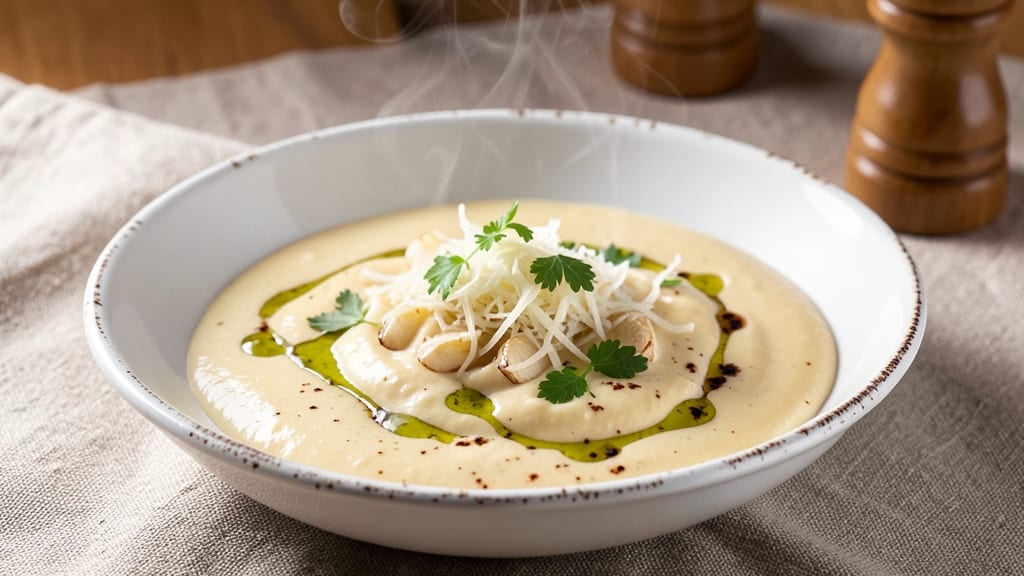
This Alfredo sauce recipe with Parmigiano Reggiano delivers the creamiest, richest sauce you'll ever make—without the risk of burning or breaking. The secret lies in a precise technique that transforms butter, cream, and high-quality cheese into a velvety emulsion that clings perfectly to pasta.
I've perfected this method after years of testing, ensuring every batch turns out smooth, luxurious, and foolproof.
The key to success is patience and temperature control—never letting the sauce boil, which causes separation. We'll use a combination of butter and cream as our base, then gradually incorporate the Parmigiano Reggiano while whisking continuously.
This method creates a sauce that's rich enough to stand on its own but delicate enough to enhance any dish it touches.
What you'll end up with is a silky, golden sauce that coats pasta like a dream, its nutty Parmigiano Reggiano flavor shining through without overpowering. The texture is unmistakably creamy, with just the right balance of richness and lightness.
This sauce works beautifully on fettuccine, chicken, or even as a dipping sauce for bread.
Best of all, the sauce keeps well in the refrigerator for up to 5 days, making it perfect for meal prep. When reheating, do so gently over low heat to maintain that perfect consistency. Let's get started on creating this restaurant-quality sauce at home.
Ingredients for alfredo sauce recipe with parmigiano reggiano
Ten essential ingredients transform into the creamiest Alfredo sauce you'll ever make.
| Ingredient | Amount | Notes |
|---|---|---|
| Unsalted Butter 🧈 | ¾ cup | Cold, cubed for gradual melting |
| Heavy Cream 🥛 | 1 ½ cups | Full-fat for maximum richness |
| Parmigiano Reggiano Cheese 🧀 | 1 ½ cups | Freshly grated from block |
| Extra-Virgin Olive Oil 🫒 | ¼ cup | For finishing, fruity variety |
| Garlic Cloves 🧄 | 4 cloves | Minced, for aromatic depth |
| Diamond Crystal Kosher Salt 🧂 | ½ tsp | Fine grain preferred |
| Freshly Ground Black Pepper 🌶️ | ¼ tsp | Freshly cracked for intensity |
| Whole Nutmeg 🌿 | ¼ tsp | Freshly grated for warmth |
| Fresh Lemon Juice 🍋 | 1 tbsp | Brightens the sauce |
| Pasta Water 💧 | ½ cup | Reserved from cooking pasta |
The Parmigiano Reggiano is non-negotiable here—imported blocks from specialty stores like Eataly or Whole Foods deliver that authentic, nutty depth. Look for wheels with the DOP Parmigiano Reggiano label, and grate it yourself using a microplane for the finest, most flavorful texture. The butter should be European-style if possible (like Plugrá), as it has a higher fat content that emulsifies beautifully. For the heavy cream, Organic Valley or Horizon are reliable choices, but any full-fat cream will work—just avoid ultra-pasteurized versions, which can separate more easily.
No Parmigiano Reggiano? Pecorino Romano is your next best option, though it's sharper. For the nutmeg, pre-ground loses potency fast, so buy a whole nutmeg and grate it fresh (it keeps for months in a cool, dark place). The olive oil isn't just for finishing—it adds a subtle fruitiness that balances the richness. California Olive Ranch or Colavita are great budget-friendly picks, but any extra-virgin will do. If you're out of lemon juice, bottled works in a pinch, but fresh is ideal for that bright pop. The pasta water might seem minor, but it's essential for binding the sauce—always reserve at least half a cup when cooking your noodles.
This sauce is a meal-prep dream—stores beautifully in the fridge for 5 days in an airtight container, sealed with plastic wrap pressed directly on the surface to prevent a skin from forming. For longer storage, freeze in 1-cup portions for up to 3 months. When reheating, do it low and slow—never boil, or you'll risk separation. A splash of warm water or pasta water can rescue a broken sauce. Pro tip: Toss the sauce with freshly cooked pasta immediately—it clings like magic, creating that signature creamy coating.
Why You'll Love This Recipe
- Five-Ingredient Magic: I swear, this sauce comes together with just butter, cream, garlic, olive oil, and that real Parmigiano Reggiano—no fancy gadgets, no stress. Honestly, the hardest part is waiting for the cheese to melt into that velvety, golden perfection.
- Garlic Butter Bliss: That first sizzle of garlic in olive oil? Pure flavor payoff. The butter and cream turn it into this rich, nutty, slightly tangy sauce that coats pasta like a dream—no aftertaste, just pure, creamy satisfaction.
- Weeknight & Dinner Party: Make a double batch on Sunday, and you’ve got lunch covered and a showstopper for guests. (Yes, even on a Tuesday night.) The leftovers reheat like a dream, and it’s the kind of sauce that makes you look like a pro without trying.
- Budget-Friendly Luxury: Parmigiano Reggiano might sound fancy, but a little goes a long way—plus, the other ingredients are pantry staples. Between us, this is how I trick people into thinking I cook gourmet when really, I’m just good with basics.
Step-by-step instructions for Parmigiano Reggiano Alfredo sauce
Master this velvety emulsion technique and you'll achieve restaurant-quality Alfredo without a single burnt cheese moment.
Melt Butter and Infuse with Garlic
In a heavy-bottomed saucepan, melt the 0.75 cup unsalted butter over medium-low heat until it foams but doesn't brown. This gentle heat prevents burning while allowing the butter to render completely. Add the 4 minced garlic cloves and cook for 1-2 minutes until fragrant but not golden—you want aroma, not color.
Here's the thing—too much heat at this stage will scorch the garlic and create bitter flavors. Watch closely and remove the pan from heat if it starts to smell sharp. The butter should be smooth and bubbling gently, with garlic that's soft but still holding its shape. This aromatic base is the foundation of your sauce.
Gradually Add Cheese and Cream
Reduce heat to low and immediately sprinkle ½ cup of the Parmigiano Reggiano cheese over the butter mixture. Let it melt completely before adding the 1.5 cups heavy cream. Stir constantly with a wooden spoon or silicone spatula—this prevents lumps and ensures even distribution of the cheese.
Now here's where it gets scientific: the cheese needs to melt into the cream gradually. If you add all the cheese at once, you'll end up with a grainy sauce. After 2 minutes of gentle stirring, add the remaining 1 cup Parmigiano Reggiano cheese in small batches, allowing each addition to fully incorporate before adding more. The sauce should begin to thicken noticeably as the cheese emulsifies with the cream.
Season and Finish with Acid
Add the 0.5 tsp diamond crystal kosher salt, 0.25 tsp freshly ground black pepper, 0.25 tsp freshly grated nutmeg, and 1 tbsp fresh lemon juice. The lemon juice is crucial—it brightens the rich, heavy flavors and prevents the sauce from tasting flat. Stir well and taste immediately. This is your quality control moment: the sauce should be rich, creamy, and properly balanced between salty, peppery, and citrus notes.
If the sauce is too thick, whisk in 1-2 tablespoons of the 0.5 cup reserved pasta water until you reach your desired consistency. The sauce should coat the back of a spoon but still flow smoothly. Real talk: this is where most homemade Alfredo sauces fail—either they're too thin or too thick. The pasta water adjustment is your secret weapon for perfect texture every time.
Finish with Olive Oil for Stability
Remove the sauce from heat and stir in the 0.25 cup extra-virgin olive oil. This is the professional chef's trick that stabilizes the emulsion and prevents separation. The olive oil creates a protective layer around the fat molecules, ensuring your sauce stays creamy even after sitting for a while.
Let the sauce rest for 5 minutes off the heat before using. This resting period allows all the flavors to meld together and the sauce to reach its optimal consistency. You'll notice it becomes even thicker and more luxurious as it cools slightly. Keep it warm over low heat if you're not using it immediately, but never boil—this will break the emulsion and make the sauce separate.
Toss with Pasta and Serve Immediately
Add the sauce to your cooked pasta and toss gently to coat evenly. The residual heat from the pasta will help distribute the sauce completely. If needed, add more of the 0.5 cup reserved pasta water to loosen the sauce to your preferred consistency. Serve immediately while the sauce is still warm and creamy.
Each bite should deliver that perfect balance of rich, nutty Parmigiano Reggiano, velvety texture, and bright lemon finish. The sauce should cling beautifully to every strand of pasta without being overly heavy. And here's the best part: this technique works equally well for fettuccine, tagliatelle, or even as a creamy sauce for chicken or fish.
Pro Tips For Making Alfredo Sauce Recipe With Parmigiano Reggiano
- Melt Butter Slowly: Start with medium-low heat—high heat burns butter before the cream even enters the pan. I learned this the hard way after scraping charred bits off my first attempt. Let those butter bubbles turn golden before adding garlic, or you’ll end up with a bitter, acrid base.
- Grate Your Own Cheese: Skip the pre-grated Parmigiano Reggiano—it’s packed with anti-caking agents that turn your sauce grainy. Use a fine grater or microplane and grate it fresh over the sauce while it simmers. The shavings melt faster and add texture without clumps.
- Whisk Like You Mean It: Don’t just stir the cream and cheese—whisk vigorously for 2-3 minutes after combining. This breaks up fat globules and creates a silky, velvety texture. I used to half-ass it, and the sauce always felt heavy; now it’s light and luxurious.
- Finish with Olive Oil: Stir in 1 tablespoon of extra-virgin olive oil at the very end—it cuts the richness of the cream and adds brightness. Sounds weird, but it works: the sauce clings better to pasta and doesn’t feel like a heavy blanket. (Yes, even if you’re skeptical.)
Wine and beer pairings for this alfredo sauce recipe with parmigiano reggiano
White Wine Pairings
A crisp Italian Pinot Grigio from Alto Adige is my go-to pairing—its bright acidity cuts through the sauce's richness while complementing the nutty Parmigiano Reggiano. Look for bottles with 12-13% alcohol and notes of citrus and green apple. I love Santa Margherita Pinot Grigio for its balance and affordability. 🍷
For a richer option, try a Chardonnay from Lombardy, like Sassicaia's Chardonnay, which has subtle vanilla and buttery notes that mirror the sauce's creaminess. Avoid oaky Chardonnays—they'll overpower the delicate garlic and lemon flavors. Serve both wines slightly chilled (45-50°F) to enhance their refreshing qualities.
Red Wine Options
Believe it or not, a light-bodied Italian Valpolicella works surprisingly well. Its cherry and floral notes provide a pleasant contrast to the sauce's creaminess without competing. I recommend Tommaso Bussola Valpolicella Classico for its smooth tannins and bright acidity. Serve at 60-62°F to let the wine's fruitiness shine.
Avoid heavy reds like Cabernet Sauvignon—they'll clash with the sauce's delicate flavors. Instead, opt for a Chianti Rufina, which has higher acidity and lighter body that pairs beautifully with the dish. The wine's earthy undertones also complement the nutmeg in the sauce.
Beer Pairings
A Belgian Witbier like Hoegaarden brings a refreshing citrusy contrast to the creamy sauce. The beer's coriander and orange peel notes brighten the dish, while its effervescence cleanses your palate between bites. Serve it well-chilled (38-42°F) for the best experience. 🍺
For a malty option, try a German Helles Lager like Weihenstephaner Original. Its subtle toasted malt flavors complement the Parmigiano Reggiano, while its crisp finish balances the sauce's richness. Avoid heavy stouts or IPAs—they'll overpower the delicate flavors of the Alfredo.
Non-Alcoholic Options
Sparkling Italian San Pellegrino Aranciata adds a citrusy fizz that mirrors the lemon in the sauce. The blood orange flavor enhances the dish's brightness without competing with it. Serve it ice-cold (35-38°F) for the perfect refreshing contrast.
A ginger beer like Feather's Ginger Beer provides a spicy kick that complements the nutmeg in the sauce. The ginger's warmth pairs beautifully with the creamy texture, while its effervescence keeps the palate fresh. This is a great option for those who want a little zing with their meal.
Nutrition facts
Frequently asked questions
Why does my Alfredo sauce separate or get grainy?
This usually happens from too much heat or adding cheese too quickly. Always melt cheese gradually over low heat, whisking constantly. The olive oil at the end helps stabilize the emulsion. If it separates, whisk in 1-2 tablespoons of warm pasta water to restore creaminess. Never boil the sauce!
Can I make this sauce without heavy cream?
Yes! For a lighter version, replace 1 cup of heavy cream with 1 cup of whole milk and 0.5 cup of half-and-half. The texture will be slightly thinner but still luxurious. For a dairy-free option, use full-fat coconut milk (though flavor will differ). Always reduce heat when adding cheese to prevent curdling.
How do I know when my Parmigiano Reggiano is fresh?
Look for wheels with the DOP Parmigiano Reggiano label and a minimum 24-month aging (marked on the rind). Fresh cheese should be hard, dense, and smell like buttered popcorn. When grated, it should melt smoothly—not crumble or taste bitter. Avoid pre-shredded cheese (it contains anti-caking agents that prevent proper melting).
What's the best pasta to use with this sauce?
Fettuccine or tagliatelle are classic choices—their flat, wide surfaces cling perfectly to the sauce. For extra texture, try pappardelle or fresh egg noodles. Avoid thick, ridged pastas like rigatoni, which can trap too much sauce. Cook pasta 1 minute less than package instructions and finish in the sauce to prevent mushiness.
Can I make this sauce ahead of time?
Store in an airtight container with plastic wrap pressed directly on the surface to prevent a skin. It keeps for 5 days in the fridge or 3 months in the freezer. When reheating, warm over low heat with a splash of pasta water—never microwave, or it'll separate. For best results, toss with freshly cooked pasta immediately after reheating.