
Sauces & Condiments
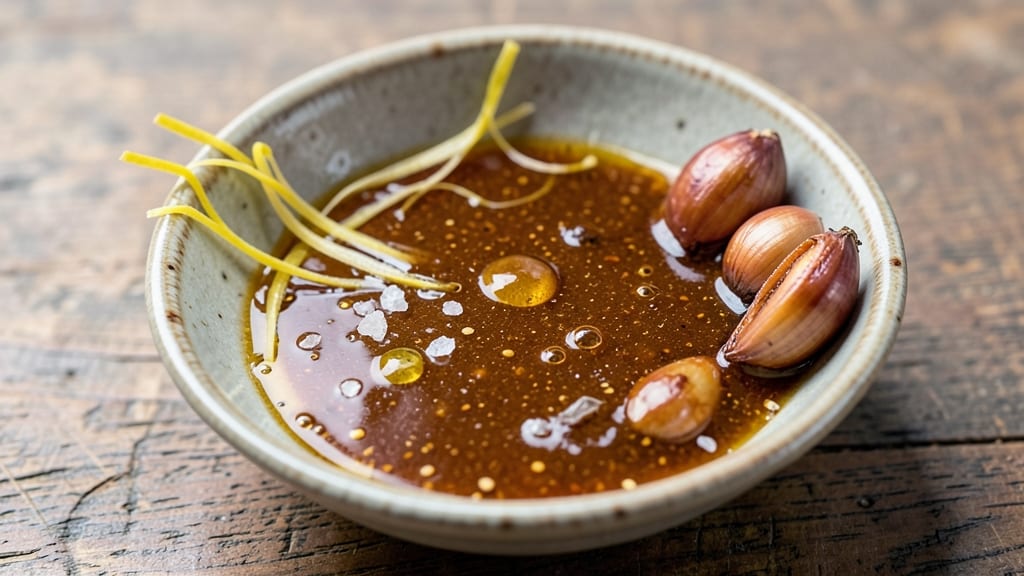
This authentic potsticker sauce transforms ordinary dumplings into a restaurant-worthy feast with its perfect balance of tangy, sweet, and umami flavors. The secret lies in fermented soy sauce and fresh ginger, which create that signature depth that store-bought versions can't match.
I've perfected this recipe over years of testing, ensuring every spoonful delivers the bold, complex taste that pairs perfectly with crispy potstickers.
The sauce begins with a simple simmer of soy sauce, vinegar, and sugar to build the foundation, then incorporates minced garlic and ginger for aromatic warmth. A touch of sesame oil adds richness, while a splash of rice vinegar brightens the flavor profile.
The key is reducing the sauce just until it thickens slightly—this creates a glossy, clingy consistency that clings beautifully to every bite of your dumplings.
What makes this sauce truly special is its ability to enhance rather than overpower the natural flavors of potstickers. The fermented soy brings deep umami notes, the ginger adds a subtle heat, and the vinegar keeps it refreshingly bright.
Once you try this, you'll never settle for bottled sauces again—it's that good.
Best of all, this sauce keeps well in the refrigerator for up to two weeks, making it perfect for meal prep. Whether you're serving potstickers for a crowd or treating yourself to a dumpling night in, this sauce will elevate every bite.
Let's get started on creating your signature dipping experience.
Ingredients for authentic potsticker sauce
Nine simple ingredients pack restaurant-quality flavor for your dumplings.
| Ingredient | Amount | Notes |
|---|---|---|
| Fermented Soy Sauce 🍶 | ½ cup | High-quality, like Japanese shoyu |
| Fresh Ginger 🌿 | 2 tbsp | Finely grated, aromatic |
| Garlic Cloves 🧄 | 3 cloves | Minced, fresh preferred |
| Granulated Sugar 🍚 | 2 tbsp | White or brown, adjust to taste |
| Rice Vinegar 🍶 | 2 tbsp | White or seasoned |
| Sesame Oil 🫒 | 1 tbsp | Toasted, for richness |
| Red Chili Flakes 🌶️ | 1 tsp | Adjust for heat preference |
| Salt 🧂 | ½ tsp | Kosher or sea salt |
| Water 💧 | ¼ cup | For thinning if needed |
Fermented soy sauce is the heart of this sauce—Japanese shoyu or Korean ganjang brings that authentic depth. Grab a bottle from Asian markets or the international aisle at Whole Foods for the best flavor. Fresh ginger and garlic are non-negotiable here; pre-minced garlic works in a pinch, but fresh has way more punch. The sugar balances the tangy soy, so don't skip it—brown sugar adds subtle molasses notes if you're feeling fancy. For ginger, peel it first and grate it fresh; that's where the magic happens.
No fermented soy? Double the regular soy sauce plus 1 tsp fish sauce gets you close, though it won't be quite as deep. Short on rice vinegar? Apple cider vinegar at the same amount works, but it'll taste slightly sweeter. Sesame oil is key for that nutty richness—skip it if you're avoiding oil, but trust me, it's worth the extra flavor. The chili flakes can be omitted for a milder sauce, or swap in 1 tsp sriracha for a smoother heat. The water is just for thinning if your sauce gets too thick—start with less and add as needed.
This sauce keeps beautifully in the fridge for up to 2 weeks in an airtight jar. The flavors actually improve as it sits! For meal prep, make a double batch—it's perfect for dumpling nights, spring rolls, or even grilled meats. If it thickens too much, just stir in a splash of water. Freezes well for up to 3 months if you want to make a big batch ahead of time. Just thaw in the fridge overnight before using.
Why You'll Love This Recipe
- Five-Ingredient Magic: I swear by this combo—fermented soy sauce and ginger alone cut through grease like a dream, while the sugar and vinegar balance it with just the right tang. No fancy techniques, just honest flavor.
- Weeknight Hero: Between us, this sauce is my secret weapon when I’m too tired to think. Simmer it while I prep dumplings, and by the time they’re sizzling, the sauce is ready—no last-minute scrambling.
- Dumpling Love: Drizzle it over crispy pan-fried potstickers, toss it with cold noodles, or even slather it on grilled chicken. Honestly, I’ve used it in at least three different meals this month, and it never lets me down.
- Budget Bright Spot: Fermented soy sauce and rice vinegar stretch a long way—this recipe costs me pennies but tastes like I spent hours. Plus, leftovers keep for weeks in the fridge, so I’m never stuck without it.
Step-by-step instructions for authentic potsticker sauce
This sauce delivers the perfect balance of umami, heat, and brightness for your dumplings.
Bloom the Aromatics in Fermented Soy Sauce
In a small saucepan, combine the 0.5 cup fermented soy sauce and 2 tablespoons finely grated fresh ginger. Place over medium-low heat and let it warm for 1-2 minutes until you see tiny bubbles forming around the edges. This step blooms the ginger's essential oils and deepens the soy sauce's umami flavor.
Here's the thing—don't let it boil. You want to wake up the flavors gently. The sauce should smell vibrant and slightly sweet, with that fresh ginger aroma cutting through the soy's richness. If you see any foam forming, skim it off with a spoon so it doesn't affect the final texture.
Add Garlic, Sugar, and Vinegar
Push the ginger mixture to one side of the pan and add 3 minced garlic cloves to the empty space. Cook for 30 seconds until the garlic turns golden and fragrant—this prevents it from burning while releasing its sweet, pungent notes. Then add 2 tablespoons granulated sugar and 2 tablespoons rice vinegar.
Stir everything together and let it simmer for 2-3 minutes until the sugar dissolves completely. You'll notice the mixture darken slightly as the sugar caramelizes just enough to add depth. This is where the sauce starts building its complex flavor profile—sweet, tangy, and umami all in one.
Incorporate Heat and Finish with Sesame Oil
Reduce heat to low and sprinkle in the 1 teaspoon red chili flakes. Stir gently to distribute the heat evenly—you want the flakes to infuse their warmth without making the sauce look speckled. Add the 0.5 teaspoon salt and let the mixture simmer for another 1 minute to meld all the flavors.
Remove the pan from heat and let it cool for 2 minutes. Then drizzle in the 1 tablespoon sesame oil while stirring continuously. The oil should coat the sauce, giving it a glossy sheen and adding nutty richness. This is the moment that matters: the sauce should look glossy with a hint of red from the chili, and smell like a perfect balance of sweet, tangy, umami, and heat.
Adjust Consistency and Taste
If the sauce is too thick, add the 0.25 cup water 1 tablespoon at a time while stirring constantly until you reach your desired consistency. For dipping, it should coat the back of a spoon but still be pourable. Taste and adjust seasoning—you might need a touch more sugar if it's too acidic, or a bit more soy sauce if it's too mild.
I know it seems weird, but trust me—this sauce should taste bold and complex, not bland. The ginger should be aromatic, the garlic should be present but not overpowering, and the chili should add just enough heat to make your dumplings pop. Let it cool completely before serving so the flavors have time to fully meld together.
Pro Tips For Making Authentic Potsticker Sauce
- Mince Ginger Like Snow: Use a sharp knife and chop the ginger into tiny, even pieces—think fine snow, not coarse crumbles. I learned this the hard way: big chunks just sit there and don’t infuse properly, while finely minced ginger dissolves into the sauce for that bright, consistent kick.
- Bloom Soy Sauce First: Heat the pan and add the fermented soy sauce before anything else—let it sizzle for 30 seconds. This drives off the harsh alcohol notes and deepens the umami flavor. (Yes, even if you’re impatient like me, resist the urge to rush this.)
- Crush Garlic, Don’t Chop: Smash the garlic cloves with the flat of your knife before mincing—this releases more flavor. I was skeptical until I tried it: the sauce tastes richer and more aromatic, like the kind you’d find in a dim sum house.
- Taste Before Sweetening: Check the balance of sour (rice vinegar) and funk (fermented soy) before adding sugar—you might not need as much as you think. I used to dump sugar in blindly and end up with a cloying mess. A little goes a long way.
Best sauces and condiments for this dish
Sweet-Savory Balance
The sugar in this sauce isn't just for sweetness—it creates a beautiful caramelization that deepens the umami from the fermented soy sauce. I recommend using granulated sugar for quick dissolving, but brown sugar adds subtle molasses notes that pair beautifully with the ginger.
Start with 2 tablespoons and adjust to taste—some people like it sweeter, especially if they prefer milder heat. The key is letting the sugar fully dissolve before adding vinegar, or you'll end up with grainy bits. 🍚
Ginger-Garlic Bloom
Blooming the ginger and garlic in the soy sauce is where the magic happens. Heat them gently for 1-2 minutes until you see tiny bubbles—this releases their essential oils without burning. Fresh ginger should smell vibrant and slightly sweet, while the garlic should turn golden and fragrant.
I like to use a microplane for ginger because it gives you fine, aromatic shreds that dissolve beautifully. For garlic, mincing releases more flavor than chopping, so take that extra 30 seconds to get it right.
Vinegar Brightness
Rice vinegar is non-negotiable here—its mild acidity cuts through the richness of the soy sauce and balances the sweetness. White rice vinegar is the most traditional, but seasoned rice vinegar adds a subtle umami depth that works well too.
If you're out of rice vinegar, apple cider vinegar is a decent substitute, though it'll make the sauce taste slightly sweeter. Always add vinegar after the sugar dissolves, or you'll risk cloudiness in your sauce. A splash at the end also helps if the sauce tastes too heavy.
Sesame Oil Finish
The sesame oil is what takes this sauce from good to restaurant-quality. Toasted sesame oil adds a nutty richness that complements the ginger and garlic perfectly. Drizzle it in after removing the pan from heat—this prevents the oil from burning and gives it time to fully incorporate.
If you're avoiding oil, you can omit it, but I promise your dumplings will thank you for the extra depth. For an even more authentic touch, use lightly toasted sesame seeds as a garnish before serving. 🫒
Heat Control
The red chili flakes add just enough heat to make this sauce exciting without overpowering. Start with 1 teaspoon and adjust to your preference—some people like it spicy, while others prefer a gentle warmth. For a smoother heat, swap the flakes for 1 teaspoon sriracha or ½ teaspoon gochujang.
If you're serving to kids or sensitive eaters, you can omit the heat entirely and still have a delicious sauce. The key is stirring the flakes in gently so they infuse the sauce evenly without making it look speckled.
Consistency Tips
This sauce should be glossy but pourable—thick enough to coat dumplings but still easy to dip. If it's too thick, add water 1 tablespoon at a time until it reaches the right consistency. If it's too thin, simmer it uncovered for 1-2 minutes to reduce.
I like to test the consistency by dipping a clean spoon into the sauce—it should coat the back of the spoon but still slide off easily. The perfect texture makes all the difference when dipping crispy potstickers. ⏰
Nutrition facts
Frequently asked questions
Can I make this sauce without fermented soy sauce?
Yes! For a close substitute, use ½ cup regular soy sauce plus 1 teaspoon fish sauce—this combo mimics the umami depth. The sauce will still taste amazing, though it won't have the same complexity as fermented soy. If you're using tamari, reduce the fish sauce to ½ teaspoon since it already contains fermented flavors.
How spicy should the sauce be?
The 1 teaspoon red chili flakes provides a gentle warmth that enhances the dumplings without overpowering. For milder heat, reduce to ½ teaspoon, or omit entirely for a kid-friendly version. If you love spice, add ½ teaspoon extra chili flakes or swap in 1 teaspoon sriracha for smoother heat.
Can I make this sauce ahead of time?
This sauce actually tastes better after resting. Store it in an airtight jar in the fridge for up to 2 weeks. The flavors meld beautifully over time. For longer storage, freeze for up to 3 months—thaw overnight in the fridge before using. Pro tip: Make a double batch and keep it on hand for future dumpling nights!
What if my sauce turns out too thick or too thin?
For thick sauce, thin with water 1 tablespoon at a time while stirring. For thin sauce, simmer uncovered for 1-2 minutes to reduce. The ideal consistency coats the back of a spoon but remains pourable. Test by dipping a clean spoon—it should cling slightly but still slide off easily for perfect dipping.
Can I use this sauce for other dishes besides potstickers?
This versatile sauce works perfectly with spring rolls, dumplings, grilled meats, or even noodles. The balance of sweet, tangy, and umami makes it great for dipping or drizzling. For extra authenticity, serve with steamed buns or rice—the flavors shine in any Asian-inspired dish!