
Sauces & Condiments
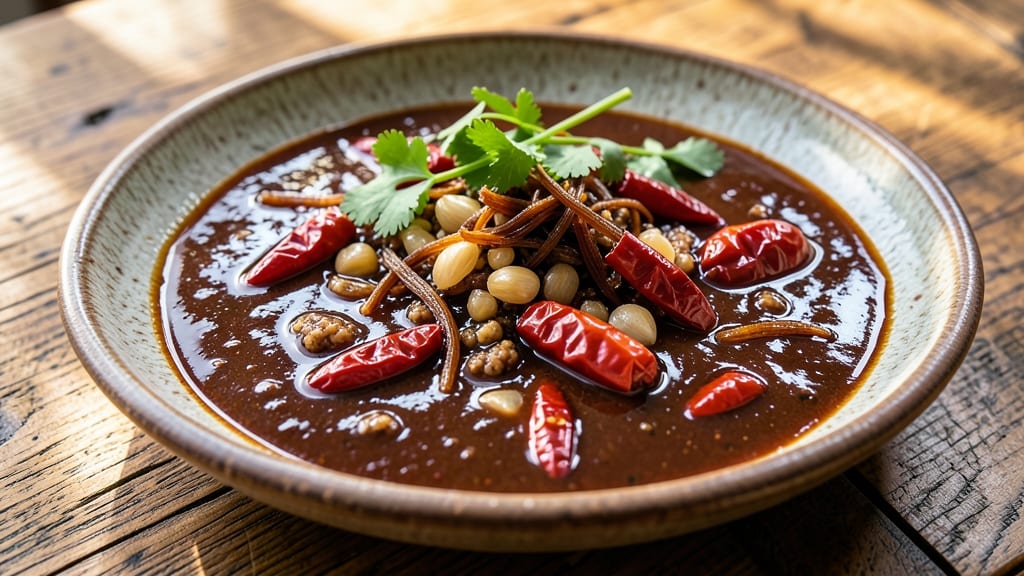
This Andoks sauce recipe transforms simple ingredients into a bold, umami-rich condiment that elevates everything from grilled meats to fresh seafood. The foundation is fermented shrimp paste (bagoong), blended with smoky tomatoes, garlic, and shallots to create a sauce that balances tangy, salty, and slightly sweet notes.
What sets this apart is the fermentation process, which deepens the flavor over time—though you can enjoy it fresh if you're short on patience.
The beauty of Andoks sauce lies in its versatility. Use it as a dipping sauce for spring rolls or grilled prawns, a marinade for chicken or pork, or a topping for noodles and stir-fries.
The smoky tomato base pairs perfectly with the funky depth of bagoong, while a touch of vinegar brightens the richness. Unlike store-bought versions, this recipe lets you control the heat level—add chili for a kick or keep it mild for a smoother flavor.
Preparation is straightforward: blend the ingredients into a smooth paste, then let it sit for at least 24 hours to allow flavors to meld. For best results, ferment for 3-5 days in a cool, dark place, stirring occasionally.
The sauce thickens slightly over time, developing a complex aroma that’s impossible to resist. Once ready, store it in the refrigerator for up to 2 weeks, or preserve it longer by canning or freezing.
What makes this sauce truly special is its ability to transform simple dishes into something extraordinary. Whether you're cooking for a gathering or treating yourself to a flavorful upgrade, Andoks sauce delivers restaurant-quality depth with minimal effort. Let’s get started—your taste buds will thank you.
Ingredients for andoks sauce
Nine ingredients blend into a smoky, umami-packed sauce that transforms simple dishes into restaurant-quality meals.
| Ingredient | Amount | Notes |
|---|---|---|
| Fermented Shrimp Paste (Bagoong) 🦐 | 2 tbsp | High-quality, funky aroma preferred |
| Smoked Tomatoes 🍅 | 14 ½ oz | Canned, drained, or fresh roasted |
| Garlic Cloves 🧄 | 6 cloves | Peeled, roughly chopped |
| Shallots 🧅 | 3 whole | Peeled, roughly chopped |
| Red Chili Peppers 🌶️ | 2 whole | Adjust for heat preference |
| White Vinegar 💧 | 1 tbsp | For brightness |
| Sugar 🍯 | 1 tbsp | Balances acidity |
| Fish Sauce 🐟 | 1 tbsp | Red Boat preferred |
| Extra-Virgin Olive Oil 🫒 | ½ cup | For richness |
| Salt 🧂 | ½ tsp | Diamond Crystal preferred |
The bagoong is non-negotiable—this is where the funky depth comes from. Asian markets carry the best versions, but check the refrigerated section of Whole Foods or Trader Joe's if you're in a pinch. Look for a paste that smells strong and salty, not moldy or ammonia-like. Smoked tomatoes can be tricky to find fresh, so canned works perfectly—just drain them well. If you can't find smoked, regular canned tomatoes roasted with smoked paprika will do in a bind. The chili peppers are where you control the heat—bird's eye for fire, serrano for medium.
No fish sauce? Soy sauce at half the amount gets you close, though you'll lose some umami depth. Short on bagoong? Anchovy paste at one-third the amount works, but it's stronger so start small. The vinegar can be swapped for rice vinegar or lime juice, though white vinegar's sharpness cuts through the richness best. Sugar craving something else? Maple syrup or coconut sugar works in a pinch. For the olive oil, avocado oil is a great neutral alternative if you're avoiding olive flavor. And if you're making this for a crowd, double the batch—it disappears fast.
This sauce tastes better with time—24 hours minimum, 3-5 days ideal. Store it in a clean glass jar with a tight seal in a cool, dark place. Once opened, it keeps in the fridge for 2 weeks, or freeze for up to 6 months in ice cube trays for portion control. The longer it ferments, the deeper the flavor, but honestly? It's delicious even after just a day. Just give it a good stir before using—it settles like crazy.
Why You'll Love This Recipe
- No Chopping Needed: The shallots and garlic go in whole—just toast them in the pan with the bagoong until they’re sweet and fragrant. Honestly, I’ve made this sauce with pre-minced garlic once, but the aroma from whole cloves? That’s where the magic happens.
- Umami Bomb: That fermented shrimp paste? It’s the star—salty, funky, and deep all at once. The smoked tomatoes add a smoky sweetness that balances the heat from the chili peppers, making every spoonful dangerously addictive.
- Weeknight Flex: Slather it on grilled fish, mix it into rice, or drizzle it over noodles—this sauce turns bland meals into something special in minutes. Between us, it’s my go-to when I’m too tired to plan dinner but still want flavor.
- Pantry Hero: Uses ingredients you might already have (or can grab cheaply), and a little goes a long way. I’ve had a jar of bagoong last me months, and the sauce keeps well in the fridge for days—perfect for when you’re meal prepping or just don’t want to cook twice.
Step-by-step instructions for Andoks sauce
This smoky, funky sauce comes together with simple technique and bold flavors.
Bloom the Fermented Shrimp Paste and Aromatics
Heat the 0.5 cup extra-virgin olive oil in a medium saucepan over medium-low heat. Add the 2 tablespoons fermented shrimp paste (bagoong) and stir constantly for 2-3 minutes until it melts completely and releases its signature funky aroma. This step is crucial—don't rush it, or you'll miss out on that deep umami foundation.
Next, add the 6 cloves roughly chopped garlic and 3 whole peeled shallots. Cook for 5-6 minutes until the garlic turns golden and the shallots soften but don't brown. You'll know they're ready when they smell sweet and fragrant—this ensures your sauce builds flavor from the ground up. Keep the heat gentle to prevent burning these delicate aromatics.
Build the Sauce Base with Tomatoes and Chili
Add the 14.5 ounces smoked tomatoes (drained if canned) and 2 whole red chili peppers (halved and seeded if you prefer less heat). Stir well to combine, then bring the mixture to a gentle simmer over medium heat. Let it cook uncovered for 10-12 minutes until the tomatoes break down and the sauce thickens slightly—you're looking for a consistency between chunky and smooth.
While it simmers, taste the sauce and adjust seasoning. If it needs brightness, add the 1 tablespoon white vinegar now. For sweetness to balance the acidity, stir in the 1 tablespoon sugar. The sauce should taste vibrant but still need depth—this is where the fish sauce will come into play later. Real talk: if it tastes bland at this stage, don't worry; the fish sauce will tie everything together.
Finish with Fish Sauce and Seasoning
Reduce the heat to low and stir in the 1 tablespoon fish sauce and 0.5 teaspoon salt. Let the sauce simmer gently for another 5-7 minutes until the flavors meld and the sauce reaches your desired consistency. You want it to coat the back of a spoon but still be pourable—think of it as a thick, smoky glaze rather than a heavy paste.
Taste again and make final adjustments. The fish sauce should add that signature savory punch, while the salt rounds out all the flavors. If the sauce is too thick, thin it with 1-2 tablespoons water or reserved tomato liquid. For extra richness, you can even stir in an additional 1 tablespoon olive oil at the end. The sauce should be bold, balanced, and ready to pair with anything from grilled meats to fresh spring rolls.
Rest and Serve
Remove the sauce from heat and let it rest for 10 minutes at room temperature. This resting period allows the flavors to fully develop and settle—you'll notice the depth of flavor intensifies as it cools slightly. The sauce should smell deeply aromatic with notes of smoke, garlic, and a hint of funk from the shrimp paste.
Transfer to a clean jar or bowl and serve immediately for the freshest experience. Andoks sauce keeps well in the refrigerator for up to 5 days, though I recommend using it within 2-3 days for maximum flavor. It's perfect for dipping, drizzling over noodles, or even using as a marinade for grilled proteins. The key is to let it come to room temperature before serving—cold sauce tastes flat compared to its warm, vibrant self.
Pro Tips For Making Andoks Sauce
- Bloom the Aromatics Slow: I learned this the hard way—dumping minced garlic and shallots straight into hot oil turns them bitter fast. Instead, cook them over medium-low heat until they’re soft but not browned (about 5-7 minutes). The sauce will taste deeper, not sharp or raw.
- Toast the Chili Peppers: Skip this, and your sauce will taste one-note. Dry-toast the red chilies in a separate pan for 30 seconds until fragrant—just until they smell like smoky campfire, not burnt rubber. Then blend them in. This step unlocks the real heat and complexity.
- Blend Bagoong with Oil First: Mixing fermented shrimp paste directly with water or tomatoes? You’re asking for a weird, grainy texture. Instead, stir it into 1 tablespoon of hot oil first—this emulsifies it instantly and keeps the sauce smooth. (Yes, even if you’re impatient like me.)
- Simmer, Don’t Boil: After blending, simmer the sauce uncovered at a gentle bubble for 8-10 minutes. Boiling it too hard turns the tomatoes mushy and the flavors flat. Let the moisture reduce slowly—this concentrates the smoky, umami goodness without turning it into paste.
Wine and beer pairings for these flavors
Wine Pairings
This sauce’s funky, smoky depth pairs beautifully with medium-bodied reds that can stand up to its bold flavors. I reach for a Pinot Noir from Oregon—its bright acidity and red fruit notes cut through the sauce’s richness while complementing the garlic and shrimp paste.
A Grenache from Spain, with its earthy undertones, also works wonders, especially if you’ve added extra chili for heat. 🍷
Avoid heavy, tannic wines like Cabernet Sauvignon—they’ll clash with the sauce’s funk. Instead, opt for lightly oaked Chardonnay if you prefer white wine; the buttery notes contrast nicely with the vinegar’s tang. For a truly unexpected twist, try a dry Riesling—its citrus brightness balances the sauce’s umami perfectly.
Beer Pairings
When it comes to beer, session IPAs are my go-to—their hoppy bitterness cleanses your palate between bites of grilled meats or spring rolls dipped in the sauce. A West Coast-style IPA from Stone Brewing or Sierra Nevada works especially well.
For something lighter, a Belgian witbier like Hoegaarden adds a crisp, citrusy contrast that enhances the sauce’s complexity. 🍺
If you’re serving Andoks sauce with spicy dishes, a cool, effervescent lager like Peroni or a Mexican lager helps tame the heat while keeping the flavors vibrant.
Avoid heavy stouts or dark ales—they’ll overpower the sauce’s delicate smokiness. Pro tip: Serve your beer slightly chilled (around 45°F) to let the sauce’s bold flavors shine.
Non-Alcoholic Options
For those skipping alcohol, sparkling water with a lime wedge is a refreshing match—it mirrors the sauce’s acidity without competition. I also love coconut water for its subtle sweetness, which balances the funky shrimp paste.
For a bolder pairing, try hibiscus iced tea—its tartness complements the sauce’s smoky depth beautifully. 💧
A ginger beer with a hint of spice adds warmth that echoes the chili in the sauce. If you’re serving Andoks with grilled seafood, a light citrus soda like San Pellegrino Aranciata works like a charm.
The key is to choose drinks that highlight the sauce’s complexity rather than overpower it.
Nutrition facts
Frequently asked questions
What makes Andoks sauce different from regular shrimp paste sauces?
Andoks sauce stands out because of its smoky tomato base blended with fermented shrimp paste (bagoong). The vinegar and chili add tangy heat, while the garlic and shallots create a complex aromatic profile. Unlike simple shrimp paste sauces, it develops depth through fermentation, making it richer and more versatile for dipping, marinating, or drizzling.
Can I make Andoks sauce without fermented shrimp paste?
Yes, but the flavor will be less authentic. Substitute with anchovy paste (1 tbsp) or soy sauce (1.5 tbsp) for umami, though you'll lose the funky depth. For a closer match, use shrimp powder (1 tsp) or even a pinch of MSG—just remember, fermentation time may need adjusting to compensate for the missing complexity.
How long does it take for the sauce to ferment properly?
The sauce is ready after 24 hours for basic use, but true flavor development happens at 3-5 days in a cool, dark place. Stir daily to prevent mold. For maximum depth, ferment up to 1 week, though the funk becomes more pronounced. If you're short on time, skip fermentation and use it fresh—just know the flavors will be milder.
What are the best ways to use leftover Andoks sauce?
Use it as a dipping sauce for spring rolls or grilled prawns, a marinade for chicken skewers, or a topping for noodles and stir-fries. Thin it with water for a quick dressing, or mix with mayo for a spicy dipping sauce. The sauce also works as a glaze for roasted vegetables or a flavor booster in soups and stews.
Why does my Andoks sauce smell strong after fermentation?
The strong aroma comes from the fermented shrimp paste and natural breakdown of ingredients—it's normal and actually enhances flavor! If the smell is overly pungent or rotten, it may have fermented too long. Store it in the fridge after 5 days to slow fermentation. For milder funk, reduce fermentation time to 2-3 days or use less shrimp paste.