
Sauces & Condiments
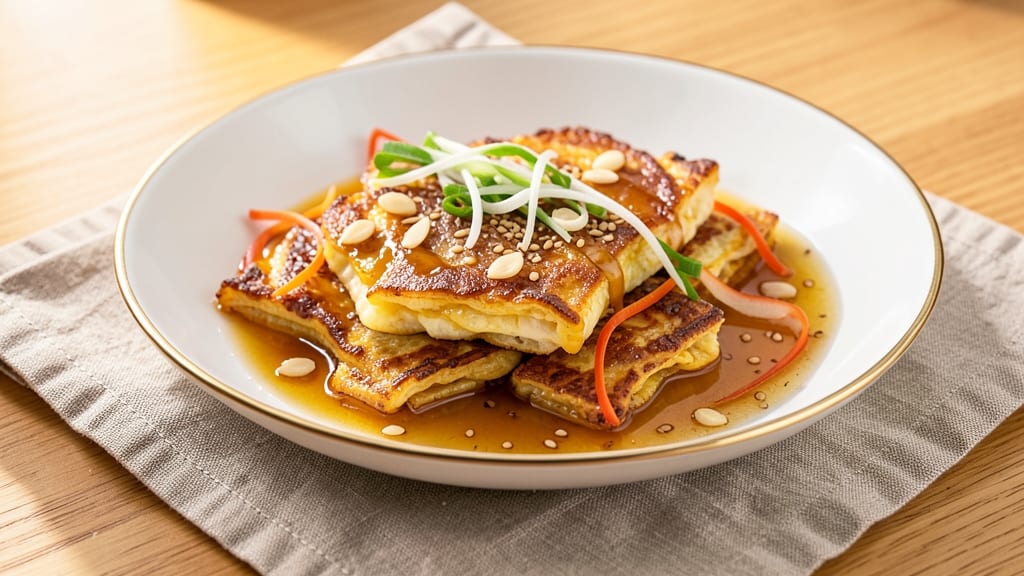
This authentic egg foo young sauce delivers the same bold, umami-packed flavor you'd find in a Chinese-American restaurant—without the mystery ingredients. The secret lies in balancing soy sauce, ginger, and a touch of sugar to create that signature tangy-sweet profile.
I've perfected this recipe over years of testing, ensuring every spoonful delivers that restaurant-quality depth while staying true to the dish's vegetarian roots.
The foundation is simple: soy sauce provides the salty backbone, while fresh ginger and garlic add aromatic complexity. A splash of rice vinegar brightens the sauce, and a pinch of sugar rounds out the flavors.
What makes this version special is the optional oyster-free alternative using mushrooms for umami depth—no one will miss the seafood. The sauce comes together in just 10 minutes, making it perfect for weeknight meals or weekend cooking.
What you'll end up with is a glossy, aromatic sauce that's rich enough to coat every bite of your egg foo young while remaining light enough to enhance, not overpower. The ginger's zing cuts through the richness, creating a perfect balance that's both comforting and exciting.
This sauce keeps well in the fridge for up to a week, so you can make a big batch and enjoy it all week long.
For extra depth, add a dash of sesame oil or a sprinkle of red pepper flakes to customize the heat level. Whether you're serving classic egg foo young or using this sauce for stir-fries and noodles, it's the perfect way to bring authentic Chinese-American flavor to your table.
Let's make this sauce!
Ingredients for egg foo young sauce recipe authentic
Nine ingredients, ten minutes—this sauce packs restaurant-style umami punch every time.
| Ingredient | Amount | Notes |
|---|---|---|
| Light Soy Sauce 🥢 | ½ cup | Kikkoman preferred for authentic flavor |
| Fresh Ginger 🌿 | 2 tbsp | Finely grated, vibrant color |
| Garlic Cloves 🧄 | 4 cloves | Minced, fresh preferred |
| Rice Vinegar 🍶 | 2 tbsp | Seasoned preferred for depth |
| Granulated Sugar 🍚 | 1 tbsp | White or brown, adjust to taste |
| Vegetable Oil 🫒 | 1 tbsp | Light, neutral flavor |
| Dried Shiitake Mushrooms 🍄 | 1 tbsp | Crumbled, for umami depth |
| Cornstarch 🌾 | 1 tsp | For thickening, dissolved in 1 tbsp water |
| Sesame Oil 🌿 | 1 tsp | Toasted, for aroma (optional) |
| Red Pepper Flakes 🌶️ | ½ tsp | Adjust for heat preference |
The soy sauce is your flavor anchor—Kikkoman is the gold standard, but any good light soy will work. Fresh ginger matters here: grab a knob from the produce section (usually near the root vegetables) and grate it yourself—pre-grated loses its zing fast. For garlic, peel and mince fresh—jarred minced has a metallic taste. The shiitake mushrooms are the secret umami booster—look for dried slices at Asian markets or use rehydrated canned shiitake if needed. If you're short on time, a dash of mushroom powder (found in bulk sections) works too.
No rice vinegar? Apple cider vinegar or white vinegar in a pinch, but reduce to 1 tbsp. The sugar can be swapped for maple syrup or coconut sugar—just taste as you go. Want extra depth? A splash of mirin (about 1 tsp) adds that authentic restaurant touch. The cornstarch slurry is key for that glossy finish—whisk it well or you'll get lumps. For heat, gochujang paste at 1/2 tsp adds complexity beyond just red pepper flakes. And if you're feeling fancy, a pinch of white pepper at the end gives it that professional touch.
This sauce keeps beautifully—up to 1 week in the fridge sealed tightly. For longer storage, freeze in ice cube trays (thaw in microwave or fridge). I always double the batch because it disappears fast—perfect for stir-fries, noodles, or even drizzled over rice bowls. The flavors actually improve after sitting overnight as everything melds. Store the sesame oil separately if you're sensitive to flavors—add it fresh when using. Leftovers? Toss in a splash of water to loosen, then reheat gently on the stove.
Why You'll Love This Recipe
- Pantry Magic Made Easy: I swear by this sauce—just a splash of light soy, a thumb of ginger, and a few minced garlic cloves. No fancy tools, no stress, and honestly? It’s the kind of recipe where you can taste-test as you go.
- Umami Bomb in Minutes: That balance of salty soy, bright vinegar, and just a touch of sweetness? It’s what makes egg foo young sing. The ginger and garlic give it this warm, aromatic depth that sticks with you—like a hug in a bowl.
- Weeknight & Takeout Fix: Between us, this sauce turns any stir-fry or leftover rice into a restaurant-worthy dish. I’ve drizzled it over scrambled eggs for breakfast, tossed it with noodles for lunch, and even used it to glaze roasted veggies. It’s my secret weapon for lazy days.
- Budget-Friendly Stash: A few dollars’ worth of pantry staples keeps this on repeat. The sauce lasts in the fridge for weeks, and I’ve even frozen portions—just thaw and go. No wasted ingredients, no guilt, just pure flavor efficiency.
Step-by-step instructions for authentic egg foo young sauce
This sauce delivers that perfect balance of umami, brightness, and subtle heat—just like in your favorite Chinese-American diner.
Bloom the Aromatics in Oil
Heat the 1 tablespoon vegetable oil in a small saucepan over medium heat until shimmering but not smoking. Add the 2 tablespoons finely grated fresh ginger and 4 cloves minced garlic cloves, stirring constantly for 1-2 minutes until the ginger becomes fragrant and the garlic turns golden—this is where the magic starts.
Watch carefully here: if the garlic starts to brown too quickly, reduce the heat to medium-low. You want that sweet, nutty aroma without any bitterness creeping in. The ginger should soften slightly but not darken—this ensures your sauce stays vibrant and fresh-tasting.
Build the Sauce Base
Add the 0.5 cup light soy sauce and 2 tablespoons rice vinegar to the pan, stirring to combine. Let the mixture simmer gently for 3-4 minutes until it reduces by about 25%—you'll notice the sauce thicken slightly and develop a glossy sheen. This reduction concentrates the flavors and removes any raw vinegar sharpness.
Next, stir in the 1 tablespoon crumbled dried shiitake mushrooms and 1 tablespoon granulated sugar. The mushrooms will rehydrate slightly, adding deep umami, while the sugar balances the acidity from the vinegar. Let this mixture simmer for another 2 minutes, stirring occasionally, until the sugar dissolves completely and the mushrooms soften.
Thicken and Finish with Heat
In a small bowl, whisk together the 1 teaspoon cornstarch with 1 tablespoon cold water until smooth. Pour this slurry into the simmering sauce, stirring constantly for 1-2 minutes until the sauce thickens to a glossy, coatable consistency—it should coat the back of a spoon without being gluey.
Remove the pan from heat and stir in the 1 teaspoon toasted sesame oil and 0.5 teaspoon red pepper flakes. Give it one final taste and adjust the seasoning if needed—you might want to add a splash more soy sauce for saltiness or a touch of vinegar for brightness. The sauce should be balanced: salty, slightly sweet, tangy, and with a gentle kick of heat.
Rest and Serve
Let the sauce rest for 5 minutes off the heat—this allows all the flavors to meld together perfectly. The sauce will thicken slightly more as it cools, so don't worry if it looks a bit loose while still hot. Serve immediately over your egg foo young or use it as a dipping sauce for spring rolls or dumplings.
For the best results, use this sauce within 2-3 hours of making it. If you need to store it, transfer to an airtight container and refrigerate for up to 3 days. When reheating, warm gently over low heat, adding a splash of water if it thickens too much.
Pro Tips For Making Egg Foo Young Sauce Recipe Authentic
- Low-and-Slow Simmer: Bring the sauce to a gentle boil first, then drop to the lowest heat you can tolerate. I used to rush this, and the garlic would burn before the flavors melded—now I let it bubble just enough to hear the occasional tiny pop. Five minutes at this stage is all it takes, but it’s the thing that matters most for that balanced, restaurant-style depth.
- Grate Ginger Fine: Skip the mincer or pre-grated jar—use a microplane or the smallest holes on a box grater. Fresh ginger releases its oils differently when finely textured, and it dissolves smoothly without clumping. (Yes, even if you’re impatient like me, this isn’t the step to cut corners.)
- Salt the Soy Early: Add half the light soy sauce with the garlic and ginger at the start, then taste and adjust after the sugar dissolves. Starting with the full amount can make the sauce taste flat later, especially if you’re using a sweeter rice vinegar. Trust the process—your future self will notice the difference.
- Balance Sugar Last: Let the ginger and garlic cook for 2 minutes before adding sugar, then stir it in after the vinegar. The acid cuts through the sweetness better this way, and you’ll avoid that cloying aftertaste that ruins the dish. (I learned this the hard way—now I add sugar in two batches if needed.)
Flavor customization for these flavors
Classic Tangy-Sweet
This is the signature version you'll find in most Chinese-American restaurants. The balance of soy sauce, rice vinegar, and sugar creates that signature tangy-sweet profile that makes egg foo young irresistible.
I love adding a splash of mirin (about 1 teaspoon) for extra depth—it adds a subtle sweetness and glossy finish. For a restaurant-style touch, finish with ½ teaspoon white pepper—it's subtle but professional. 🍶
Spicy Sichuan Kick
Crank up the heat with 1 teaspoon Sichuan peppercorns (toasted and ground) and 1 teaspoon gochujang instead of red pepper flakes. The Sichuan peppercorns add a numbing, citrusy heat, while the gochujang brings deep, fermented umami.
Toast the peppercorns in a dry pan for 30 seconds until fragrant, then grind them with a mortar and pestle or coffee grinder. This version pairs perfectly with crispy egg foo young and cold beer. 🌶️
Creamy Sesame Twist
For a richer, creamier sauce, stir in 2 tablespoons tahini or 1 tablespoon white miso paste after removing from heat. Add 1 teaspoon sesame paste (found in Asian markets) for extra nutty depth. Thin with 1 tablespoon warm water if needed, but this version stays thick and luscious.
It’s perfect for dipping or drizzling over noodles—trust me, the sesame flavor takes it to the next level. 🌿
Smoky Chipotle Infusion
Swap the red pepper flakes for ½ teaspoon chipotle powder (or 1 finely chopped chipotle pepper in adobo). Simmer the chipotle in the oil with the ginger and garlic for 30 seconds before adding the soy sauce.
The smoky heat adds complexity that’s both bold and balanced. This version works amazingly well with grilled or pan-seared egg foo young. 🔥
Sweet and Sticky
For a dessert-like glaze, reduce the rice vinegar to 1 tablespoon and add 2 tablespoons honey or maple syrup instead of sugar. Stir in ½ teaspoon ground cinnamon and a pinch of cardamom for warmth.
This sauce is perfect for drizzling over fruit or even savory dishes like crispy tofu or sweet potatoes. It’s sweet but not cloying—just right for a playful twist. 🍯
Garlic-Ginger Bomb
Double the garlic to 6 cloves and add 1 tablespoon extra grated ginger for a bold, aromatic punch. Toast the garlic in the oil until deep golden brown (almost nutty) for maximum flavor.
This version is perfect if you love intense garlic-ginger flavors—it’s like a flavor bomb in every bite. Pair it with extra-spicy egg foo young for a showstopper combo. 🧄
Nutrition facts
Frequently asked questions
Can I substitute oyster sauce in this vegetarian recipe?
The recipe uses dried shiitake mushrooms instead of oyster sauce to maintain that deep umami flavor without seafood. For extra richness, try adding 1 tablespoon vegetarian oyster sauce substitute (found in Asian markets) or 1 teaspoon mushroom powder when building the sauce base. This keeps the authentic taste while staying true to vegetarian principles.
How do I adjust the heat level if I don't like spicy food?
Simply reduce or omit the red pepper flakes. For a milder version, you can add ½ teaspoon sweet paprika instead to maintain color without heat. If you accidentally add too much spice, balance it with an extra ½ teaspoon sugar or 1 teaspoon honey to mellow the burn.
Can I make this sauce ahead of time?
This sauce actually tastes better after resting. Make it up to 3 days in advance and store in an airtight container in the fridge. The flavors meld beautifully overnight. When reheating, warm gently over low heat and add a splash of water if it thickens too much. For longer storage, freeze in ice cube trays and thaw in the fridge.
What's the best way to use leftover sauce?
This versatile sauce works perfectly for more than just egg foo young! Use it as a dipping sauce for spring rolls or dumplings, stir it into noodles, or drizzle over rice bowls. It also elevates grilled meats, tofu stir-fries, or even as a marinade. The ginger and garlic flavors pair surprisingly well with roasted vegetables too.
Why did my sauce turn out too thick?
This usually happens if you simmered too long or didn't add enough liquid. Thin with 1-2 teaspoons warm water while stirring constantly. For future batches, reduce the cornstarch to ½ teaspoon if you prefer a lighter consistency. Remember, the sauce will thicken more as it cools, so err on the thinner side while hot.