
Sauces & Condiments
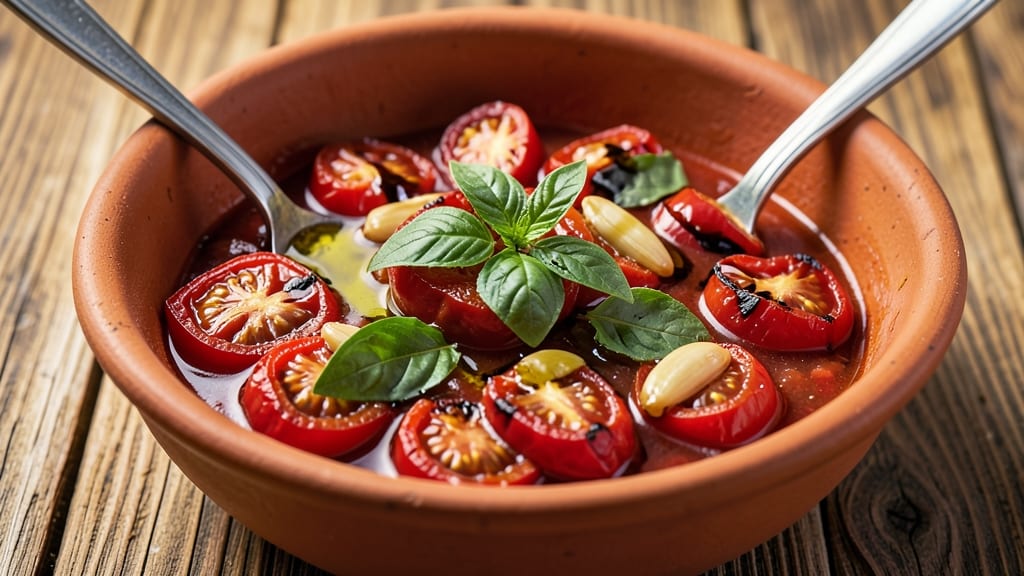
This authentic Italian pasta sauce recipe transforms fresh tomatoes into a vibrant, bright sauce that captures the essence of Italian cooking. The secret lies in slow simmering, which allows the natural sweetness of the tomatoes to develop while preserving their freshness.
Fresh basil, garlic, and olive oil work together to create a sauce that’s rich in flavor but never heavy—just like the ones you’d find in a rustic Italian trattoria.
What sets this sauce apart is its simplicity and tradition. No complicated techniques or expensive ingredients are needed—just ripe tomatoes, aromatic garlic, and fragrant basil.
The sauce is designed to be versatile, perfect for tossing with al dente pasta, drizzling over grilled meats, or even using as a base for other Italian dishes. The fresh basil is added at the end to ensure its bright, herbal notes remain vibrant and intact.
The result is a sauce that’s bright, balanced, and bursting with authentic Italian flavor—not too acidic, not too sweet, but perfectly harmonious. The slow simmering process reduces the sauce naturally, intensifying its depth without the need for added sugar or thickeners.
This method also makes it ideal for meal prep, as it keeps well in the refrigerator for up to a week or can be frozen for longer storage.
For those who love to experiment, variations like adding anchovies for umami depth or a splash of cream for richness can elevate the sauce even further. Whether you’re a seasoned cook or just starting out, this recipe delivers restaurant-quality results with minimal effort.
Let’s get started on creating your perfect Italian pasta sauce.
Ingredients for authentic italian pasta sauce recipe fresh tomatoes
Fresh tomatoes, aromatic garlic, and fragrant basil form the heart of this authentic Italian sauce.
| Ingredient | Amount | Notes |
|---|---|---|
| Fresh Tomatoes 🍅 | 2 ½ lbs | Ripe, vine-ripened preferred |
| Garlic Cloves 🧄 | 6 cloves | Fresh, peeled and minced |
| Fresh Basil Leaves 🌿 | ½ cup | Packed, stems removed |
| Extra-Virgin Olive Oil 🫒 | ½ cup | High-quality, fruity |
| Red Wine Vinegar 🍷 | 1 tbsp | For acidity balance |
| Salt 🧂 | 1 ½ tsp | Diamond Crystal preferred |
| Black Pepper 🌶️ | ½ tsp | Freshly ground |
| Sugar 🍚 | 1 tsp | Optional, for sweetness |
The tomatoes are the foundation—vine-ripened varieties like Roma or heirloom deliver the deepest flavor. Whole Foods or local farmers markets often carry the ripest options, but grocery store tomatoes work fine if they're fully red and slightly soft. Garlic should smell pungent, not musty. For basil, Trader Joe's sells pre-washed bundles that stay fresher longer. The olive oil matters too—look for Italian extra-virgin brands like Bertolli or Filippo Berio for that authentic taste. If you can't find fresh basil, dried works at one-third the amount, but fresh is ideal for that signature Italian brightness.
No fresh tomatoes? High-quality canned San Marzano tomatoes are the next best thing—they're sweet and low-acid. Short on garlic? Garlic powder at half the amount works in a pinch, but fresh is non-negotiable for authentic flavor. The red wine vinegar can be swapped for lemon juice, though it'll change the flavor profile slightly. For the sugar, honey or maple syrup are great alternatives if you prefer. If you're feeling adventurous, a pinch of red pepper flakes adds subtle heat. The key is balancing the acidity—taste as you go and adjust with more vinegar or sugar as needed.
This sauce develops deeper flavor over time, so make it a day ahead if possible. Store in an airtight container in the fridge for up to 1 week. For longer storage, freeze in ice cube trays—just thaw and reheat gently. The basil wilts fast, so add it fresh right before serving. If you make extra, it pairs perfectly with grilled chicken or homemade pasta. The slow simmering process concentrates the flavors, making it even more delicious the next day.
Why You'll Love This Recipe
- Same sauce, endless uses: toss with al dente spaghetti, drizzle over grilled fish, or slather on crusty bread. I’ve served it to skeptical in-laws and my picky 10-year-old—both asked for seconds.
- No-Chop Necessary: I swear by this—just crush garlic, tear basil, and dump tomatoes straight from the vine. The sauce builds itself while you’re boiling water, and honestly? The mess is half the fun.
- Sunshine in a Bowl: That first hit of olive oil, then garlic sizzling, followed by vinegar brightening the tomatoes? It’s like summer in a jar. The basil finishes it off with a freshness that makes jarred sauce feel like a distant memory.
- Weeknight to Dinner Party: Same sauce, endless uses: toss with al dente spaghetti, drizzle over grilled fish, or slather on crusty bread. I’ve served it to skeptical in-laws and my picky 10-year-old—both asked for seconds.
Step-by-step instructions for authentic Italian pasta sauce
Here's the traditional method for crafting a vibrant, basil-infused tomato sauce that captures Italy's rustic charm.
Prepare and Roast the Tomatoes
Preheat your oven to 425°F. Cut the 2.5 lbs fresh tomatoes into large chunks, removing any hard cores. Spread them on a baking sheet lined with parchment paper, leaving space between pieces. This allows them to brown evenly and develop concentrated flavor.
Roast for 25-30 minutes until the edges are deeply blistered and golden brown. The tomatoes should soften slightly but still hold their shape. This roasting step caramelizes natural sugars, creating a sweeter, more complex sauce. Don't skip this—it's what makes authentic Italian sauces sing.
Sauté Aromatics in Olive Oil
While the tomatoes roast, heat the 0.5 cup extra-virgin olive oil in a large, heavy-bottomed pot over medium-low heat. Add the 6 cloves minced garlic cloves and sauté for 1-2 minutes until they're fragrant but not browned. Garlic burns quickly, so keep an eye on it.
Here's the thing—you want the garlic to perfume the oil without adding bitterness. If it starts to color, immediately reduce the heat or remove the pot from the burner. This aromatic base will form the flavor foundation of your sauce.
Combine Tomatoes and Simmer
Transfer the roasted tomatoes to the pot with garlic oil using a slotted spoon (leave any excess liquid behind). Add the 1 tbsp red wine vinegar, 1.5 tsp salt, 0.5 tsp black pepper, and 1 tsp sugar. Stir gently to combine, being careful not to break up the tomatoes too much.
Bring the mixture to a gentle simmer over medium heat. Let it cook uncovered for 20-25 minutes, stirring occasionally, until the tomatoes have broken down into a thick, chunky sauce. You're looking for a consistency where the sauce coats the back of a spoon but still has visible tomato pieces.
Finish with Fresh Basil
Remove the pot from heat and stir in the 0.5 cup packed fresh basil leaves. Let the sauce sit for 5 minutes to allow the basil's essential oils to infuse. This is when the sauce truly becomes Italian—bright, aromatic, and bursting with fresh herb flavor.
Taste and adjust seasoning if needed. The acidity from the vinegar should balance the sweetness from the roasted tomatoes. For an authentic touch, I like to press the basil leaves through a fine-mesh sieve to remove stems while keeping the leaves intact in the sauce.
Rest and Serve
Let the sauce rest at room temperature for 15-20 minutes before serving. This resting period allows flavors to meld and the sauce to thicken slightly. The sauce should be vibrant red with visible tomato chunks and basil leaves floating throughout.
Serve immediately over freshly cooked pasta, tossing gently to coat each strand. The sauce should cling beautifully to the pasta, delivering bursts of fresh basil with every bite. For best results, use within 2 days or freeze for up to 3 months—the flavors only deepen with time.
Pro Tips For Making Authentic Italian Pasta Sauce Recipe Fresh Tomatoes
- CRUSH THE TOMATOES: Skip the blender—hand-crush ripe tomatoes with a fork or wooden spoon in the pot. This keeps the sauce chunkier and releases more natural juices faster. I used to strain everything, but this method gives you that rustic, uneven texture that actually tastes better.
- SWEAT THE GARLIC LOW: Cook minced garlic in olive oil at the lowest possible heat until it’s golden, not browned. If you rush it, you’ll get bitter flavors that overpower the tomatoes. My grandmother swore by this, and she was right: patience here makes all the difference.
- SALT THE TOMATOES FIRST: Sprinkle a pinch of salt directly on the crushed tomatoes before cooking. This draws out excess water and seasons them deeply from the start. I learned this the hard way—skipping it leaves the sauce watery and bland, no matter how long you simmer.
- FINISH WITH VINEGAR LAST: Stir in the red wine vinegar off the heat at the very end, just before adding basil. The acid needs to brighten the flavors without cooking off, and adding it too early makes the sauce taste sharp. Sounds weird, but it works—your sauce will taste fresher and more balanced.
Best sauces and condiments for authentic italian pasta sauce recipe fresh tomatoes
Classic Marinara Base
This bright tomato sauce is the foundation for countless Italian dishes. The roasted tomatoes create a sweet, caramelized depth that balances the tangy acidity from red wine vinegar. I always make extra because it pairs perfectly with grilled chicken, meatballs, or even as a pizza sauce.
The key is patience—slow simmering (not boiling) preserves the tomatoes' natural sweetness while developing complex flavors. 🌿
Creamy Variations
For a richer texture, stir in ½ cup heavy cream or mascarpone cheese at the end. I like adding this after removing from heat to prevent curdling. This version works beautifully with creamy pastas like fettuccine or pappardelle.
For an even smoother sauce, blend half the cooked tomatoes before mixing back in. The cream adds a luxurious touch without overpowering the fresh basil's brightness.
Umami Boosters
Add 1-2 anchovy fillets (or 1 tsp anchovy paste) when sautéing the garlic for an authentic Roman touch. The umami depth enhances the tomatoes' natural sweetness. I also like adding 1 tsp soy sauce for extra complexity.
These additions are subtle but transform the sauce into something truly special—perfect for those who love deeper, more layered flavors. 🍷
Herb Infusions
Swap or add herbs to customize the sauce. Oregano (1 tsp) gives a Greek-inspired twist, while thyme (2 sprigs) adds earthy depth. For a Tuscan flavor, add rosemary (1 sprig) during roasting.
I often keep a small pot of this herb-infused sauce on hand for quick weeknight meals. The herbs should be added at the end to preserve their freshness and vibrant aromas.
Spicy Kick Options
Add ½ tsp red pepper flakes during the simmer for gentle heat, or 1-2 fresh chili peppers (seeds removed) when roasting the tomatoes. For a smoky dimension, include ½ tsp smoked paprika with the garlic.
I find that a pinch of cayenne at the end adds heat without overpowering the sauce's natural sweetness. These spicy variations work especially well with spaghetti or linguine.
Storage Secrets
This sauce keeps beautifully in the fridge for up to 1 week in an airtight container. For longer storage, freeze in ice cube trays—just thaw and reheat gently. The flavors actually improve over time as the ingredients meld together.
I like to portion it into small jars for easy grab-and-go meals. When reheating, add a splash of water to prevent thickening too much. ✨
Nutrition facts
Frequently asked questions
Can I use canned tomatoes instead of fresh?
Yes, but choose high-quality canned tomatoes like San Marzano for the best results. Drain them well and skip the roasting step—their natural sweetness will still shine. For extra depth, add 1 tsp tomato paste when sautéing the garlic. The sauce will be slightly smoother but still packed with flavor.
Why does my sauce turn out too acidic?
Too much red wine vinegar or underripe tomatoes can make the sauce acidic. Balance it by adding ½ tsp sugar or 1 tsp honey at the end. For next time, use fully ripe tomatoes and taste as you simmer—adjust with a pinch of sugar before adding vinegar. The goal is bright, not sour.
How do I make this sauce thicker?
Simmer uncovered for an extra 10-15 minutes to reduce the sauce naturally. If it's still too thin, mash a few roasted tomatoes with a fork or blend half the sauce before mixing back in. For a quick fix, stir in 1 tsp cornstarch mixed with 1 tbsp water and simmer for 2 minutes.
Can I add meat to this sauce?
Brown ½ lb ground beef or Italian sausage first, then deglaze the pan with ½ cup red wine before adding the tomatoes. For a lighter option, try diced pancetta or crumbled bacon. Just be sure to cook the meat thoroughly before combining with the sauce.
What's the best pasta to pair with this sauce?
This vibrant sauce pairs perfectly with spaghetti, linguine, or bucatini for a classic match. For heartier options, try rigatoni or penne—their ridges hold the sauce beautifully. For a lighter option, use angel hair pasta and toss with extra basil.