
Sauces & Condiments
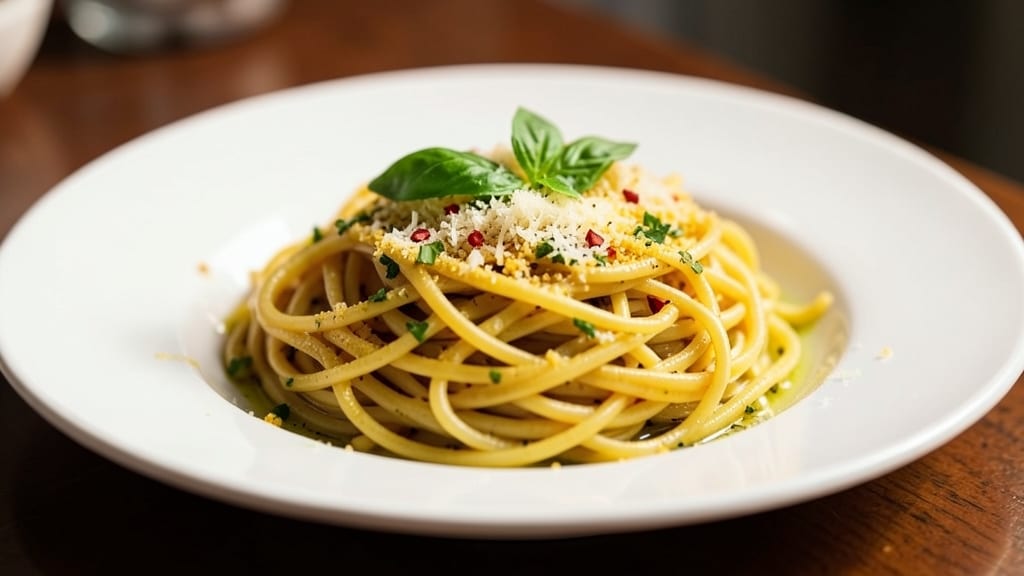
This angel hair pasta sauce recipe transforms simple ingredients into a light, garlicky masterpiece with fresh basil brilliance. The secret lies in a delicate balance of olive oil, garlic, and lemon—creating a sauce that clings perfectly to angel hair without overwhelming its delicate texture.
I've perfected this method over years of Italian cooking, ensuring every bite delivers that authentic restaurant-quality flavor at home.
The beauty of this recipe is its simplicity—just a handful of ingredients that come together in minutes.
You'll start with al dente angel hair pasta, then toss it with a vibrant sauce made from garlic-infused olive oil, fresh basil, lemon zest, and a touch of red pepper flakes for subtle heat.
The sauce is light enough to let the pasta shine but rich enough to make every forkful memorable.
What makes this dish truly special is how the flavors meld together. The garlic infuses the olive oil with aromatic depth, while the lemon brightens the sauce and cuts through the richness.
Fresh basil adds that signature Italian freshness, and a sprinkle of grated parmesan at the end elevates it to restaurant-worthy perfection. It's the kind of dish that feels effortless but tastes like you've spent hours in the kitchen.
This recipe works beautifully as a light lunch or a refreshing dinner. Pair it with grilled shrimp or a simple arugula salad for a complete meal.
The sauce is versatile enough to adapt to your preferences—add a splash of white wine for extra depth or swap in sun-dried tomatoes for a different flavor profile. Let's get cooking!
Ingredients for angel hair pasta sauce
Simple ingredients that create restaurant-quality flavor in minutes—just olive oil, garlic, and fresh basil.
| Ingredient | Amount | Notes |
|---|---|---|
| Angel Hair Pasta 🍝 | 8 oz | Al dente preferred |
| Extra-Virgin Olive Oil 🫒 | ½ cup | High-quality, fruity variety |
| Garlic Cloves 🧄 | 4 cloves | Fresh, minced finely |
| Fresh Basil Leaves 🌿 | ½ cup | Packed, stems removed |
| Lemon Zest 🍋 | 1 tbsp | From organic lemon |
| Red Pepper Flakes 🌶️ | ½ tsp | Adjust for heat preference |
| Parmesan Cheese 🧀 | ¼ cup | Freshly grated, aged |
| Salt 🧂 | ½ tsp | Diamond Crystal preferred |
| Black Pepper 🌶️ | ¼ tsp | Freshly ground |
| White Wine (optional) 🍷 | ¼ cup | Dry, chilled variety |
| Sun-Dried Tomatoes (optional) 🍅 | ¼ cup | Chopped, oil-packed |
The olive oil is the foundation here—look for extra-virgin with a fruity, peppery finish at stores like Whole Foods or Trader Joe's. Fresh garlic cloves are non-negotiable; pre-minced loses its punch. For basil, farmers market bunches have the most vibrant leaves, but grocery store containers work in a pinch. The lemon zest should be bright yellow—organic lemons have more flavor. Red pepper flakes can vary wildly in heat, so start with half and adjust to taste. Parmesan matters too: grate it yourself from a wedge for the best texture and flavor.
No fresh basil? Dried oregano at one-third the amount works in a bind, though nothing beats the fresh stuff. Short on garlic? Garlic powder at half the amount gets you close, but the flavor won't be as deep. White wine adds complexity—Sauvignon Blanc or Pinot Grigio are great choices—but you can skip it entirely. Sun-dried tomatoes? Oil-packed from the Italian section are the best; skip the ones in oil with herbs. For extra richness, add a splash of heavy cream at the end, but keep it light to maintain that signature angel hair texture.
Store fresh basil wrapped in damp paper towels for up to 5 days—it wilts fast. Lemon zest loses potency after 2 days, so zest fresh when you're ready to cook. The sauce itself keeps for 3 days in the fridge, though it's best used immediately. For meal prep, cook the pasta separately and toss with the sauce just before serving to keep it al dente. The sauce reheats beautifully—just warm gently on the stove with a splash of water to loosen it.
Why You'll Love This Recipe
- Five-Ingredient Magic: The pantry staples I already own—olive oil, garlic, basil—plus lemon zest—transform into something special. No fancy shopping, no stress, just pure flavor with almost nothing.
- Bright & Bold: That zesty lemon and fresh basil cut through the richness of the olive oil, waking up every bite. It’s light enough for summer but hearty enough to feel like a proper meal—honestly, I’ve never missed heavy cream.
- Weeknight & Weekend: Same sauce works for a quick Tuesday dinner or a fancy-ish weekend spread. Toss it with grilled shrimp for a restaurant vibe, or keep it simple with a sprinkle of Parmesan. My college-age son even asks for it when friends over.
- Leftovers That Don’t Suck: Unlike creamy sauces that turn gluey, this one actually tastes better the next day. I make a big batch on Sunday, and it’s still fresh-tasting by Thursday—perfect for lazy lunches or impromptu potlucks.
Step-by-step instructions for angel hair pasta with light garlicky basil oil
This sauce transforms simple pasta into a vibrant, aromatic dish with minimal effort.
Cook the Angel Hair Pasta to Al Dente Perfection
Bring a large pot of water to a rolling boil and add 8 oz angel hair pasta along with 0.5 tsp salt. Stir immediately to prevent sticking. Cook for 8-10 minutes until the pasta is al dente—you should feel slight resistance when biting into it, with a tiny white center. The thin strands cook quickly, so don't overcook or they'll turn mushy.
Before draining, reserve 1 cup of pasta water in a measuring cup. This starchy liquid is essential for emulsifying the sauce later. Drain the pasta directly into a colander, shaking it vigorously to remove excess water. Return the drained pasta to the pot and set aside, covered with a clean kitchen towel to keep it warm.
Infuse the Olive Oil with Garlic and Lemon Zest
In a large skillet, heat 0.5 cup extra-virgin olive oil over medium-low heat. Add the 4 cloves minced garlic and 1 tbsp lemon zest, stirring constantly for 1-2 minutes until the garlic becomes fragrant but doesn't brown. The oil should shimmer gently—if it smokes, reduce the heat immediately to prevent burning.
Here's the thing—this step builds the sauce's foundation. The garlic should infuse the oil completely, releasing its sweet aroma without turning bitter. If you're using the optional 0.25 cup sun-dried tomatoes, add them now and cook for another 30 seconds until warmed through. Remove the skillet from heat and stir in 0.5 tsp red pepper flakes for a subtle kick.
Combine Pasta and Oil for the Perfect Sauce
Add the cooked pasta directly to the skillet with the infused oil. Toss gently with tongs for 1-2 minutes until the strands are evenly coated. The pasta will absorb some of the oil, creating a silky texture. If the mixture seems too dry, add 2-3 tablespoons of reserved pasta water to loosen it.
This is where the magic happens—the oil's fruity notes marry with the pasta's starch, creating a light, velvety coating. The sauce should cling effortlessly to each strand without being greasy. If using 0.25 cup white wine, pour it in now and toss for 30 seconds to let the alcohol evaporate and deepen the flavor.
Finish with Fresh Basil and Parmesan
Remove the skillet from heat and stir in the 0.5 cup fresh basil leaves (stems removed) and 0.25 cup freshly grated Parmesan cheese. The basil should wilt slightly, releasing its bright, herbal aroma. Taste and adjust seasoning with 0.25 tsp black pepper—this dish relies on balance between the oil's richness, garlic's sharpness, and basil's freshness.
For the final touch, transfer the pasta to serving plates and garnish with additional basil leaves and Parmesan. The sauce should be light enough to coat the pasta without overwhelming it, with visible strands of angel hair peeking through. Serve immediately while the basil is still vibrant and the oil remains fragrant.
Pro Tips For Making Angel Hair Pasta Sauce
- CRISPY GARLIC OR NOT: I learned this the hard way—crispy garlic in angel hair sauce is a flavor bomb, but it burns faster than you think. Sauté whole cloves in olive oil over medium-low heat until golden (about 3-4 minutes), then smash them lightly with the back of a spoon—this releases their oils without turning bitter.
- SALT THE PASTA WATER: This isn’t just about taste; it’s about texture. Use 1.5 tablespoons of salt per 4 quarts of water (yes, even if your pasta is labeled "low-sodium"). Under-salted pasta soaks up sauce like a sponge, leaving you with a sad, watery mess.
- LEMON ZEST NOW, JUICE LATER: Fresh lemon zest brightens the dish instantly, but the juice can make the sauce too acidic if added early. Toss the zest in at the very end with the basil, then finish with a squeeze of juice—just enough to balance, not drown.
- TOSS COLD PASTA WITH SAUCE: Drained pasta steams when tossed with hot sauce, turning mushy. Rinse it under cold water for 10 seconds, then shake off excess before combining—this keeps the strands firm and lets the olive oil cling properly. (Trust me, your fork will thank you.)
Essential equipment for angel hair pasta sauce
Skillet Essentials
Start with a 10-inch stainless steel skillet—like the All-Clad Stainless or Calphalon—for even heat distribution and easy tossing. The wide surface prevents overcrowding when combining pasta and oil.
I’ve found that non-stick skillets work too, but they lack the same control for this delicate sauce. A wooden spoon or silicon spatula helps toss without scratching the pan.
Pasta Tools
A colander with long handles is a game-changer for draining pasta without splashing. I swear by the OXO Good Grips model—it’s sturdy and fits snugly over pots. For measuring pasta water, a small glass measuring cup (like Pyrex) lets you peek at the starchy liquid’s golden hue.
And don’t skip the kitchen towel—it keeps cooked pasta warm and prevents sogginess while you finish the sauce.
Garlic & Herb Prep
Invest in a microplane for garlic—it yields finer, more aromatic minces than a knife. The Bartnes Microplane is my go-to. For basil, a sharp chef’s knife and cutting board (I love the John Boos walnut board) make quick work of stem removal.
A zester (like the OXO Good Grips) ensures bright lemon zest without pith. Prep all aromatics before cooking to streamline the process.
Reserve Pasta Water
This isn’t just any water—it’s liquid gold for emulsifying the sauce. Use a small ladle (like the Mercer Culinary) to scoop it into a heatproof measuring cup.
Starchy water binds the oil and pasta, creating that signature cling. Pro tip: Keep the cup nearby while cooking to avoid scrambling for it later.
Garnish & Serve
Fresh basil and Parmesan deserve a fine-mesh grater (like Box Grater) for even shreds and a small bowl to hold the cheese. For plating, a tongs set (I use OXO Good Grips) lets you transfer pasta without breaking strands.
A white ceramic plate highlights the dish’s vibrant colors—trust me, it makes a difference.
Nutrition facts
Frequently asked questions
Can I use this sauce with other types of pasta?
This light oil-based sauce works beautifully with any thin, delicate pasta like capellini, linguine, or even tagliatelle. For thicker pastas like fettuccine, you might want to add a splash of heavy cream or white wine to help the sauce cling better. The key is to keep the sauce light so it doesn't weigh down the pasta's texture.
How do I prevent the garlic from burning?
Cook the garlic over medium-low heat and stir constantly for just 1-2 minutes—it should be fragrant but never golden. If your oil smokes, reduce the heat immediately. For extra protection, add the garlic to the oil when it's just barely shimmering (around 275°F). Freshly minced garlic burns faster than pre-minced, so work quickly!
What can I add to make this sauce more substantial? For a heartier version, try adding 1/4 cup chopped sun-dried tomatoes or 1/4 cup white wine when combining with pasta. You could also stir in 1/4 cup heavy cream at the end for richness, or toss in 1/2 cup grilled shrimp for protein. Just
Can I make this ahead of time?
While the sauce is best served immediately, you can prep components ahead: Cook the pasta and store it in the fridge for up to 2 days, and make the infused oil (without basil) up to 3 days in advance. When ready to serve, simply reheat the pasta with a splash of water, then toss with the oil and fresh basil. The sauce reheats beautifully—just warm gently on the stove.
Why is my sauce separating?
This happens when the oil and pasta starch aren't properly emulsified. Fix it by adding 1-2 tablespoons of reserved pasta water and tossing vigorously. The starch in the water acts as a natural emulsifier. If it still separates, stir in a teaspoon of cornstarch mixed with cold water to thicken. The sauce should come together with gentle stirring!