
Sauces & Condiments
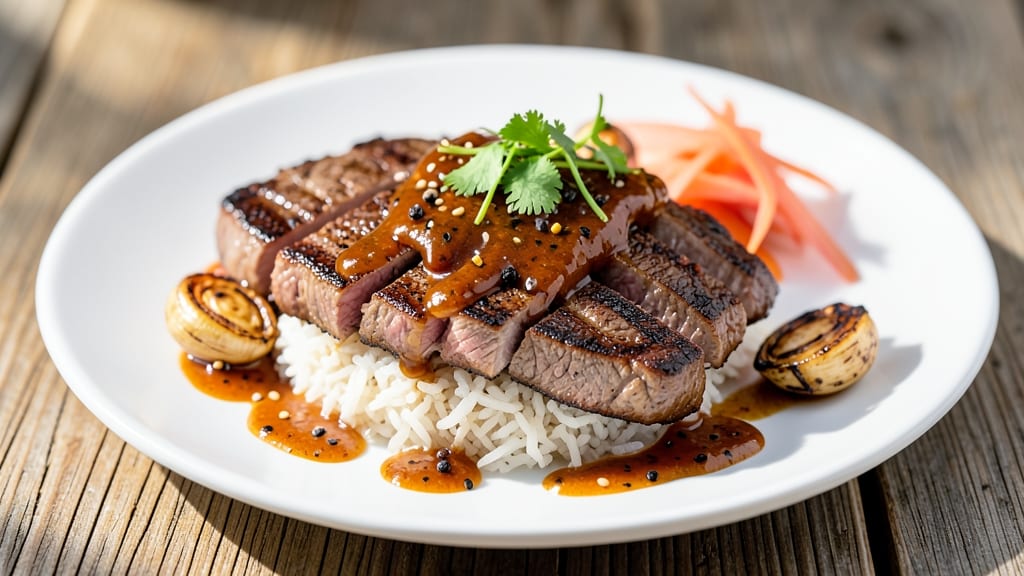
This Asian pepper steak sauce transforms ordinary stir-fries into restaurant-worthy dishes with its bold umami heat and perfect balance of sweet, spicy, and tangy flavors.
The secret lies in a slow simmer that deepens the sauce's complexity, while a blend of garlic, ginger, and chili delivers that signature Asian pepper steak punch.
I developed this recipe after years of perfecting the sauce for my family's favorite stir-fry nights—it's now the go-to for marinades, glazes, and dipping sauces.
The foundation of this sauce is a rich combination of soy sauce, fish sauce, and oyster sauce, which build the umami depth, while fresh garlic, ginger, and chili bring the heat and brightness. A touch of brown sugar caramelizes during simmering, adding a subtle sweetness that rounds out the flavors.
The sauce reduces to a thick, glossy consistency, clinging perfectly to steak or vegetables without overwhelming them.
What makes this sauce truly versatile is its ability to elevate any dish it touches—whether you're marinating steak for hours, tossing it with stir-fried vegetables, or serving it as a dipping sauce for spring rolls.
The flavors develop even more after resting, so making a batch ahead of time ensures you're always ready for a quick, flavor-packed meal. Store it in the fridge for up to two weeks or freeze for longer shelf life.
The best part? This sauce is foolproof—no advanced techniques required. With just a few pantry staples and a 30-minute simmer, you'll have a sauce that's as impressive as it is delicious. Let's get started on creating your own bold, umami-packed masterpiece.
Ingredients for asian pepper steak sauce
Nine bold ingredients that pack restaurant-level umami punch into every stir-fry.
| Ingredient | Amount | Notes |
|---|---|---|
| Soy Sauce 🥄 | ½ cup | Light or dark, to taste |
| Fish Sauce 🐟 | ¼ cup | Red Boat preferred |
| Oyster Sauce 🦪 | ¼ cup | High-quality, like Lee Kum Kee |
| Brown Sugar 🍯 | ¼ cup | Light or dark, packed |
| Garlic Cloves 🧄 | 6 cloves | Fresh, minced for depth |
| Fresh Ginger 🌿 | ½ cup | Grated, finely for brightness |
| Red Chili Flakes 🌶️ | 1 ½ tbsp | Adjust for heat preference |
| Sesame Oil 🫒 | 1 tbsp | Toasted for aroma |
| Rice Vinegar 🍶 | ¼ cup | White or seasoned |
The sauce's soul starts with Red Boat fish sauce—it's worth the splurge for that clean, salty depth. Lee Kum Kee oyster sauce brings the richness, so don't skimp on quality here. For the brown sugar, light or dark works, but packed cups ensure consistent sweetness. Fresh garlic and ginger are non-negotiable—pre-minced or pre-grated saves time, but fresh always tastes better. If you're feeling fancy, toast your sesame oil in a dry pan for 30 seconds before adding—it deepens that nutty aroma. I grab my fish sauce and oyster sauce from Asian markets where they stock authentic brands, but the regular grocery store versions work in a pinch.
No fish sauce? Soy sauce plus a splash of Worcestershire gets you close, though it won't be identical. Running low on oyster sauce? Hoisin sauce at half the amount adds a similar depth. Pre-minced garlic or ginger? Fresh is ideal, but if you're in a rush, jarred versions work—just drain them well. The red chili flakes can be swapped for fresh chili paste (like sambal oelek) at a 1:1 ratio, but taste first—some pastes are way hotter. For the rice vinegar, seasoned vinegar adds a subtle sweetness that pairs perfectly with the umami. And if you're worried about the sesame oil overpowering, start with half and adjust to taste.
This sauce tastes even better the next day as the flavors meld. Store it in a glass jar in the fridge for up to two weeks—the longer it sits, the deeper the umami. For freezing, portion into ice cube trays—thaw exactly what you need for a quick stir-fry. The sauce thickens as it cools, so stir before using. I always make a double batch—one for immediate use, one to stash in the freezer for lazy weeknights. Trust me, you'll be reaching for this jar constantly once you taste it.
Why You'll Love This Recipe
- Pantry Magic: I swear by this sauce because it uses things I already have—no special trips to the store. Soy, fish, oyster, and brown sugar? That’s my basic Asian pantry, and together they build something ridiculously good without extra fuss.
- Garlic Bomb: Here’s what sold me—the crushed garlic cloves simmered in until they’re fragrant but not burnt. That deep, toasty aroma? It turns a simple steak into something that smells like a restaurant’s kitchen.
- Leftovers Lifesaver: This sauce keeps for weeks in the fridge, and I’ve used it on stir-fries, marinades, even drizzled over rice bowls. Honestly, I make a double batch just to have it on hand—because once you taste it, you’ll want it everywhere.
- Budget Powerhouse: Fish sauce and oyster sauce might sound fancy, but they stretch like crazy. A little goes a long way, and the brown sugar balances the salt so well that you won’t even miss expensive ingredients. My wallet thanks me every time.
Step-by-step instructions for Asian pepper steak sauce
This sauce delivers the perfect balance of umami depth and fiery heat for your stir-fry dishes.
Bloom the Aromatics with Sesame Oil
Heat a small saucepan over medium-low heat and add the 1 tablespoon sesame oil. Let it warm for 30 seconds until fragrant—you'll smell that nutty, toasty aroma that forms the sauce's aromatic base. This gentle warming ensures the oil's delicate flavor doesn't burn off.
Immediately add the 6 cloves minced garlic and 0.5 cup finely grated ginger. Cook for 1-2 minutes until the garlic turns golden and the ginger loses its raw bite. Watch closely—the garlic burns quickly, and you want that sweet, caramelized flavor rather than bitter char. Stir constantly to prevent sticking.
Build the Sauce Foundation
Pour in the 0.5 cup soy sauce and 0.25 cup fish sauce, stirring vigorously to combine. The mixture will bubble gently as it warms through. Let it simmer for 2-3 minutes until slightly reduced—this concentrates the flavors and removes any raw fish sauce sharpness. You'll notice the aroma deepen as the umami compounds develop.
Add the 0.25 cup oyster sauce and 0.25 cup packed brown sugar, stirring until the sugar dissolves completely. Taste the mixture now—it should be rich and slightly sweet with a salty umami backbone. If it's too thick, add 1 tablespoon water to loosen it. The sauce should coat the back of a spoon but still be pourable.
Incorporate Heat and Acid
Reduce heat to low and sprinkle in the 1.5 tablespoons red chili flakes, stirring constantly for 30 seconds to distribute evenly. The chili should disperse completely without clumping. For extra heat, you can add a pinch of cayenne pepper at this stage, but the chili flakes provide plenty of texture and color.
Finally, add the 0.25 cup rice vinegar and give it one final stir. The acid brightens all the flavors, cutting through the richness while adding complexity. Let the sauce simmer for another 1 minute to meld completely. The perfect sauce should be glossy, with a balance of sweet, salty, umami, and heat—ready to transform any stir-fry.
Rest and Adjust for Perfection
Remove the sauce from heat and let it rest for 5 minutes at room temperature. This resting period allows the flavors to fully integrate and the sauce to thicken slightly. Taste again now—you might find the heat has mellowed slightly and the sweetness has become more pronounced.
Adjust to taste: Need more depth? Add another ½ teaspoon fish sauce. Too sweet? Balance with a splash more vinegar. Too spicy? Stir in ½ teaspoon brown sugar to temper the heat. The sauce should coat your tongue with layers of flavor, finishing with a gentle warmth rather than an overwhelming burn. This sauce keeps well in the refrigerator for up to 2 weeks, making it perfect for meal prep.
Pro Tips For Making Asian Pepper Steak Sauce
- Simmer Garlic Low: I learned this the hard way—crispy garlic cloves make the sauce bitter. Sauté them in oil until golden, then add just enough liquid (a splash of water or soy sauce) to deglaze and let them simmer for 30 seconds. This keeps their sweetness without burning.
- Balance Fish Sauce Slowly: Fish sauce is sneaky—too much ruins the dish, but too little leaves it flat. Add it a teaspoon at a time while tasting, letting the sauce reduce slightly between additions. Your taste buds will catch up, and you’ll nail the umami without overpowering.
- Skip the Crowding: I used to dump all the sauce ingredients into one pot and stir frantically. Instead, build it in stages: toast garlic, bloom soy sauce, then add oyster sauce and sugar. This keeps flavors from clashing and lets each component shine.
- Deglaze with Starch: Sounds weird, but it works: after searing steak or garlic, deglaze with a splash of water and ½ teaspoon cornstarch slurry. The sauce thickens faster and clings better—no need to reduce for 10 minutes. (Your future self will thank you.)
Serving suggestions for leftovers
Steak Stir-Fry Pairings
This sauce shines brightest with ribeye or sirloin steak cut into thin strips for quick stir-frying. I like to marinate the steak in 1/4 cup of the sauce for 30 minutes before cooking—this ensures deep flavor penetration.
For extra tenderness, slice against the grain and sear in a hot wok or cast iron skillet with 1 tbsp neutral oil until caramelized. 🥩
Vegetable Complements
Bell peppers, broccoli, and snap peas are classic pairings that balance the sauce's heat with natural sweetness. I recommend stir-frying veggies separately first—they cook faster than steak—then toss everything together with 2 tbsp sauce at the end.
For a smoky twist, add 1/2 tsp smoked paprika to the veggies before cooking. 🥦
Rice and Noodle Bases
Serve over jasmine rice or steamed udon noodles to soak up the sauce's rich flavors. I like to spread 1/4 cup sauce over cooked rice and mix well before adding the stir-fry.
For noodles, toss them with 1 tbsp sauce per serving and a sprinkle of toasted sesame seeds for texture. 🍚
Dipping Sauce Magic
Thin the sauce with 1-2 tbsp water for a perfect dipping sauce—ideal for spring rolls, egg rolls, or dumplings. I keep a small bowl of this diluted version on the table for extra flavor. For a creamy twist, stir in 1 tbsp Greek yogurt or hoisin sauce after thinning. 🍢
Garnish Game-Changers
Fresh cilantro or green onions add brightness, while crushed peanuts or toasted sesame seeds bring crunch. I always finish with a drizzle of extra sesame oil and a squeeze of lime to cut through the richness. These simple garnishes elevate the dish instantly. 🌿
Meal Prep Flexibility
Store leftover sauce in glass jars in the fridge for up to 2 weeks. Portion into ice cube trays for easy freezing—just thaw what you need for quick stir-fries.
I make a double batch every Sunday to use throughout the week. The sauce's versatility makes it perfect for batch cooking. ❄️
Nutrition facts
Frequently asked questions
Can I make this sauce without fish sauce?
Replace the 0.25 cup fish sauce with 0.25 cup soy sauce plus 1 teaspoon Worcestershire sauce for a similar umami punch. The texture will be slightly less complex, but the flavor will still be bold and balanced. For extra depth, add a pinch of MSG (optional).
How spicy should the sauce be?
The 1.5 tablespoons red chili flakes provide a moderate heat—adjust to your taste! For milder heat, reduce to 1 teaspoon and for extra kick, add ½ teaspoon cayenne pepper. Remember, chili flakes add both heat and color, so taste as you go to avoid overdoing it.
Can I use this sauce as a marinade for chicken?
Yes, but thin it first! Mix ¼ cup sauce with ¼ cup water or white wine to create a marinade. Let chicken marinate for 2-4 hours (not overnight—fish sauce can "cook" the meat). The sauce works beautifully with chicken thighs or drumsticks, adding that signature umami-spicy kick.
Why does my sauce look too thin/thick?
If too thin, simmer uncovered for 5-10 minutes to reduce. For thickness, stir in 1 teaspoon cornstarch mixed with 1 tbsp water and simmer until glossy. The ideal consistency coats the back of a spoon but remains pourable. Adjust gradually—sauces thicken as they cool, so don't overcorrect!
How can I make this sauce vegan?
Swap the fish sauce for ½ cup coconut aminos (or soy sauce) plus 1 tsp vegan fish sauce substitute. Replace oyster sauce with ¼ cup hoisin sauce (check for vegan labels) and use vegan brown sugar. The umami will be slightly different but still delicious—perfect for tofu stir-fries or veggie dishes!